If you are used to hearing “estimated taxes are due four times a year,” you are not wrong. For most self-employed people and investors, the calendar is basically a rhythm of April, June, September, and January.
But farmers and commercial fishermen get a special rule that can change the entire cadence. If you qualify, you can often skip the usual quarterly schedule and either (1) make a single estimated payment in January, or (2) file your tax return and pay the full amount by a special March deadline instead.

The usual estimated tax schedule
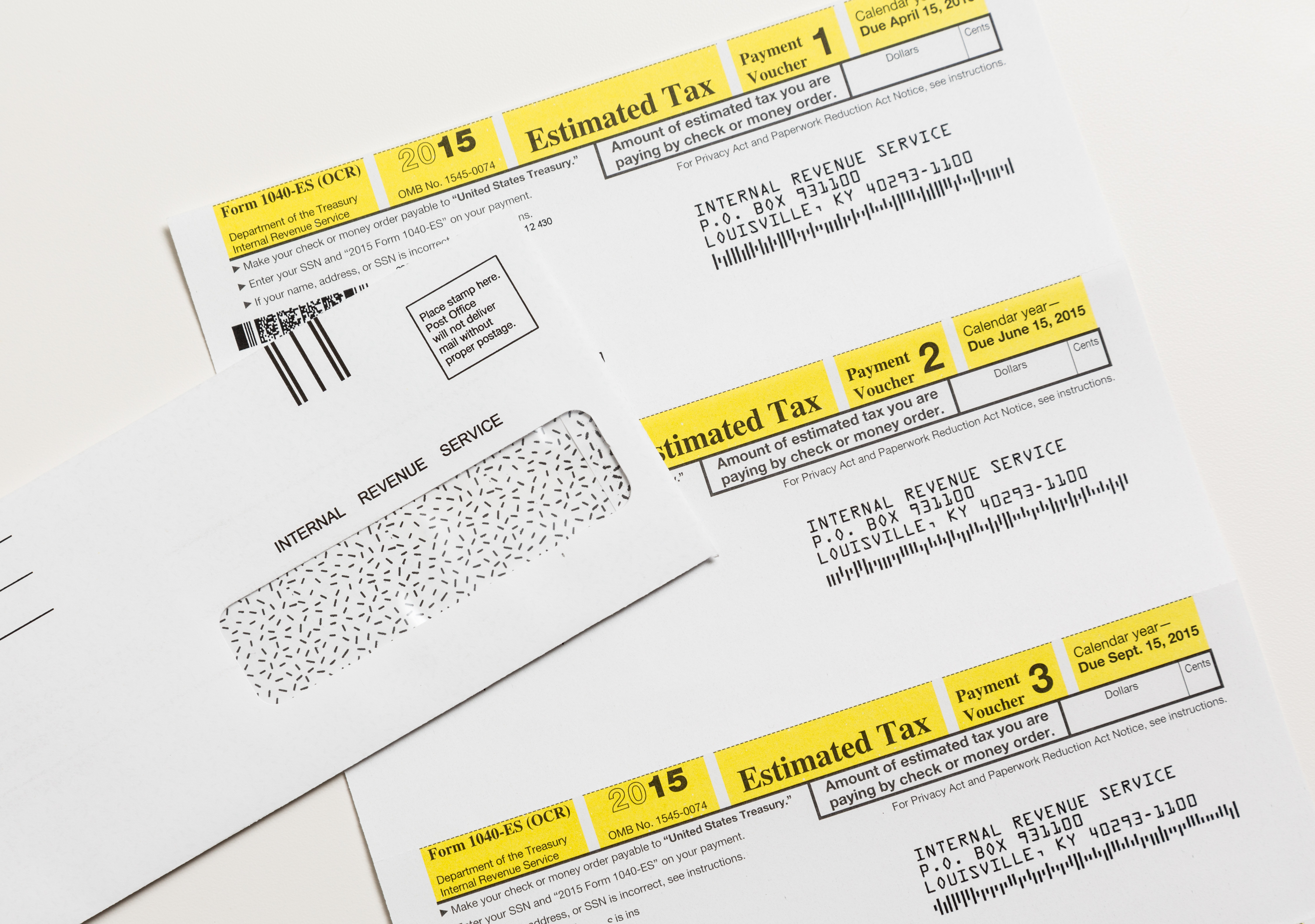
Under the standard rules, estimated tax is generally paid in four installments for the tax year:
- April 15
- June 15
- September 15
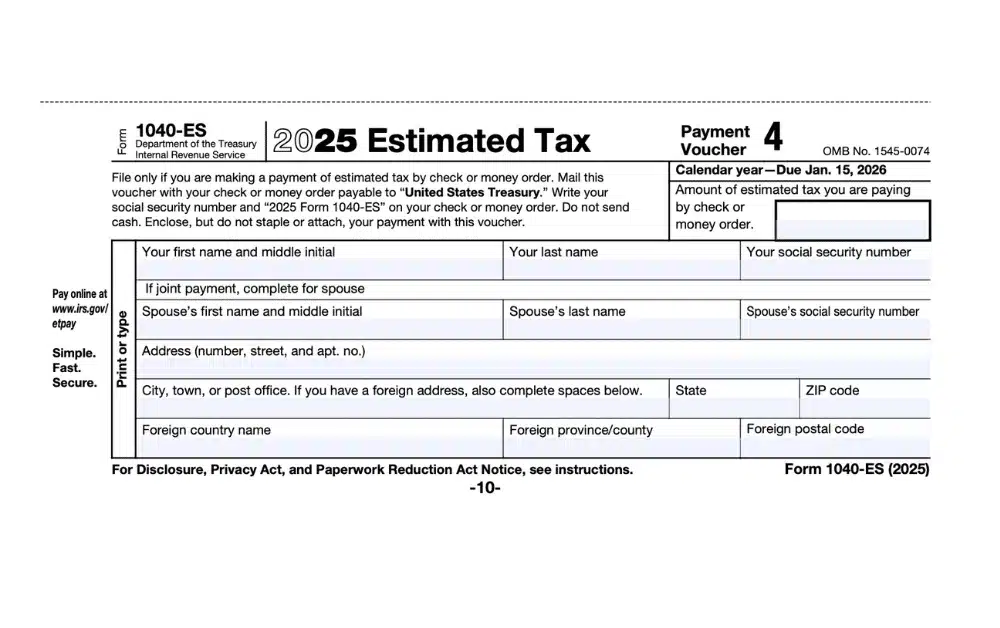
- January 15 of the following year
If a due date falls on a weekend or legal holiday, the due date moves to the next business day.
This “quarterly” system works fine for steady income, but it can feel mismatched for businesses where cash flow arrives in big seasonal lumps. That mismatch is one reason the farmer and fisherman exception exists.
Yes, the penalty deadline can differ
This is the key framing point: these special dates are primarily about avoiding the estimated tax underpayment penalty (Internal Revenue Code Section 6654). They are not a different general tax filing deadline for everyone.
If you meet the IRS definition of a qualified farmer or qualified fisherman for estimated tax purposes, you generally have two simplified options that can help you avoid the underpayment penalty:
- Option 1: One estimated payment by January 15 of the following year (instead of four payments), or
- Option 2: File a return and pay the full tax by March 1 of the following year (and you can skip the January estimated payment too)
These are real time-savers, but the details matter, especially the income test.
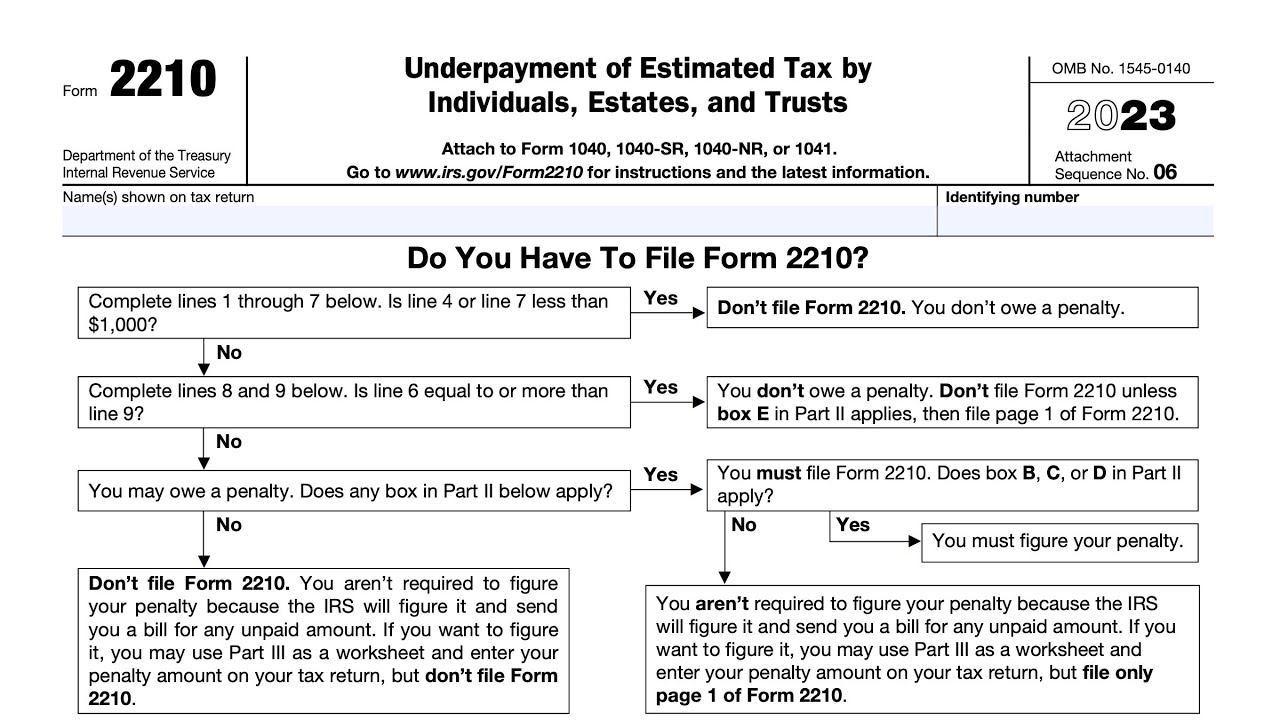
In practice, many farmers and fishermen also run into this on Form 2210-F, the IRS form used to figure the underpayment penalty when you have farm or fishing income and want to apply the special rules.
How you qualify: the two-thirds test
The key qualification is based on gross income, not net profit.
You generally qualify for the farmer and fisherman estimated tax exception if at least two-thirds of your gross income is from farming or fishing in either:
- the current tax year, or
- the prior tax year
That “current year or prior year” detail matters. If you had a rough year due to prices, weather, or a bad season, you might still qualify based on last year’s income mix.
What counts as farming or fishing income?
The IRS has detailed definitions, but in plain English:
- Farming typically includes income from cultivating land or raising or harvesting agricultural commodities, including operating a farm for profit as an owner or tenant.
- Fishing generally refers to income from commercial fishing activities, not hobby fishing.
If your income is a blend of farm or fishing income plus a large W-2 job, rental properties, or a spouse’s salary, the two-thirds test is where many people get tripped up. It is worth calculating early, because qualifying changes what “on time” even means.
Gross income is a tax concept
People use “gross” casually. For this test, the IRS is looking at gross income from all sources, using the tax definition, not just “sales” or “cash in the door.” W-2 wages are usually straightforward. Farm and fishing gross income can be more nuanced and is not always identical to your Schedule F gross receipts line.
If you are close to the two-thirds threshold, confirm the calculation before you commit to the January or March approach. A small classification difference can change whether you qualify. The instructions for Form 2210-F are a practical place to double-check how the IRS wants the two-thirds test computed in your situation.
A quick example
Say you file jointly. Your spouse earns $90,000 on a W-2. Your farm has $150,000 of farm gross income for this test. Your total gross income is roughly $240,000, and farming is about 62.5 percent of that total. Even though the farm is a big operation, you would likely not meet the two-thirds test that year.
One important nuance: the $90,000 is usually easy to anchor to the wages reported on your return, but the farm number you use for the two-thirds test may not be a simple copy-and-paste from a single Schedule F line if you have mixed income categories.
Option 1: One January payment
If you qualify as a farmer or fisherman, you can generally choose to make one estimated tax payment by January 15 of the following year, rather than making four installment payments.
In practice, that often means you set aside cash during harvest season or peak fishing months, then make one clean payment after you have a clearer picture of the year.
What you are actually paying
This January payment is meant to cover your required estimated tax so you can avoid an underpayment penalty. Many people aim for a safe harbor amount, meaning they pay enough through withholding and estimates to satisfy common penalty-avoidance thresholds.
The right target depends on your situation, so if you have big income swings, run the numbers before you hit January.
Option 2: File and pay by March 1
The second route is even simpler. If you qualify, you can usually skip the January 15 estimated payment by doing this instead:
- File a return by March 1 of the following year, and
- Pay the full tax due with that return
This is essentially the IRS saying: if you settle up quickly after year-end, we will not assess the underpayment penalty for skipping the January estimated installment.
As with any tax deadline, if March 1 falls on a weekend or holiday, the effective due date is typically the next business day.
One more important detail: March 1 is a penalty safe harbor, not a blanket rule that you must file early. If you file later (including on extension), you can still avoid penalties if you paid enough through withholding and estimated payments under the regular rules. You just might not be able to rely on the March 1 shortcut.
How this differs from four installments
Here is the practical difference:
- Most taxpayers who owe estimates: pay in four installments across the year.
- Qualified farmers and fishermen: can replace those installments with one January payment, or use the file-and-pay-by-March option to avoid the penalty for skipping that January installment.
The benefit is not that you pay less tax. The benefit is timing and paperwork. It is a recognition that income for many farms and fishing operations is seasonal and can be difficult to “quarterly smooth” without borrowing to pay taxes.
Also, nothing stops you from making payments earlier. The special rule gives you permission to simplify, not an obligation to wait.
Common points of confusion
“I have farm income, but I also have a W-2 job. Do I qualify?”
Maybe. The rule is not “any farm income.” It is the two-thirds of gross income test, and it is measured against all your gross income (including wages, and on a joint return, your spouse’s wages too). If wages are large relative to the farm operation, you might not hit the threshold even if farming is your main identity and time commitment.
“What if I qualify one year but not the next?”
This happens a lot, especially when commodity prices or yields swing. Qualification is evaluated year by year, and you can qualify based on the current year or the prior year. A year where you do not meet the test can put you back on the standard estimated tax calendar.
“What if I missed January 15?”
If you qualify and you missed the January 15 payment, the March 1 file-and-pay option may still be available if you act quickly and file and pay in full by that deadline. If you miss both, you are in regular underpayment territory and should talk with a tax professional about minimizing penalties and fixing your approach for the current year.
“Does this exception mean I never need to do estimates?”
No. It changes when you must pay to avoid penalties. If you expect to owe tax and do not have enough withheld, you still need a plan to fund the liability, whether that is a January estimate or paying in full with an early-filed return.
How to choose between January and March
When I talk to business owners about taxes, I usually frame it as a cash flow choice:
- If you want to spread the pain: you can still make periodic payments during the year, even if you qualify for the exception.
- If you want accuracy and simplicity: the March 1 file-and-pay route can be appealing because you can finalize your return, then pay what you actually owe.
- If you need more time to finalize bookkeeping: the January payment option can still be useful, but you will want clean year-end estimates so you do not underpay.
In my parents’ business, the stress was never just “the tax.” It was the timing. Paying anything before the season’s revenue fully settled sometimes meant borrowing on a line of credit. These special rules are meant to reduce that kind of squeeze for people whose income is inherently seasonal.
Quick FAQ
Do farmers and fishermen have different estimated tax deadlines?
They can, for underpayment penalty purposes. If you qualify under the two-thirds gross income test (current year or prior year), you may be able to make a single estimated payment by January 15, or skip quarterly estimated installments by filing a return and paying in full by March 1.
What is the two-thirds test?
You generally qualify if at least two-thirds of your gross income is from farming or fishing in either the current tax year or the prior tax year.
Is March 1 my normal tax filing deadline?
No. For most individuals, the regular filing deadline is in mid-April. March 1 is a special date that matters for estimated tax underpayment penalty purposes for qualified farmers and fishermen. Filing a return and paying in full by March 1 can replace the January 15 estimated payment requirement. If you file later (including on extension), you may lose that specific penalty protection unless you paid enough another way.
Can I still pay quarterly even if I qualify?
Yes. Many people do, especially if they want steadier cash management. The exception is an alternative, not a mandate.
Bottom line
Most taxpayers live on the four-installment estimated tax calendar. Qualified farmers and fishermen often do not have to.
If you meet the two-thirds gross income test (in the current year or the prior year), you may be able to simplify to one January payment, or avoid making multiple estimated installments by filing a return and paying in full by the special March deadline.
If you are close to the two-thirds threshold, or you are juggling farm or fishing income alongside wages and other income sources, it is worth doing the math early. The right deadline is the one you can actually meet without cash flow panic.