If you no longer have a paycheck, it is easy to feel like the IRS has left you with one clunky option: send quarterly estimated payments forever. But retirees and semi-retired business owners often have another lever, and it can be surprisingly powerful.
In many cases, yes: withholding from a pension, annuity, or even Social Security can replace quarterly estimated taxes by covering your total federal tax bill for the year, including tax on other income like IRA withdrawals, capital gains, rental income, or self-employment income.
The trick is knowing what types of withholding are available, which form controls it, and when withholding is not enough so you still need estimated payments.
Withholding vs estimates
The IRS wants you to pay taxes as you earn income throughout the year. There are two main ways most people do that:
- Withholding: tax is taken out automatically from a payment stream (like wages, pensions, or Social Security).
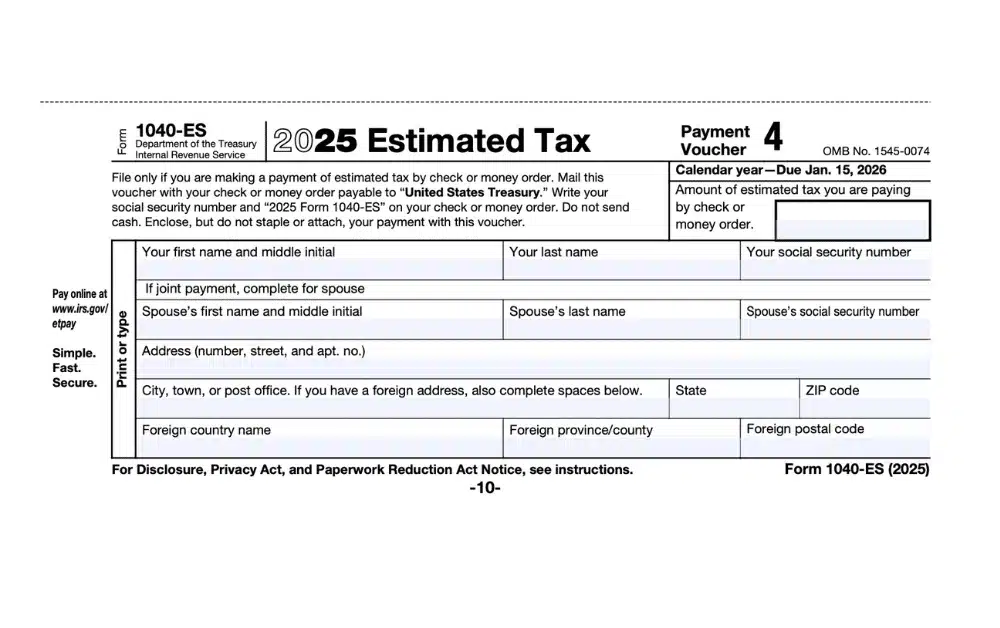
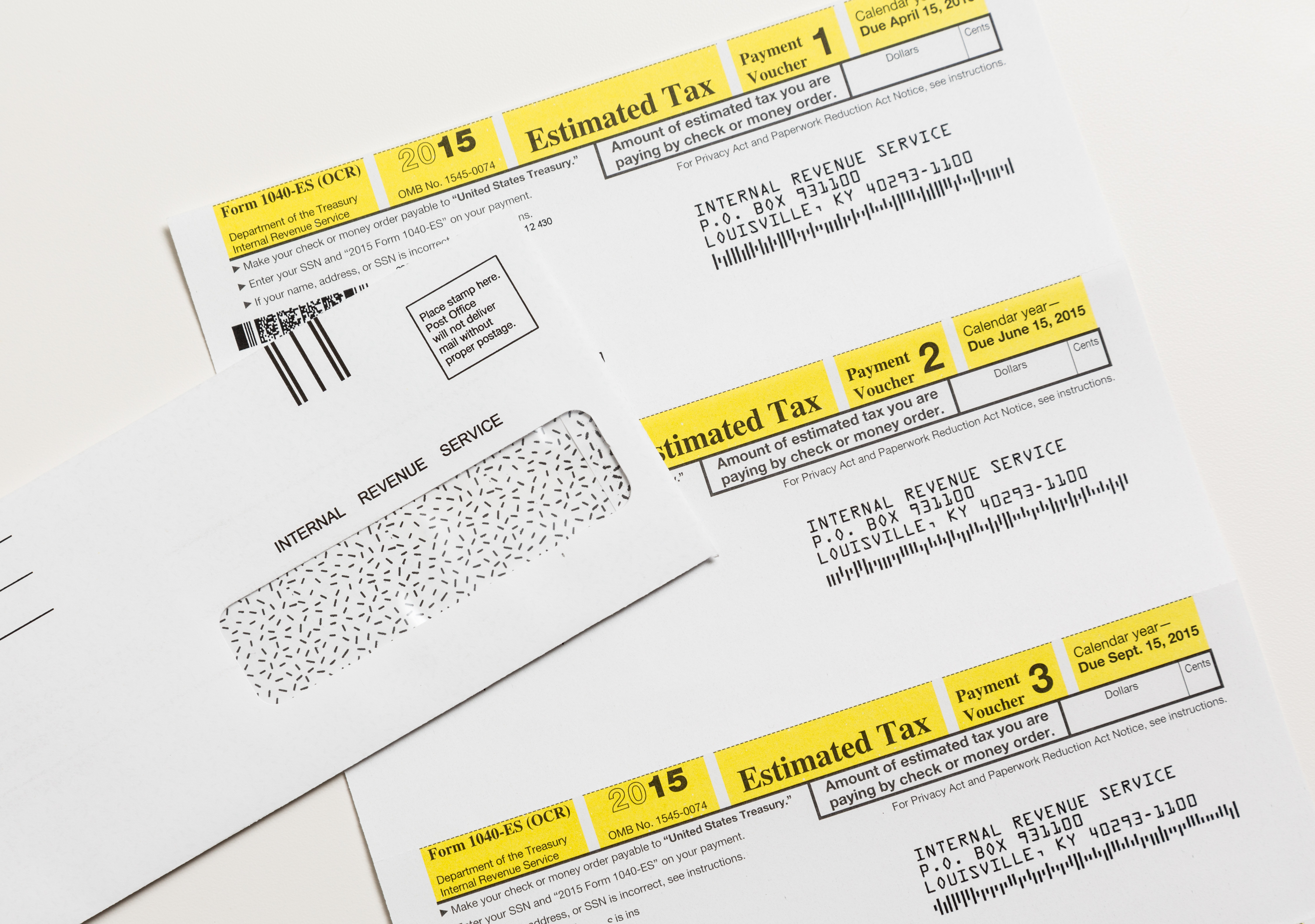
- Estimated tax payments: you send payments yourself, usually each quarter.
Practically, the IRS mainly cares that you pay enough during the year and meet the rules that prevent underpayment penalties. That is why pension or benefit withholding can sometimes do the heavy lifting that quarterly estimates would otherwise do.
Underpayment safe harbors
When people say they want to “avoid penalties,” they are usually talking about meeting one of the common federal safe harbor tests. In plain English, you generally avoid an underpayment penalty if, through withholding and timely estimated payments, you pay at least:
- 90% of your current-year total tax, or
- 100% of your prior-year total tax (110% if your prior-year adjusted gross income was above certain thresholds).
There are details and exceptions, but those are the guideposts most retirees use when deciding whether to rely on withholding alone.
Pension and annuity withholding
If you receive a pension, annuity, or certain periodic payments from retirement plans, you can usually adjust federal income tax withholding using Form W-4P (or your plan administrator’s portal and paperwork that implements the W-4P rules).
What you can do with W-4P
- Start or change withholding on eligible periodic payments.
- Increase withholding to cover tax on other income, not just tax on the pension itself.
- Fine-tune the amount using an IRS system that resembles the employee W-4 approach.
Default rules matter: many periodic pension payments have default withholding if you do nothing, and you can change that by submitting W-4P instructions to the payer.
Why pension withholding can replace estimates
For many households, pensions are the steadiest cash flow after a paycheck disappears. If you increase withholding on the pension, you are effectively using that stream like a tax collection engine for your entire return. That can be simpler than managing four estimated payments, and it can reduce the chance you forget a deadline.
Important nuance: “Pension/annuity” is a broad label in real life. Periodic payments often use one set of rules, while certain lump-sum distributions use another. For example, some eligible rollover distributions can be subject to mandatory 20% federal withholding if they are not directly rolled over. If you are taking a lump sum, ask the payer what withholding rules apply to that specific distribution.
Also, remember the cash flow side: higher withholding means a smaller net deposit each month. Make sure the reduced payment still supports your day-to-day spending.

Social Security withholding
Social Security is different from pensions because you do not use W-4P. Instead, voluntary federal withholding for Social Security benefits is handled through Form W-4V, which you submit to the Social Security Administration.
Your withholding choices
Social Security withholding is not infinitely customizable. You generally choose one of these fixed federal withholding rates:
- 7%
- 10%
- 12%
- 22%
Because it is a short menu, it may or may not be enough to cover your full tax liability if you have meaningful income beyond Social Security.
Can it cover tax on other income?
Yes, in the sense that withheld tax is just tax. The IRS does not label it “only for Social Security.” If enough is withheld over the year, it can cover tax attributable to IRA withdrawals, dividends, capital gains, a spouse’s income, or other sources.
But because the rate choices are limited, many people use Social Security withholding as a partial solution and then top off by increasing withholding elsewhere or by making estimated payments.
Why withholding timing helps
This is one of the most retiree-friendly quirks in the tax system.
Federal income tax withholding is generally treated as if it was paid evenly throughout the year, even if it was actually withheld later in the year. Estimated payments are not treated that way. They are credited when they are made and must generally be timely each quarter.
Why that matters: if you realize in November that you are short on tax payments, increasing withholding on a pension distribution or another withholding-enabled distribution can sometimes reduce or eliminate an underpayment penalty in a way a late estimated payment might not.
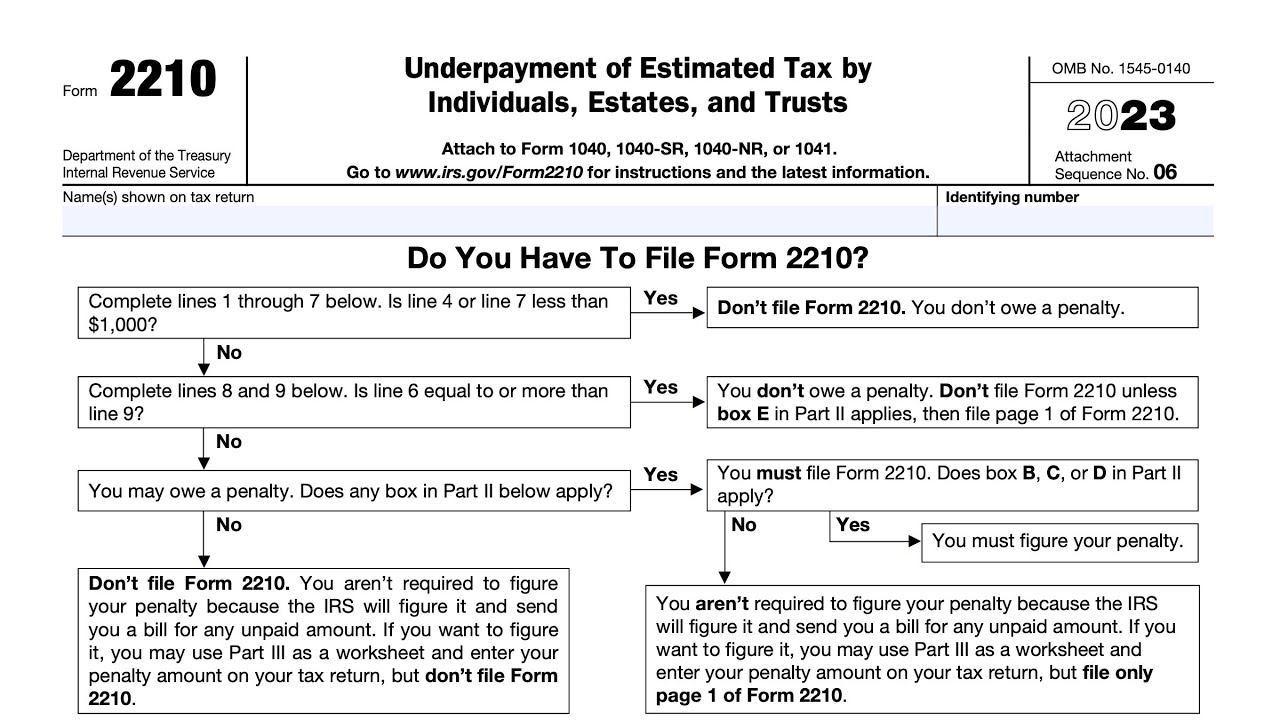
Caveat: the general “paid evenly” treatment is a big advantage, but timing can get more nuanced in certain situations, such as when someone uses the annualized income installment method on Form 2210. If your income is very uneven, it is worth checking the details with a tax pro.
When withholding is enough
You are a good candidate for using pension or Social Security withholding instead of quarterly estimated payments when most of the following are true:
- You have a reliable payment stream (pension, annuity, Social Security, or regular retirement distributions) that can support withholding.
- Your tax bill is predictable enough to withhold the right amount, or you are willing to adjust mid-year.
- You can withhold enough to satisfy your total annual tax liability and meet the safe harbor rules.
- You prefer simplicity and want fewer moving parts than quarterly payments.
In practice, this is common for retirees with a pension plus Social Security, or early retirees with recurring distributions.
When you still need estimates
Withholding is a great tool, but it is not always available in the right amount. If withholding cannot get you all the way there, estimated payments are the straightforward backup.
You may still need to pay estimates if:
You have income but no withholding source
If your income is primarily from sources that do not support withholding, you may have no practical alternative to estimates. Common examples include:
- Net income from self-employment or a side business
- Rental income (especially if it is lumpy or seasonal)
- Significant interest, dividends, and capital gains with no withholding attached
- Pass-through income from partnerships or S corporations (often little to no withholding)
Your withholding options are too limited
Social Security withholding rate choices may not let you dial in the amount you need. If you cannot reach the right annual total through available withholding, estimates fill the gap.
Your income changes sharply during the year
Big one-time events can create tax you did not plan for, such as:
- Selling a business or investment property
- Large IRA to Roth conversions
- Large portfolio rebalancing gains
- Taking an unusually large retirement plan distribution
You can sometimes respond by increasing withholding later in the year, but depending on timing and payer processing, you may still need an estimated payment to stay on track.
Using one tax anchor
Here is the approach I often see work best for households who are done with W-2 jobs:
- Estimate your total tax for the year based on expected income sources (pension, Social Security, IRA withdrawals, investment income, business or rental income).
- Pick an anchor payment stream that is steady and easy to adjust, often a pension or recurring retirement distribution.
- Increase withholding on the anchor stream to cover the tax not handled elsewhere.
- Re-check mid-year, especially after large gains, conversions, or changes in distributions.
If you do this well, quarterly estimated payments often become optional rather than mandatory.
Common scenarios
1) Pension and part-time consulting
You can often increase pension withholding via W-4P to cover both the tax on your pension and the tax on your consulting profit. If the consulting income fluctuates a lot, you might still need one or two estimated payments, but many people can handle it with withholding alone.
2) Social Security plus dividends and gains
You can elect Social Security withholding with Form W-4V, but the fixed percentage options may not match what you need. In that case, consider pairing Social Security withholding with additional withholding from another stream, or use estimated payments for the investment income.
3) No paycheck, living off a brokerage account
If you are generating income mostly from sales, dividends, and capital gains and you do not have a withholding-enabled distribution stream, you are more likely to need estimated tax payments.
4) Large IRA withdrawal late in the year
Many IRA custodians let you elect federal withholding on distributions, typically through their own withholding election workflow rather than Form W-4P. If available, increasing withholding on the withdrawal can be a clean way to catch up. Because withholding is generally treated as paid evenly across the year, this can be especially helpful for avoiding underpayment penalties.
State taxes
Everything above is about federal tax mechanics. States vary widely.
- Some states allow withholding on pensions and retirement distributions.
- Some states tax Social Security differently or not at all.
- Some states still expect estimated payments if withholding is insufficient.
If your state tax bill is meaningful, build a separate plan for it. It is common to get federal withholding right and still be surprised by a state underpayment notice.
A gentle warning from a planner
I grew up watching my parents run a mid-sized agricultural supply company, and one thing I learned early is that cash flow systems matter as much as the math. Taxes are part of that system.
If you are using withholding as your tax autopilot, check it at least twice a year and anytime you have a big financial event. The goal is not perfection. The goal is avoiding nasty surprises and keeping your retirement cash flow calm and predictable.
FAQ
Is pension withholding the same as wage withholding?
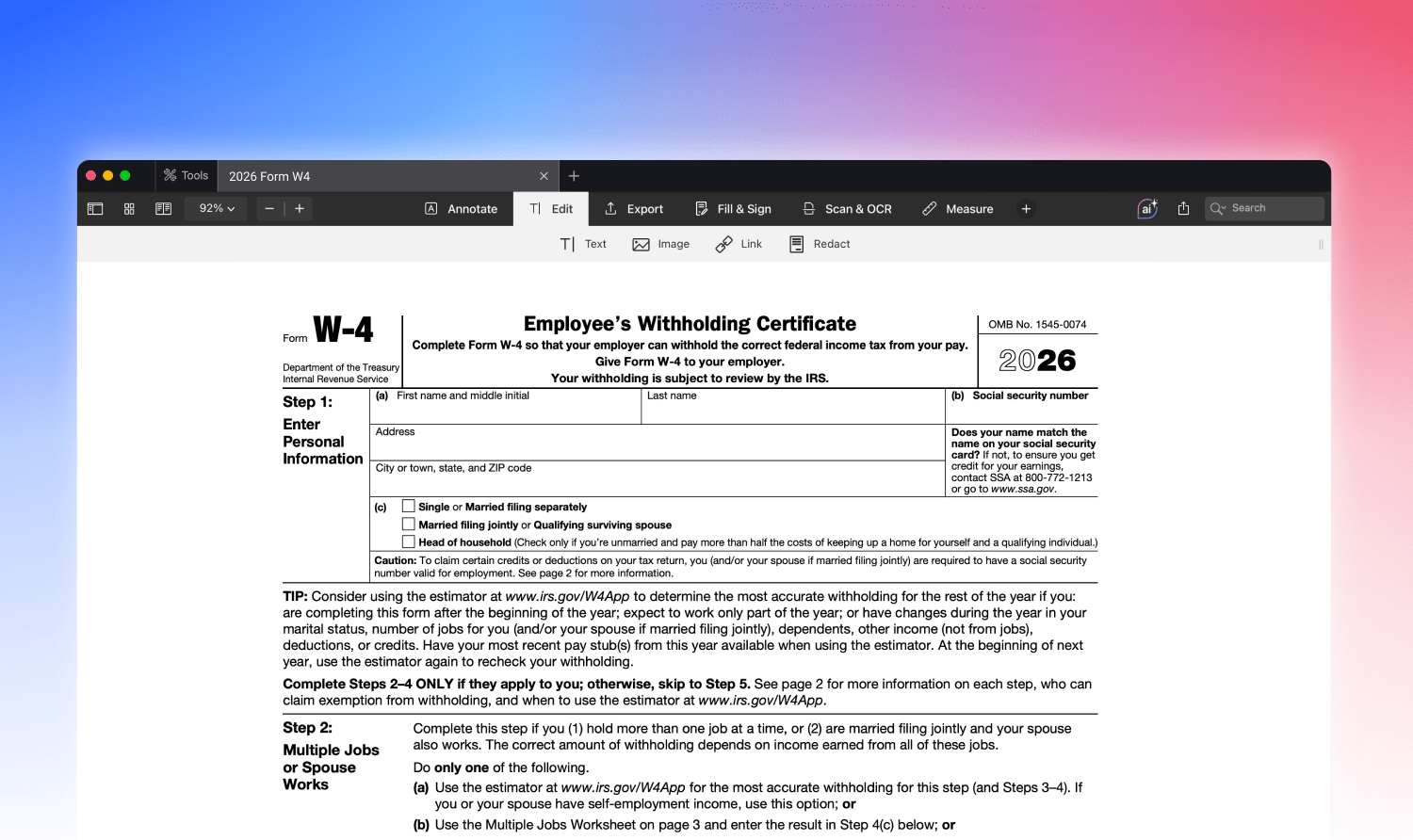
It is similar in purpose, but it uses a different form and different default rules. Employees use Form W-4. Pension and annuity recipients typically use Form W-4P.
Can I withhold extra from my pension to cover my spouse’s income?
Yes. Withholding is credited to your joint return if you file jointly. Many couples intentionally load withholding onto one person’s pension to cover household tax needs.
If I withhold enough, do I have to make quarterly estimated payments?
Usually not. If your total payments during the year, including withholding, meet a safe harbor or otherwise cover what you owe, estimated payments are not required.
Does Social Security withhold taxes automatically?
Social Security benefits do not automatically withhold federal income tax unless you elect it. You typically make that election using Form W-4V with the Social Security Administration.
If I missed estimated payments, can I fix it late in the year?
Sometimes. Increasing withholding late in the year can help because federal income tax withholding is generally treated as paid evenly throughout the year. That said, processing takes time and not every payer can implement changes immediately, so do not wait until the last week of December.
Bottom line
Withholding from a pension, annuity, or Social Security can often replace quarterly estimated tax payments as long as you can withhold enough to cover your total federal tax and stay on the right side of underpayment rules.
If you want the simplest system, pick one steady payment stream and treat it like your tax anchor. Then revisit it mid-year so your taxes do not become a surprise project next April.