One of the most underrated “good problems” in personal finance is finishing the year having overpaid your taxes. It usually means you planned ahead, your business had a strong year, or both.
Then your tax software or CPA asks the question that suddenly feels high stakes: do you want your overpayment refunded, or do you want to apply it to next year?
This choice is often called the overpayment election. On your Form 1040, it is the part where you tell the IRS how much of your overpayment you want refunded and how much you want credited to next year. It is simple on the surface, but it affects your cash flow, your next year’s estimated-tax schedule, and sometimes penalties.

What crediting it forward means
When you file your return, the IRS looks at what you have already covered toward your tax bill. That can include:
- Withholding from W-2 wages
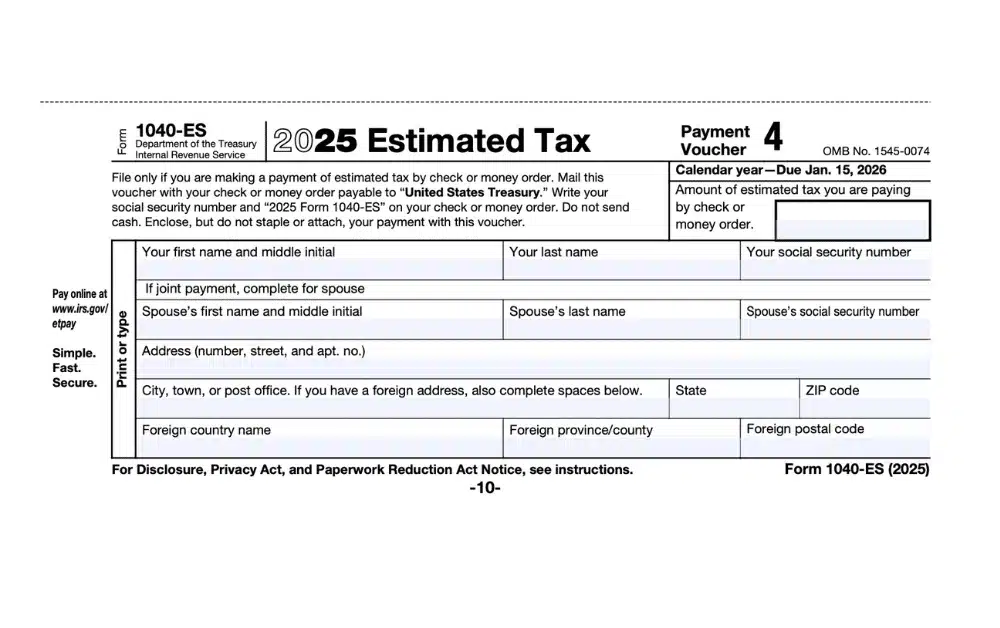
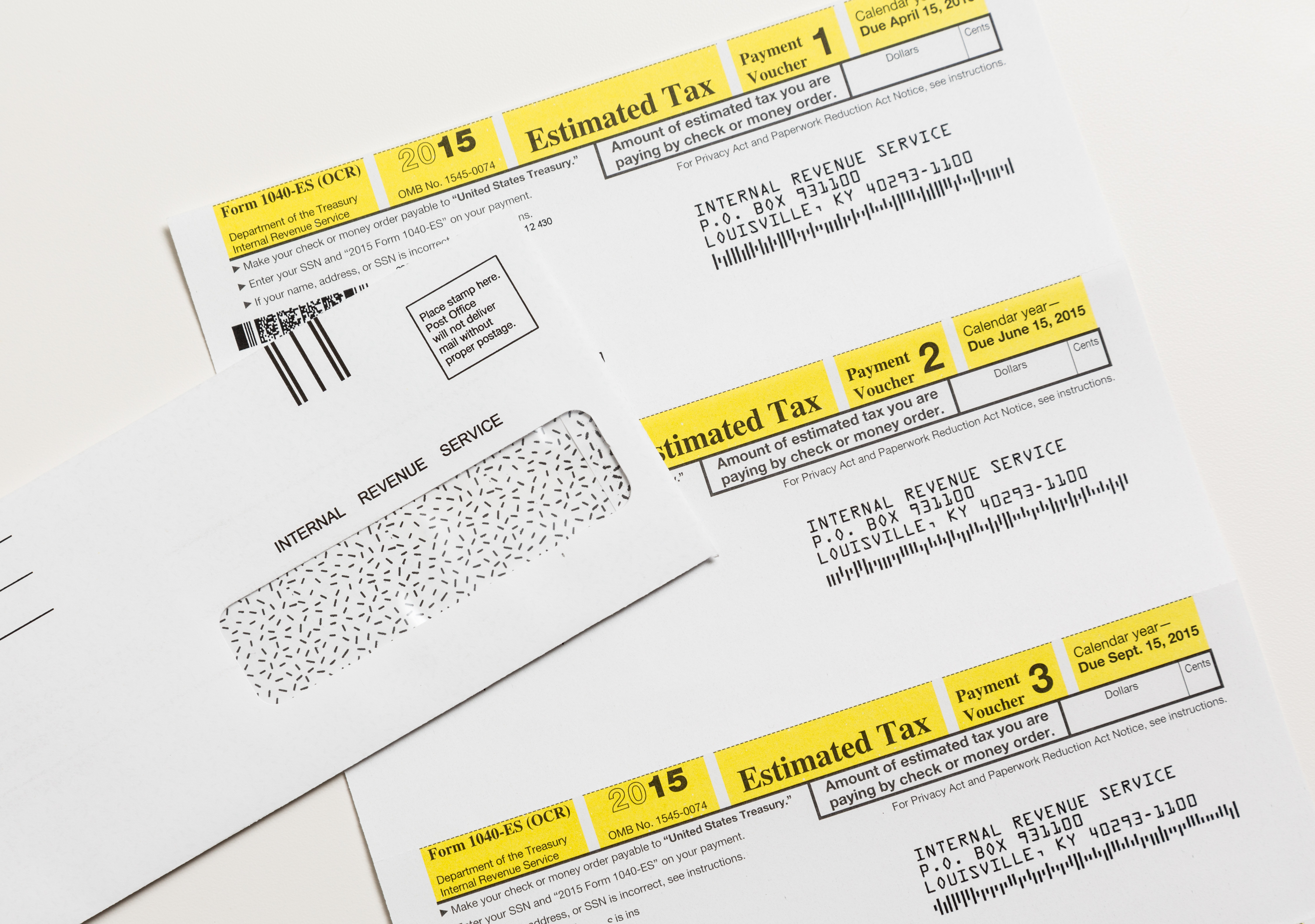
- Federal estimated tax payments you made (quarterly payments)
- Payments made with an extension
- Refundable credits that can increase your refund
If what you have covered exceeds your tax liability for the year, you have an overpayment. At that point you typically choose one of two options (and on many returns, you can split it):
- Refund: The IRS sends the overpayment back to you (often via direct deposit if you choose it).
- Credit to next year: The IRS keeps the overpayment and treats it as a payment toward your next tax year.
That credit is not a savings account and it does not earn interest. It is simply your money sitting at the IRS as a prepayment for the next tax year.
How it affects next year’s estimates
If you choose to credit the overpayment to next year, the IRS treats it as a payment for the succeeding tax year. Practically, for most self-employed people and investors who pay quarterly estimates, it effectively reduces what you need to send for the first required installment, as long as your return is filed and processed in time.
Does it count toward Q1?
In the way most people care about, yes. Once your return is filed and the credit-forward election is on record, that amount is available to cover next year’s required installments, including what most people think of as Q1.
Example (simplified, assuming your return is filed and processed before the first estimated due date):
- You file your return and have a $3,000 overpayment.
- You elect to apply it to next year.
- Your projected first estimated payment for the new year is $4,000.
- You might only need to send $1,000 because the $3,000 credit covers the rest.
Timing matters
The first estimated-tax deadline is typically mid-April (it can shift for weekends, holidays, or special disaster-relief rules). If you file early enough, the credit is already “on the books” for the new tax year by the time that first payment is due.
If you file late, the credit is still valid, but relying on it to cover the first installment can get messy. In plain English: you cannot lean on a credit-forward election you have not actually made on a filed return.
When crediting it is smart
In my experience with founders and high-earning professionals, crediting an overpayment to next year works best when you want to reduce friction and avoid surprises.
You will owe estimates anyway
If you are self-employed, have meaningful investment income, or your withholding is consistently too low, you are likely going to pay quarterly estimates next year. A credit-forward election becomes an automatic head start.
You want a buffer against penalties
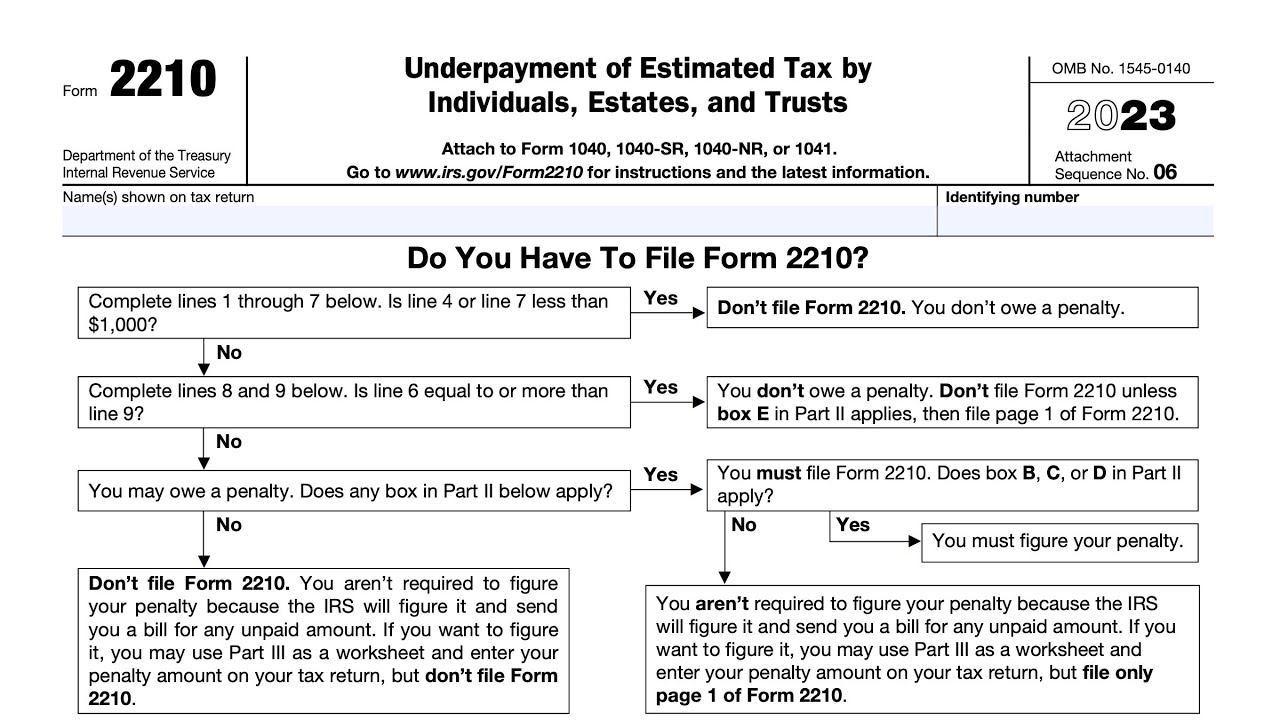
Many people get hit with underpayment penalties not because they cannot afford taxes, but because income comes in unevenly and payments do not match the IRS schedule. Starting the year with a credit can help smooth that out.
You want less admin
If you already maintain a system for quarterly taxes, crediting the overpayment forward can mean one less cash transfer and one less opportunity to miss a deadline.
You are using safe harbor rules
Some taxpayers aim to pay enough throughout the year to satisfy safe harbor thresholds, then true-up at filing time. Common safe harbors are based on paying 90 percent of the current year tax or 100 percent of the prior year (often 110 percent at higher incomes). If you routinely run that play, overpaying a bit and crediting it forward can be part of a deliberate plan.
When taking the refund is better
I am a big believer that you should not give the IRS an interest-free loan unless it buys you something meaningful. A refund is often the better move when liquidity matters.
You need cash for operations or a cushion
If you are carrying credit card balances, floating expenses on a line of credit, or rebuilding an emergency fund, taking the refund can be a clear win. Paying 18 percent interest while your overpayment sits at the IRS is not a great trade.
You have high-interest debt or missed savings goals
Refund dollars can go straight to debt payoff or retirement contributions. If you are behind on IRA contributions, HSA funding, or even a basic cash reserve, the refund may create more long-term benefit than a tax credit.
You expect a lower-income year ahead
If you are anticipating lower income next year, a job change, a planned sabbatical, or a business slowdown, you may not need a head start on next year’s estimates. In that case, keeping your cash flexible can be smarter.
You do not want money tied up
A refund can put cash back in your account relatively soon. A credit-forward election may not “help” you until you reach next year’s estimated-tax deadlines.
Gotchas to watch
Most overpayment decisions are straightforward. The trouble usually comes from assumptions about timing, offsets, or how the election interacts with other choices.
1) Changing your mind can be hard
If you elect to apply an overpayment to next year, do not assume you can easily switch it to a refund later. Depending on timing, it can be difficult or effectively impossible to change once your return is filed and processed. If you think you might need the cash, decide before you file and ask your preparer about any time-sensitive options.
2) Offsets can change what you actually receive
Even if you choose a refund, the IRS can apply some or all of it to certain past-due obligations before you see cash. This can include federal or state tax debts and other eligible offsets. If you are expecting an offset, crediting it forward might not work the way you hope either, so it is worth addressing the underlying issue first.
3) Federal and state are separate choices
You might have an overpayment federally, at the state level, or both. Each return typically has its own refund versus credit decision. Make sure you are choosing intentionally on both returns.
4) Your first estimate might still be due
A credit helps, but it does not eliminate the need to calculate what you owe for the first installment. If your income is growing, that first payment can still be meaningful even after applying an overpayment credit.
5) W-2 earners should consider a simpler fix
If you are a straight W-2 employee who does not normally pay estimates, crediting an overpayment forward is often less useful than adjusting your withholding so you stop overpaying in the first place. In that situation, a refund now plus a cleaner withholding plan going forward is usually the better long-term move.
A quick decision checklist
If you are stuck, walk through these questions in order. You will usually get a clear answer by question three.
- Do I have high-interest debt? If yes, refund is often best.
- Is my emergency fund where I want it? If no, refund is often best.
- Am I confident I will owe quarterly estimates next year? If yes, crediting it forward can be useful.
- Am I worried about underpaying next year? If yes, crediting it forward can be calming.
- Will I miss the money? If yes, refund. If no, crediting it forward is fine.
There is no moral victory in choosing either option. This is a cash-flow decision, not a character test.
FAQ
Is it better to get a refund or credit it to next year?
It depends on what you value more: cash now (refund) or less hassle and a head start on next year’s taxes (credit to next year). If you carry high-interest debt or need liquidity, a refund is often the better financial move.
If I credit it to next year, does it reduce what I have to pay in April?
Usually, yes. The credited amount is treated as a payment for the new tax year and can reduce what you need to send for the first estimated installment, as long as your return is filed and the election is on record.
Will I earn interest if I leave the money with the IRS?
Generally, no. A credit-to-next-year election is not an interest-bearing account. It is simply a prepayment of next year’s tax.
Can I split it, part refund and part credit?
Often you can. Many tax-prep tools allow you to allocate part of an overpayment to next year and receive the rest as a refund. Keep in mind that some refunds may be reduced by offsets before they ever reach you.
Does crediting it to next year increase audit risk?
By itself, no. Choosing refund versus credit is a normal election. Audit risk is more about the underlying numbers and documentation than about what you do with an overpayment.
The bottom line
If you want a cleaner start to next year’s estimated taxes and you are not tight on cash, crediting your overpayment to next year can be a smart, low-stress move. If you need liquidity, are paying high interest, or expect a lower-income year, taking the refund is often the stronger financial decision.
When in doubt, decide based on your cash cushion first and your tax math second. The IRS will happily hold your money. Your job is to make sure it is helping you.