If you have ever filed a tax extension and felt a wave of relief, I get it. I grew up watching my parents run an agricultural supply business where cash flow was seasonal and unpredictable. Some months, the bank account looked fine. Other months, you were timing inventory orders, loan payments, and tax deposits down to the day.
That same feeling shows up for a lot of founders and freelancers today: “If I extend my tax return, do I get more time to pay everything?”
Here’s the key distinction:
- A filing extension (Form 4868) extends the deadline to file your Form 1040.
- It does not extend the deadline to pay taxes that are due. That includes your prior-year balance due and any current-year estimated tax payments you are required to make.
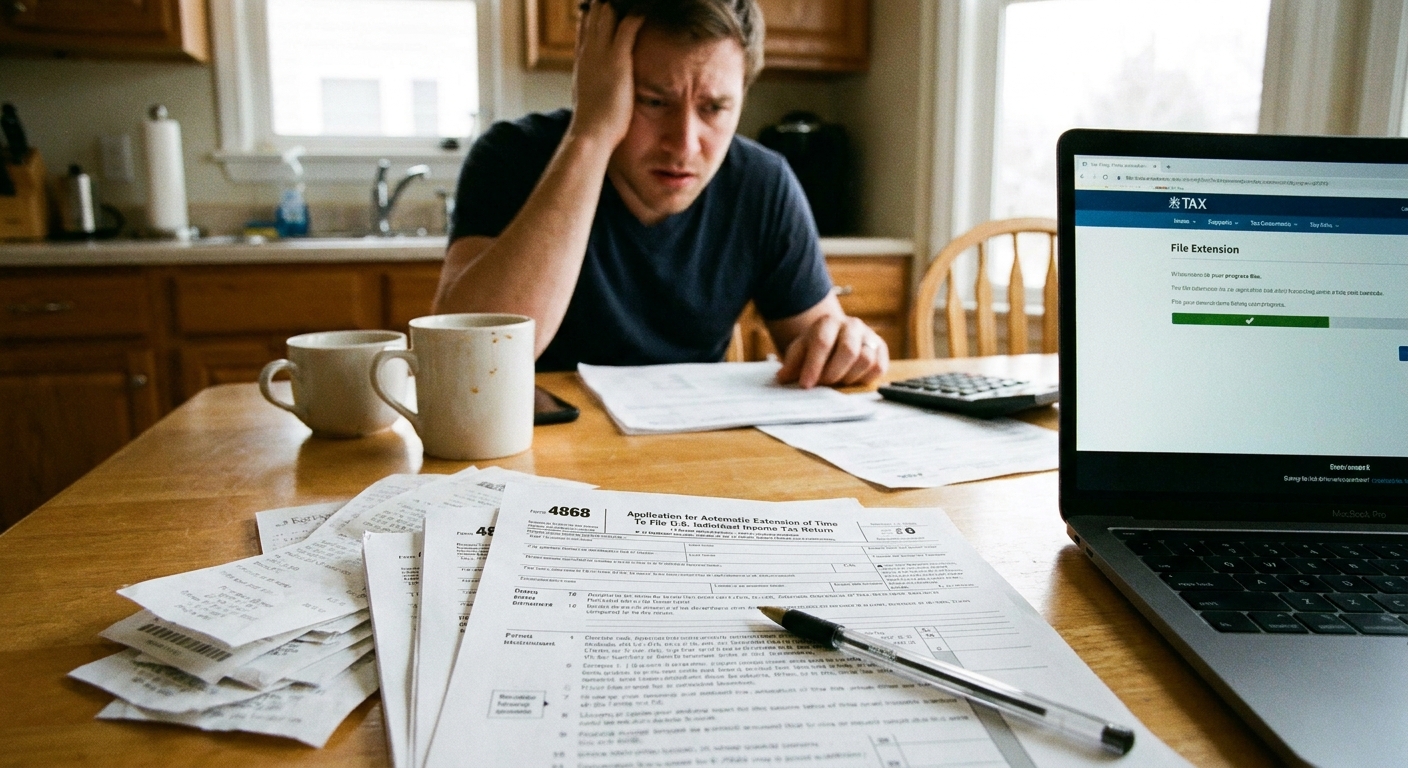
What Form 4868 does
Form 4868 is the application for an automatic extension of time to file your individual income tax return.
In most years, that means you move your filing deadline from mid-April to mid-October (often October 15). If the normal deadline shifts because it falls on a weekend or holiday, the extension date shifts accordingly.
What to do by the April deadline
- File Form 4868 (or e-file the extension through tax software).
- Pay what you estimate you owe for the prior tax year by the regular April deadline to reduce penalties and interest.
If cash flow is tight, paying something by the deadline is usually better than paying nothing. You can sort out the exact final number when you file.
Estimated taxes do not move
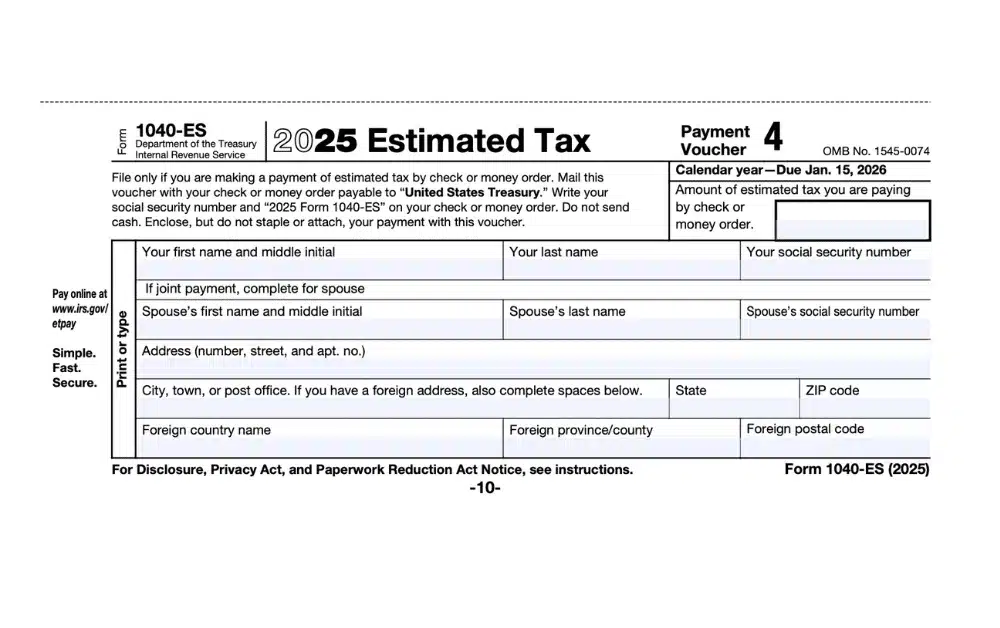
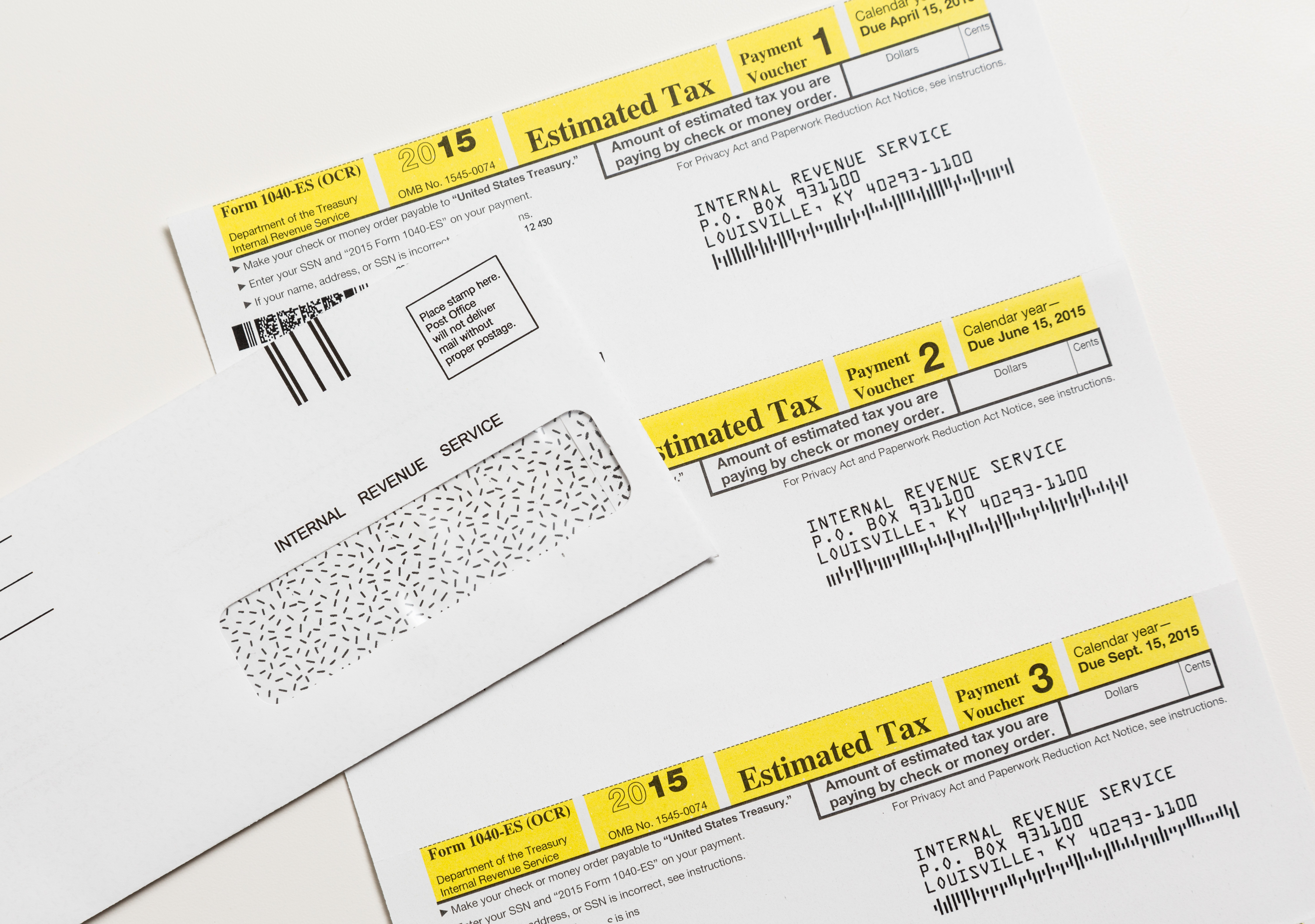
Estimated taxes are a current-year “pay as you go” system for people who do not have enough tax withheld from a paycheck (or who do not have a paycheck at all).
Filing Form 4868 does not change estimated tax due dates.
For most taxpayers, federal estimated tax due dates are generally:
- April 15
- June 15
- September 15
- January 15 of the following year
If any date falls on a weekend or holiday, the deadline typically shifts to the next business day. And in some years, certain taxpayers may get extra time due to disaster relief or other IRS announcements, so it is worth checking the IRS page for the current year.

Example: extension filed, estimates still due
Let’s walk through a common scenario with one filer.
Meet Maya
Maya is a freelance designer. In early April, she realizes she is missing a few 1099s and expense totals. She files Form 4868 to extend her 1040 filing deadline to October.
Here’s what happens next:
- By the April deadline, Maya should pay her best estimate of what she owes for the prior year (even though she is not filing the return yet).
- Also by the April deadline, Maya may have an estimated tax payment due for the current year if she expects to owe tax on this year’s self-employment income.
Two different obligations can collide in April:
- Prior-year balance due: tied to last year’s tax return, due at the normal April deadline, even if you extend filing.
- Current-year estimated tax: tied to this year’s income, due on the normal schedule, extension or not.
Balance due vs. estimated payment
This is where people get tripped up, and it can be expensive.
1) Balance due (prior year)
This is the amount you owe for last year after subtracting withholding and credits.
If you file Form 4868 and do not pay enough by the original filing deadline, you may face:
- Failure-to-pay penalties (often smaller than the failure-to-file penalty, but still meaningful)
- Interest on the unpaid balance
The extension can protect you from the larger failure-to-file penalty, but it does not remove the cost of paying late.
2) Estimated tax payment (current year)
This is a payment toward the taxes you expect to owe for the year you are currently in.
If you miss an estimated tax due date, you can owe an underpayment penalty, even if you pay everything by April of the following year. That is why the estimated-tax calendar matters.
One helpful rule of thumb is the IRS “safe harbor” concept. Many filers can reduce underpayment-penalty risk by paying enough during the year (through withholding and estimated payments) to cover a set percentage of last year’s tax. The details vary by income and situation, but the idea is simple: hit the safe harbor, and penalties are often less likely.
If an estimated payment is late
Let’s separate two situations that sound similar but are handled differently.
You extended, but missed an estimated payment
Example: You filed Form 4868 in April, then forgot to make the June estimated payment.
The extension does not help here. If you underpaid estimates during the year, you may owe an underpayment penalty when you file.
In practice, you can often limit the damage by:
- Catching up as soon as possible with an extra payment
- Increasing W-2 withholding (if you have a job) to cover the shortfall, since withholding is generally treated as paid evenly throughout the year for penalty purposes
- Keeping clean records so your year-end filing accurately reflects when income was earned and when payments were made
You extended, and did not pay last year’s balance
That is a different issue. In that case, the late payment relates to the prior-year return. Paying as soon as possible typically reduces penalties and interest.
How to pay
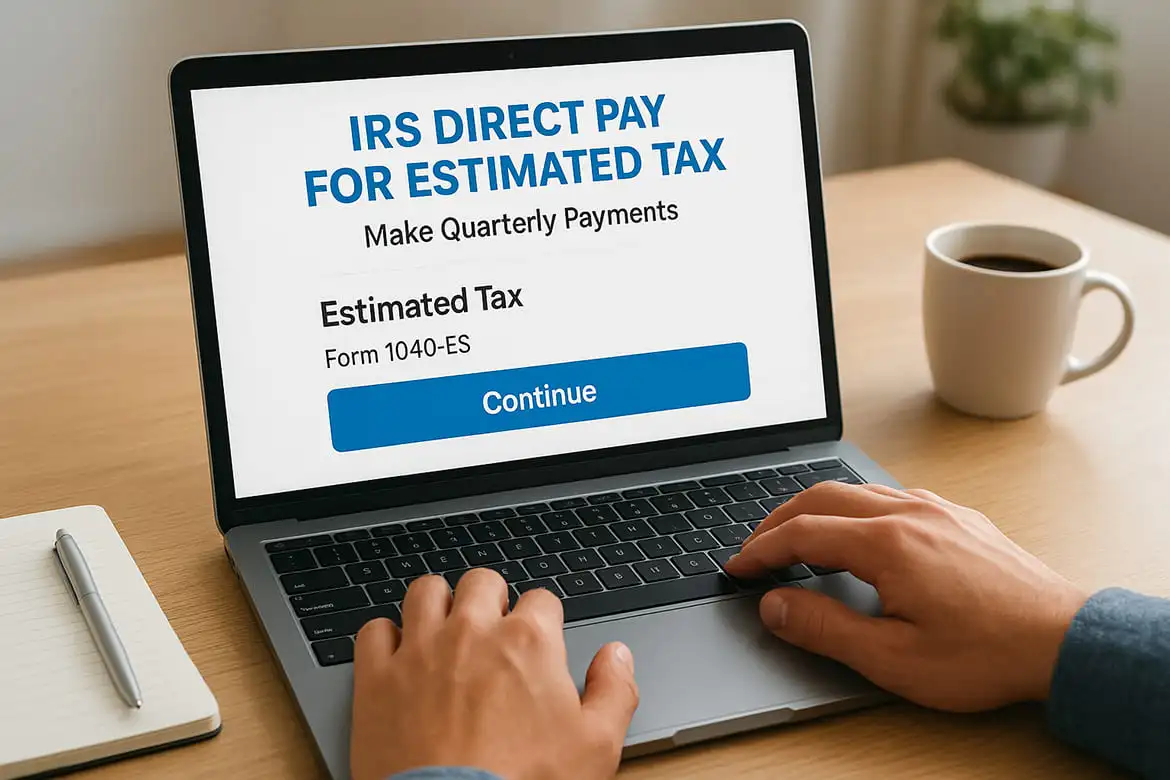
If you are extending and making a payment, the IRS gives you a few common options, including online payment tools (like IRS Direct Pay), EFTPS, debit or credit card payments, or paying through your tax software. The key is to make sure the payment is applied to the right tax year and labeled correctly (for example, as an extension payment versus an estimated payment).
Quick guide
- If you owe for last year: pay as much as you can by the regular April deadline, even if you extend.
- If you expect to owe for this year and you are required to make estimates: keep paying estimated taxes on the normal schedule.
- If you are not sure: make a conservative estimate and true it up later. Overpaying slightly is usually less stressful than underpaying and scrambling.
Also, remember this article is about federal taxes. Many states follow the same general extension concept, but state deadlines and rules can vary.
FAQ
If I file an extension, can I wait until October to pay?
You can wait until October to file, but you generally should not wait to pay. The IRS expects payment by the original deadline, and waiting can trigger penalties and interest.
Does the extension move my estimated tax due dates?
No. Form 4868 does not change estimated tax deadlines. Those due dates stay where they are unless the IRS announces a specific deadline change (such as weekend or holiday shifts, or relief for certain taxpayers).
What if I cannot afford to pay what I owe by April?
Still file the extension (or file the return if you can) and pay what you can by the deadline. Then look into IRS payment plan options. The worst combo is usually not filing and not paying.
What if I had a big income swing and my estimates are off?
This is common for entrepreneurs and commission-based earners. Recalculate during the year, especially after a high-income stretch. Adjust the next estimated payment rather than waiting until tax season. If your situation is complicated, getting a tax pro’s input can save you money and stress.
The bottom line
A filing extension buys you time to finish the paperwork. It does not buy you time to fund the tax bill, and it does not pause the estimated-tax calendar.
If you are extending, think in two tracks: square up last year as best you can by April, then keep making this year’s estimated payments on schedule. That separation alone prevents most surprise-penalty situations people run into.