I grew up watching my parents run a mid-sized agricultural supply company, and one lesson stuck with me early: cash flow rarely arrives on the IRS deadlines. A late customer payment, a busted piece of equipment, a flood, a health scare, and suddenly the quarterly estimate that looked easy in January becomes impossible in September.
If you are here, you are probably past the planning stage. The underpayment penalty is already on the table, and you want to know whether the IRS can remove it.
Sometimes, yes. But it is not the same thing as simply sending a late payment. A waiver is a request for the IRS to forgive the penalty, based on specific criteria, and you generally need to explain your facts clearly and show why your situation fits the rules.

First, which penalty is this?
The “estimated tax penalty” most people mean is the underpayment of estimated tax penalty. It can apply when you did not pay enough tax during the year through:
- Withholding from wages, pension distributions, or other payments that allow voluntary withholding (including Social Security benefits if you elected federal withholding)
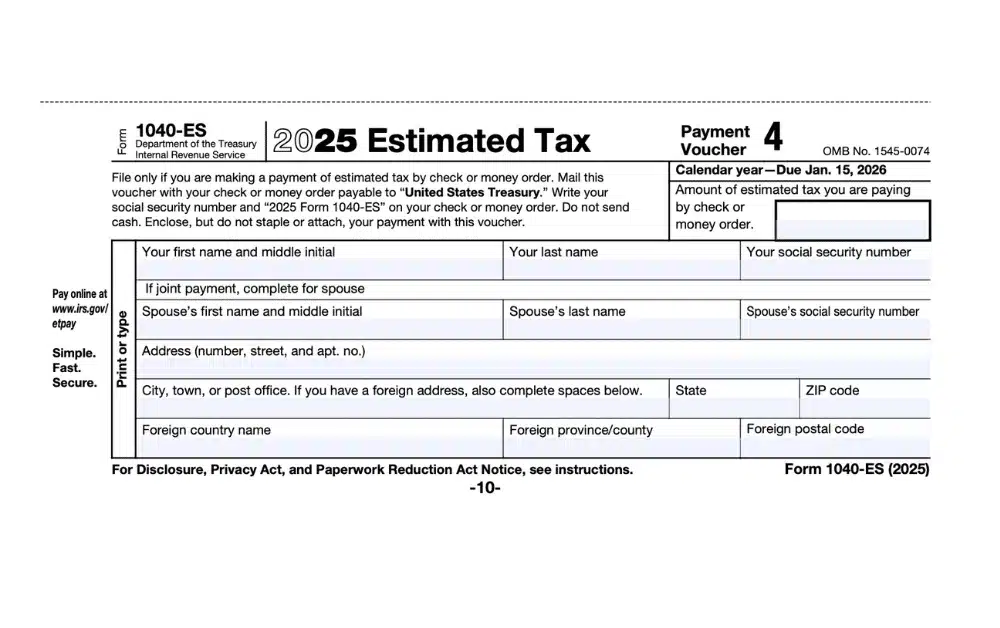
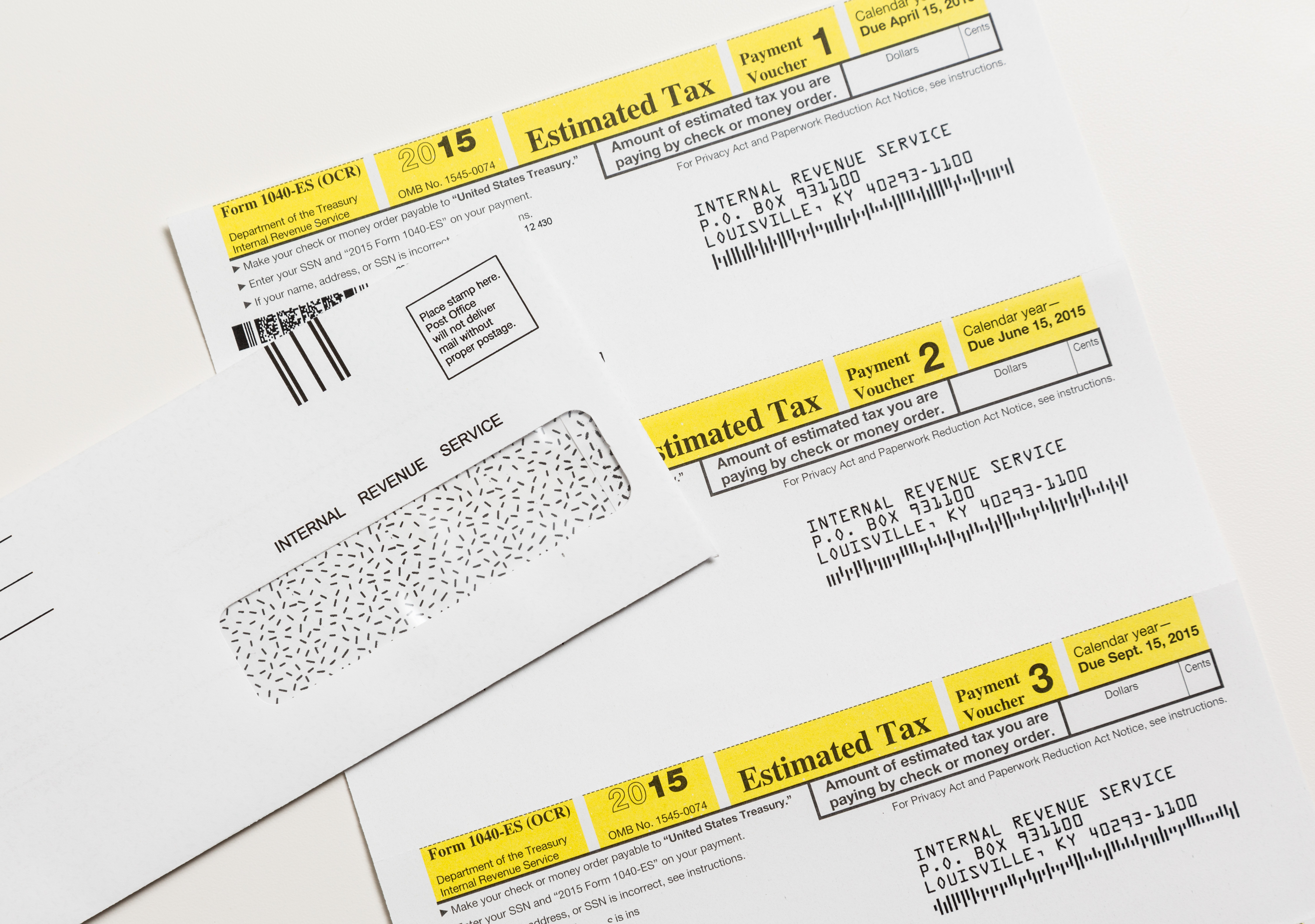
- Quarterly estimated payments (generally due April 15, June 15, September 15, and January 15, or the next business day)
Important nuance: the penalty is not primarily about being late on April 15. It is about not paying enough throughout the year as income was earned.
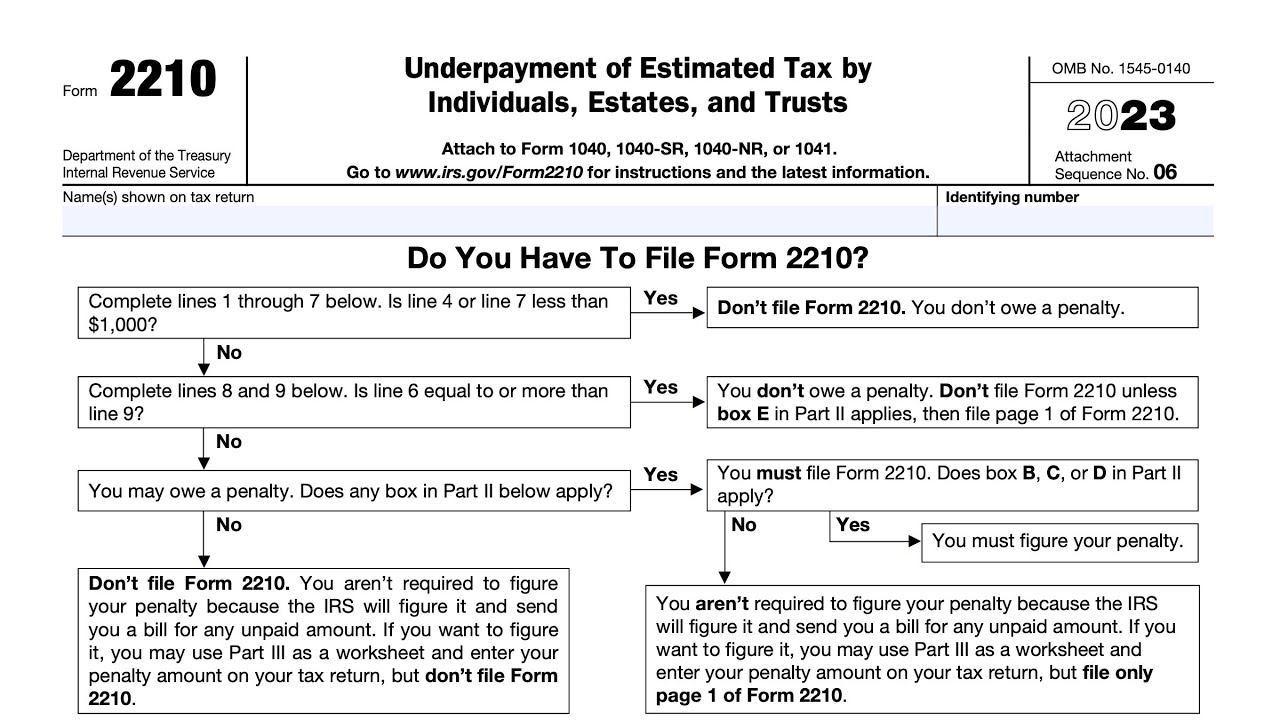
If you calculate the penalty yourself, you will typically do it on Form 2210. If you do not, the IRS may compute it for you and bill you in a notice.
Before you ask for a waiver
Before you spend your energy on a waiver narrative, it is worth pausing to ask a simpler question: do you even owe the penalty once the rules are applied correctly?
Check the safe harbors
Many people can avoid the penalty entirely by meeting a safe harbor. In plain English, the most common safe harbors are based on paying enough during the year to cover:
- Generally 90% of your current-year tax, or
- Generally 100% of your prior-year tax (often 110% if your income is above certain thresholds)
Also, remember: withholding is treated as paid evenly throughout the year in many cases, even if it happened late in the year. That is why increasing withholding can sometimes fix a penalty problem more cleanly than making late estimates.
If income was uneven, a calculation fix may beat a waiver
If your core issue was not a crisis but timing, for example your income arrived in the back half of the year, the annualized income installment method (using Form 2210) can reduce or eliminate the penalty without asking for forgiveness. That is not a waiver. It is simply computing the penalty in a way that matches how you earned the income.
I am emphasizing this because I see taxpayers reach for a waiver when what they really need is the right calculation.
Two common waiver paths
When a waiver is the right tool, there are two common paths the IRS recognizes for waiving the underpayment penalty:
- Form 2210 waiver for casualty, disaster, or other unusual circumstance
- Reasonable-cause waiver tied to retirement (age 62 or older) or disability
These are not the only ways to avoid a penalty, as noted above, but they are the two most common ways to ask the IRS to waive the penalty based on circumstances.
Waiver 1: Disaster or unusual event
This is the waiver most people think of when life genuinely blindsides them.
The IRS can waive the penalty if:
- You had an underpayment, and
- The underpayment was due to a casualty, disaster, or other unusual circumstance, and
- Imposing the penalty would be against equity and good conscience
What counts here?
In real life, this tends to mean an event that is both serious and outside normal planning friction. Common examples include:
- Natural disasters that disrupt your ability to operate or access records and funds
- House or business fires
- Serious illness or death affecting the taxpayer or an immediate family member (when it directly derails the ability to pay)
- Unexpected business disruption that is truly unusual, such as a major casualty loss, theft with significant impact, or sudden closure due to a local emergency order
What usually does not work on its own: “I forgot,” “I was busy,” “my business was slow,” or “I did not realize the rule.” Those may be honest, but they are not typically “unusual circumstances” in the way the IRS means.
How to request it on Form 2210
Form 2210 includes a waiver section where you can request a waiver and indicate the reason. When you do, you typically attach a statement explaining your situation.
Your statement should be practical and fact-heavy. Think of it like telling a careful stranger exactly what happened, when it happened, and why it made timely estimated payments unrealistic.
What your statement should cover
- What happened (the event, not just the result)
- When it happened (date ranges matter)
- How it caused the underpayment (the direct connection)
- Why it would be unfair to charge the penalty given those facts
- What you did to fix it once you could (catch-up payment timing helps show good faith)
You do not need to write a novel. You do need to make the causal link unmistakable.
Documentation to keep (and attach if appropriate)
Not every return needs a paper trail attached, but you should keep documentation in your records and include what supports your claim best:
- Insurance claims, FEMA documentation, or disaster assistance paperwork
- Fire or police reports
- Hospital admission or physician letters (only what is necessary)
- Repair invoices, temporary housing receipts, evidence of business interruption
- Bank correspondence showing account freezes or access issues

Waiver 2: Retirement or disability
There is a separate waiver path that is often overlooked: reasonable cause tied specifically to retirement (after age 62) or disability.
In this situation, the IRS may waive the underpayment penalty if:
- You retired after reaching age 62 or you became disabled, and
- The underpayment was due to reasonable cause and not willful neglect
This is not a blanket waiver for everyone over 62 or everyone with a disability. The IRS is looking for whether the underpayment is attributable to that retirement or disability and whether you acted in good faith.
What “reasonable cause” looks like
With retirement and disability, the story is often less about a single disaster date and more about a life transition that changed your income, your withholding, or your ability to manage finances.
Examples that often fit the spirit of this waiver:
- You retired and your withholding dropped significantly, and you did not realize your pension or Social Security tax situation would change
- You became disabled and managing bills, paperwork, and payment schedules became materially difficult
- A spouse who handled finances died or became incapacitated, and the surviving spouse experienced a documented disruption
The IRS is still looking for a clear connection between the retirement or disability and the missed estimated payments. “I retired and went traveling” is different from “I retired unexpectedly due to health issues and lost the support structure I relied on to manage tax payments.”
What your statement should emphasize
- Date of retirement (and age at retirement)
- Onset of disability (and how it affected capacity to manage financial obligations)
- What changed operationally (income pattern, withholding, ability to manage finances)
- Why the underpayment was not willful neglect
- Corrective action you took (adjusting withholding, setting estimates, hiring help)

Late payment vs waiver request
This distinction matters because it changes what you should do next.
Late payment
If you underpaid, making a payment as soon as possible is usually smart. It can limit how much more you owe.
But sending money late does not, by itself, tell the IRS: “Please waive my underpayment penalty.”
Waiver request
A waiver is essentially a request for the IRS to treat your case as an exception. That generally means:
- You complete Form 2210 as needed to show the penalty context, and
- You affirmatively request a waiver and attach an explanation
If you simply pay what is due and file without requesting a waiver, you may still be assessed the penalty, even if your situation was sympathetic.
How to submit the waiver
How you submit depends on how you file and where you are in the process.
If you are filing your original return
- E-filing: Most tax software lets you attach a PDF statement. Attach your waiver explanation in the part of the software that supports “Form 2210 explanation” or “Penalty waiver statement,” and keep a copy with your records.
- Paper filing: Include Form 2210 (if you are filing it) and place your signed waiver statement behind it.
If the IRS billed you already
Sometimes the IRS computes the penalty and sends a notice. In that case, you can typically request abatement by responding to the notice with your explanation and any supporting documentation. The mechanics vary by notice type, but the idea is the same: you are asking the IRS to remove the penalty based on the waiver criteria.
What happens next
After you request a waiver, the IRS may accept it without much fanfare, adjust the penalty through correspondence, or ask for more substantiation. Timing varies. This is one reason your initial statement should be clear, dated, and easy to match to the underpayment period.
What not to do
- Do not write a waiver statement that is only emotional and not specific. The IRS needs dates, events, and cause-and-effect.
- Do not claim a waiver reason that does not match your situation. If it was primarily a retirement transition, do not frame it as a “disaster” unless there truly was one.
- Do not skip the corrective step. Even if you qualify, showing you adjusted withholding or set up estimates afterward strengthens your good-faith narrative.
- Do not confuse “penalty waiver” with “interest waiver.” Interest is generally harder to remove because it is statutory in many cases.
- Do not forget that your state may assess its own estimated tax penalties. State rules can differ.
A simple example
Let’s keep this human.
Scenario: Maya is self-employed. She normally pays estimates. In August, a serious kitchen fire damages her home office, destroys records, and forces a temporary relocation. She misses her September estimated payment and underpays for the year.
What helps her waiver request:
- She pays what she can as soon as she regains access to accounts.
- She files her return and uses Form 2210 to request a waiver.
- She attaches a short statement with dates of the fire, displacement, insurance claim timeline, and how it prevented timely payment.
- She keeps supporting documents like the fire report and insurance correspondence.
Notice what is doing the work here: the specific event, the timeline, and the direct link between the event and the underpayment.
FAQ
Will the IRS automatically waive my penalty if I was in a federally declared disaster area?
Often the IRS grants automatic filing and payment relief for taxpayers whose address (or records) are in a federally declared disaster area, and that relief can prevent penalties. But mismatches happen, and not everyone is captured automatically. If you were affected and a penalty shows up anyway, you may need to request a waiver or abatement and explain how the disaster affected your ability to pay.
Can I get a waiver because my income was unpredictable?
Unpredictable income is common for founders, freelancers, and commission-based workers, so by itself it is not usually “unusual.” If the unpredictability came from a casualty, disaster, or other extraordinary disruption, that is when a waiver becomes more realistic. Otherwise, the annualized income installment method may be the better tool.
If I qualify for a waiver, should I still pay what I owe now?
Usually yes. Paying sooner can limit how much you owe overall. The waiver is about removing the penalty, not about postponing payment indefinitely.
Is the retirement or disability waiver only for people who fully stopped working?
The retirement-based waiver generally hinges on having retired after age 62, not necessarily on never earning income again. The key is that the retirement or disability is tied to the underpayment through reasonable cause and not willful neglect.
Should I use the annualized method instead of requesting a waiver?
Sometimes, yes. If your main argument is “my income came in later in the year,” that is calculation-focused. If your main argument is “a major event disrupted my ability to pay,” that is waiver-focused. In more complex situations, a tax pro can help you decide which route is strongest.
My checklist before you submit
- Confirm you really owe a penalty by checking safe harbors, withholding treatment, and whether annualizing would reduce the amount.
- Make the catch-up payment if you can, even while you pursue a waiver.
- Pick the correct rationale: unusual circumstance vs retirement or disability reasonable cause.
- Write a tight statement with dates, facts, and the direct cause of the underpayment.
- Keep documentation that substantiates the disruption.
- Fix the system going forward (withholding adjustments, estimated payment automation, or help from a preparer) so the IRS sees a one-time shock, not an ongoing pattern.
If you are a founder or self-employed, I will add one more gentle reminder: sometimes the best “waiver strategy” is prevention going forward. Once you stabilize, consider increasing withholding through a spouse’s W-2, setting up monthly transfers into a tax savings account, or using a separate business savings bucket for taxes. When life goes sideways, those guardrails matter.