I grew up watching my parents run a mid-sized agricultural supply company, and one of the most stressful parts was never the work itself. It was the cash flow surprises. A bill that hits at the wrong time can feel personal, even when it is just math.
Unemployment compensation can create a similar kind of surprise. The benefits help you keep your footing, but under current federal law they are generally taxable income. And because withholding is optional, it is easy to reach tax time and realize you still owe.
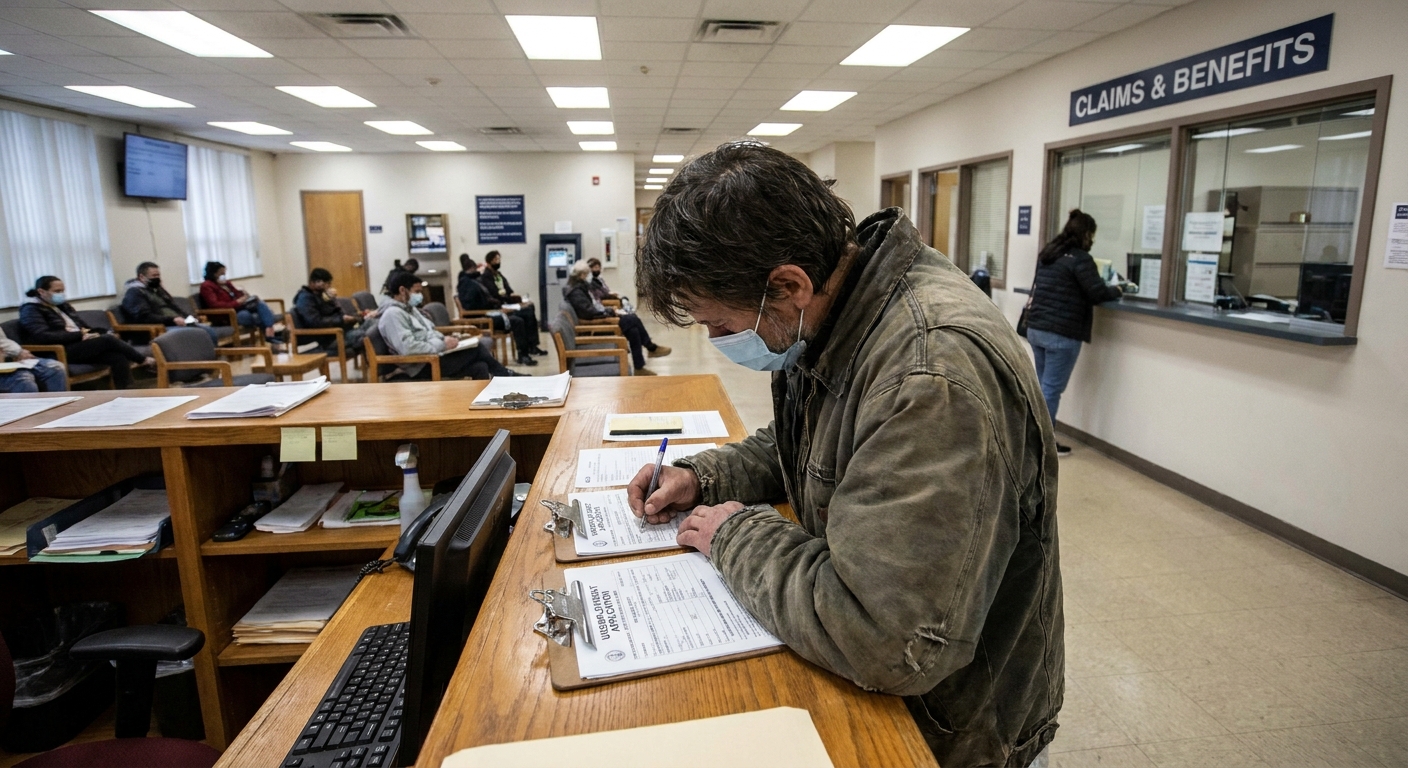
Yes, unemployment benefits are taxable
In most cases, unemployment compensation is taxable income for federal income tax purposes. That includes:
- Regular state unemployment benefits
- Extended benefits
- Similar state-provided unemployment compensation
There have been temporary exceptions in the past. For example, there was a one-year federal exclusion for some taxpayers in 2020. But as a baseline today, you should plan as if unemployment is taxable unless a specific law says otherwise for a specific year.
Your state may also tax unemployment benefits. Some states fully tax them, some partially tax them, and some do not tax them at all. So you have two separate questions: what you owe federally, and what you owe where you live.
Each year you receive unemployment, you should receive or be able to access a Form 1099-G that reports the total benefits you were paid and any federal tax withheld, if you chose withholding.
Withholding is optional
When you start unemployment, you are typically offered the option to have federal income taxes withheld from each payment. In many programs, the federal withholding option is a flat percentage, commonly 10% where it is offered, but the details can vary by state and program.
Two important implications:
- If you do not opt in, nothing may be withheld. That means you are receiving benefits with no federal income tax pre-withheld.
- Even if you do opt in, a flat rate may not match your tax bracket. Depending on your total income for the year, 10% could be too little or occasionally more than you need.
This is the point where estimated taxes come into the picture. Estimated payments are a way to “self-withhold” during the year when no employer is doing it for you.
When estimated taxes may apply
You are more likely to need an estimated tax payment if all three of these are true:
- You received unemployment benefits during the year
- You had little or no federal withholding taken out of those benefits
- You do not have other withholding elsewhere that will cover the tax (for example, from a new job later in the year)
Estimated taxes are not specifically “because of unemployment.” They are because your total withholding and tax payments may not be enough to cover what you will owe for the year.
Two common warning signs
- You elected no withholding on unemployment. In that case, you may owe federal income tax on the amount that ends up being taxable after your deductions and credits are factored in.
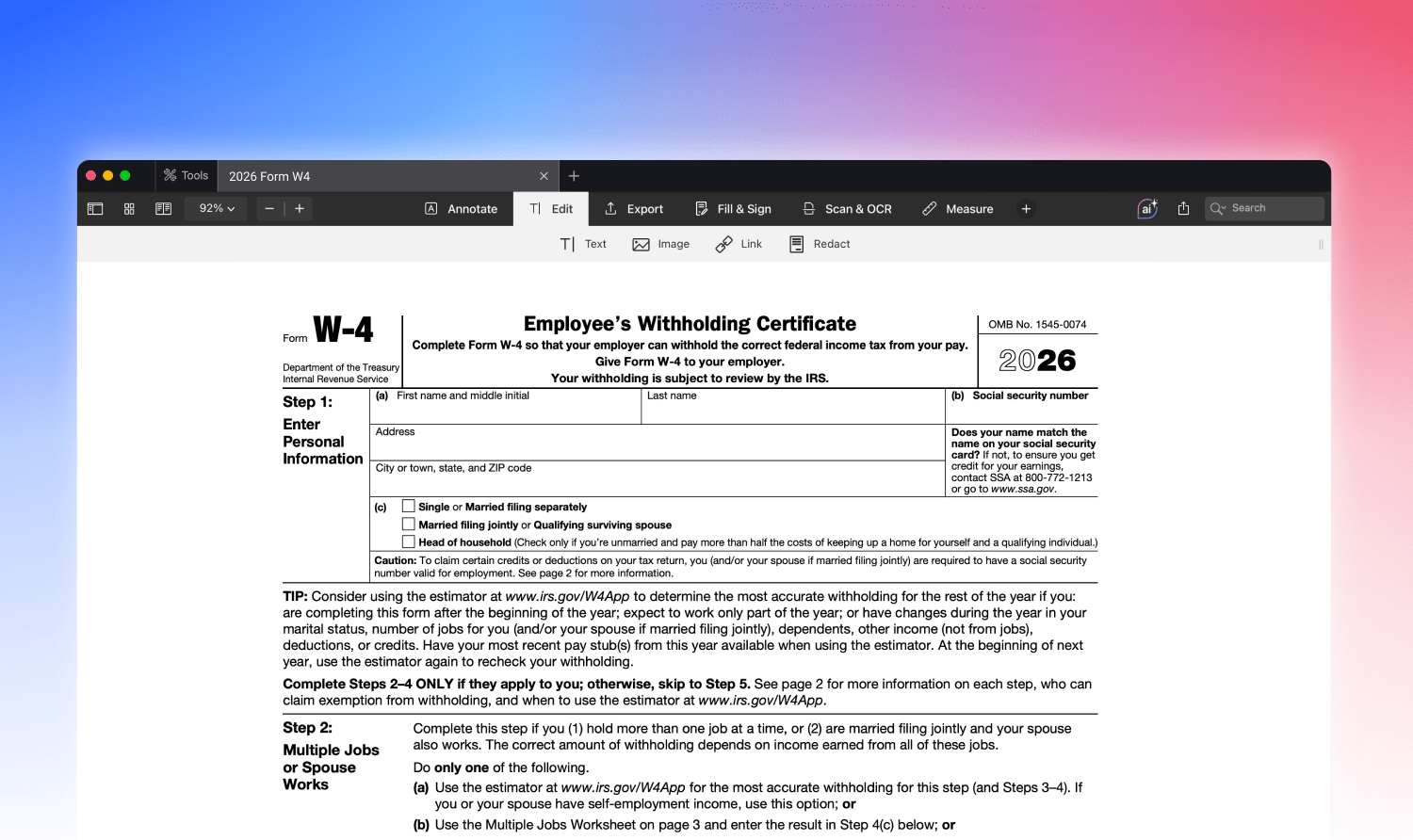
- You returned to work later, but your new paycheck withholding is not enough to cover the earlier gap. Withholding tables can under-withhold when you have earlier income with little or no withholding, or when your W-4 does not account for what happened earlier in the year.

A simple example
Let us use one straightforward scenario and keep it focused on how unemployment can create a gap.
Scenario: Maya receives unemployment for part of the year. She chooses no federal withholding on her unemployment checks. Later in the year, she returns to work and earns additional wages, which push her into a situation where part of the unemployment ends up effectively taxed at roughly 10% to 15% once her full-year income is tallied.
- Unemployment received (total for the year): $18,000
- Federal tax withheld on unemployment: $0
What happens at tax time? The $18,000 is generally included in her taxable income. The exact tax depends on her filing status, deductions, credits, and what else she earned. In this scenario, it would not be unusual for the federal tax tied to that unemployment to land in the roughly $1,800 to $2,700 range.
Important nuance: If unemployment is your only income for the year, the standard deduction and credits can significantly reduce your taxable income, sometimes to the point where your federal income tax on unemployment is minimal. The point of the example is to show how easy it is to owe when unemployment is stacked on top of other income or when your overall tax picture is tighter than you expected.
When would an estimated payment help? If Maya runs the numbers mid-year and sees that her unemployment benefits are likely creating a real tax bill, she can make an estimated payment to the IRS to reduce what she will owe at filing time and potentially reduce underpayment penalties.
A practical way to ballpark it: Many people start by setting aside 10% to 15% of unemployment benefits for federal taxes, then adjust once they have a clearer picture of total annual income, filing status, deductions, and credits. If your income is higher, you may need more.
How to decide what to pay
I like to keep this decision as simple as possible:
Step 1: Estimate your total year income
Add up what you reasonably expect to receive for the full year, including unemployment and any wages you may earn later in the year.
Step 2: Estimate your total year withholding
Include any withholding you already had, plus any withholding you expect for the rest of the year. If the only income you have is unemployment and you did not elect withholding, this number may be zero.
Step 3: Check if you are likely to owe $1,000+
A common rule of thumb is this: if you expect to owe $1,000 or more in federal tax after subtracting withholding and refundable credits, the IRS generally expects you to have paid in during the year through withholding, estimated taxes, or both.
On top of that, the IRS underpayment penalty system has “safe harbor” guidelines. Many filers aim to pay during the year at least:
- 90% of the current year tax, or
- 100% of the prior year tax (often 110% for higher-income filers)
You do not need to memorize those percentages. The point is that if you can get close to a safe harbor, you reduce your chances of a penalty and you avoid a painful filing-season surprise.
If you want a structured walk-through of estimated taxes broadly, see the BizWoven guide “Quarterly Estimated Taxes Explained: Who Must Pay and How Much to Set Aside,” which breaks the topic down step by step.
How to pay estimated tax
If you decide an estimated payment makes sense, you generally have two options:
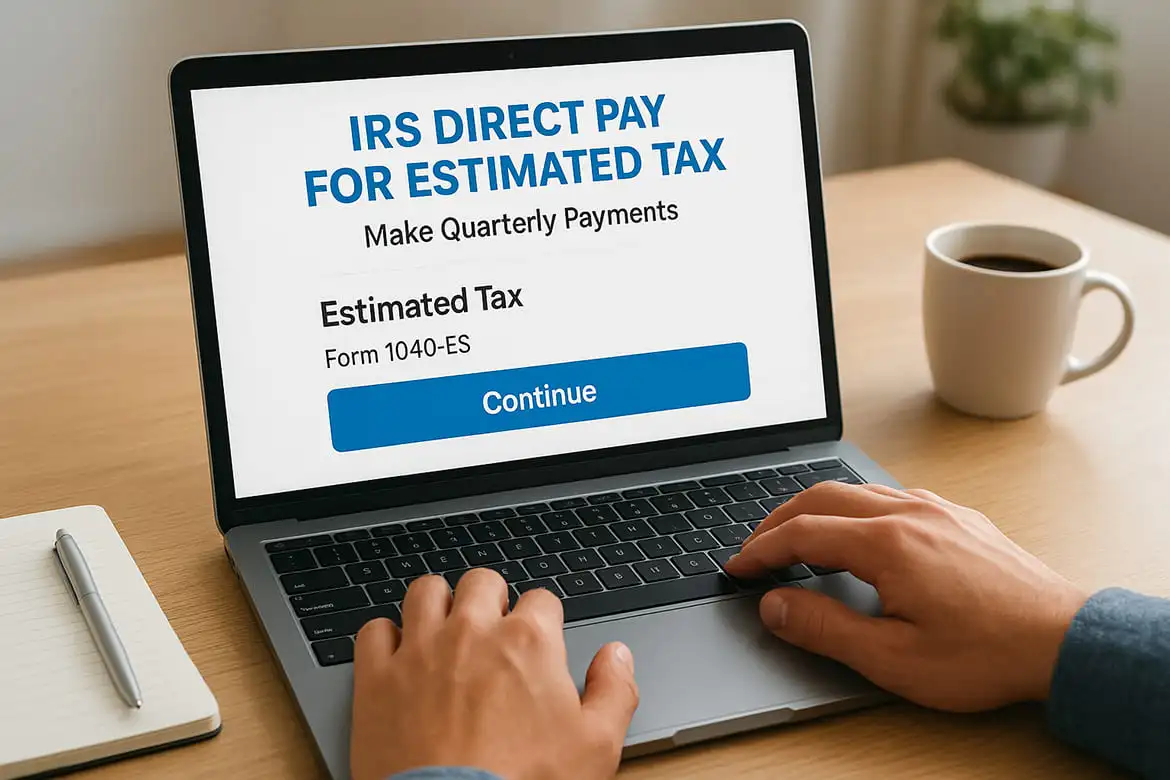
- Pay online through the IRS payment systems. IRS Direct Pay (from a bank account) is a common choice. EFTPS is another option some filers use.
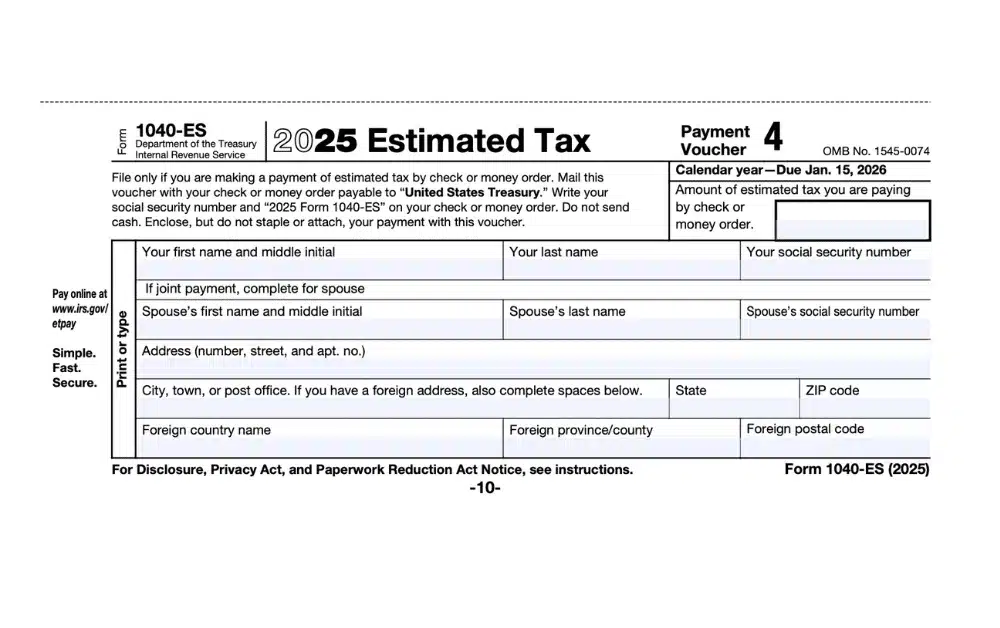
- Mail a payment with the appropriate voucher.
Estimated taxes are typically due four times per year, and the due dates are not evenly spaced. Your payment timing is based on what you have earned and paid in so far. If you start unemployment mid-year, you are not paying estimates for months before you had that income, but you still may need to catch up based on your year-to-date situation to stay on track and reduce penalty risk.
One more planning trick that helps: if you return to work, you can sometimes close the gap by adjusting withholding on wages. For federal underpayment penalty purposes, withholding is generally treated as if it was paid evenly throughout the year, which can make it a flexible way to avoid underpayment issues.

State taxes
Even if you feel confident about your federal plan, check your state rules. Some states offer state withholding on unemployment benefits, and some do not. Some states tax unemployment, and some do not.
A quick starting point is your state unemployment agency website or your state department of revenue website. If you want something actionable, search your state site for “unemployment compensation tax” or check your state return instructions. If your state taxes unemployment and you had no withholding, you may need to plan for a state balance due as well.
FAQ
If I choose 10% withholding on unemployment, am I covered?
Not necessarily. A flat 10% may be enough for some taxpayers, but too low for others depending on total income and your tax situation. The goal is to have enough paid in through withholding and any estimated payments to cover what you owe for the year.
Do I have to pay estimated tax just because I got a 1099-G?
No. The 1099-G is an information form that reports what you received. Whether you need estimated payments depends on whether your total tax paid in during the year is enough.
Can I avoid estimated payments by increasing withholding later?
Often, yes. If you return to work and can increase withholding from wages enough to cover the gap, that can be an easier solution than making separate estimated payments. It can also help with penalty risk because withholding is generally treated as paid evenly throughout the year for federal underpayment penalty purposes.
What if I cannot afford estimated payments right now?
You are not alone. If cash is tight, focus on (1) electing withholding on future unemployment checks if available and (2) setting aside what you can so filing season is less painful. If you do end up owing at tax time, the IRS typically offers payment plan options.
The bottom line
Unemployment benefits can absolutely create a tax bill, especially when no withholding is taken out. If you received benefits for part of the year and you do not have other withholding covering the taxes, an estimated payment can prevent a nasty surprise at filing time.
If you want the most confidence with the least stress, do one thing this week: pull your year-to-date unemployment total, check whether any federal tax has been withheld, and run a quick estimate of what you will owe. A small course correction now is usually far easier than a scramble later.