When I sit down with a founder or a self-employed professional to estimate taxes, the biggest “wait, what?” moment often isn’t the federal QBI deduction itself. It’s the next sentence: your state may ignore it.
The Qualified Business Income deduction (Section 199A) is a federal tax rule. States are not required to copy it, and some do not. That means your federal return can show a shiny 20% deduction while your state return either requires an add-back or provides no subtraction or deduction at all.

Do states have to allow QBI?
No. States do not have to allow the federal Qualified Business Income (QBI) deduction under Section 199A.
Here is the key idea: each state decides how closely it will “conform” to the Internal Revenue Code. Many states start their calculations from a specific federal line item (often federal AGI or federal taxable income) and then require state-specific additions and subtractions. But there are important exceptions, including states with no broad individual income tax, states with separate tax bases, and states that use their own income definitions.
Depending on your state’s starting point and its modifications, the federal QBI deduction may flow through, be effectively ignored, or be reversed.
So the right question is not “Do I qualify for QBI federally?” It is also “What number does my state use as the starting point, and does my state require a modification related to 199A?”
Why state QBI rules vary
States generally use one of these approaches:
- Rolling conformity: The state automatically conforms to the current Internal Revenue Code (with exceptions). QBI is more likely to flow through, but exceptions are common.
- Static conformity: The state conforms to the Internal Revenue Code as of a specific date. If the conformity date predates Section 199A, the state might not recognize the deduction unless it later updated its rules.
- Selective conformity: The state picks and chooses federal provisions. A state can conform to many federal income rules and still decouple from 199A.
Also, state conformity can differ depending on who is filing. An individual owner, a partnership, and an S corporation owner may each encounter different forms, add-back mechanics, or pass-through entity tax (PTET) interactions.
Where your state starts
To understand whether your state allows the QBI deduction, identify the starting point on your state return. Many states begin with one of these:
- Federal adjusted gross income (federal AGI)
- Federal taxable income
This matters because Section 199A is a below-the-line deduction that reduces federal taxable income, not AGI.
If your state starts with federal AGI
In many cases, a state that starts with federal AGI will not automatically give you the QBI deduction because QBI happens after AGI on the federal return. For these states, QBI only helps at the state level if the state created its own deduction or subtraction that mirrors 199A.
If your state starts with federal taxable income
If your state starts with federal taxable income, QBI can appear to flow through naturally. But do not stop there. Some states that start with federal taxable income still require an addition modification (an add-back) for the 199A deduction, which effectively cancels it out for state purposes.
Common QBI patterns
While every state is its own world, most state treatment of QBI falls into a few recognizable patterns.
1) QBI flows through
You may be in this bucket if your state starts with federal taxable income (or a closely related federal base) and there is no add-back for Section 199A.
2) State has its own pass-through break
Some states offer a state-level pass-through deduction, exemption, or credit that can reduce state tax on business income, but it is not the federal QBI deduction and it does not necessarily follow federal 199A rules.
3) State disallows QBI (explicit add-back)
Some states require you to add back the federal QBI deduction as an “addition” on the state return. If you see instructions that say “add back amount deducted under IRC Section 199A” (or similar), this is the state telling you: nice federal deduction, but not here.
4) State starts with AGI or a separate base (no 199A subtraction)
Other states never mention QBI at all because their system starts with federal AGI or uses a separate tax base, and they provide no corresponding subtraction. The result is the same: no state benefit from 199A, even though nothing is literally “added back.”
Real state examples
These examples are meant to be checkable. Always confirm with the specific year’s form instructions because states change conformity and modifications over time.
Colorado (often flows through)
Colorado’s individual income tax generally starts with federal taxable income. Because QBI is a federal deduction that reduces federal taxable income, it will often flow through for Colorado purposes.
That said, you still want to confirm year-specific Colorado additions and subtractions. Even in a “flow-through” state, other Colorado modifications can change the final result for your situation.
Where to verify: Colorado DR 0104 instructions (confirm the starting point and review the additions and subtractions for any year-specific adjustment tied to Section 199A).
Minnesota (can require a 199A add-back)
Minnesota is a good example of why “starts with federal taxable income” is not the end of the story. Minnesota’s individual income tax computation begins with federal taxable income, but depending on the year, Minnesota has required an addition that adds back the federal Section 199A deduction when the state does not allow it.
Where to verify: Minnesota Form M1 instructions and Schedule M1M (use your PDF search for “199A” and “qualified business income” and look for an addition line that requires adding back the federal deduction amount for the year you are filing).
Wisconsin (state-level pass-through break, not 199A)
Wisconsin is a good example of pattern #2. Wisconsin has offered a state-level deduction related to pass-through business income that is separate from the federal Section 199A deduction and operates under Wisconsin-specific rules.
Where to verify: Wisconsin Form 1 instructions and the relevant Wisconsin pass-through business deduction instructions (use your PDF search for “pass-through” and “deduction” in the current-year instructions, then follow the worksheet or schedule references).
California (no 199A deduction)
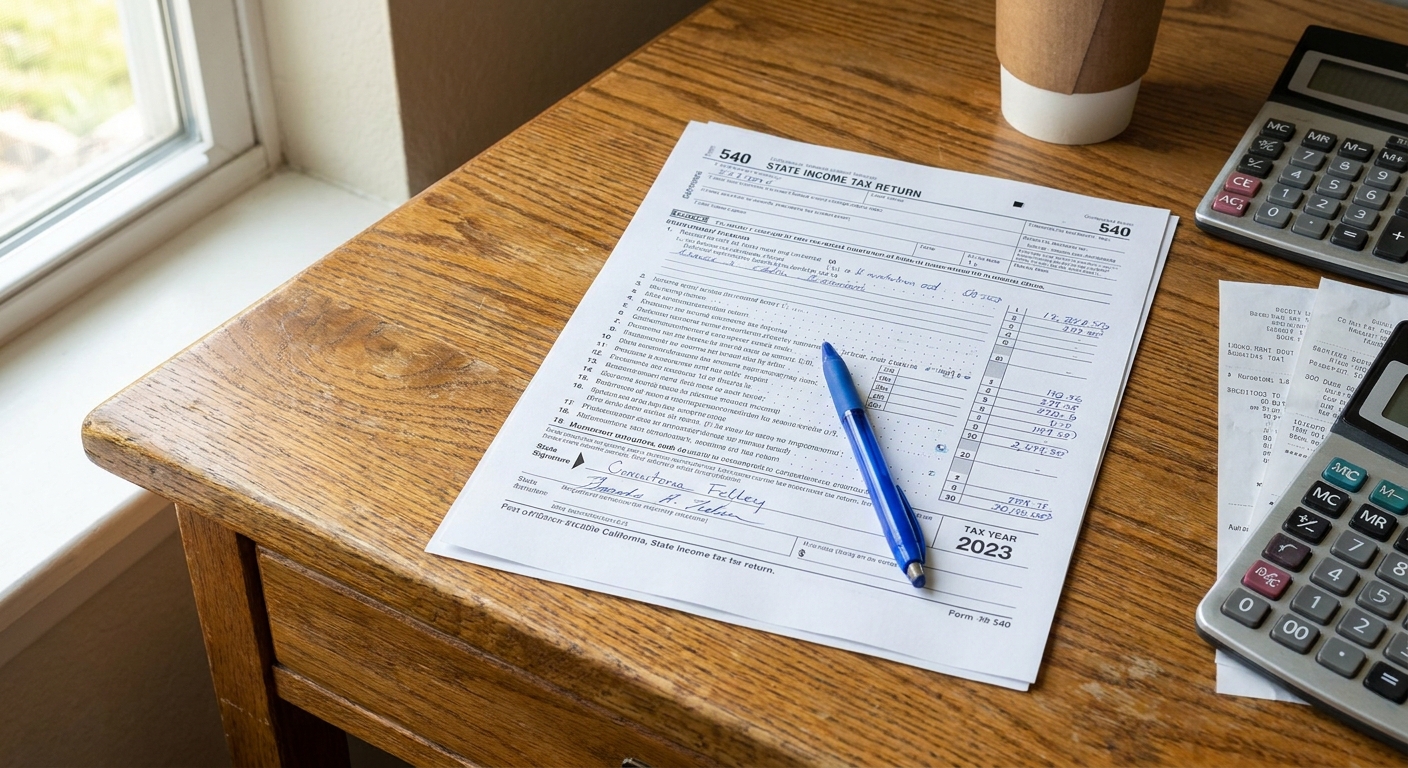
California personal income tax generally starts from federal AGI and then applies California-specific adjustments to reach California taxable income. California also does not conform to IRC Section 199A for a personal income tax deduction. Practically, that means most California pass-through owners do not see a separate California deduction that mirrors federal QBI.
Where to verify: California 540 instructions (look for California’s conformity discussion and the absence of a 199A subtraction or deduction line).
New Jersey (no 199A deduction)
New Jersey’s Gross Income Tax uses its own income categories and does not compute tax starting from federal taxable income the way many states do. As a result, the federal Section 199A deduction generally does not translate into a New Jersey deduction on the resident return.
Where to verify: NJ-1040 instructions (review how New Jersey defines income and deductions, and look for any mention of 199A or a related subtraction).
New York (generally no separate 199A deduction)
New York resident tax begins with federal AGI on Form IT-201. Because QBI is a deduction that reduces federal taxable income after AGI, it typically does not show up as an automatic New York deduction unless New York provides a specific modification, which is why you check the modification schedules each year.
New York also has PTET elections and credits that can change the overall state tax picture for pass-through owners, even though that is a different mechanism than 199A.
Where to verify: IT-201 (starting point) and the resident modifications schedules and instructions (use your PDF search for “199A”).
Pennsylvania (different tax base, no 199A deduction)
Pennsylvania personal income tax is category-based and does not use federal taxable income as the foundation. Because of that structure, federal below-the-line deductions like Section 199A generally do not apply on the PA personal income tax return.
Where to verify: PA-40 instructions (review how Pennsylvania defines taxable income by class and compare to the federal taxable income concept).
If you want the fastest answer for your state, identify the starting line on the main return and then use your PDF search in the instructions for “199A” and “qualified business income.” That gets you to the truth faster than internet lists because states sometimes bury the rule under “Other additions” or “Other deductions” with the explanation living in the instructions.

How to check your state return
If you do one thing after reading this, do this: find the line on your state return that tells you what federal number the state starts with, then scan the additions and subtractions schedule for anything referencing Section 199A.
Here is a simple step-by-step process you can use with almost any state.
Step 1: Find the starting line
Open your state individual income tax form (or the main worksheet in your software) and look for a line that says something like:
- “Federal adjusted gross income”
- “Federal taxable income”
- “Federal income”
Write it down. This is your starting point.
Step 2: Check whether that number includes QBI
- Federal AGI: QBI is not included.
- Federal taxable income: QBI generally is included, unless the state asks you to back it out through an addition modification.
Step 3: Check modifications, not just one line
Most state returns have a separate schedule for modifications. Search within the form instructions and worksheets for:
- “199A”
- “qualified business income”
- “QBI”
- “pass-through deduction”
This matters because not every state labels it cleanly as “IRC 199A” on the face of the form. Sometimes it is buried under “Other additions” with the explanation in the instructions.
Step 4: Confirm using current-year instructions
I like tax software, but I do not like surprises. Software can obscure what is happening because it shows you a final state tax number without clearly signaling that a federal deduction was ignored or reversed.
State conformity dates and add-back rules can change, so confirm using the current-year state instructions. They will often spell it out in plain terms such as “Section 199A deduction not allowed” or “add back amount deducted under IRC Section 199A.”
A quick example
Suppose you have $200,000 of qualified business income and you qualify for the full federal QBI deduction. Your federal QBI deduction might be $40,000, reducing your federal taxable income.
This is a simplified example. In real life, the QBI amount can be limited by taxable income, W-2 wage and qualified property limits, and (for certain service businesses) phaseouts.
If your state:
- Starts with federal AGI: your state taxable base may not reflect that $40,000 reduction at all.
- Starts with federal taxable income but requires a 199A add-back: you might start lower, then add $40,000 back on an additions schedule.
- Starts with federal taxable income and does not require an add-back: you may get the state benefit, subject to other state adjustments.
Same business. Same federal eligibility. Different state outcomes.
Quick reminders
- C corporations: Section 199A generally does not apply to C corporations. It is primarily a deduction for owners of pass-through businesses and certain other items on individual returns.
- Local income taxes: Some places have separate city or local filings. Those often have their own starting points and may not track the state rules cleanly.
- Nonresident and part-year returns: Your state taxable income may be apportioned or allocated, which can change what “benefit” even means in practice.
- PTET elections: A pass-through entity tax election can change the mix of entity-level and owner-level tax calculations, and it can affect how you think about deductions and credits at the state level.
What this means for estimates
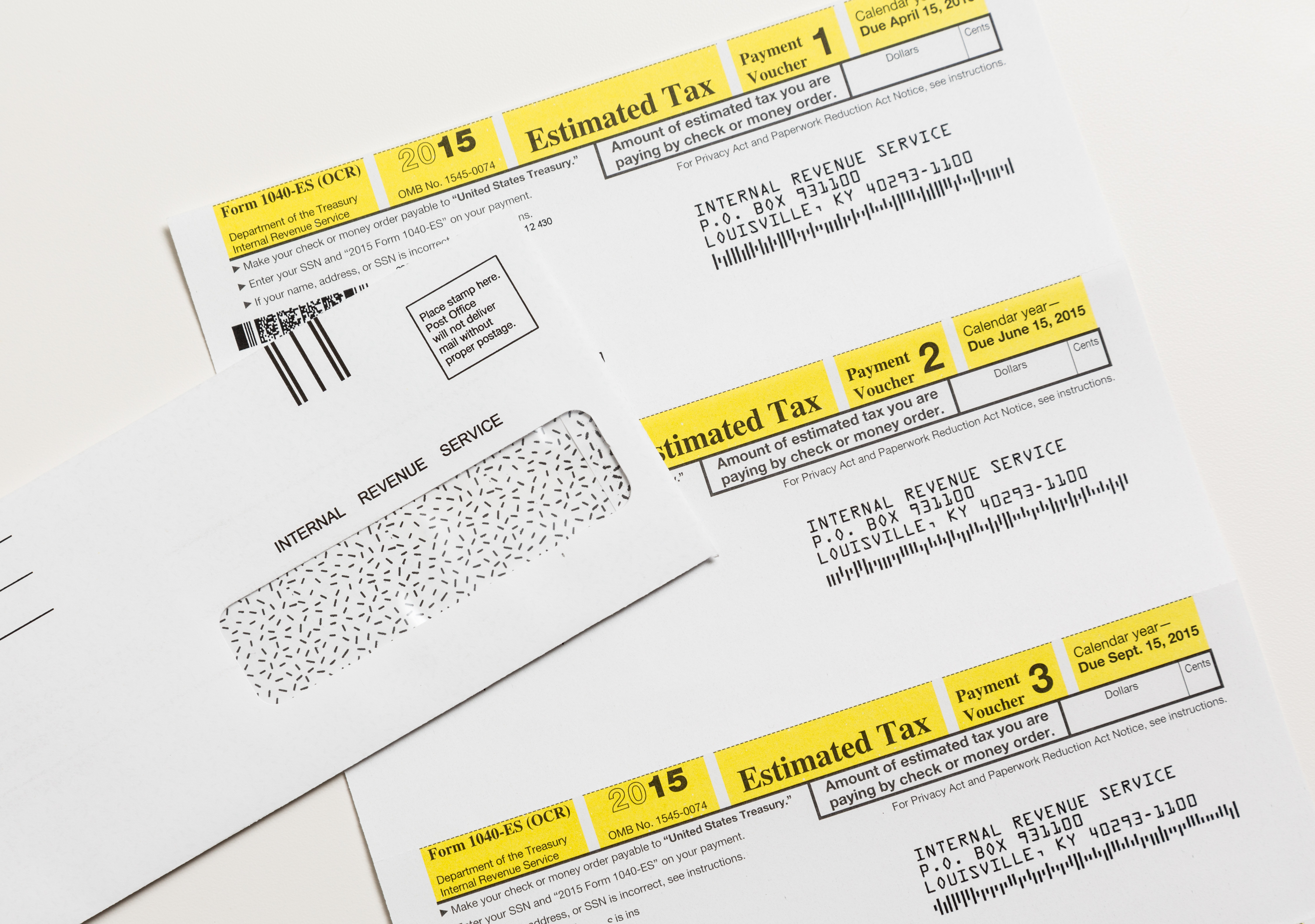
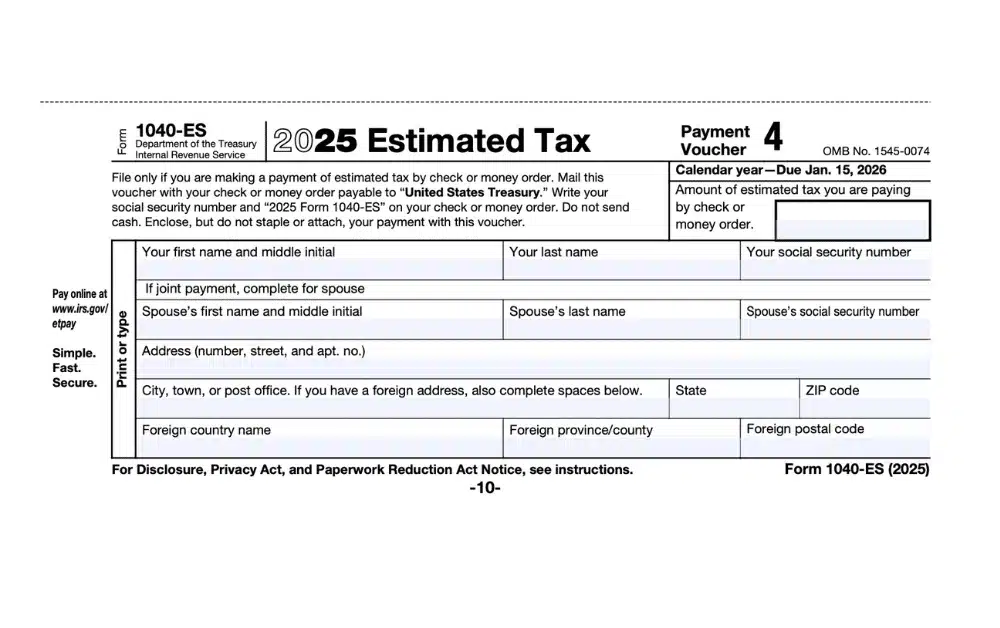
For entrepreneurs, the biggest risk is underpaying state estimated taxes because you assumed your state would mirror your federal QBI deduction.
If your state does not allow QBI, your state taxable income could be meaningfully higher than what you expected, especially for high-margin service businesses (consulting, agencies, creators, medical and legal practices) where QBI is often significant.
If you make quarterly estimated payments, consider doing two parallel calculations:
- Federal estimate including QBI
- State estimate based on the state’s starting point and modifications, which may exclude QBI
FAQ
Is the QBI deduction federal only?
Yes. Section 199A is a federal deduction. States can choose to conform to it, partially conform, or decouple entirely.
If my state starts with federal taxable income, does that guarantee I get QBI on my state return?
No. A state can start with federal taxable income and still require a specific add-back for the Section 199A deduction.
If my state starts with federal AGI, does that mean QBI is never allowed?
Not necessarily, but it often means QBI does not flow through automatically. You would need to see whether the state offers its own subtraction or pass-through deduction that mimics 199A.
Where will I see a QBI add-back on the state return?
Typically on a schedule labeled “additions,” “modifications,” or “adjustments.” Sometimes it is a named line for “199A.” Other times it is included under “Other additions” with details in the instructions. Search the instructions for “199A,” “qualified business income,” and “QBI.”
Should I ask my CPA or trust my software?
If your income is material or your cash flow is tight, it is worth asking. Even if you self-file, verify the state treatment by checking the state form starting point and the additions and subtractions instructions.
The takeaway
The federal QBI deduction can be a meaningful tax break, but it is not a guaranteed state tax break. The safest habit is to treat your state return as its own system:
- Confirm whether your state starts with federal AGI, federal taxable income, or a separate tax base.
- Scan the additions and subtractions schedules and instructions for Section 199A language.
- Adjust state estimated tax payments based on the state rules, not the federal outcome.
Important: This article is for general educational purposes and is not tax advice. State rules are fact-specific and can change by tax year. If the dollars are meaningful, review the current-year state instructions or work with a qualified tax professional before you set your estimates.