One of the most confusing, gut-punch moments for homeowners happens when they are doing “everything right” on one bill, and still losing the house. I grew up watching my parents juggle seasonal cash flow in a business where timing mattered more than effort. That same reality shows up in household finances too: you can be current on your HELOC and still face foreclosure if the first mortgage goes off track.
So what happens to your HELOC if the first mortgage lender forecloses? In most cases, the HELOC lien is eliminated in the foreclosure, but the HELOC debt may not disappear. Those are two different things, and that distinction is where most of the stress and surprises live.
This is general information, not legal advice. Foreclosure and collection rules are intensely state-specific.
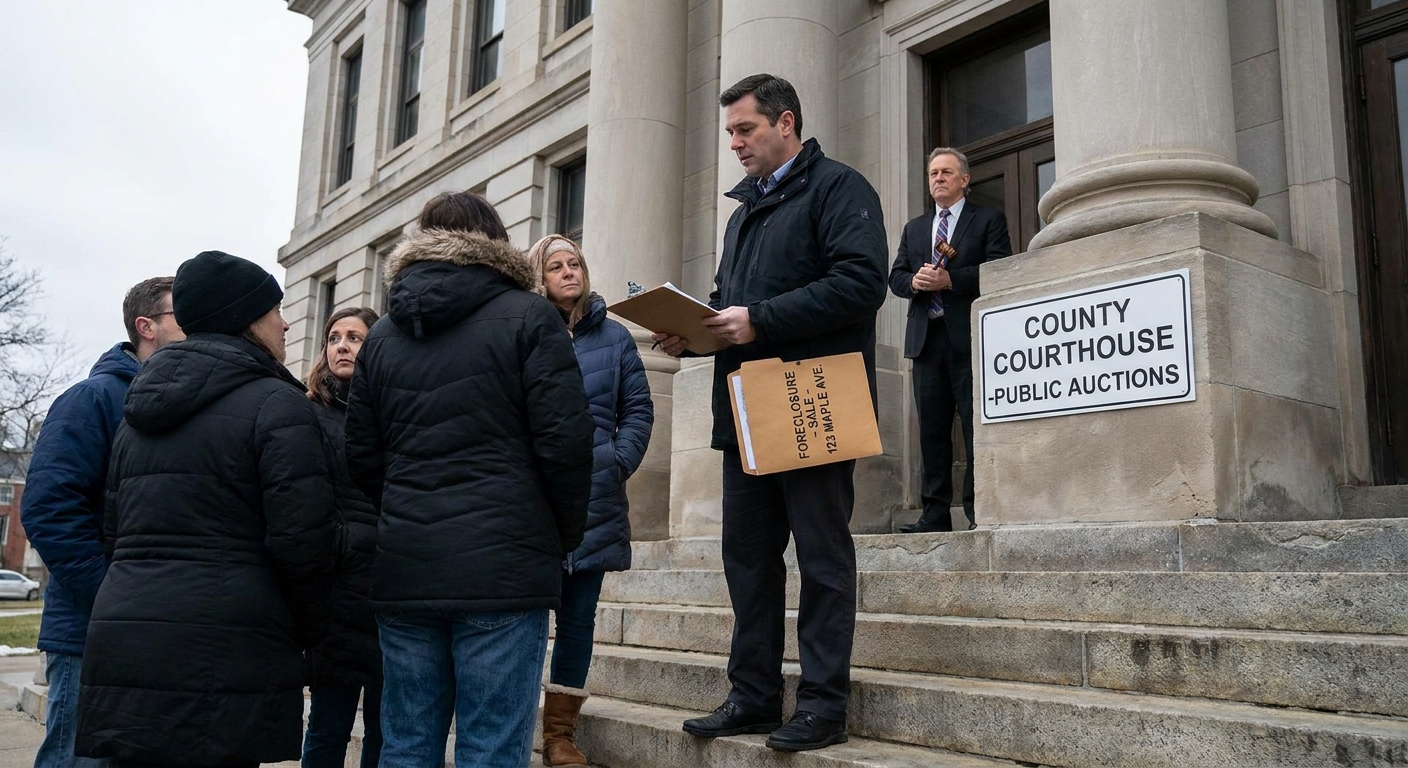
Start with the basics: priority
A HELOC is typically a junior lien on your home, recorded after the first-lien mortgage. Lien priority is essentially the order in line for who gets paid from the home’s value.
Two important caveats before we go further:
- Priority is not automatic. Most HELOCs are junior, but priority can change if there is a subordination agreement, unusual recording issues, or state-specific rules (including rules for “future advances” on a line of credit).
- Taxes and some HOA claims can cut the line. Property taxes are often senior. And in some states, an HOA or condo association lien can have a “superpriority” component that affects who gets paid and what survives.
In a foreclosure by the first mortgage lender, assuming the first mortgage is senior:
- The foreclosure sale proceeds pay the foreclosing first mortgage first (plus allowable costs).
- Only if there is money left over does it flow to junior liens, like a HELOC.
- If there is no surplus, junior lienholders typically receive nothing from the sale.
Because home values and balances often do not leave extra room, this is why junior liens so often get eliminated from the property after a first-mortgage foreclosure.
The key question: is the HELOC eliminated?
Most of the time, yes, the HELOC lien is eliminated by a completed foreclosure on a senior first mortgage, as long as:
- the HELOC was actually junior to the foreclosing loan,
- the HELOC lender was properly named and properly notified, and
- the foreclosure followed your state’s required procedures.
What “eliminated” means in plain English:
- The HELOC lender no longer has a lien attached to the house.
- The buyer at the foreclosure sale (often the bank, sometimes a third party) typically takes title free of that HELOC lien.
But here is the part that trips people up: eliminating the lien is not always the same as eliminating the debt.
Lien vs. note
A HELOC has two layers:
- The note: your promise to repay the money you borrowed.
- The lien: the lender’s right to use the home as collateral if you do not pay.
A first-mortgage foreclosure can remove the HELOC lien from the property. But the HELOC lender may still argue you owe the money under the note, depending on state law, your contract terms, and what happened in the foreclosure.
One more nuance: if a junior lienholder is not properly notified or included in the foreclosure process, the lien may not be eliminated. That is fact-specific and worth legal review.
A common scenario: current on the HELOC, behind on the first
Let’s use a simple example I see a lot.
Borrower situation: Maria has a first mortgage and a HELOC. She falls behind on the first mortgage after a job disruption. She stays current on the HELOC because that payment is smaller and she wants to “protect her credit.” The first-mortgage lender starts foreclosure.
Here is what often happens next:
- The HELOC lender gets notice of the foreclosure (because it is recorded as a junior lienholder).
- Maria may keep paying the HELOC for a while, but those payments do not stop the first mortgage foreclosure.
- If the foreclosure completes and there is no surplus after paying the first mortgage and costs, the HELOC lien is typically eliminated.
- Afterward, Maria may still receive letters or calls about the remaining HELOC balance.
This is why I rarely frame the decision as “Do I want to pay the HELOC?”
I frame it as “What outcome am I trying to create, and what is the cheapest path to that outcome?” Continuing to pay a HELOC on a home you are about to lose can be emotionally understandable. It can also be financially harmful if it drains cash you could have used to stop the first-mortgage foreclosure, fund a move, or negotiate a dignified exit.
Does the HELOC get paid at the sale?
Only if the sale generates surplus proceeds after:
- the first mortgage balance,
- foreclosure fees and costs allowed by state law, and
- any senior claims (like property taxes, and in some places certain HOA amounts).
If surplus exists, it typically gets distributed to junior lienholders in priority order. In many foreclosures, there is no surplus, especially if the property sells for less than the first mortgage balance.
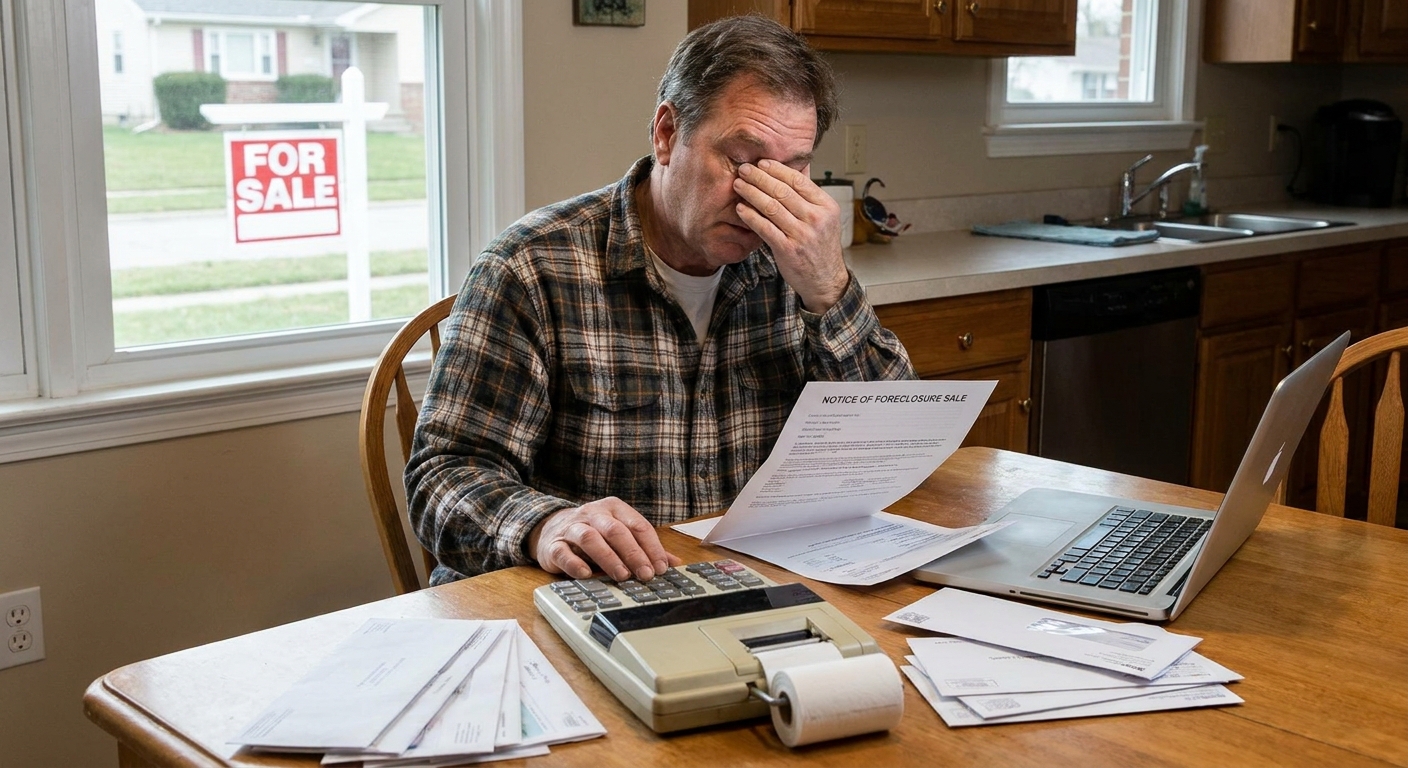
Can the HELOC lender still collect?
Possibly. This is the most important nuance on the page.
When the lien is eliminated, the HELOC may effectively become an unsecured debt, similar to a personal loan or a large credit card balance. Whether the lender can collect depends on several factors:
- State law (some states restrict collection or deficiency exposure in certain situations, but the rules vary widely).
- How the HELOC was originated and used (in some states, anti-deficiency protections can depend on whether a loan is “purchase money,” how it was structured, and how the foreclosure happened).
- Whether the HELOC lender chooses to pursue collection (policy and economics matter).
- Statute of limitations for suing on the note.
Deficiency vs. HELOC balance
People often use “deficiency” loosely. Technically, a deficiency judgment is a court judgment for the gap between what a debt is owed and what a foreclosure sale brought in.
While deficiency conversations often focus on the foreclosing loan, they are not limited to first mortgages. A junior lienholder can sometimes pursue the borrower for what is owed on the note after its lien is eliminated, depending on state law and procedure. Functionally, it can feel the same: you lost the house and you still have a big balance to deal with.
What notices you might see
Even if you are current on the HELOC, you might start seeing new mail once the first mortgage foreclosure begins. Common communications include:
- Notice that the lender is aware of the foreclosure (sometimes a generic letter).
- Request for information (varies by servicer and state).
- Collateral status updates if they monitor loan-to-value risk.
- Freeze or suspension of further HELOC draws. Many HELOC contracts allow the bank to reduce or suspend the line under certain conditions.
- Demand letter after foreclosure stating the lien has been eliminated and the balance is due (wording varies).
Two practical takeaways:
- Open every letter, even if you are overwhelmed. Notices can include deadlines to dispute amounts or respond.
- Do not assume silence means you are safe. Collection activity can begin months later, sometimes after internal transfers or charge-off timelines.
Can the HELOC lender stop the foreclosure?
Not directly. The first mortgage lender controls the foreclosure on its own loan. But a junior lienholder like a HELOC lender sometimes has options, depending on state law and the numbers:
- Reinstatement or payoff to protect its position: The HELOC lender could theoretically pay what is needed to stop the foreclosure and protect its junior lien, but this is uncommon unless there is meaningful equity.
- Bidding at the foreclosure sale: The HELOC lender could bid at the sale. Again, more likely when there is equity or a strategic reason to own the property.
- Negotiation pressure: The existence of a HELOC can complicate a workout, short sale, or deed in lieu. It does not stop foreclosure by itself, but it can affect negotiations.
In most underwater situations, the HELOC lender’s economic reality is harsh: paying to protect a junior position on a property with little or no equity often does not pencil out.
Short sale or deed in lieu: what changes
Foreclosure is not the only exit path, and the HELOC dynamic can look different if you pursue a short sale or deed in lieu with the first-mortgage servicer.
- Short sale: Because you are selling the home, junior lienholders usually have to agree to release their liens for the sale to close. That often means negotiation. Sometimes the first-lien lender offers a small amount to junior lienholders. Sometimes the junior lienholder asks the borrower to contribute cash or sign a separate unsecured note.
- Deed in lieu: A first-lien lender generally wants clear title. If there is a HELOC lien, the first-lien lender may require the HELOC issue to be resolved first, or it may not accept a deed in lieu at all unless junior liens are released.
If you are trying to avoid foreclosure, this is one reason it helps to identify every lien early and understand who has to sign off.
Bankruptcy: a quick note
Bankruptcy can change the timeline and the leverage, and in some cases it can eliminate personal liability for certain debts even if liens remain. Very generally:
- Chapter 7 can sometimes discharge unsecured debts, which may include a HELOC balance after the lien is eliminated, depending on the facts.
- Chapter 13 can create a structured repayment plan and may allow certain lien treatment in limited situations, depending on local rules and the loan’s status.
This is an area where getting advice from a qualified bankruptcy attorney can be worth it, especially if you have multiple debts and a looming sale date.
What to do if you’re current on the HELOC
If you are in this exact situation, focus less on “being current” in a moral sense and more on building the best outcome with the cash, time, and credit runway you have.
1) Confirm the foreclosure process
Find out whether the foreclosure is judicial or nonjudicial in your state. This affects timelines, notices, and leverage. If you have a foreclosure case number or a trustee sale date, you can often confirm the process quickly with a housing counselor or attorney.
2) Ask the first-mortgage servicer about loss mitigation
- loan modification
- repayment plan
- forbearance (temporary)
- short sale
- deed in lieu
These options have trade-offs, but the first mortgage is the steering wheel here.
3) Re-check whether the HELOC payment is your best use of cash
If you are trying to save the home, cash may be better used toward:
- reinstating the first mortgage,
- funding legal advice,
- relocation costs, or
- building an emergency reserve.
This is not permission to default casually. It is a reminder to prioritize the obligation that controls whether you keep the house.
4) Get a written payoff and your HELOC agreement
Know what you owe, your rate terms, and whether the bank can freeze draws. If foreclosure completes, you want clean documentation of the balance and any fees.
5) Talk to a HUD-approved housing counselor and consider an attorney
Foreclosure and collection rules are state-specific, and the stakes are too high for guesswork. A reputable housing counselor can help you organize paperwork and communicate with servicers. An attorney can advise on defense, timelines, notice issues, and collection exposure.
After the foreclosure: balance and credit
HELOC balance
If the HELOC lien is eliminated, you may still see:
- collection letters,
- settlement offers (lump sum or payment plan),
- a lawsuit to collect on the note (less common in some markets, more common in others), or
- eventual charge-off and potential sale to a debt buyer.
Whether you can negotiate depends on income, assets, and how aggressive the lender is. If you are dealing with multiple debts, it can be worth getting advice before you agree to a plan that crowds out necessities.
Credit reporting
A foreclosure on the first mortgage is a major derogatory event. The HELOC, if you stayed current, might have been helping your score, but it usually cannot offset the foreclosure damage.
Also, if you stop paying the HELOC at some point, you may see late payments and charge-off reporting there too. This is another reason it is important to make a plan, not just react month to month.

FAQ
If I keep paying my HELOC, can I prevent foreclosure by the first mortgage?
No. Paying the HELOC does not cure a default on the first mortgage. They are separate loans with separate enforcement rights.
If the first mortgage forecloses, is my HELOC automatically forgiven?
Not automatically. The HELOC lien is often eliminated from the property, but the lender may still attempt to collect the balance under the HELOC note, depending on state law and the facts of your loan.
Will the HELOC lender freeze my line if I’m in foreclosure on the first?
Many lenders can suspend or reduce HELOC access if they believe their collateral position is impaired. Even if your payment history is perfect, you may lose the ability to draw more.
Do HELOC lenders get notified of the foreclosure?
Typically yes, because junior liens are recorded and must be addressed in the foreclosure process. If a junior lienholder is not properly notified, it can create complications, but that is fact-specific and requires legal review.
If the foreclosure sale price is high, can my HELOC get paid off?
Yes, if there are surplus proceeds after paying the first mortgage and allowed costs. Surplus distribution is governed by state law and lien priority.
The bottom line
When a senior first mortgage forecloses, a HELOC that is junior to it is usually eliminated from the property, meaning the buyer does not take the home subject to that HELOC lien. But the HELOC balance may still survive as a debt, and the lender may try to collect even though the house is gone.
If you are current on your HELOC but in foreclosure on your first, step back and make decisions based on the outcome you need most: keeping the home if it is feasible, or exiting as safely as possible if it is not. In either case, get state-specific guidance early. In foreclosure, time is not just money. Time is options.