I grew up watching my parents juggle payroll, seasonal labor, and tax deadlines in our family business, so I have a soft spot for anyone who hires help at home and then finds out there is a whole mini payroll tax system attached. If you employ a nanny, the key question is not just what you owe, but how and when you pay it so tax season does not turn into an expensive surprise.

Here is the headline: most household employers do not file separate federal quarterly payroll tax returns like a business might. Instead, you typically calculate household employment taxes on Schedule H and pay them with your Form 1040.
But there is an important twist: even though the reporting is usually annual, your tax liability accrues as you pay wages. If you do not pay in enough during the year through withholding or estimates, you can end up with an underpayment penalty. That is why some families choose to prepay by boosting withholding or making quarterly estimated payments.
Also, federal is only half the story. Some states require quarterly unemployment wage reports or other filings for household employers, even when the IRS does not. And depending on where you live, state obligations can include more than unemployment.
First, a quick map of nanny taxes
When you pay a nanny as a household employee (typically a W-2 situation), you may be responsible for:
- Social Security and Medicare taxes (FICA): generally triggered once you pay a household employee at least the annual cash-wage threshold set by the IRS for that year.
- Federal unemployment tax (FUTA): generally triggered once you pay $1,000 or more in total cash wages to all household employees in any calendar quarter (this is per household per quarter, not per employee).
- Federal income tax withholding: optional for household employees, but you can do it if you and your nanny agree.
Two clarifiers that trip people up:
- The thresholds apply to cash wages (generally pay you give in cash, check, direct deposit). Some noncash benefits are treated differently.
- Household employment taxes are usually reported annually on Schedule H and paid with your 1040. “Quarterly” is about how you choose to prepay the tax, not a separate federal household payroll filing requirement for most families.
Quick accuracy note: thresholds change over time. If you want a sure number for your year, check the IRS household employer guidance (Publication 926) for the current threshold.
Do you need to pay quarterly?
Most families do not have a federal requirement to file quarterly payroll returns for a nanny. The real question is whether you need to prepay during the year via withholding or estimated payments so you do not underpay.
- Schedule H calculates the household employment tax.
- Your Form 1040 is where it gets paid.
- Withholding and estimated payments are how you can prepay it.
If your regular paycheck withholding (from your job) is already high enough, you might be able to pay the added Schedule H tax when you file and still avoid penalties. If not, you will usually want to move some of that payment into the year.
A simple safe harbor
I will keep this high level, because it gets technical quickly, but here is the practical idea: the IRS generally waives underpayment penalties if you pay in enough during the year to meet a safe harbor. Safe harbor helps you avoid the penalty, but it does not make the tax go away.
A common safe harbor is paying at least:
- 90% of your current-year total tax, or
- 100% of your prior-year total tax (often 110% if your prior-year AGI was above certain thresholds, depending on filing status).
If adding a nanny makes you miss that target, that is when extra withholding or estimated payments usually starts to matter.
Thresholds that trigger taxes
FICA threshold
FICA usually kicks in once you pay a household employee at least the annual cash-wage threshold set for that year. IRS guidance changes over time, so treat any specific number as year-specific and confirm it in Publication 926.
One point that surprises people: once you meet the threshold for the year, Social Security and Medicare taxes generally apply to all cash wages you paid that employee in that calendar year, not just the dollars above the threshold.
FUTA threshold
You generally owe FUTA if you pay $1,000 or more in total cash wages to all household employees in any calendar quarter (again, per household per quarter, not per employee).

State obligations are also often in play for household employers. Many states require unemployment registration, unemployment tax payments, and in some cases quarterly wage reports. Some states also have state income tax withholding, disability insurance, or paid family leave contributions that can apply to household employment. Treat state setup as its own checklist item and confirm the rules where you live.
Example: crossing the threshold midyear
Let’s use a realistic scenario I see a lot: summer childcare that turns into a school-year arrangement.
The setup
- You hire a nanny starting May 1.
- You pay $700 per week by direct deposit.
- You do not withhold federal income tax for the nanny (optional), but you do plan to handle employer taxes correctly.
What happens in Q2
Because May and June fall in Q2, your Q2 wages add up fast. At $700 per week, you will exceed $1,000 in that quarter very early.
Result: You likely trigger FUTA in Q2 because you paid $1,000 or more in total cash wages in a calendar quarter.
When you cross the FICA threshold
At $700 per week, you will likely reach the annual FICA cash-wage threshold within the first several weeks. (The exact threshold depends on the tax year, so confirm it in Publication 926.)
Result: Once you meet the threshold for the year, Social Security and Medicare taxes are part of your picture for that year, and they generally apply to all the cash wages you paid that employee during the calendar year.
Do you suddenly owe a quarterly filing?
No. Crossing a threshold does not create a new federal quarterly payroll return requirement for most families. What changes is your projected total tax due for the year. If you do nothing, you might underpay during the year and end up with a bigger bill at filing time and possibly a penalty depending on your overall withholding and safe-harbor position.
This is why midyear changes are a good trigger to revisit withholding or estimated payments.
Option 1: Pay by increasing withholding
For many two-income households, this is the cleanest move operationally: rather than setting up estimated payments, you increase withholding at work and let your paychecks prepay the added Schedule H tax.
How it works in practice:
- You estimate your household employment taxes (FICA, FUTA, and any state items).
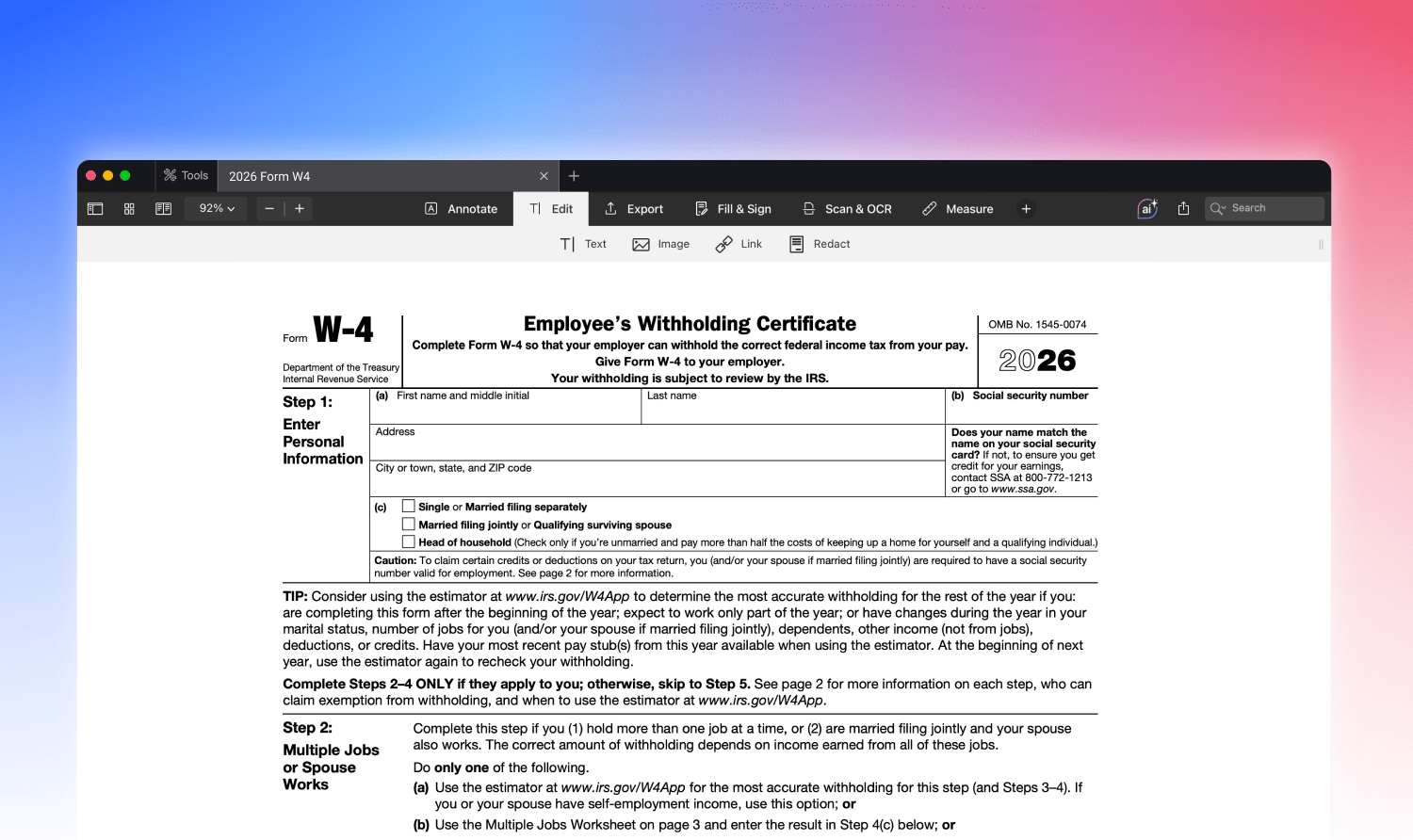
- You adjust your Form W-4 to withhold extra per paycheck.
- That extra withholding counts as tax paid in during the year.
Why people like this approach
- No new payment dates to remember.
- Withholding is generally treated as paid in throughout the year, which can help if your nanny starts midyear.
- It reduces the odds you will forget an estimated payment.
One caution: withholding changes take time to kick in, and HR systems sometimes lag by a pay cycle or two. If you are starting midyear and already behind on paying in, you may need a bigger withholding bump or a one-time estimated payment to catch up.
Option 2: Pay through estimated payments
Estimated payments can be a better fit if your income is variable, you are self-employed, or you prefer to keep household employment taxes separate from your day job withholding.
When estimates are most helpful:
- Your household has limited wage withholding to adjust (for example, both spouses are self-employed).
- You want a clean paper trail of nanny tax set-asides from your household cash flow.
- You realize late in the year that withholding will not be enough and you want to avoid a big April payment.
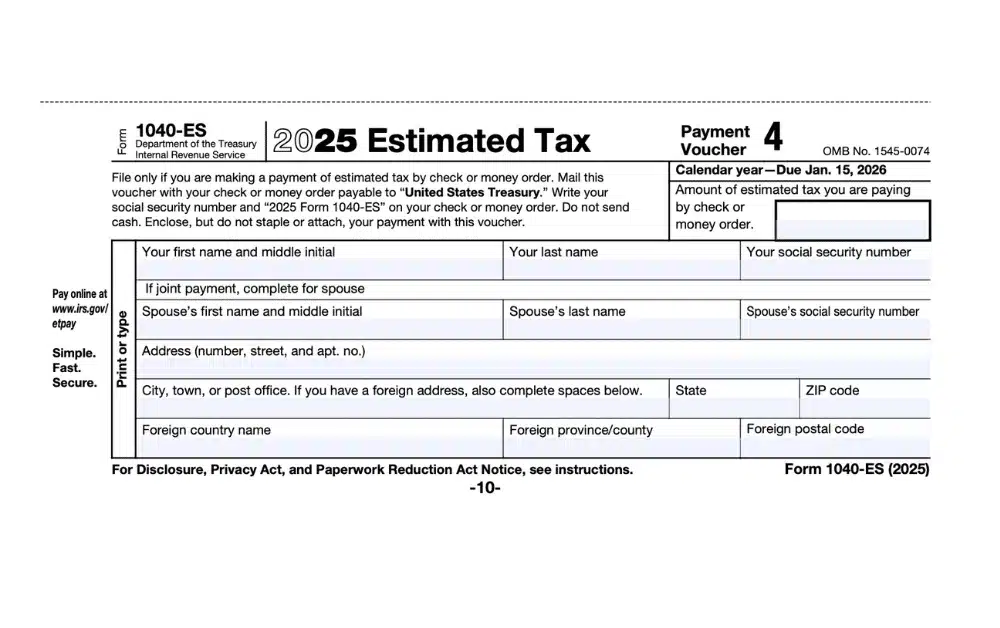
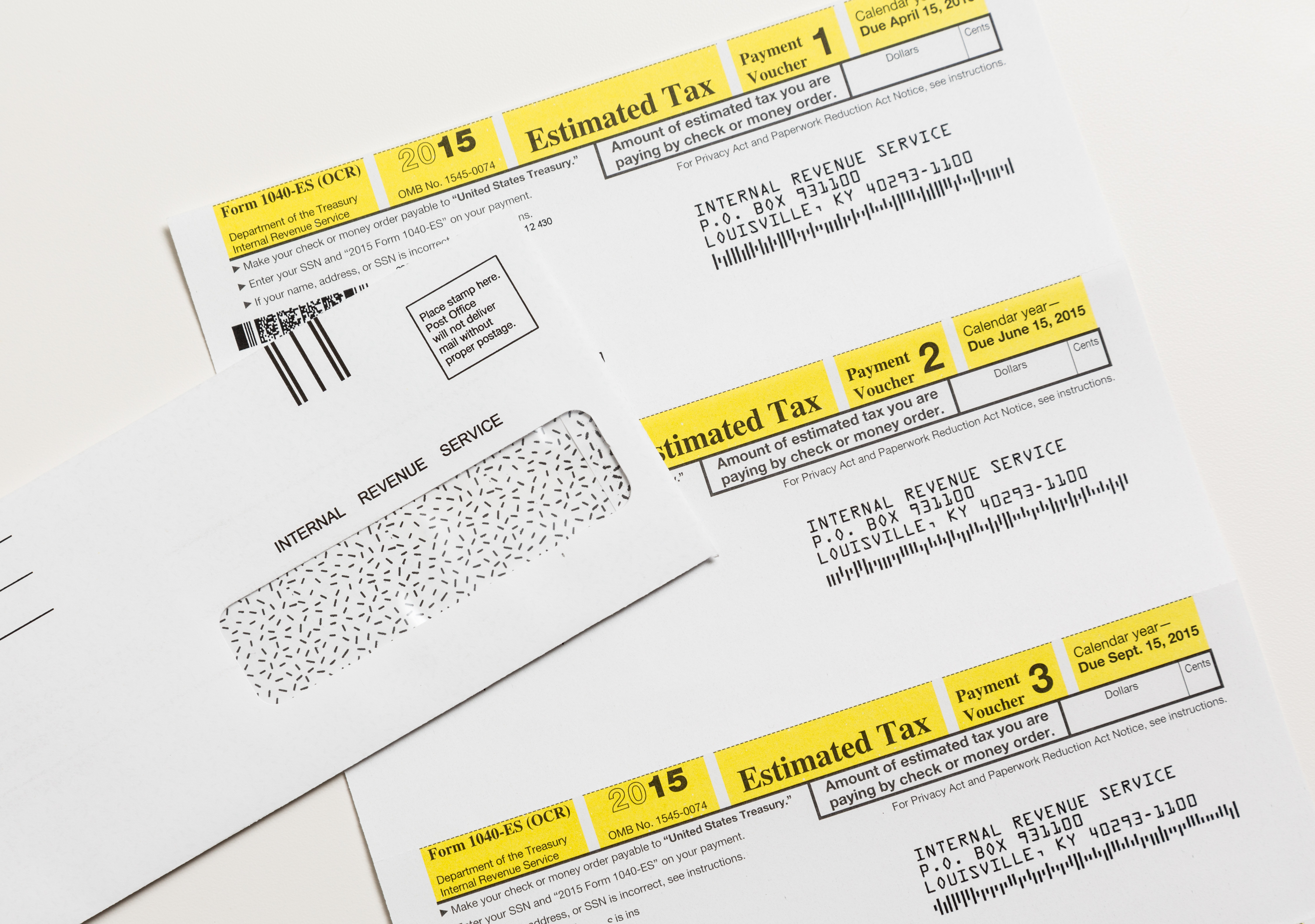
If you go this route, keep the mechanics simple. Most families pay estimates electronically using IRS Direct Pay or EFTPS, then reconcile everything on Schedule H at filing time.
When paying at filing time can work
You can often pay the Schedule H amount with your Form 1040 when you file if both of these are true:
- Your household has already paid in enough tax during the year through withholding and other payments to meet a safe harbor, and
- You are comfortable with the cash flow of paying any remaining balance when you file.
This is common for households where one spouse has a W-2 job with substantial withholding and the nanny arrangement is relatively small or starts late in the year.
That said, I rarely recommend treating filing season as the plan unless you have run the numbers. Families are often surprised by how quickly payroll taxes add up when childcare is full-time.
Do not forget year-end forms
The payment timing gets most of the attention, but year-end paperwork is usually where households get tripped up.
- Get an EIN if you need one: many households need an Employer Identification Number to file W-2 and W-3 forms and to handle household employment reporting cleanly. (Do not use your Social Security number where an EIN is required.)
- Form W-2 for your nanny: you generally need to provide a W-2 and file the W-2 information with the Social Security Administration (commonly by the end of January for the prior year).
- Form W-3: if you are filing paper forms, you typically send a W-3 transmittal along with Copy A of the W-2 to the Social Security Administration. If you e-file, the system generally captures the same information in an electronic format.
- Schedule H with your 1040: this is where the household employment taxes are calculated and finalized.
If you use a payroll service, this often gets handled for you. If you do it yourself, put the W-2 deadline on your calendar early.
A practical midyear checklist
If you cross a threshold midyear, use this checklist to keep things from snowballing:
- Confirm worker status: most nannies are household employees because you set the schedule and control how the work is done day to day.
- Get set up: if you will need an EIN or state employer accounts, do it early so you are not scrambling at year-end.
- Track cash wages paid to date: so you know when thresholds are met.
- Project the year-end total: estimate wages through December.
- Check your safe-harbor position: if you are likely to underpay, make a plan now.
- Decide how you will prepay: extra withholding, estimated payments, or a mix.
- Confirm state requirements: registration, unemployment taxes, wage reporting, and any required state withholding or leave programs.
- Keep clean payroll records: pay stubs, timesheets, and year-end reporting prep.

FAQ
Is Schedule H filed quarterly?
No. Schedule H is generally filed with your annual Form 1040. The quarterly part is optional prepayment via withholding or estimated taxes, not a separate Schedule H filing requirement.
If my nanny starts midyear, do the thresholds change?
No. The FICA threshold is based on cash wages paid in the calendar year, and the FUTA threshold is based on total cash wages paid by the household in any calendar quarter. Starting midyear just changes how quickly you reach them.
Can I withhold federal income tax from my nanny’s pay?
Yes. Federal income tax withholding for household employees is generally optional and must be agreed to. It is separate from your obligation to handle Social Security and Medicare once you meet the wage threshold.
Do I need to issue a W-2?
In most nanny situations, yes. Household employees are typically reported on a Form W-2, and you generally file the W-2 information with the Social Security Administration, along with a W-3 transmittal if you file paper forms. Plan ahead for the usual January deadline.
Do states require quarterly filings?
Sometimes. Even if you do not file quarterly federal payroll returns, your state may require unemployment registration, quarterly wage reports, or state withholding filings. Some states also have disability insurance or paid family leave contributions tied to payroll.
Do I need estimated payments if I increase withholding at my job?
Not necessarily. If increased withholding will cover the added tax and keep you within a safe harbor, estimated payments may be redundant. Many households choose one method to keep things simple.
Is paying in cash “under the table” a problem?
In practice, yes. If you treat a nanny like an off-the-books arrangement, you can create tax and labor compliance issues, and it may affect your caregiver’s access to things like unemployment coverage and Social Security wage credits. If you are hiring help, it is worth setting it up correctly from the start.
The bottom line
Household employers usually pay nanny employment taxes annually through Schedule H attached to Form 1040. But if hiring a nanny causes your total tax paid during the year to fall short, you may want to prepay using extra withholding or estimated payments, especially when you cross thresholds midyear.
If you want the lowest-stress approach, my bias is to start by exploring extra withholding first. It is simpler, it is automatic, and it keeps you focused on what matters most: paying your caregiver accurately and on time, while keeping your own tax bill predictable.