If you sell stock in a taxable brokerage account, you can create a real tax bill in the same year, even though nothing “feels” taxable in the moment of sale. That is because unlike wages, stock sale proceeds usually come with little or no withholding attached.
I grew up watching my parents run a mid-sized agricultural supply company, and one of the most stressful surprises was always the same: a profitable move that looked great on paper, followed by a tax payment no one had mentally earmarked cash for. A mid-year stock sale can create the same kind of surprise for employees, founders, and everyday investors.
Let’s walk through when a stock sale can require an estimated tax payment, which IRS payment period the gain “belongs” to, and when the prior-year safe harbor may already have you covered.

Why a stock sale can trigger estimated tax
When you sell stock in a taxable brokerage account, you may realize a capital gain. That gain increases your taxable income for the year, and the IRS expects tax to be paid as income is earned throughout the year.
With a paycheck, that happens automatically through withholding. With a brokerage sale, it usually does not. Many brokers do not withhold federal income tax on stock sales unless you are subject to backup withholding. Backup withholding is typically triggered by paperwork issues like a missing or incorrect taxpayer ID number (W-9), not by an investment choice you make at the time of sale.
Result: you can owe more at tax time, and if the underpayment is large enough, you may also owe an underpayment penalty unless you meet an exception.
Which payment period your gain falls in
For capital gains, the sale is generally treated as occurring on the trade date (the date you sold), not the settlement date. That trade date determines which estimated tax payment period the gain falls into.
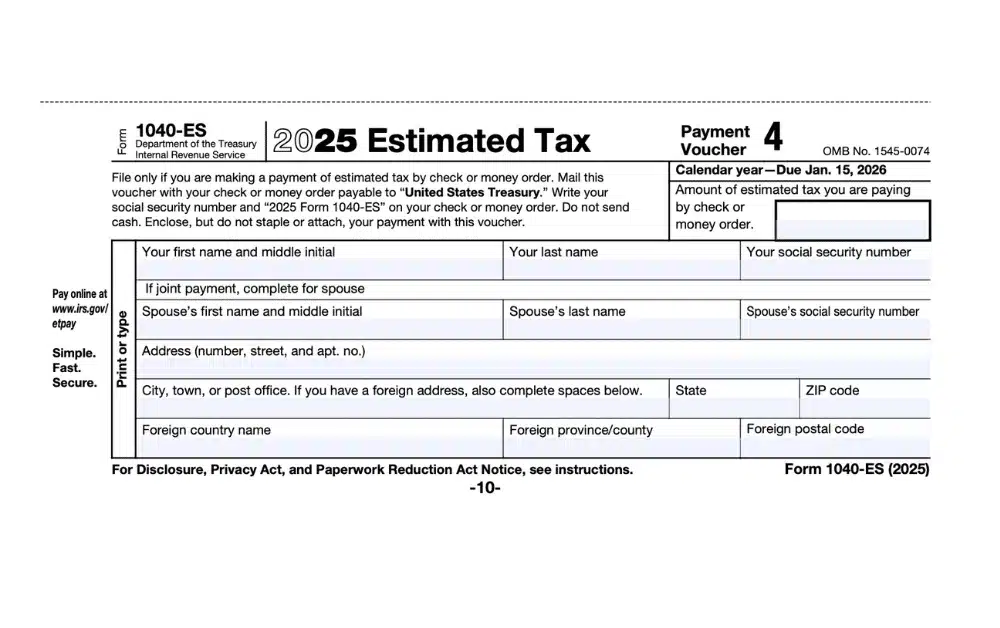
One source of confusion is that estimated tax “quarters” are not calendar quarters. The IRS uses four payment periods that are uneven:
- Payment period 1: January 1 to March 31 (payment usually due April 15)
- Payment period 2: April 1 to May 31 (payment usually due June 15)
- Payment period 3: June 1 to August 31 (payment usually due September 15)
- Payment period 4: September 1 to December 31 (payment usually due January 15 of the next year)
If a due date lands on a weekend or holiday, it moves to the next business day.
One more late-year nuance that matters: if your only estimated tax issue is fourth-quarter income, you can often skip the January 15 estimated payment by filing your return and paying the full balance by the IRS “early filing” deadline (typically January 31). Exact dates can vary by year, so confirm for the tax year you are in.
If you sell in the middle of the year, you are not automatically “late” just because you did not pay in earlier periods. But there is an important nuance: the IRS default underpayment calculation often assumes four equal installments unless you use the annualized income method (more on that below). So if your income is uneven, it is worth understanding how to document that unevenness correctly.
Example: a mid-year sale
Let’s use a simple scenario with long-held shares and a mid-year sale.
Scenario: In July, Maya sells shares she has held for several years in her taxable brokerage account. The sale creates a $60,000 long-term capital gain. No federal tax is withheld from the sale proceeds.
Back-of-the-napkin tax estimate: If Maya expects to be in the 15% long-term capital gains bracket, that is about $9,000 of federal tax from the gain alone (15% of $60,000). If she is subject to the 3.8% Net Investment Income Tax (NIIT), that could add another $2,280 (3.8% of $60,000). This is not a perfect calculation, but it is enough to show why people get surprised. You still want to estimate your marginal rates reasonably, and consider NIIT and state tax, before you pick a payment amount.
What happens next:
- The gain increases her total taxable income for the year.
- Because the sale happened in July, the gain falls into the June 1 to August 31 payment period (payment usually due September 15).
- If her year-to-date withholding and any earlier estimated payments are not enough to cover what she must pay in during the year, she may need to make a catch-up payment (a “true-up”) to avoid an underpayment penalty.
Notice what is not required to start making good decisions here: perfect rate-table precision. You can begin with the withholding and safe harbor checks, then refine the dollar estimate if you need to.

When you usually need estimated tax
You are more likely to need an estimated tax payment after a taxable stock sale when these are true:
- You do not have enough withholding elsewhere (from wages, pension, Social Security withholding, or other sources) to cover your total tax for the year.
- The gain is large relative to your normal income, so it meaningfully increases your tax beyond what your regular withholding was designed to cover.
- You are self-employed or have other uneven income, so your tax payments were already tight.
- You have multiple gains in the year (stock sales, business sale, real estate, crypto, private equity distributions), compounding the underwithholding issue.
A quick emotional check helps here. If you are thinking, “I sold stock, but my paycheck withholding is the same as always,” you are already seeing the problem. The IRS only sees total tax paid in during the year, not that you had good intentions to settle up next April.
Also, do not forget your state. Many states have their own estimated tax rules, schedules, and penalties. If you had a large gain, it is worth checking your state’s due dates and safe harbor rules too.
When you might not need a separate payment
Safe harbor may cover you
Many people do not realize this, but you can sometimes avoid an underpayment penalty even with a big mid-year gain if you satisfy a safe harbor based on last year’s tax.
In plain English, the safe harbor concept is: pay in enough during the current year (through withholding and/or estimated payments) based on a prior-year benchmark, and you can avoid the penalty, even if you still owe when you file.
Common safe harbor benchmarks include paying:
- 100% of your prior-year total tax, or
- 110% of your prior-year total tax if your prior-year adjusted gross income (AGI) was above the IRS threshold (commonly $150,000, or $75,000 if married filing separately). Thresholds can vary by filing status and IRS rules, so treat these as the common baseline.
If your paycheck withholding (plus any estimated payments you were already making) will meet that safe harbor amount for the year, then a one-time stock sale may not require an additional estimated payment solely to avoid penalties. You could still owe a balance at filing time, but the penalty exposure may be reduced or eliminated.
Mini example: If your prior-year total tax was $20,000, the 100% safe harbor target is $20,000 paid in this year. If you expect $18,000 of W-2 withholding for the year and you already made $2,000 of estimated payments, you are at $20,000 and may be penalty-safe even if you owe more when you file because of the stock gain.
Your withholding is already high enough
If you or your spouse have substantial withholding through a W-2 job, you might already be on track to cover the year’s required payments. This is especially common for households where one spouse has a high, steady salary and the brokerage sale is a one-off.
Your gain is small or offset by losses
If you sold one holding at a gain but also harvested losses, or you have carryover losses, your net capital gain might be lower than you think. Net is what matters.
The uneven income nuance
Here is the subtle point that trips people up: the IRS underpayment penalty rules are not just about whether you eventually paid enough, but when you paid enough.
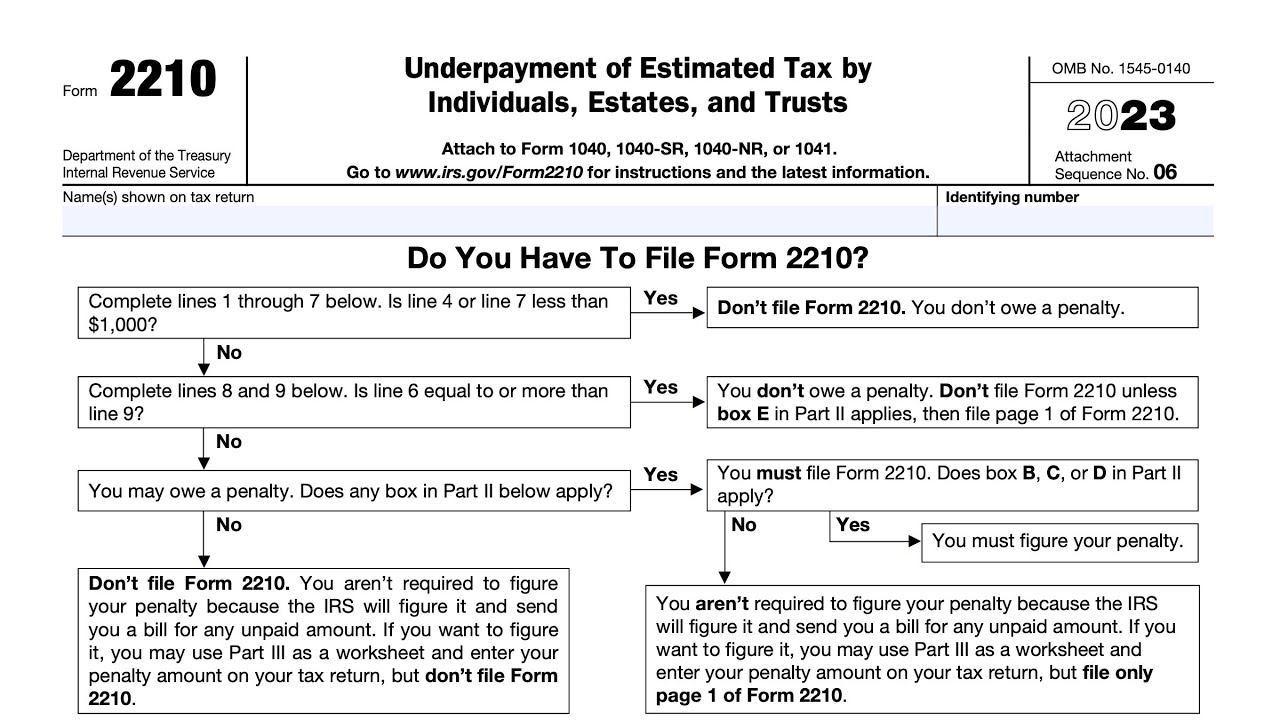
If your income is uneven (for example, a big July gain), you may be able to match payments to when the income happened by using the annualized income installment method on Form 2210 (Schedule AI). This is the mechanism that can show, on paper, that you did not owe large payments in earlier periods because the income had not happened yet.
If you do not annualize, the default approach can look more like four equal installments, which can create “phantom” underpayment in earlier periods even when you made a solid catch-up payment later. Depending on your situation and how you file, you may need to complete Form 2210 (and Schedule AI) to claim annualization. Tax software often prompts for this, but it is not something to assume happens automatically.
What to do after you sell
Here is the practical, investor-friendly sequence I recommend after a taxable stock sale.
1) Estimate your net gain and tax impact
- Confirm your cost basis and holding period in your brokerage records.
- Net gains and losses across your taxable accounts.
- Flag add-on taxes that can change the estimate, especially the 3.8% NIIT for higher-income households.
- Check for state estimated tax implications and due dates.
2) Check what you have already paid in
- Year-to-date federal withholding from paychecks (and spouse paychecks if filing jointly)
- Any estimated payments already made
3) Compare to last year’s safe harbor
Pull your prior-year return and find your total tax. Then ask: “Will my withholding and estimated payments for this year meet the safe harbor benchmark?”
4) If you need to catch up, pick a clean option
- Make an estimated tax payment for the payment period tied to your sale date.
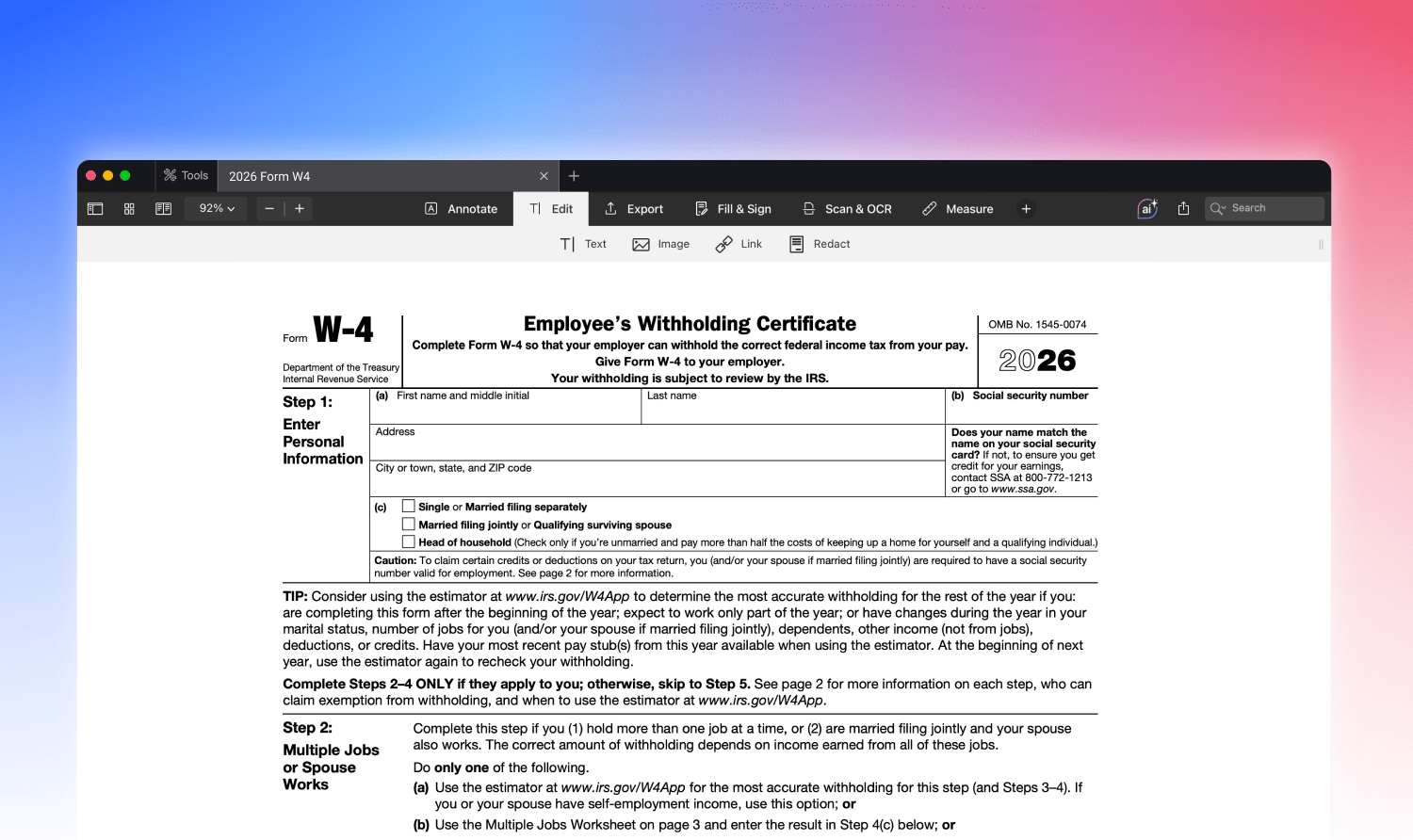
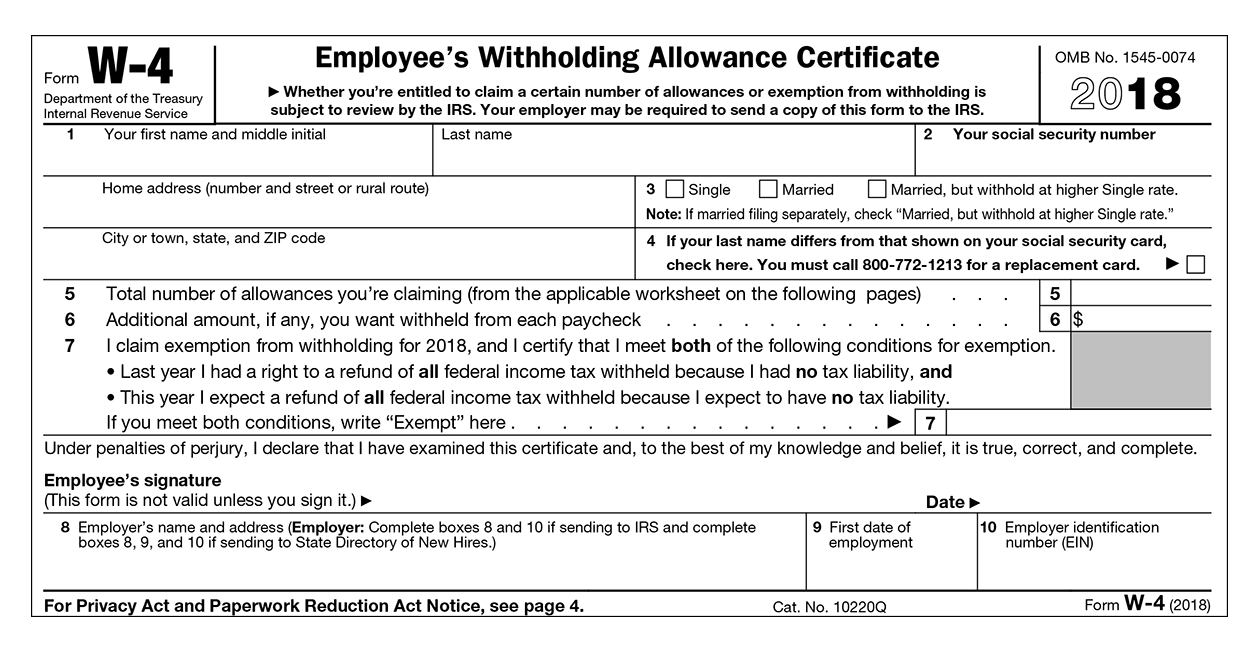
- Increase withholding at work for the rest of the year. Many people like this option because withholding is treated as if it happened evenly throughout the year for penalty purposes, which can be helpful for penalty management.
Which is better depends on your cash flow, how late in the year it is, and whether you have a payroll system you can adjust quickly.
FAQ
If I sold stock once, do I automatically owe estimated taxes?
No. A one-time sale can create a tax bill, but whether you need an estimated payment depends on how much tax you have already paid in through withholding and estimated payments, and whether you meet a safe harbor or properly annualize uneven income.
Is it the sale proceeds that matter, or the gain?
The tax is driven by the gain (sale price minus cost basis, adjusted for any wash sale impacts and certain corporate actions). The proceeds can be large even when the gain is modest, and vice versa.
What if I sold in July but I wait until I file my return next April?
You can do that, but if the sale created a significant underpayment during the year and you do not meet a safe harbor, you may owe an underpayment penalty in addition to the tax due. If the gain is truly mid-year and earlier income was lower, Form 2210 Schedule AI can matter.
What if I sold in November or December?
A late-year sale falls into the September 1 to December 31 payment period, with a payment usually due January 15. However, if your only reason for owing an estimated payment is fourth-quarter income, you can often skip that January 15 payment by filing your return and paying the full amount due by the IRS early filing deadline (typically January 31). Confirm the exact dates for the year in question.
What if I have multiple stock sales across different months?
Each sale falls into the payment period when it happened. Practically, you look at your total year-to-date income and payments and decide whether you need to catch up in the current period.
Does this apply to IRAs or Roth IRAs?
Generally, no. Selling investments inside a tax-advantaged retirement account typically does not create a current-year taxable capital gain. Taxes usually show up when money comes out of the account (including distributions and many conversions), depending on the account type and your situation. A less common exception is when an IRA holds certain investments that generate UBTI, which can create tax filings even inside an IRA.
The bottom line
A taxable stock sale can absolutely create a same-year tax bill, and because withholding is usually zero on those proceeds, it can also create an estimated tax issue.
Your gain falls into the IRS payment period that includes your trade date. Whether you need to make an estimated payment comes down to three questions: how much you have already paid in this year, whether last year’s safe harbor coverage already protects you from underpayment penalties, and whether you need to annualize uneven income using Form 2210 to match payments to when the income actually happened.
If you want a deeper grounding in how quarterly payments work overall, BizWoven’s guide Quarterly Estimated Taxes Explained: Who Must Pay and How Much to Set Aside pairs well with this topic.