The first time I saw restricted stock units (RSUs) hit a paycheck, I understood why smart, organized people suddenly feel behind. The vest date shows up, a chunk of shares disappears for taxes, and everyone assumes payroll handled it.
Sometimes payroll did handle it. Sometimes payroll handled the minimum required withholding, and you are still the one who owes the IRS later.
This article focuses on one moment only: the tax bill created when RSUs vest and whether your withholding is enough. I am not covering what happens when you sell shares later.

At vesting, RSUs are ordinary income
When RSUs vest, the value of the shares that vest becomes ordinary wage income, just like a cash bonus. That amount is generally included in your W-2 wages and is subject to:
- Federal income tax withholding
- Social Security tax (up to the annual wage base)
- Medicare tax (no wage base limit, plus an Additional Medicare Tax may apply at higher wage levels)
- State and local withholding, if applicable
Most companies cover withholding by selling or withholding some of the newly vested shares. It feels like you are being taxed in stock, but economically it is the same as receiving the shares and immediately using part of them to pay taxes.
Why this surprises people
With RSUs, you often do not see cash change hands. So it is easy to miss the key reality: vesting increased your taxable pay. If the withholding on that extra pay is too low for your household, the IRS still expects the difference.
One more detail that reduces confusion later: the amount taxed at vest typically becomes your cost basis in the shares you actually receive. That is one reason RSUs are not supposed to be “double taxed” just because you later sell.
How RSU withholding is typically calculated
For withholding mechanics, RSU vesting is commonly handled like other forms of supplemental wages (think bonuses, commissions, certain equity compensation). Employer practice varies, and some payroll systems default to one method or the other.
For federal income tax withholding, there are two common methods payroll may use:
1) The flat rate method (common and simple)
Payroll withholds federal income tax at a flat percentage for supplemental wages. Under current IRS rules, that flat rate is generally 22% for supplemental wages up to $1 million, with a higher rate applying above that threshold. Rates can change, so treat this as a “know what to look for” guide, not a promise about every year.
The practical takeaway is what matters: the flat rate can be lower than your true marginal rate, especially for higher earners or dual-income households.
2) The aggregate method (less obvious, sometimes higher)
Payroll adds the supplemental wages to your regular wages, then withholds as if the combined amount is your normal paycheck. Depending on your base pay, pay frequency, and W-4 settings, this can withhold more than the flat method or sometimes still not enough.
If you want to know which method your company used, your best clues are:
- Your pay statement language (look for terms like “RSU,” “equity,” “stock comp,” “supplemental,” “bonus,” or “taxable compensation”)
- The percentage withheld for federal income tax relative to the vest value
- A quick note to payroll asking which method is used for RSU vesting

When RSU withholding is too low for your household
Here is the mismatch I see most often: RSU federal withholding is done at a generic supplemental rate, but your household owes tax at a higher marginal bracket.
Common situations where withholding runs light:
- You are a high earner and your marginal federal rate is higher than the flat supplemental withholding percentage.
- You file jointly and your spouse also has significant income, pushing the household into a higher bracket than payroll assumes.
- You have multiple income streams like consulting, rental income, or large interest and dividends, so your W-2 withholding is not covering everything.
- You claimed W-4 settings that reduce withholding (intentionally or accidentally), and the RSU withholding does not make up for it.
- State taxes are withheld at a rate that does not match your real state bracket. Some states also use their own supplemental wage rules, so the “default” state withholding on equity income can be surprisingly off.
The simplest way to sanity-check your vest withholding
Take the dollar value that vested and do a rough comparison:
- Step 1: Estimate your marginal federal bracket for this year (many households already have a sense of whether they are around 22%, 24%, 32%, 35%, or 37%).
- Step 2: Estimate how much federal income tax was withheld due to the vest.
- Step 3: If your marginal bracket is meaningfully higher than what was withheld, assume you may owe the gap unless extra withholding elsewhere covers it.
Step 2 is the part that trips people up, because withholding is often blended. Two practical ways to estimate it:
- Best case: your paystub has a separate line for RSU income and tax withheld.
- Common case: compare the total federal withholding on the vest paycheck to a “normal” paycheck and treat the difference as the vest-related withholding (not perfect, but usually close enough for planning).
This is not a perfect calculation because the U.S. tax system is progressive and interacts with credits, deductions, and other income. But it is a very effective early warning system.
Do you need estimated tax when RSUs vest?
Maybe. The key is not whether RSUs are “eligible” for estimated tax. The key is whether you will be underwithheld after considering all income and all withholding.
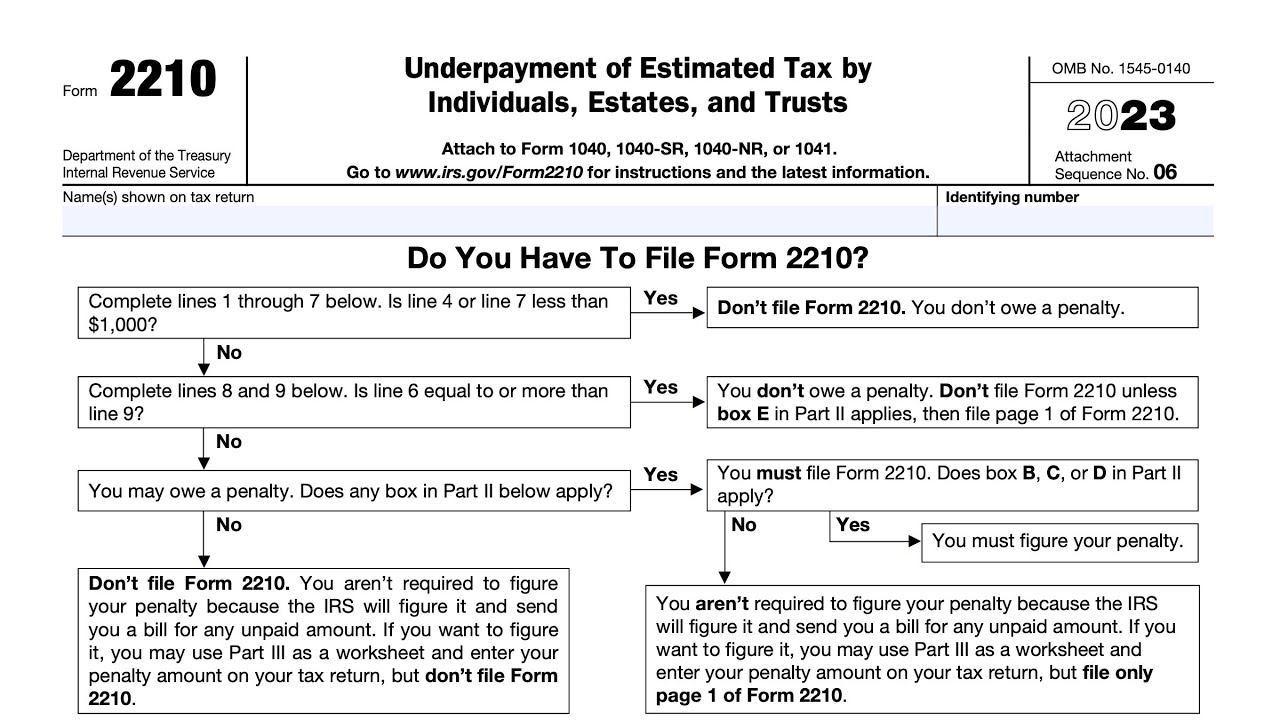
You are generally trying to avoid an underpayment issue and a nasty April surprise. Two concepts matter:
1) Your expected balance due
If RSU withholding is too low, you can end up owing a large amount when you file your return. Owing is not automatically a problem, but owing a lot can come with underpayment penalties depending on the year’s facts.
2) Safe harbor rules (why timing matters)
The IRS has “safe harbor” thresholds that, if met, generally protect you from underpayment penalties even if you owe when you file. People often meet safe harbor through wage withholding alone. But a mid-year RSU vest can change the story quickly.
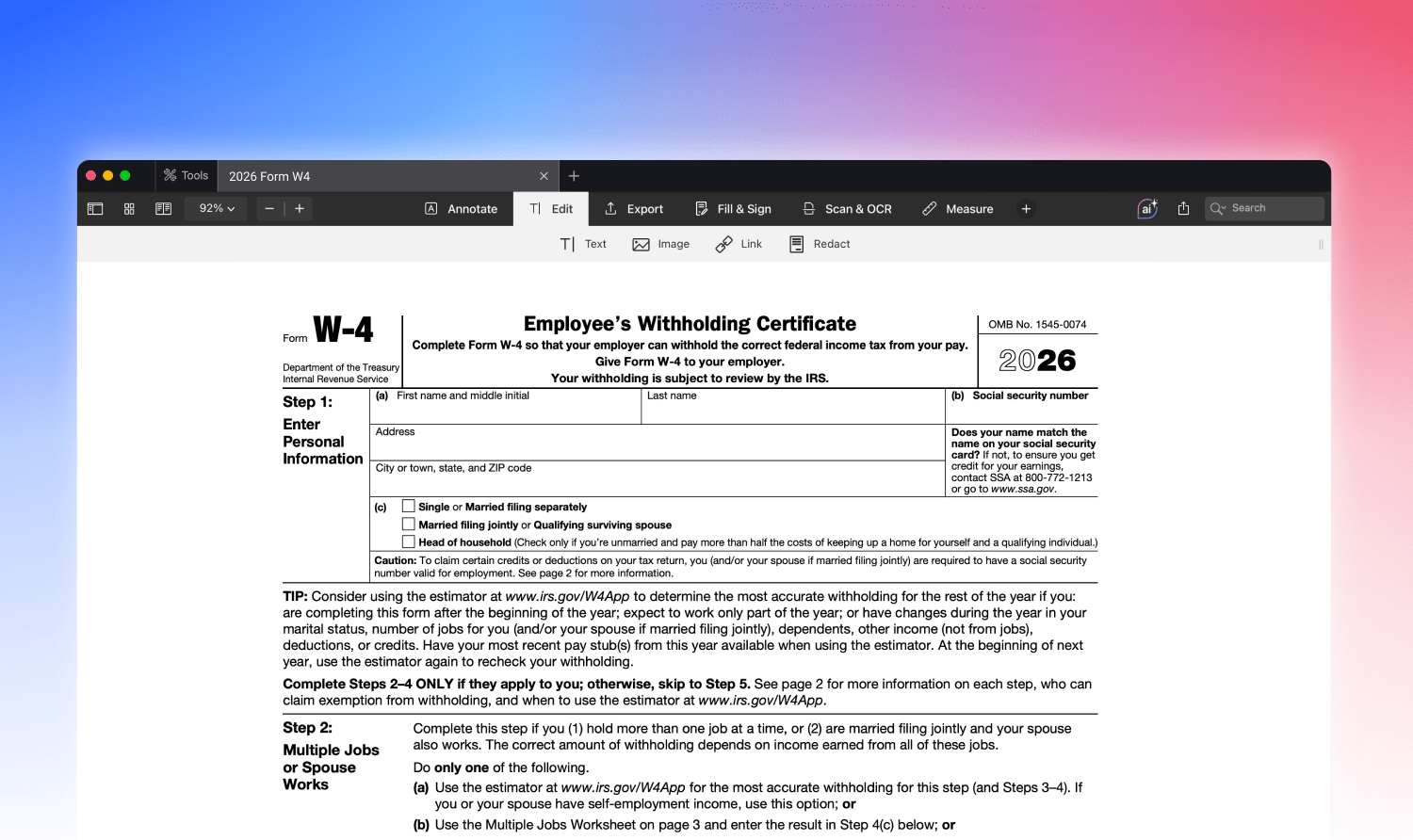
In practice, the decision often boils down to: add more withholding on your W-4, or make an estimated tax payment.
If you want a quick self-serve check, the IRS Tax Withholding Estimator can be a helpful starting point. A tax pro can be worth it when vesting is large or your income is lumpy.
Example: mid-year RSU vest
Let us walk through a simplified, realistic scenario. Numbers are rounded to keep it readable.
Employee: Maya
Filing status: Married filing jointly
Location: Illinois
Timing: RSUs vest in July
Maya’s income picture
- Maya’s salary: $190,000
- Spouse salary: $160,000
- RSUs vesting value in July: $80,000
At vest, Maya sees share withholding for taxes. Federal income tax on the vest is withheld using the standard approach her company uses. She assumes: “Great, taxes were covered.”
Why there may still be a gap
In a household already earning $350,000 before RSUs, the marginal federal rate may be higher than the flat supplemental withholding rate used at vest.
An illustration (approximate): if a household is effectively paying around 35% at the margin, but the RSU federal withholding came out around 22%, the gap on an $80,000 vest is roughly $10,000 in federal tax alone ($80,000 × 13%). Then you layer in state taxes, and the difference can grow.
Two ways Maya can fix it before year-end
Option A: Increase withholding on her W-4
Maya can submit a new Form W-4 to her employer and request extra withholding per paycheck for the rest of the year.
- Pros: Simple, automatic, often no need to track quarterly deadlines. In general, wage withholding is treated as paid evenly throughout the year for underpayment penalty purposes, which can help reduce penalty risk.
- Cons: Less precise if income is lumpy. If her next vest or bonus is larger than expected, she may still be short.
How she does it in practice: she estimates the remaining shortfall and divides it by the number of paychecks left in the year, then adds that as “extra withholding” on the W-4.
Option B: Make an estimated tax payment
If Maya prefers to keep her paycheck steady, or if the vest was large and she wants to true it up right away, she can make an estimated payment for the quarter.
- Pros: Direct and timely. Good when you want to solve the problem immediately.
- Cons: You must track deadlines and amounts yourself. If you guess wrong, you can still overpay or underpay.
In Maya’s case, because the vest happened mid-year, either option can work. If her household cash flow is tight, spreading the impact through W-4 withholding might feel better. If her household has cash set aside, an estimated payment can cleanly close the gap now.

What to do after a vest
If you just had a vest and you are unsure whether you need estimated payments, here is the decision path I use with clients.
Step 1: Pull the vest numbers
- Vest date fair market value (FMV) or taxable value
- Federal income tax withheld related to the vest (or your best estimate using the paycheck comparison approach)
- State and local withholding on the vest
- Social Security and Medicare withholding
On FICA: Medicare continues all year, and higher earners may see Additional Medicare Tax kick in. Social Security tax stops once you hit the wage base for the year. If you changed employers mid-year, Social Security can be overwithheld across employers and then reconciled on your return.
Step 2: Confirm your household bracket reality
Your RSU withholding does not know your spouse’s income, side business, or investment income. You do.
Step 3: Choose your fix
- If you want the most “set it and forget it” approach, adjust your W-4.
- If you want to true-up quickly or you have unpredictable income, make an estimated payment.
Step 4: Re-check after the next vest or bonus
If you vest quarterly, you do not need to perfect this on day one. What you need is a repeatable habit: check the withholding rate, compare it to your household bracket, and adjust.
Common questions
If my company withheld shares for taxes, does that mean I am fully covered?
No. It means withholding happened. It may or may not be enough for your actual tax rate once your full household income is considered.
Are RSUs taxed like capital gains at vest?
No. At vest, RSUs are taxed as ordinary wage income. Capital gains rules generally come into play only after vesting, if you later sell shares for more or less than their value at vest. This article intentionally stops at vesting.
Why would two coworkers with the same vest owe different amounts?
Different filing status, different spouse income, different deductions, different state taxes, and different W-4 settings can all make the effective tax outcome different even if the vest value is identical.
What is the cleanest way to avoid surprises?
Do a quick tax projection after a big vest, then either (1) raise W-4 withholding for the rest of the year or (2) make an estimated payment. If you vest multiple times per year, treat it like a recurring check-in.
Bottom line
RSU vesting is a wage income event. Withholding usually occurs automatically, but it is often calculated using supplemental wage rules that do not reflect your household’s real marginal bracket.
If your vest is meaningful and your household income is high or complex, you may need to add withholding on your W-4 or make an estimated payment to avoid a painful April balance due. A 10-minute review of your paystub and a simple bracket reality check can save you months of financial stress.