When I was growing up, I watched my parents run a mid-sized agricultural supply company where cash flow was always a juggling act. Some months you needed to pay people for the work they did no matter what, even if the business had a thin profit month. That is exactly the practical problem guaranteed payments solve in partnerships and LLCs taxed as partnerships.
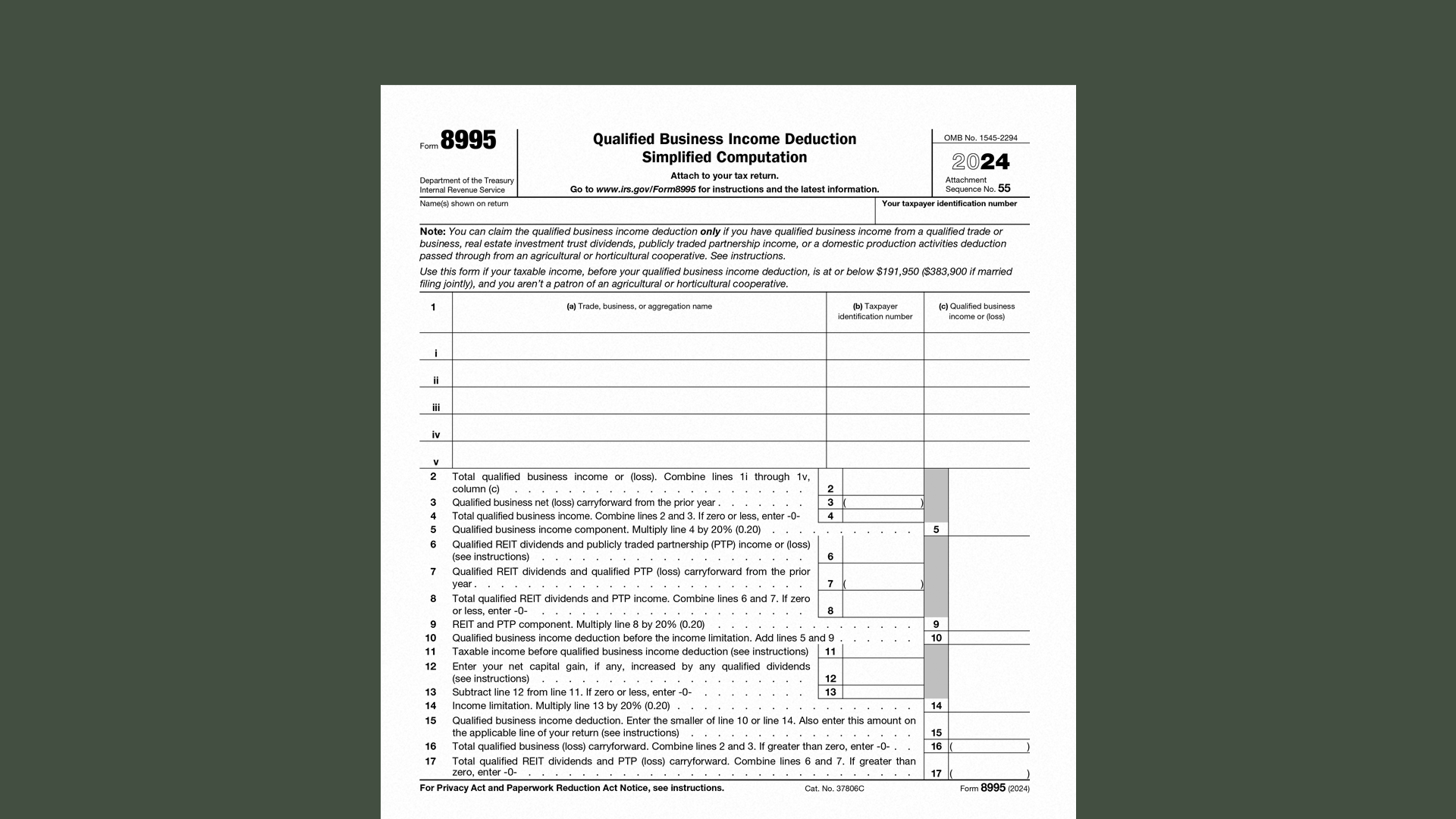
But when tax time comes, that same “pay me first” feature creates confusion around the Qualified Business Income (QBI) deduction under Section 199A. If you are a partner receiving guaranteed payments for services, are those payments part of QBI?
In most cases, the answer is simple: guaranteed payments for services are excluded from QBI. The good news is your remaining share of partnership profit can still be QBI, assuming the other QBI rules are met.
One important scope note up front: this discussion is about partnerships and LLCs taxed as partnerships. Different rules apply if your LLC is taxed as a sole proprietorship or an S corporation.
Quick answer
Guaranteed payments made to a partner for services (or for the use of capital) are not included in that partner’s Qualified Business Income.
This point is baked into the Section 199A framework: QBI is generally your share of a qualified trade or business’s net income, gain, deduction, and loss. Guaranteed payments are treated differently than a distributive share of profit.
That distinction matters because many partners see guaranteed payments reported and think, “This is my business income, so it should count.” It might be business income for other purposes, but it is not QBI for the 199A deduction.
One quick clarification for newer business owners: a guaranteed payment is paid to a partner. Payments to a non-partner (an employee on payroll or an outside contractor) are not “guaranteed payments” in the tax sense, even if you pay them a flat monthly amount.
Why it is excluded
Guaranteed payments are designed to compensate partners in a way that looks more like payment for work performed than a share of variable profits.
Tax-wise, a guaranteed payment is generally:
- Deductible by the partnership as an ordinary and necessary business expense, although timing and treatment can change if amounts are required to be capitalized or otherwise limited based on the facts
- Ordinary income to the partner
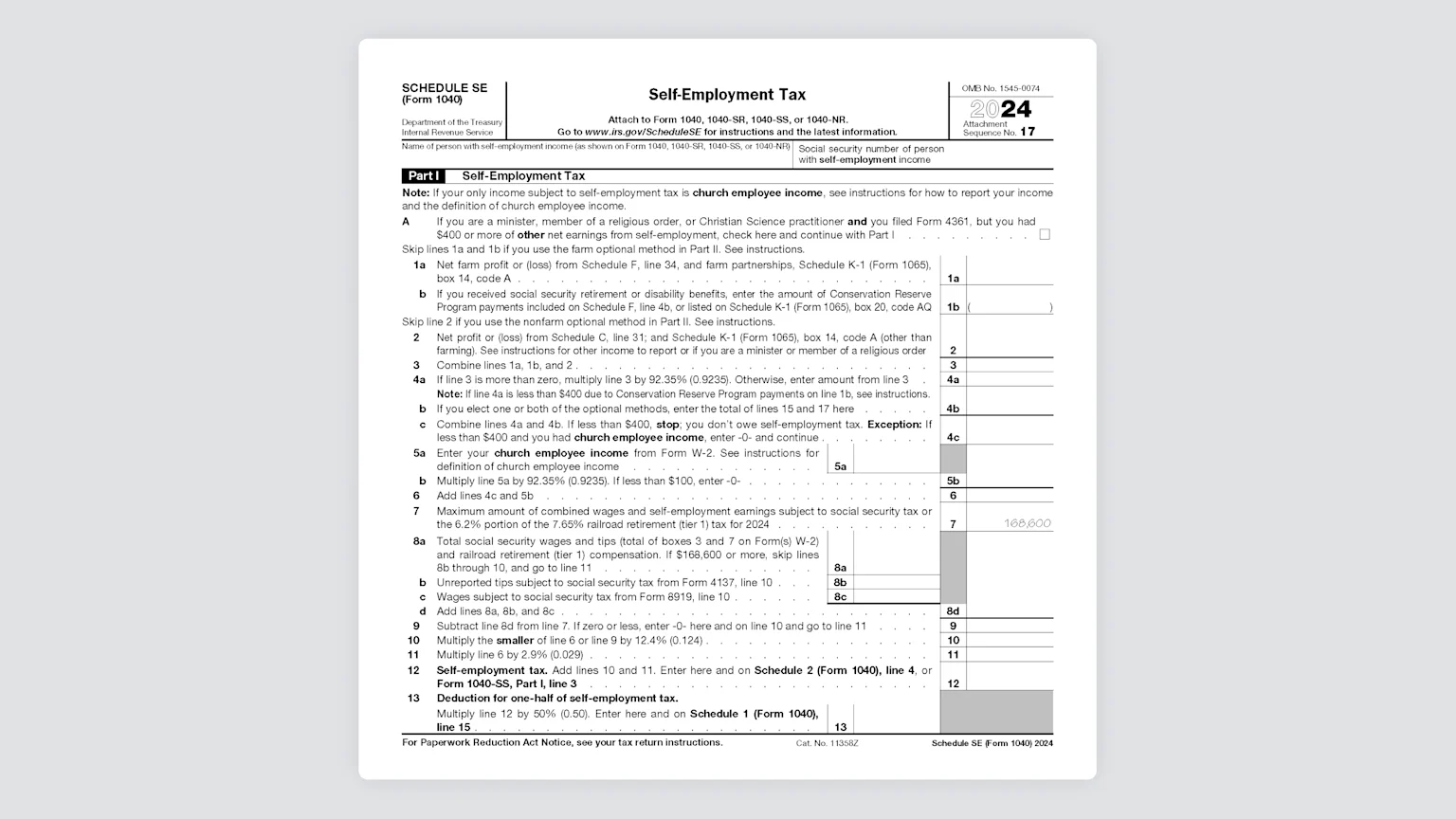
- Often subject to self-employment tax when paid for services, but the self-employment tax treatment can vary based on the partner’s status and role (including limited partner-type exceptions in some situations)
QBI has its own rules, and guaranteed payments are specifically carved out.
What can count
If you are an owner in an LLC taxed as a partnership, your income from the business can show up in multiple “buckets.” The bucket that most commonly counts as QBI is:
- Your distributive share of ordinary business income (profit) from the partnership
Items that generally do not count as QBI include:
- Guaranteed payments to partners
- Reasonable compensation paid to an owner (this is an S corporation concept, not what we are doing in this LLC example)
- Investment-type income such as dividends, capital gains, and certain interest, with the interest rules being fact-specific (for example, whether it is properly tied to the trade or business)
So the planning lens becomes: if part of your total “take-home” from the partnership is structured as guaranteed payments, that portion is usually outside the QBI base. But the profit portion can still be inside it.
Also keep in mind that having QBI is not the same thing as getting the full deduction. QBI is determined at the partner level, and depending on your taxable income, the Section 199A deduction can be limited or even reduced to zero by rules tied to W-2 wages, qualified property, and whether the business is a specified service trade or business (SSTB). There is also an overall cap based on a percentage of your taxable income.

Two-member example
Let’s use one clear example with a two-member LLC taxed as a partnership. No S corporation salary rules here.
Scenario
- Riley and Jordan are 50/50 members in RJ Studio LLC (taxed as a partnership).
- Jordan handles day-to-day client delivery and is paid a $60,000 guaranteed payment for services.
- After all business expenses (including Jordan’s guaranteed payment), the LLC has $100,000 of ordinary business profit to allocate to the members.
How it typically lands
Jordan (the service partner receiving the guaranteed payment):
- $60,000 guaranteed payment: not QBI
- $50,000 distributive share of profit (50% of $100,000): potentially QBI
Riley (no guaranteed payment):
- $50,000 distributive share of profit: potentially QBI
If RJ Studio LLC is a qualified trade or business and neither partner is limited by the wage and property limitations or SSTB rules (those depend on facts and income levels), then each partner may be able to claim the 199A deduction on their share of QBI-eligible profit.
The key takeaway: Jordan’s guaranteed payment does not become QBI just because it came from the business. But Jordan is not shut out of QBI entirely. Jordan can still have QBI via the profit allocation.
K-1 reporting
Guaranteed payments are separately stated to the partner. In plain English, they are highlighted because they are treated differently than profit allocations.
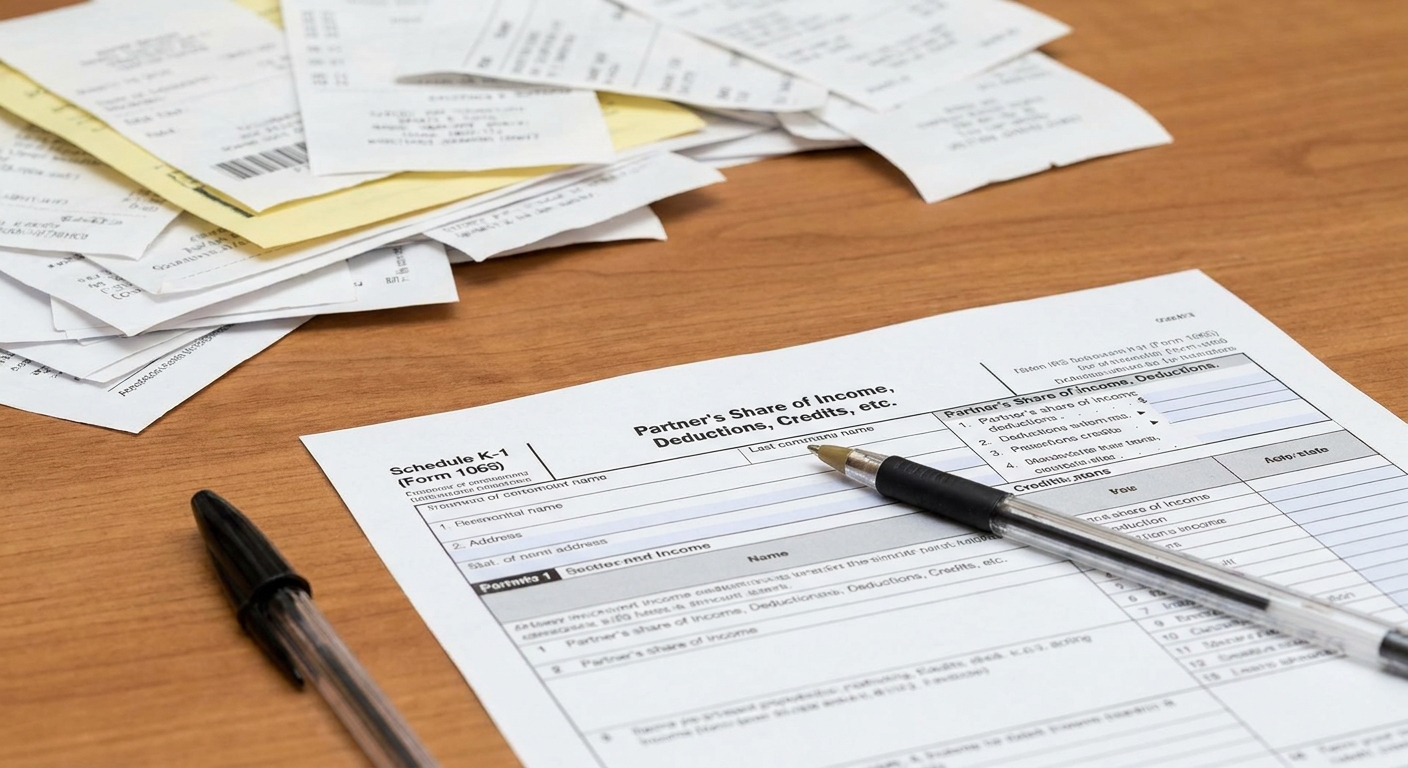
On many Schedule K-1s (Form 1065), guaranteed payments show up on Line 4. QBI-related details are often provided in the supplemental statements attached to the K-1 rather than as a single, obvious line item.
Practically, this means your tax software or your CPA will generally compute QBI using the partnership’s QBI items and then allocate them among partners, while excluding guaranteed payments from the QBI bucket.
If you are looking at your K-1 and thinking, “My numbers do not seem to align,” check whether a big slice of what you received was a guaranteed payment versus distributive share.
Common myths
Myth 1: “It is subject to self-employment tax, so it must be QBI.”
No. Self-employment tax and QBI are separate calculations with different inclusion rules.
Myth 2: “If I take a guaranteed payment, I lose the QBI deduction entirely.”
Not necessarily. You can still have QBI through your distributive share of qualified business profit. You are excluding the guaranteed payment portion, not automatically disqualifying yourself from the deduction.
Myth 3: “We should eliminate guaranteed payments to maximize QBI.”
Sometimes reducing guaranteed payments increases the amount that could be treated as profit, which could increase QBI. But it can also change partner economics, cash flow stability, and perceived fairness, especially when one partner does more day-to-day work. In real businesses, the best structure is usually the one that the owners can live with consistently year after year.
Planning notes
Here are a few practical, non-hype considerations if you are trying to balance partner compensation and QBI:
- Separate the business deal from the tax deal. Guaranteed payments exist for real economic reasons. Start with what is fair and operationally sustainable.
- Model after-tax outcomes. If you are near income levels where QBI limitations become important, run side-by-side projections with your CPA.
- Watch the ripple effects. Changing guaranteed payments changes the partnership deduction, the partners’ ordinary income mix, and potentially self-employment tax exposure. It is not just a QBI lever.
- Keep documentation clean. Your operating agreement and partnership accounting should support whatever method you use to compensate working partners.
FAQ
Are guaranteed payments for services included in QBI?
No. Guaranteed payments to a partner for services are excluded from Qualified Business Income for the Section 199A deduction.
If guaranteed payments are excluded, what partnership income counts as QBI?
In many cases, your distributive share of the partnership’s ordinary operating profit (after expenses, including guaranteed payments) is the piece that can count as QBI, assuming the business and your situation meet the other 199A requirements.
Do I lose the QBI deduction if I receive guaranteed payments?
Not automatically. You generally lose QBI treatment on the guaranteed payment portion, but you may still have QBI through your share of partnership profit. And even with QBI, your deduction can still be limited depending on taxable income and other 199A rules.
Is this the same as S corporation owner wages?
No. S corporations use W-2 wages to pay owner-employees, and those wages are not QBI. This article is focused on a two-member LLC taxed as a partnership and does not apply S corporation reasonable salary rules.
Bottom line
If you are a partner receiving guaranteed payments for services, treat that payment like what it is: a special category of partner compensation that is excluded from QBI, even though it is often included in self-employment income.
At the same time, do not overlook the rest of your K-1. Your remaining distributive share of partnership profit may still qualify as QBI and support a valuable Section 199A deduction.
If you are unsure how your specific K-1 flows into QBI, it is worth asking your tax pro one direct question: “How much of my K-1 is being treated as QBI after excluding guaranteed payments, and why?” That one prompt usually clears up the fog fast.