I grew up watching my parents juggle business credit lines that were supposed to make life easier, until the bank tightened terms or cash flow got choppy. A HELOC can feel similar: flexible when things are stable, stressful when they are not. If you file bankruptcy with an existing HELOC already open and carrying a balance, the big question is what you are actually wiping out, and what follows you because your home is tied to it.
This article focuses on an already-open HELOC with a balance. We will walk through what typically happens in Chapter 7 and Chapter 13, how the automatic stay affects your lender’s actions, and what it means if you plan to keep the home.
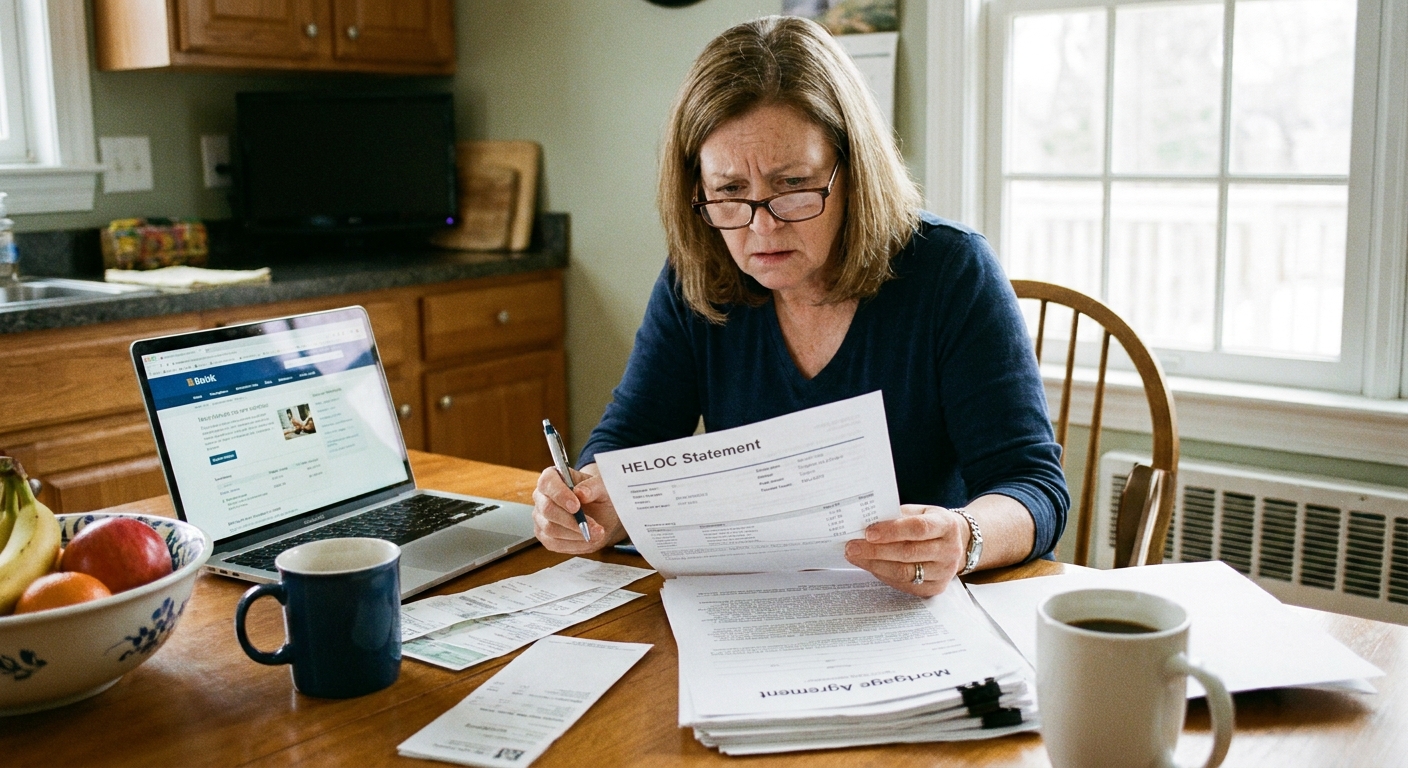
First, a HELOC in bankruptcy is two things
To understand why HELOCs behave the way they do in bankruptcy, it helps to split the debt into two layers:
- The personal promise to pay (your obligation on the note). This is what bankruptcy can discharge, depending on the chapter and your plan.
- The lien on your home (the lender’s security interest). A lien is an in-rem right against the property itself, and it often survives bankruptcy even when your personal liability does not.
Most HELOCs are secured by a junior lien behind your first mortgage. So even if bankruptcy discharges your personal responsibility, the lien can still matter if you sell, refinance, or run into trouble with payments later.
The automatic stay: what it stops and what it does not
When you file bankruptcy, the automatic stay generally takes effect immediately. For a HELOC, this usually means:
- Collection calls and letters must stop.
- Most collection lawsuits and enforcement actions must pause.
- Foreclosure activity must pause temporarily, unless and until the court grants permission to proceed.
But the automatic stay does not guarantee you can keep using the line.
Expect the HELOC to be frozen
In practice, many lenders freeze or close access to further draws once they learn of a bankruptcy filing, even if you have available credit remaining. Usually, the lender is not obligated to allow additional advances during an active bankruptcy, and many HELOC agreements allow freezing or termination after a default or other material change in risk.
If you were relying on HELOC availability to cover repairs, payroll, or basic living costs, it is worth building a backup plan before filing. This is one of those moments where the paperwork becomes real life fast.
One borrower example: filing with an existing HELOC balance
Let’s use a simple scenario to make the moving parts feel real.
Maria has:
- A home worth $400,000
- A first mortgage balance of $320,000
- A HELOC balance of $45,000
- Other unsecured debts (cards and medical bills) totaling $60,000
Maria files bankruptcy while the HELOC still has a balance. She wants to keep the home if possible.
Based on these numbers alone, the HELOC looks at least partially secured (there appears to be equity before exemptions, costs of sale, and any other liens). If Maria’s home value drops, or if there are other liens we did not list, the analysis can change. That is why the chapter choice and the lien details matter so much.
Chapter 7: what usually happens to an existing HELOC
Chapter 7 is designed to discharge qualifying debts relatively quickly, but it does not rewrite long-term secured loans the way Chapter 13 can. With a HELOC, there are a few key outcomes to understand.
1) Personal liability may be discharged, but the lien usually remains
If the HELOC is a standard consensual lien against your home, Chapter 7 can often discharge your personal obligation to pay it. However, the lien generally remains attached to the property.
It is important to say this cleanly: stripping an underwater HELOC lien is typically not a Chapter 7 tool in most consumer cases. Chapter 7 does allow certain lien avoidance in specific situations (for example, some judicial liens that impair exemptions), and liens can sometimes be challenged if they are invalid or unperfected. But that is different from the Chapter 13-style junior lien strip many homeowners read about online.
In plain English: Chapter 7 might stop the lender from chasing you personally after discharge, but it may not erase the lender’s right to be paid from the home’s value later if the lien survives.
2) Keeping the home: staying current, plus trustee risk
If Maria wants to keep her home, she generally needs a plan to stay current on the obligations tied to keeping the property, especially the first mortgage.
There is also a Chapter 7 issue people miss: if you have significant nonexempt equity, the trustee’s job is to evaluate whether selling the home could generate money for creditors. Whether that is a real risk depends on your state and federal exemptions, the value of the home, the balances on all liens, and selling costs.
For the HELOC specifically, what “keeping the home” feels like can vary:
- If she keeps paying the HELOC voluntarily, she may reduce the risk of lien enforcement, but the lender can still keep the line closed to new draws.
- If she stops paying, the lender cannot collect from her personally after discharge for a discharged obligation, but it may still have rights against the property under state law if the lien remains.
This is one of the hardest emotional points for many homeowners: a discharge can remove the weight from your shoulders, while the lien stays tied to the house.
3) The HELOC lender may seek relief from the stay
If payments are not being made and the lender believes its collateral is at risk, it can ask the bankruptcy court for relief from the automatic stay to proceed with foreclosure or other remedies. Whether the court grants that request depends on the facts, including equity, payment status, and adequate protection.
4) Reaffirmation and “ride-through” questions
Many people ask whether they have to sign a reaffirmation agreement in Chapter 7 to keep a home. Reaffirmation is a formal agreement that keeps you personally liable on a debt that would otherwise be discharged.
For mortgages and HELOCs, reaffirmation practices vary by lender and by jurisdiction. Some homeowners keep paying and keep the home without reaffirming, sometimes called “ride-through,” but it is not guaranteed everywhere and it can be nuanced. Because reaffirmation puts personal liability back on the table, it is worth discussing carefully with your attorney before signing anything.
Chapter 13: what usually happens to an existing HELOC
Chapter 13 works differently. It is a repayment plan over time, and it can be powerful for homeowners who need structure to catch up and keep property.
1) The automatic stay can provide breathing room
Just like Chapter 7, Chapter 13 triggers the automatic stay. The practical difference is that Chapter 13 is built for a longer runway. If Maria is behind on her first mortgage or HELOC, Chapter 13 may allow her to catch up through the plan while maintaining ongoing payments, depending on how her case is structured.
When you hear the term arrears, it simply means the past-due amount you are behind.
2) The HELOC is treated as secured, unless it is wholly unsecured
Most HELOCs are junior liens. In Chapter 13, the HELOC might be:
- Secured to the extent there is equity available after the first mortgage and other senior liens.
- Wholly unsecured if the first mortgage balance and other senior liens leave no value to secure the HELOC at all.
When a junior HELOC is truly wholly unsecured, some Chapter 13 cases allow a process commonly called lien stripping, where the claim is treated like unsecured debt during the plan and the lien is removed after successful completion, subject to court rules and eligibility.
This is not a do-it-yourself determination. It depends on valuation evidence, local practice, and the details of your liens.
3) What happens to the HELOC balance if you keep the home in Chapter 13?
Typically, one of these patterns applies:
- If the HELOC is secured: you may need to pay it according to your plan terms and ongoing obligations, or otherwise address arrears and ongoing payments as required by the court and your plan.
- If the HELOC is treated as unsecured through lien stripping: the balance is paid like other unsecured debts under the plan, which can be a partial repayment depending on income and other factors. After plan completion, the remaining unsecured portion may be discharged, and the lien may be removed if the court orders it.
Chapter 13 is often where homeowners have more tools to deal with a junior HELOC lien that is creating long-term risk.
Will the HELOC be closed? Can you keep drawing on it?
In most real-world cases, you should assume an existing HELOC will be frozen or closed to new draws once you file bankruptcy.
Even if the account remains open in a technical sense, lenders rarely allow additional borrowing during an active bankruptcy because:
- your credit terms have materially changed,
- the lender’s risk has increased, and
- the bankruptcy process requires transparency and court oversight.
If you need access to credit during or after the case, talk with your attorney before opening or using any new account. Taking on new debt during bankruptcy without proper disclosure can create serious problems.
What if you are current on the HELOC when you file?
If Maria is current when she files, filing can still trigger a freeze on new draws. Payment status helps, but it does not guarantee the lender keeps the line available.
From a “keeping the home” perspective, being current reduces the risk of the HELOC lender pushing for aggressive action immediately. But you still want to understand the lien’s role going forward, especially if selling or refinancing is part of your future plan.
What if you are behind on the HELOC when you file?
If Maria is already behind, Chapter 13 is often the chapter that provides more practical options to cure arrears over time and protect the home, depending on her income and overall debt picture.
In Chapter 7, being behind on secured obligations can increase the chance the lender asks for relief from the stay. Even when personal liability is discharged, a lender may still enforce its lien rights against the property if the loan stays unpaid.
Foreclosure and state-law wrinkles
Foreclosure is heavily shaped by state law, and junior liens can behave differently depending on who forecloses and which lien is being enforced.
One common example: if the first mortgage forecloses, a junior HELOC lien may be wiped out from the property title in many states, but the lender might still try to collect personally unless that personal obligation was discharged in bankruptcy. In other situations, a HELOC lender may initiate its own foreclosure subject to senior liens. The point is not to memorize every variation. It is to know that “what happens to the HELOC lien” can depend on timing, chapter, and your state’s rules.
Common misconceptions I hear about HELOCs in bankruptcy
“Bankruptcy wipes out my HELOC, so the lien is gone.”
Not automatically. A discharge often eliminates your personal obligation, but the lien may survive unless it is addressed through a process that applies to your case.
“The automatic stay means I cannot lose the house.”
The stay is powerful, but it is not permanent. It pauses actions and creates a legal process. If secured payment issues are not resolved, creditors can sometimes obtain permission to proceed.
“If I keep paying, the bank has to keep the HELOC open.”
Continuing to pay does not obligate a lender to extend additional credit. A HELOC is a revolving credit product, and lenders can freeze borrowing privileges for multiple reasons, including bankruptcy or perceived risk changes.
Questions to ask before you file
If you are considering bankruptcy with an existing HELOC balance, these are the questions I would want answered upfront:
- What is my home realistically worth? A credible valuation affects everything from exemptions to whether a junior lien is actually secured.
- What are the balances on every lien? First mortgage, HELOC, and any other recorded liens.
- Am I trying to keep the home long-term? The strategy often changes if selling is likely.
- Am I behind on the first mortgage or HELOC? Chapter choice and plan structure can depend on arrears.
- Do I have nonexempt equity that could attract trustee attention in Chapter 7? This is a big part of the “can I keep the home” analysis.
- Is lien stripping an option in my Chapter 13 jurisdiction and facts? This is attorney territory, but it is worth raising early.
HELOC bankruptcy FAQ
Can a HELOC lender foreclose during bankruptcy?
Not immediately in most cases, because the automatic stay pauses foreclosure activity. However, a lender can ask the court for permission to proceed, especially if payments are not being made and the lender can show cause.
Do I still owe the HELOC after a Chapter 7 discharge if I keep the home?
You may no longer owe it personally if it is discharged, but the HELOC lien can remain attached to the property. That means it can still matter when you sell or refinance, and it can still support enforcement against the property under certain conditions.
Does Chapter 13 always remove a HELOC lien?
No. Chapter 13 can sometimes remove a wholly unsecured junior lien after plan completion, but eligibility depends on home value, senior liens, and local rules. Many HELOCs remain secured and must be addressed accordingly.
Will my HELOC be closed if I file bankruptcy?
Often, yes, at least in the sense that new draws are typically frozen. Even if the account is not formally terminated right away, you should not plan on being able to borrow more during the case.
Bottom line
An existing HELOC in bankruptcy is rarely as simple as “it goes away.” Bankruptcy can often eliminate your personal responsibility for the debt, but the lien on the home is a separate issue that may survive and influence your ability to sell, refinance, or keep the home long-term.
If you are filing with a HELOC balance and your goal is to keep your home, focus on three things: how the automatic stay protects you short-term, whether the HELOC is actually secured by equity, and how your chosen chapter treats liens versus personal liability. Then bring your numbers to a qualified bankruptcy attorney who can apply your state exemptions and local practice to your exact situation.