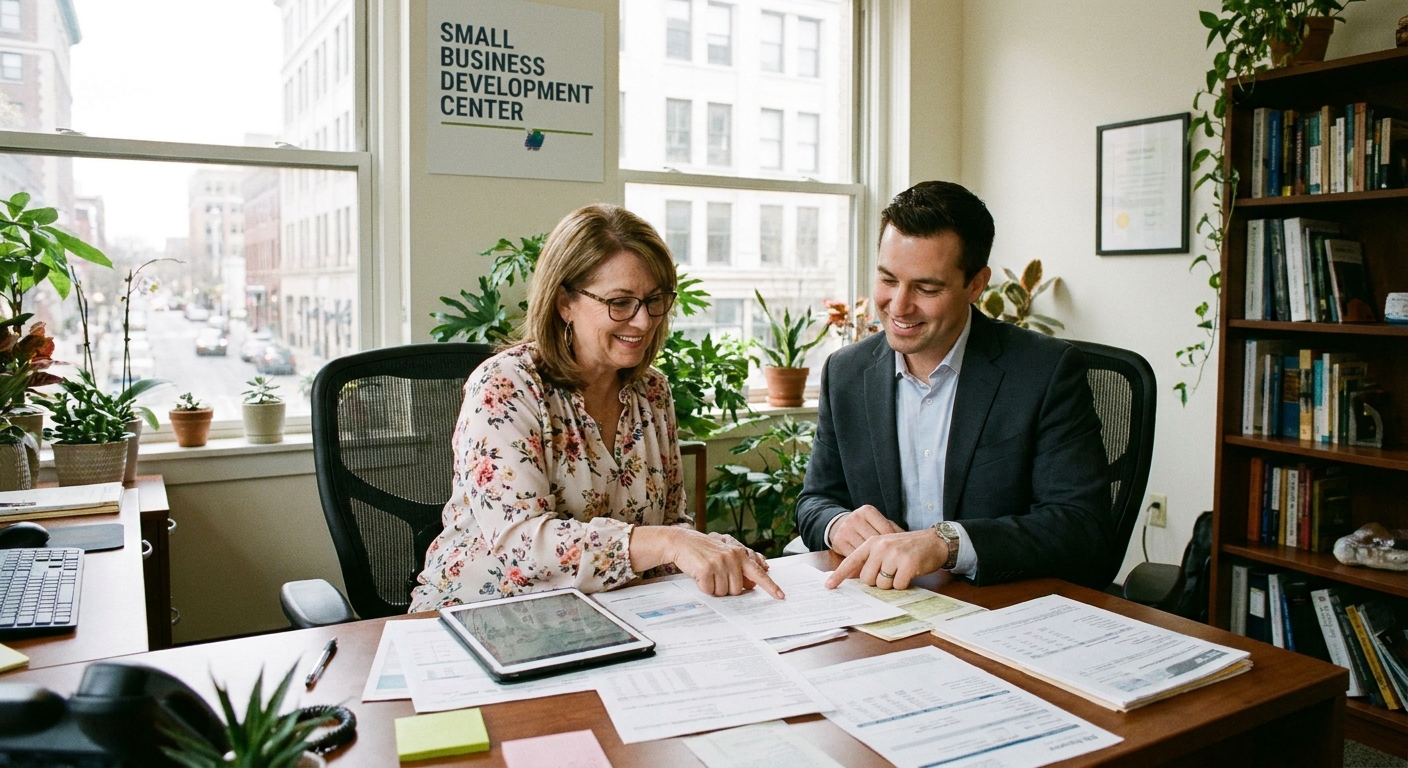
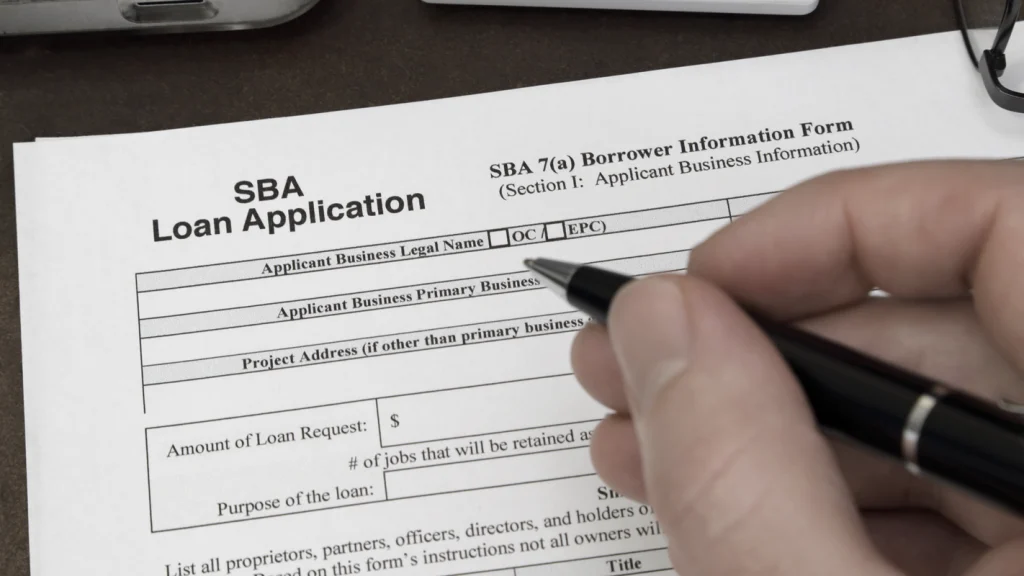
When I was a kid, I watched my parents juggle two worlds at once: the farm-adjacent reality of inventory, seasonality, and equipment repairs, and the small business reality of payroll, vendors, and taxes. That is why I always pause when someone says, “I’m just looking for a microloan.” Because microloan is a size category, not a single product.
Two of the most commonly confused options are the SBA Microloan and the USDA Farm Service Agency (FSA) Microloan. They can both be affordable and helpful, but they are built for different borrowers, different uses, and different application paths.
The 20-second difference
If you only remember one thing, make it this:
- SBA Microloan: For many types of small businesses and some nonprofits. Funds come through a local nonprofit intermediary lender. Commonly used for working capital, inventory, supplies, and smaller equipment purchases.
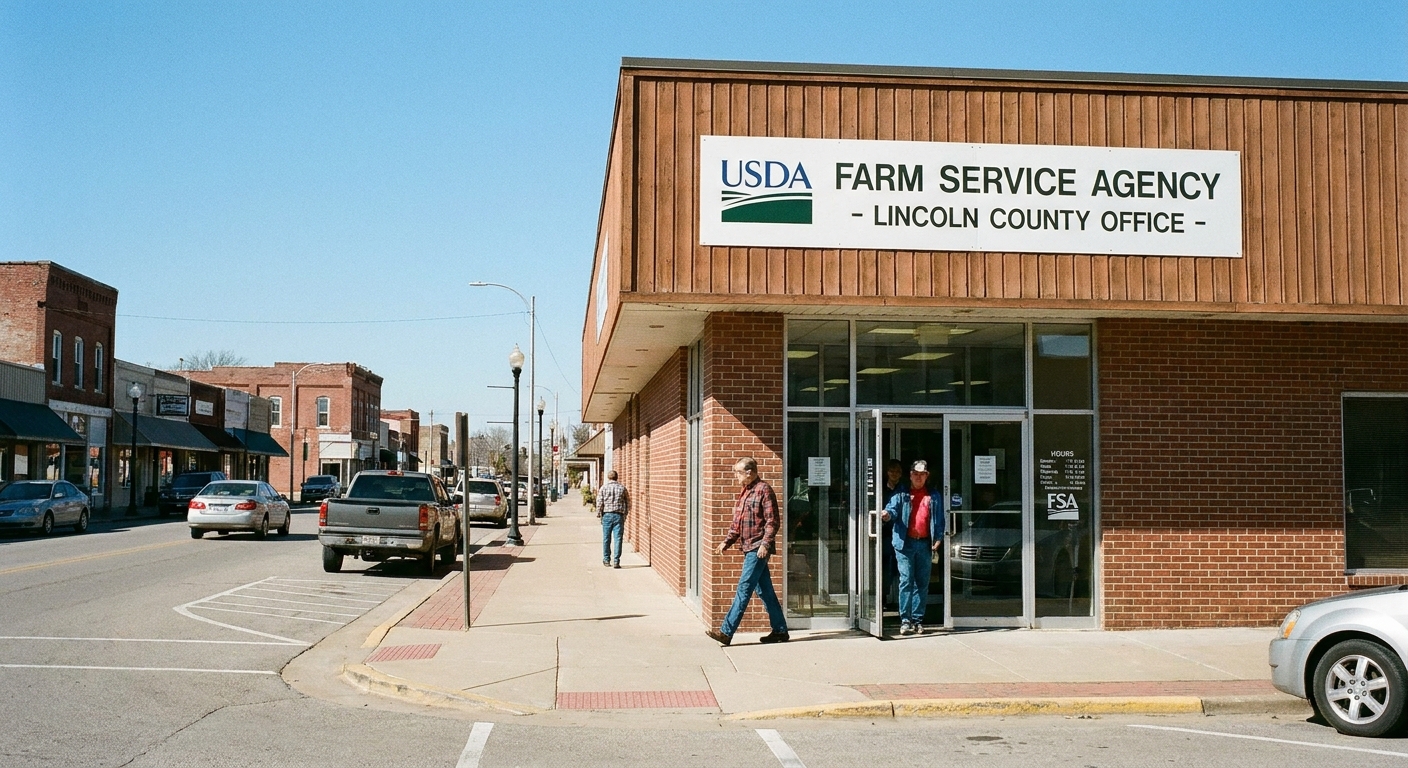
- USDA FSA Microloan: For farmers and ranchers (including many beginning farmers). Funds come from the USDA FSA through your local USDA Service Center. Built for operating expenses and certain smaller-scale farm purchases and improvements.
Who can apply
SBA Microloan eligibility
SBA Microloans are aimed at small businesses that may not qualify for traditional bank credit yet. Eligibility is ultimately determined by the nonprofit intermediary lender, but in practice, SBA Microloans often work well for:
- Startups and early-stage businesses
- Home-based businesses
- Service businesses with modest startup costs
- Borrowers who benefit from coaching or technical assistance
Depending on the intermediary, you may be evaluated on cash flow, credit history, collateral availability, and your business plan. Many intermediaries also pair the loan with training or mentoring, which can be a major advantage if you are new to business finances.
USDA FSA Microloan eligibility
USDA FSA Microloans are specifically for agricultural producers. They are designed to be more accessible than larger FSA direct loans, particularly for:
- Beginning farmers and ranchers
- Smaller operations
- Niche or specialty producers (for example, vegetables, mushrooms, beekeeping, small livestock)
- Borrowers who may not have long operating histories
FSA still underwrites repayment ability, but the program is built around farm realities like seasonality and production cycles. If your business is not an agricultural operation, FSA microloans are not the right lane.
What you can use it for
SBA Microloan uses
SBA Microloan proceeds are commonly used for:
- Working capital (cash to operate)
- Inventory purchases
- Supplies and materials
- Furniture, fixtures, and equipment
- Some machinery or tools needed to perform services
Key restrictions to know up front: SBA Microloan funds cannot be used to purchase real estate or to pay off or refinance existing debt. (Intermediaries can also have additional restrictions.)
One key mindset shift: SBA Microloans are often best when you can tie the money to a clear, short cycle of revenue. For example, buying inventory you can sell within 60 to 120 days, or equipment that immediately expands capacity.
USDA FSA Microloan uses
USDA FSA Microloan proceeds are designed for farm operating needs and certain smaller ownership-related purposes, such as:
- Seed, feed, fertilizer, or other operating inputs
- Livestock purchases
- Small equipment and tools
- Farm improvements and essential repairs
- Other farm-related costs tied to production and marketing
FSA microloans are about keeping production moving and helping smaller operations build stability. If you are trying to finance a major land purchase or a large expansion, ask an FSA loan officer whether a different FSA program fits better.
Loan size and terms
These programs both sit under the “micro” umbrella, but their guardrails differ. Also, program rules change. Always confirm current limits and terms with the lender or agency before you plan around a number.
SBA Microloan limits and terms
- Program maximum: Up to $50,000. (Many intermediaries lend less, and average loan sizes are typically below the maximum.)
- Program maximum term: Up to 6 years.
- Rates and fees: Set by the intermediary lender within SBA program rules. The rate you see can vary a lot by lender and location.
Because the lender is a nonprofit intermediary, your experience can feel very local. In one city, that can mean a fast, relationship-driven process. In another, it can mean more documentation and required training. Ask early what their timeline and coaching expectations look like.
USDA FSA Microloan limits and terms
- Loan limit: Commonly described as up to $50,000, but the exact cap and how it applies can vary by microloan type and current USDA policy.
- Repayment term: Set based on the purpose of the loan and repayment ability. In practice, operating needs are usually structured shorter than ownership-related uses.
- Rates and fees: Rates for FSA direct loans are published by USDA and change over time.
FSA terms are tied to farm purpose and repayment capacity. You are not just borrowing a number. You are borrowing for a production plan.
Where to apply
How to apply for an SBA Microloan
You do not apply on a single national SBA loan portal for a microloan the way people imagine. You apply through an SBA-approved nonprofit intermediary lender in your area.
- Start by locating a microloan intermediary via SBA resources or your local Small Business Development Center.
- Expect an intake that looks like a small business loan application: financials (or projections), a plan for uses, and personal background details.
- Ask whether they require business training, and whether training happens before or after approval.
- If you do not see a nearby intermediary, call your local SBDC or SCORE office. They often know the closest active microloan program, including options that serve a wider region by phone or online intake.

How to apply for a USDA FSA Microloan
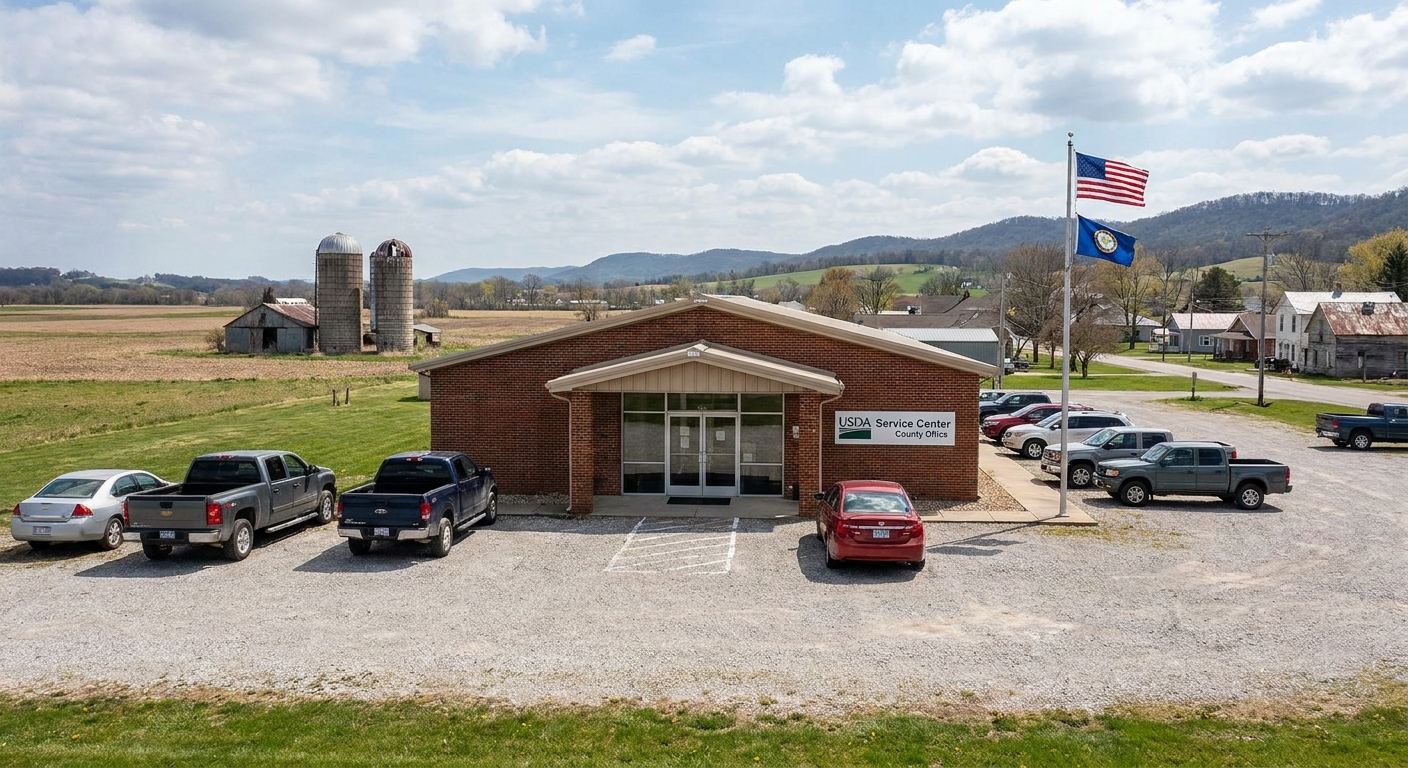
FSA microloans are handled through your local USDA Service Center (where FSA is typically housed). Your first step is usually a conversation with a loan officer about what you are producing, what you need the funds for, and your farming experience.
- Find your local USDA Service Center and ask for the FSA loan staff.
- Be prepared to discuss acreage, production plans, marketing approach, and costs.
- Expect forms and supporting documents that reflect agricultural operations, not only a general business P&L.
- If the nearest office is not close, ask about scheduling a phone appointment. Many areas are served regionally even when the office is not in your exact town.
Documents to gather
This is the part that can make a “simple” microloan feel not so simple. You do not need perfect paperwork, but you do need organized paperwork.
SBA Microloan checklist
- Personal ID and basic background information
- Recent tax returns (personal and business if applicable)
- Bank statements
- A simple budget or use-of-funds list (line items, not vibes)
- Revenue and expense history or a realistic projection (month-by-month helps)
- Business formation documents and any key contracts or leases
USDA FSA Microloan checklist
- Farm plan: what you produce, how much, and how you will market it
- Acreage details: owned land, leases, or access agreements
- Production and expense estimates tied to the season
- Income history if available (even partial history helps)
- Tax returns and bank statements
- Any relevant training, experience, or mentorship documentation if you are a beginning producer
Two examples
Example 1: Farm microloan
Scenario: Marisol is starting a small-scale vegetable and cut-flower farm outside a mid-sized city. She has a CSA plan, a couple of restaurant leads, and a farmers market spot, but she needs capital to get through the first season.
Best fit: A USDA FSA Microloan can align well if she needs money for seeds, soil amendments, irrigation supplies, starter tools, and other operating costs tied directly to production.
Why it fits: This is what FSA is built to support: smaller, early-stage producers with a defined production plan and seasonal cash flow.
Example 2: SBA microloan
Scenario: Darius is launching a mobile appliance repair service in Chicago. He has experience, a small customer pipeline, and a pricing model, but he needs a reliable service van setup, diagnostic tools, initial parts inventory, and funds to cover insurance and fuel while he ramps up.
Best fit: An SBA Microloan through a local nonprofit intermediary is a strong contender, especially if Darius benefits from business coaching on pricing, bookkeeping, and customer acquisition.
Why it fits: The SBA Microloan is well-suited to service businesses that need modest equipment and working capital. It is not meant for buying real estate or refinancing old debts.
Side-by-side
| Feature | SBA Microloan | USDA FSA Microloan |
|---|---|---|
| Who it is for | Small businesses and some nonprofits | Farmers and ranchers |
| Lender | Nonprofit intermediary lender | USDA Farm Service Agency (direct) |
| Common uses | Working capital, inventory, supplies, equipment | Farm operating needs, small equipment, farm improvements, certain ownership-related purposes |
| Key restrictions | Cannot buy real estate or pay off existing debts | Must be for eligible farm purposes; ownership-related uses are defined by FSA rules |
| Typical cap | Up to $50,000 (program maximum) | Often up to $50,000, but confirm current cap and type |
| Typical term | Up to 6 years (program maximum) | Varies by purpose and repayment ability |
| Where you apply | Local SBA microloan intermediary | Local USDA Service Center / FSA office |
How I choose
If you are on the fence, these questions usually make the answer obvious.
- Is this an agricultural operation? If yes, start with FSA. If no, FSA is likely not your program.
- What exactly are you buying? Farm inputs and production-related needs point to FSA. General small business working capital, inventory, tools, and equipment point to SBA microloan intermediaries.
- Do you want coaching with the loan? Many SBA intermediaries bake education into the process. If you want that structure, it can be a plus.
- How fast do you need funding? Timelines vary widely by office and lender. Ask directly about average time from application to closing, and what commonly slows things down.
- What does repayment look like in your business? Year-round monthly revenue may support an SBA-style schedule. Seasonal income can be easier to explain in an FSA framework.
Mistakes to avoid
Calling both “government microloans”
Both are connected to federal agencies, but the experience is different. SBA microloans are delivered locally through nonprofits. FSA microloans are delivered through USDA offices with agriculture-focused underwriting.
Skipping the plain-English use list
Whether you are talking to an SBA intermediary or an FSA loan officer, you will do better if you can say: “I need $X for A, $Y for B, and here is how that produces revenue.” Vague requests like “for growth” tend to slow things down.
Borrowing without mapping cash timing
I have seen good businesses struggle because they borrowed without mapping when money comes in. Build a simple month-by-month cash plan. It does not need to be fancy, but it needs to be honest.
FAQ
Can I get both an SBA Microloan and a USDA FSA Microloan?
Potentially, but usually not for the same exact purpose at the same time. If you operate both a farm and a separate non-farm business, you may qualify for different financing for different activities. Talk to each lender about existing debt and how new payments fit your cash flow.
Do SBA microloans require collateral?
It depends on the intermediary lender and the size of the loan. Many lenders want some form of collateral and a personal guarantee. Ask early so you are not surprised midway through the process.
Is a USDA FSA microloan only for first-time farmers?
No. FSA microloans are commonly used by beginning farmers, but they can also work for established producers who fit the program rules and need smaller-scale financing.
Which one is easier to qualify for?
Neither is “easy,” but both are designed to be more accessible than many conventional loans. The better question is: which program matches your business model and documentation? A strong farm production plan can go far with FSA. A clear service business budget and basic projections can go far with an SBA intermediary.
Bottom line
Choose the microloan that matches your industry reality, not just your dollar amount. If you are building or stabilizing a farming operation, start with the USDA FSA microloan path. If you are launching or expanding a general small business, the SBA Microloan through a nonprofit intermediary is often the right first conversation.
If you tell me what you are producing or selling, what you need to buy, and when your revenue hits your bank account, I can usually point you to the right door within five minutes. These are both good doors. They just open into different buildings.