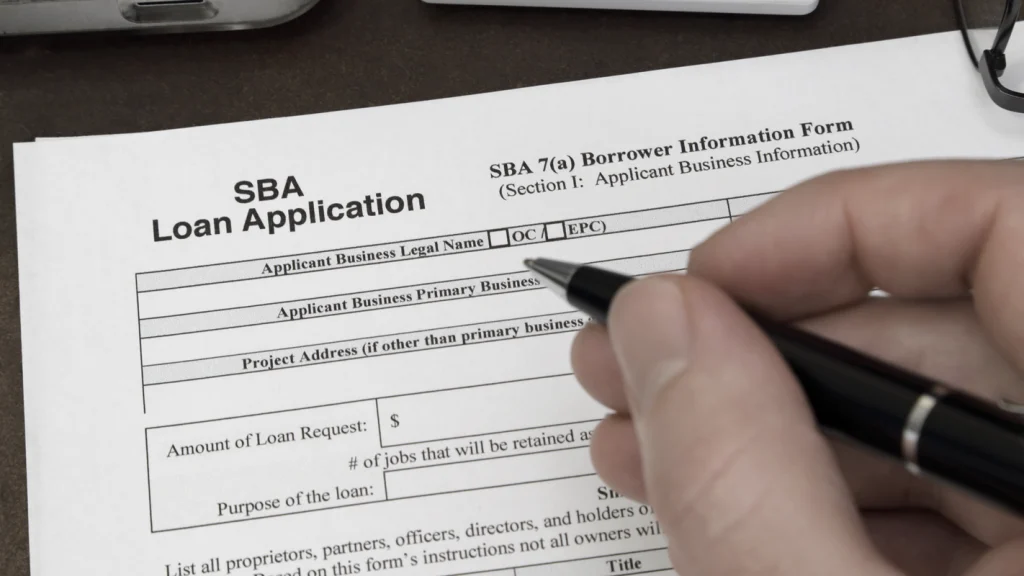
When my parents were running their agricultural supply business, the smallest funding gaps were often the most stressful. Not the big expansion loan you plan for months, but the awkward in-between needs. A new delivery trailer before peak season. A bulk inventory buy when a supplier finally offers a discount. A register system that stops freezing every Friday at 4 p.m.
That’s the space the SBA Microloan Program was built for. It is designed for very small businesses and early-stage founders who need a relatively modest amount of capital, plus hands-on guidance, without having to fit perfectly into a traditional bank box.
What an SBA microloan is
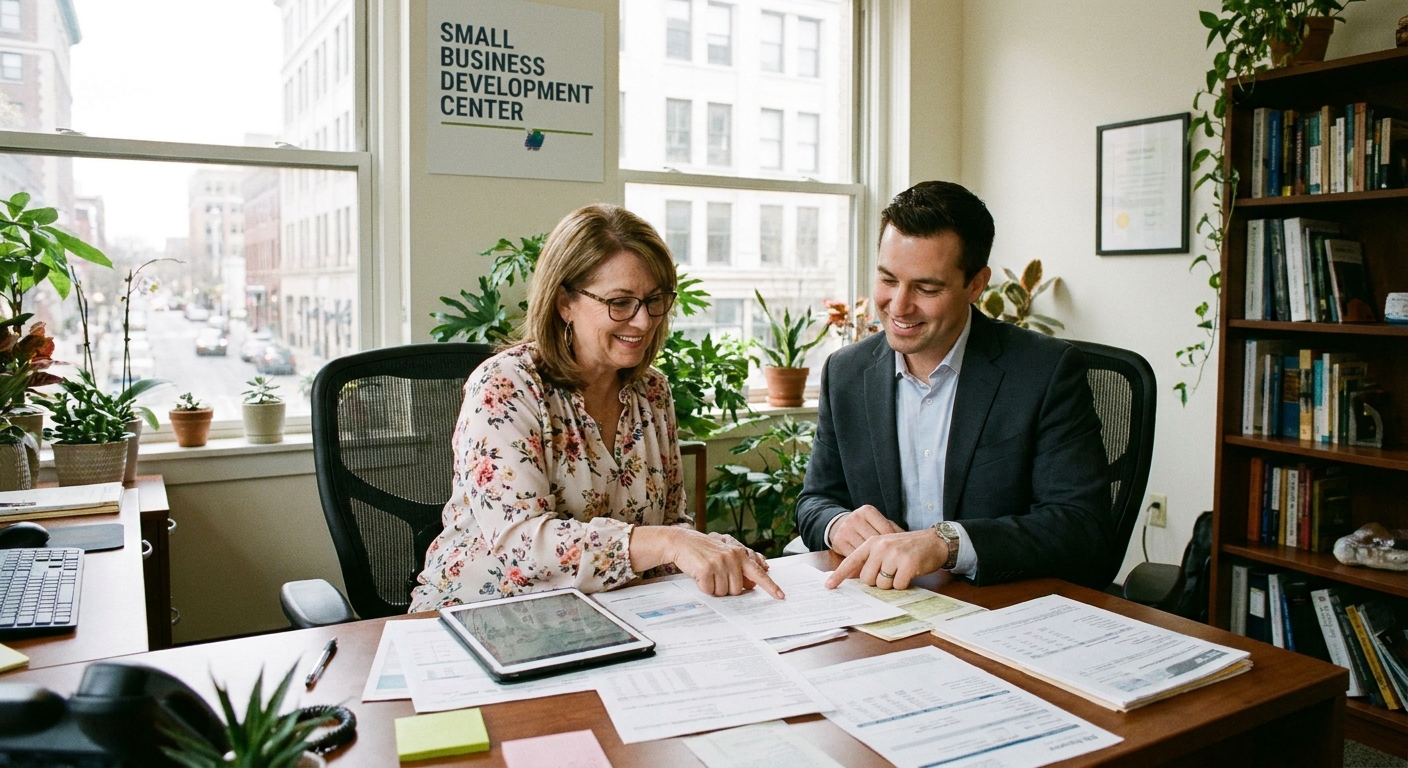
An SBA microloan is a small-dollar loan made by an intermediary, which is typically a nonprofit or other community-based lender. The SBA does not lend directly to you. Instead, the SBA provides funding to these intermediaries, and the intermediary then lends to eligible small businesses in its community.
That structure matters because it changes the experience. With a microloan, you are often getting both:
- Capital (the loan itself)
- Support (technical assistance like training, coaching, or help with bookkeeping and planning)
For many first-time borrowers, that second piece is the difference between getting approved and getting stuck.
Loan limits and typical size
The SBA Microloan Program is known for small loan amounts. The maximum microloan amount is up to $50,000, but many microloans are smaller.
In practice, intermediaries commonly make loans in the low tens of thousands, especially for brand-new businesses or owners with limited borrowing history. Think of it as funding that can realistically cover:
- Initial inventory for a retail or ecommerce launch
- A used work van or essential tools for a service business
- Small equipment purchases for a food business
- Working capital to smooth out seasonal cash flow
If you need $250,000 for a buildout, a microloan is not your tool. If you need $12,000 to buy equipment that lets you fulfill contracts profitably, microloans can be exactly right.
Terms and rates
Repayment terms (up to 6 years)
Microloans generally come with shorter repayment terms than SBA 7(a) or SBA 504 loans. Under program rules, the repayment term can be up to 6 years (72 months), and intermediaries can offer shorter terms depending on the loan purpose and their policies.
Rates are set by the intermediary
Interest rates are not one single number published for the whole program. The intermediary lender sets the rate, and it can depend on your credit profile, cash flow, collateral (if any), and how the lender underwrites microloans in its market.
In plain English: rates can vary widely. Your best move is to ask for a sample range for borrowers like you and then compare it to the total cost of other options, not just the headline rate.
Expect documentation, but often more flexibility
You will still need to show you can repay the loan. That typically includes items like a basic business plan or use-of-funds explanation, financial statements (or projections if you are new), and personal financial information. The difference is that an intermediary may be more willing to work with you on the story behind the numbers, especially when paired with technical assistance.
Eligibility basics
Each intermediary can have its own criteria, but microloans are generally aimed at U.S.-based small businesses that need a modest amount of capital for operational growth.
Here are the basics most borrowers should be ready for:
- You are an operating small business or a startup with a realistic plan to reach revenue.
- You can explain how the funds will be used and how the loan will be repaid.
- Your personal finances matter because many intermediaries look at owner credit, overall obligations, and payment history.
And here are common disqualifiers or non-starters across SBA lending programs more broadly, which many intermediaries mirror:
- Passive real estate investment (money for a property you are not running an operating business out of)
- Speculative uses with no clear repayment plan
- Use of proceeds for prohibited purposes under a lender’s policy
If you are unsure whether your business type is eligible, ask the intermediary directly at the beginning of the conversation. It saves everyone time.
Technical assistance
This is the part many borrowers miss until they are already in the process: microloan intermediaries often provide, or require, technical assistance.
That can include:
- Business planning support
- Cash flow and budgeting help
- Pricing and margin coaching
- Basic accounting setup and bookkeeping practices
- Credit-building guidance
- Operational help like inventory systems or vendor management
If you are the kind of founder who thinks, “I just need money, not classes,” I get it. But as someone who has watched business owners burn through capital because the operational engine was not ready, I also know this support can protect you from expensive mistakes.
Practical tip: Ask early whether technical assistance is required, what it costs (if anything), and how it is delivered (workshops, 1:1 coaching, online modules). Build it into your timeline.
Eligible uses and restrictions
Microloans are designed for practical, business-building expenses. Common eligible uses include:
- Working capital (cash to run day-to-day operations)
- Inventory (products and supplies to sell)
- Furniture, fixtures, and equipment (tools, machines, POS systems)
- Some improvements related to operations, depending on the intermediary’s policy
The best uses are the ones that clearly tie to revenue and repayment. For example, a piece of equipment that allows you to take on more jobs, or inventory that converts quickly into sales.
Common restrictions
Restrictions can vary by lender, but these are common limitations to know up front:
- Buying real estate is typically not what microloans are for.
- Refinancing existing debt is often restricted.
- Paying delinquent taxes is commonly prohibited.
- Passive or investment-only uses are generally not the point of the program.
Always confirm allowed uses with the specific intermediary you are applying with, because their policies and local guidelines shape the final answer.

Who offers microloans
You do not apply to the SBA for microloan funds. You apply through an SBA-approved intermediary in your region.
These organizations are often community development lenders, nonprofit loan funds, and local business support groups. They tend to be mission-driven and focused on increasing access to capital, including for:
- Newer businesses with limited time in operation
- Owners in underserved communities
- Businesses that are too small for bank underwriting to be efficient
Because microloan intermediaries are local or regional, availability can depend on where you are located and which organizations serve your area. A practical starting point is the SBA’s official Microloan Intermediary lender list, then narrowing to the groups that serve your county or metro area.
When you speak with a potential intermediary, ask these questions immediately:
- What is your typical loan size for a business like mine?
- What credit profile do you usually require?
- Do you require collateral, and if so, what kind?
- How long does approval and funding usually take once my file is complete?
- What technical assistance is included or required?
- What fees should I expect (application, origination, closing)?
Fees and guarantees
Microloans are small, but they are still real loans with real paperwork.
- Fees: Some intermediaries charge application, origination, or closing fees. Ask for a fee schedule early so you can compare true costs apples to apples.
- Personal guarantees: A personal guarantee is common, especially for owner-operated small businesses.
- Collateral: Some intermediaries require collateral, particularly as loan sizes increase. Others may be more flexible for smaller requests.
None of this is meant to scare you off. It is meant to keep you from being surprised halfway through the process.
Microloan vs 7(a) vs 504
If you have read our breakdown of SBA 7(a) Loan vs 504 Loan: Which Fits Your Business Plan?, here is the missing puzzle piece: microloans are a different lane entirely. They are not a smaller version of 7(a) or 504. They are a separate program with different lenders and a different goal.
Use microloans when
- You need a small amount of capital, generally under $50,000.
- You are early-stage or small enough that a bank loan process feels out of reach.
- You value, or need, hands-on coaching alongside funding.
- Your use of funds is straightforward: equipment, inventory, working capital.
Use SBA 7(a) when
- You need more capital than a microloan can provide.
- You want flexibility for a wide range of business purposes.
- You are comfortable working with a bank or bank-like lender and a more documentation-heavy process.
Use SBA 504 when
- You are primarily financing major fixed assets, like owner-occupied commercial real estate or long-term equipment.
- You want a structure designed for big-ticket, long-life assets rather than working capital.
A quick way to decide
If your need is “help me buy the thing that lets me start or stabilize operations,” microloan lenders are often the best first conversation.
If your need is “help me buy the building” or “help me fund a six-figure plan,” you are likely in 7(a) or 504 territory.

What lenders look for
Each intermediary has its own underwriting, but most are trying to answer the same basic question: Will this loan improve your business enough that you can repay it?
Common factors include:
- Cash flow or a credible path to cash flow
- Character and reliability (your track record paying bills, not just your score)
- Clarity of use (a specific, sensible plan for the funds)
- Business fundamentals (pricing, margins, customer demand)
- Collateral (sometimes required, depending on loan size and policy)
If your business is brand new, expect to spend more time on projections, your experience in the industry, and how you will win your first customers.
How to apply
Microloans are smaller, but they are not casual. A clean application can save weeks.
1) Write a simple use-of-funds plan
List what you are buying, the cost of each item, and why it matters. “$18,000 for equipment” is vague. “$12,500 for a used cargo van and $5,500 for shelving and tools so I can complete jobs without renting equipment” is a plan.
2) Bring numbers you can explain
If you are operating already, bring recent bank statements, a basic profit and loss statement, and a list of debts. If you are pre-revenue, bring startup cost estimates and a realistic first-year forecast you can walk through line by line.
3) Know your personal financial picture
Most microloan programs consider the owner’s credit and overall obligations. Even if the business is the focus, your personal debt payments and credit history often affect approval.
4) Be ready to engage with technical assistance
If coaching is offered, treat it like a resource, not a hoop. In my experience, borrowers who lean in tend to build systems that make the next funding step easier, whether that is a larger SBA loan or conventional financing.
Red flags
- Unclear use of funds or a shopping list that does not tie to revenue
- Over-optimistic projections with no customer acquisition plan
- Mixing business and personal finances in a way that makes cash flow hard to verify
- Missing basics like licenses, registrations, or insurance required for your industry
- Trying to solve a profitability problem with debt rather than fixing pricing, costs, or demand
If any of these are you, do not assume it means “no.” It often means “not yet.” Microloan intermediaries are frequently willing to help you tighten the plan and reapply stronger.
FAQ
Can a startup get an SBA microloan?
Yes, many microloan intermediaries work with startups. Expect to provide more planning documentation and a clear explanation of how you will reach sales and repay the loan.
Is a microloan easier than an SBA 7(a) loan?
It can be more accessible for very small borrowers because it is offered through intermediaries and paired with technical assistance. But you still have to show ability to repay and provide documentation.
How fast can you get funded?
Timelines vary by intermediary. If speed matters, ask the lender what their typical time from completed application to funding looks like, and what commonly causes delays.
Can I use a microloan to buy a building?
Microloans generally are not designed for real estate purchases. For owner-occupied real estate, SBA 504 is often the program people explore, while SBA 7(a) can sometimes be used for real estate depending on structure and eligibility.
Do microloans require collateral?
Sometimes. Policies vary by intermediary, loan size, and borrower profile. Ask directly what they take as collateral and whether a personal guarantee is required.
The bottom line
The SBA Microloan Program is best thought of as a community-based on-ramp to business financing. Smaller amounts, shorter terms, and a real emphasis on coaching and fundamentals.
If you are truly small right now and your funding need is tactical, microloan intermediaries can be the right door. If your plan requires larger dollars or long-lived assets like real estate, you are likely better served by exploring SBA 7(a) or SBA 504 through bank and SBA lending channels.
Either way, the most bankable thing you can bring to any lender is the same: a clear use of funds, honest numbers, and a repayment plan that does not depend on perfect luck.