I grew up watching my parents run a mid-sized agricultural supply company where every decision had two price tags: what it cost the business today, and what it meant for our future. Retirement contributions were always part of that push and pull. As a planner now, I see the same tension in modern one-person businesses: you want to max out a SEP IRA or Solo 401(k), but you also do not want to accidentally shrink a valuable tax break like the Qualified Business Income deduction.
So let’s answer the question clearly: yes, deductible SEP IRA and Solo 401(k) contributions usually reduce QBI, which can reduce your Section 199A QBI deduction. The good news is that even if your QBI deduction goes down, the retirement deduction itself is still often a net win.

Quick answer: yes, it often lowers QBI
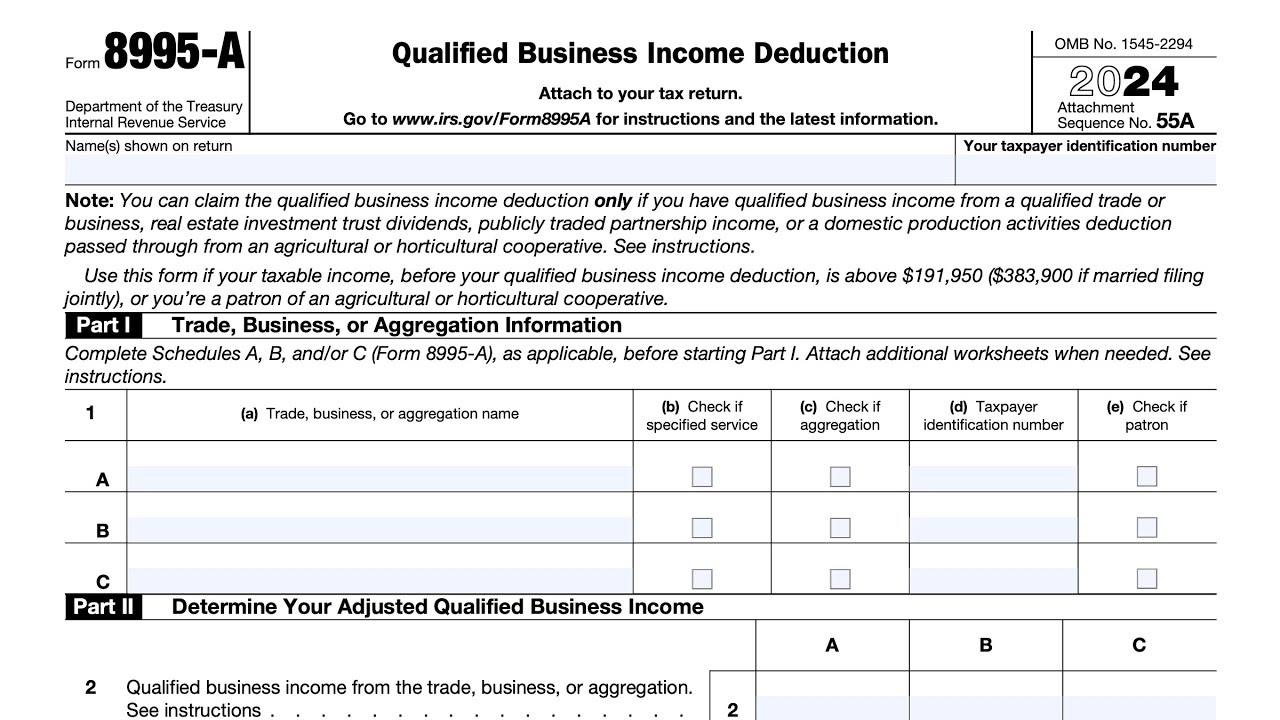
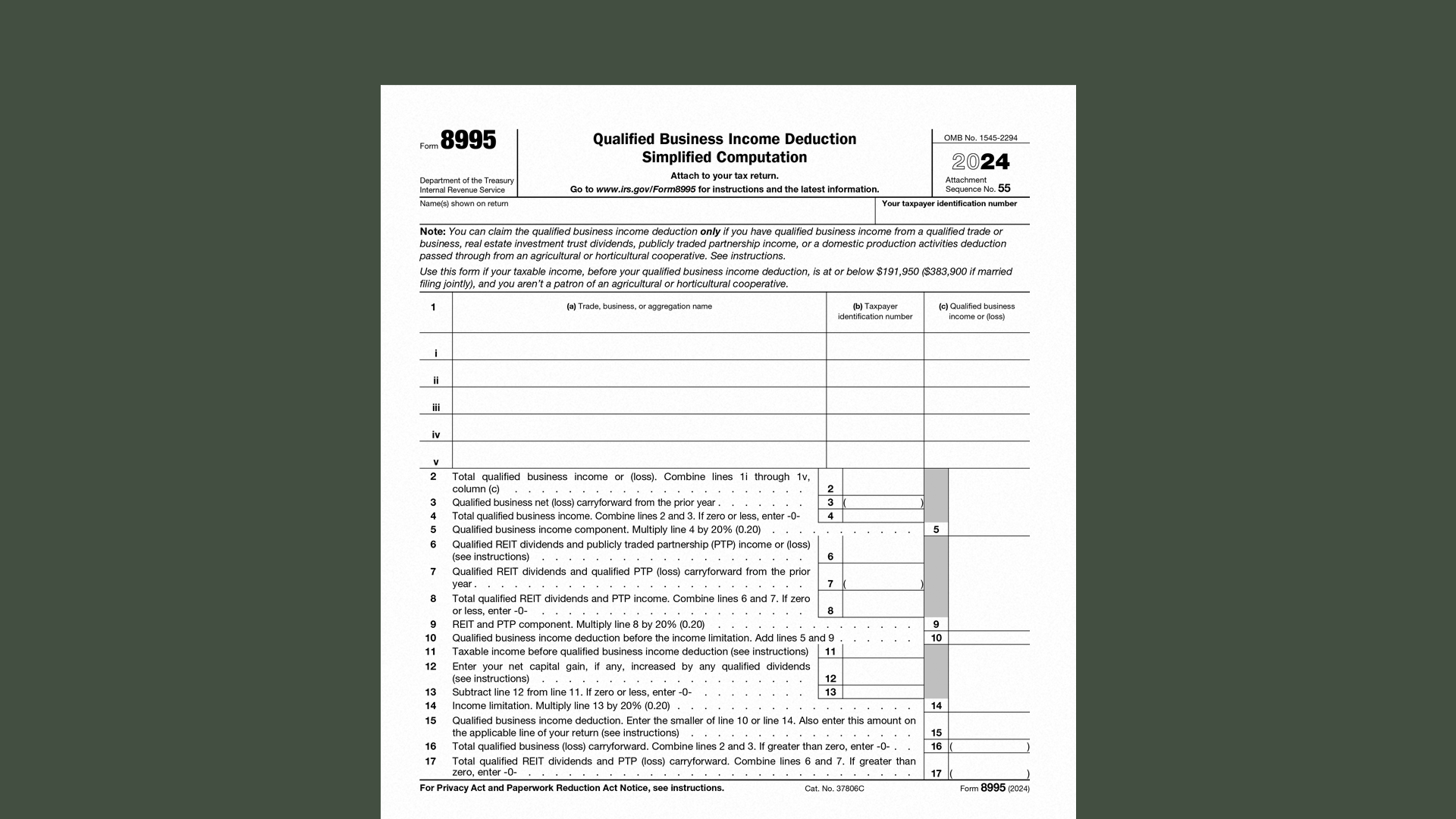
Qualified Business Income (QBI) is generally your net income from a qualified trade or business, with certain required adjustments.
For many self-employed taxpayers, deductible contributions to a:
- SEP IRA
- Solo 401(k) (also called an individual 401(k))
reduce the income used in the QBI calculation. In plain English, they reduce the profit number that flows into the QBI formula. That means your 20% QBI deduction is calculated on a smaller base.
One nuance that matters: where the retirement deduction is claimed on the return is not always the same as how it is treated for QBI. For example, Solo 401(k) elective deferrals for a self-employed person are often taken on the individual return rather than as a Schedule C line item. Even so, the Section 199A rules generally allocate certain deductions back to the business, so the practical result is often the same: deductible contributions tend to reduce QBI.
Why retirement contributions change your QBI
The QBI deduction is based on net qualified business income, not gross revenue. When you make a deductible self-employed retirement contribution, you are doing two things at once:
- Lowering taxable income (good)
- Lowering QBI (which can lower the 199A deduction)
This is not a penalty. It is just how the math works when a deduction is connected to business profit.
Also keep in mind: for sole proprietors and many partners, QBI is not always identical to Schedule C net profit. It is commonly reduced by other items tied to self-employment income, such as the deductible part of self-employment tax and, when applicable, the self-employed health insurance deduction.

A simple before-and-after
Let’s keep this example intentionally clean so you can see the moving parts. Assume:
- You are a sole proprietor filing Schedule C
- Your business is eligible for the QBI deduction
- You are below the income level where W-2 wage and property limits complicate the calculation
- Your QBI deduction is simply 20% of QBI (also limited by taxable income, but we will ignore that cap for the moment)
Before retirement contribution
- Net business profit (simplified QBI starting point): $100,000
- QBI deduction (20%): $20,000
After a deductible SEP IRA or Solo 401(k) contribution
Now suppose you make a $15,000 deductible retirement contribution.
- Revised QBI (simplified): $100,000 − $15,000 = $85,000
- New QBI deduction (20%): $17,000
What changed? Your retirement deduction reduced QBI by $15,000, which reduced your QBI deduction by $3,000 (20% of $15,000).
What is the net tax effect? You still deducted the full $15,000 retirement contribution. The tradeoff is that your QBI deduction is $3,000 smaller than it would have been.
In a real return, the starting QBI number may already be lower than Schedule C profit because of required adjustments (like the deductible portion of self-employment tax, and potentially self-employed health insurance). Those details can change the exact numbers, but they rarely change the direction of the effect.
SEP vs Solo 401(k)
In most real-world situations, the direction of the QBI impact is similar as long as the contribution is deductible: more deductible retirement savings usually means lower QBI.
- SEP IRA: Employer contribution only. Deductible contributions commonly reduce the income base used to calculate QBI.
- Solo 401(k): Often includes employee deferrals and an employer contribution. Even when part of the deduction is taken on your personal return, it is commonly treated as attributable to the business for QBI purposes, so QBI often goes down here too.
The bigger difference between SEP and Solo 401(k) is usually how much you can contribute at different income levels and whether you want features like Roth deferrals (if your plan allows) or participant loans (if your plan document allows). In other words, the direction of the QBI impact is similar, but the amount depends on how much you contribute.
What about S corporations?
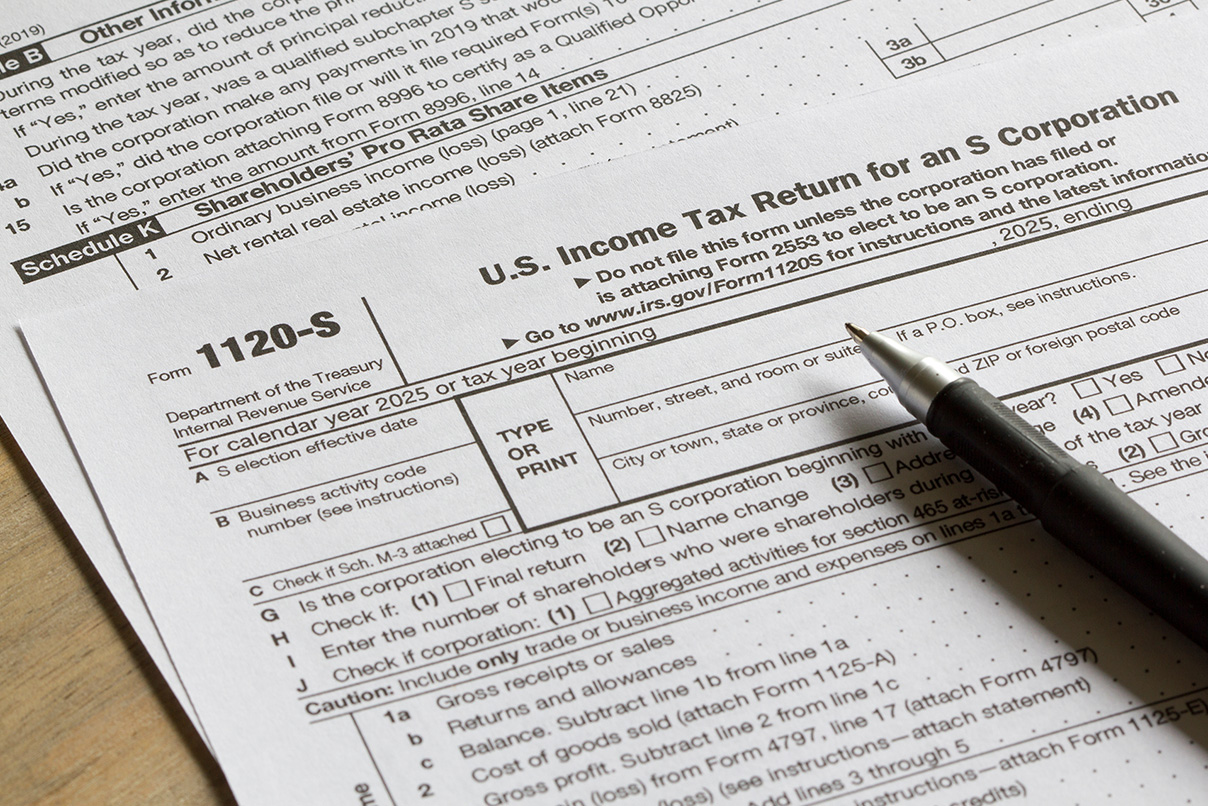
S corporations add a layer: the owner is typically paid via W-2 wages, and the retirement plan contribution is often made by the S corporation and deducted on the corporate return. QBI for an S corporation is based on the business’s ordinary income items passed through to you, and shareholder W-2 wages are not QBI.
In many cases, employer retirement contributions made by the S corporation reduce the S corporation’s ordinary business income. That can reduce the pass-through income that becomes QBI, while your W-2 wages generally stay the same.
At higher incomes, that split matters because the Section 199A calculation can also be limited by W-2 wages and qualified property. So you can end up in a situation where QBI goes down but W-2 wages do not move, and the limitation math may change in ways that are not obvious until you run the numbers.
If you are an S corp owner, it is worth modeling a few scenarios with your CPA because retirement contributions can affect both pass-through income and the wage-based limitations that sometimes apply to the QBI deduction.
Common misunderstandings
If my QBI goes down, I should stop contributing
Not necessarily. Think of it this way: a deductible retirement contribution can create a second-order effect that slightly reduces a separate deduction. That does not mean the contribution is bad. It just means you should evaluate the net tax benefit plus the long-term value of retirement savings.
My QBI deduction is 20% of my retirement contribution
No. The QBI deduction is generally 20% of QBI. Retirement contributions can reduce QBI, which then reduces the QBI deduction.
This is only a Schedule C issue
It comes up across pass-through business structures because QBI is a pass-through concept. The mechanics differ, but the theme is consistent: deductions that reduce business profit often reduce QBI.
Planning takeaways
- Expect some QBI reduction when you take deductible self-employed retirement contributions.
- Run the math both ways before you decide how aggressively to contribute late in the year, especially if you are near an income threshold where other limits kick in.
- Do not optimize one deduction in isolation. Your best move is the one that improves your overall after-tax picture and strengthens your long-term balance sheet.
- Remember the other QBI adjustments. The deductible part of self-employment tax and self-employed health insurance (when applicable) can also reduce QBI, sometimes materially.
- Know the moving targets. Specified service trades or businesses can face phaseouts at higher incomes, and under current law the Section 199A deduction is scheduled to sunset after 2025 unless Congress extends it.
- Document your numbers. Clean bookkeeping makes QBI and retirement calculations far less painful at tax time.

FAQ
Do Roth Solo 401(k) contributions reduce QBI?
Roth employee deferrals are generally not deductible, so they generally do not reduce taxable income the same way pre-tax deferrals do. Since QBI is tied to deductible items that affect business income, a non-deductible Roth deferral typically would not reduce QBI in the same way. However, many Solo 401(k) setups also include an employer contribution that is deductible, and that portion commonly can reduce QBI.
If my retirement contribution lowers QBI, does it lower my self-employment tax too?
For many sole proprietors and partners, no. Employer-type SEP and Solo 401(k) contributions are generally figured based on your net earnings from self-employment and are deducted separately, so they typically do not reduce the income used to calculate self-employment tax. That said, entity structure and how you are paid (for example, S corporation wages) can change the analysis.
Is the QBI deduction always 20% of QBI?
Not always. For some taxpayers, the deduction can be limited by taxable income, and at higher incomes the wage and property limits and specified service trade or business rules can apply. The simplified 20% example is still a great way to understand the basic direction of the impact.
The bottom line
Yes, deductible SEP IRA and Solo 401(k) contributions commonly reduce QBI, which can reduce your QBI deduction. But for many self-employed people, that is still a trade worth making because you are lowering taxable income while building real retirement security.
If you want the cleanest next step: estimate your business profit for the year, model a few contribution amounts, and look at the net effect on both your retirement deduction and your QBI deduction. That one exercise tends to turn this from a vague worry into a confident decision.