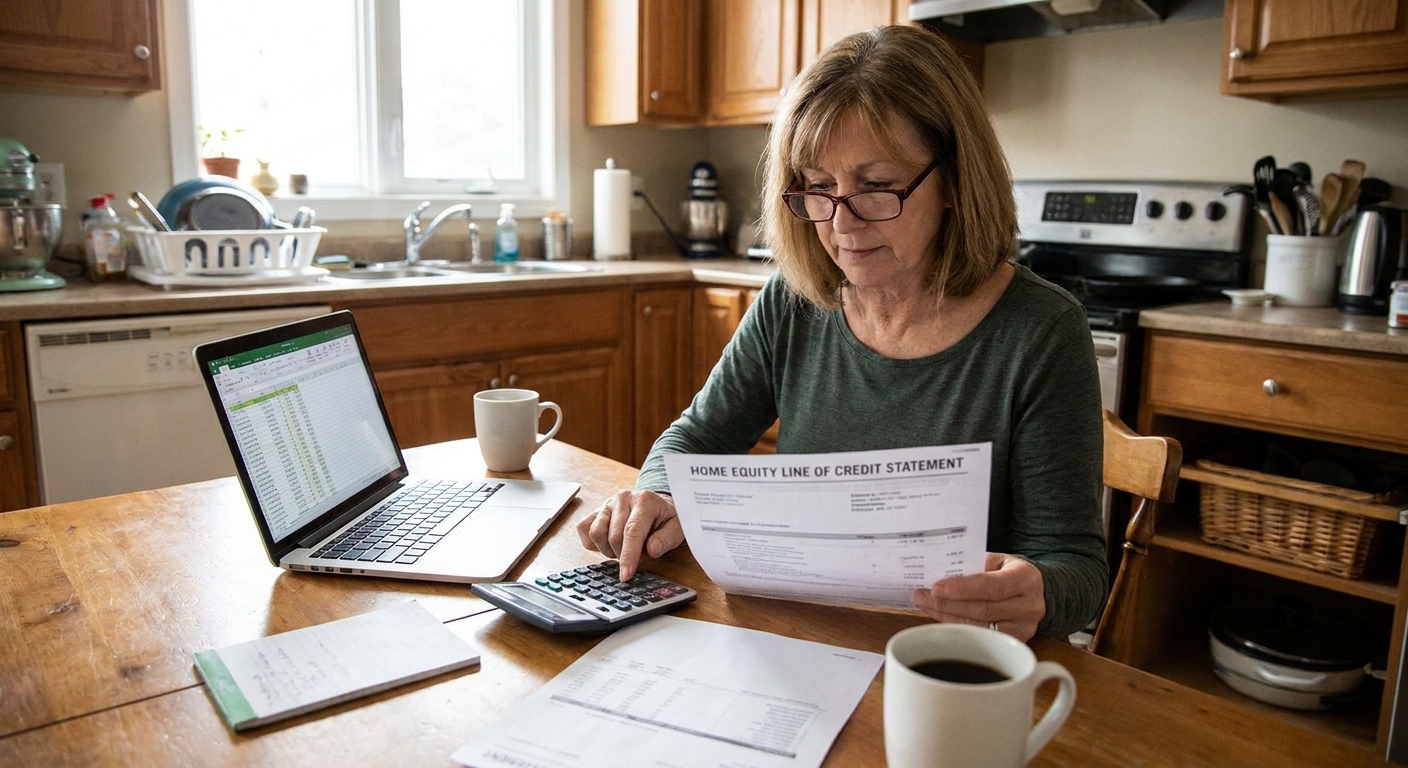
I grew up watching my parents juggle business lines of credit, seasonal cash flow, and the kind of high-interest debt that feels like it multiplies when you look away. One thing I learned early is that the “cheapest” interest rate is not always the safest debt. That is exactly the tension with using a HELOC to pay off credit card balances.
A home equity line of credit can be a smart consolidation tool in the right household with the right safeguards. But it can also turn a stressful credit card situation into a much bigger problem by putting your home on the line. Let’s walk through the pros, the cons, the risks that people underestimate, and alternatives that may fit better.

What a HELOC is, in plain English
A HELOC is a revolving line of credit secured by your home’s equity. Think of it like a credit card backed by your house: you have a limit, you can borrow and repay repeatedly during the draw period, and your interest cost depends on how much you’re using.
Draw period vs repayment period
- Draw period: Commonly 5 to 10 years. You can borrow, repay, and borrow again. Some HELOCs allow interest-only payments during this phase, which can be tempting but risky.
- Repayment period: Commonly 10 to 20 years. Borrowing typically stops and you repay principal plus interest, which can make your required payment jump.
Variable rate is the default
Most HELOCs have variable interest rates tied to an index (often the prime rate) plus a margin. That means your payment can rise even if you do everything “right,” simply because the index can change.
Why people use a HELOC to pay off credit cards
The logic is straightforward: credit cards often charge high interest calculated daily on your balance. A HELOC rate is usually lower, so more of your payment goes to principal and you could get out of debt faster.
Potential benefits
- Lower interest rate: Many borrowers see a meaningful drop compared with typical credit card APRs.
- One monthly payment: Consolidation can reduce mental load and missed payments.
- Cash flow relief: A lower rate can reduce the monthly minimum, freeing up room in your budget.
- Flexibility: If used carefully, a line of credit can help manage timing issues, like irregular income or large expenses.
That said, the “lower rate” headline can hide costs and risks that matter more than the APR.
The biggest tradeoff: you are putting your home behind the debt
Credit card debt is typically unsecured. If you fall behind, your credit takes a hit and collections can get ugly. And while a card issuer does not automatically have a claim on your house, creditors can sometimes sue, obtain judgments, and in some states attach liens. The details vary a lot by state and situation.
A HELOC is secured. That means the lender has a lien on your home. If you cannot pay, foreclosure is typically a last step after serious delinquency, but it is legally on the table. This is why I treat the decision with the same seriousness as refinancing a mortgage.
Qualifying: what lenders look at
Even if using home equity sounds like an obvious fix, approval is not automatic. Lenders typically underwrite HELOCs based on:
- Credit score and credit history
- Income and employment stability
- Debt-to-income ratio (DTI)
- Combined loan-to-value (CLTV), meaning your first mortgage balance plus the HELOC compared with your home’s value
- Cash reserves and overall financial profile, depending on the lender
Practically, this means two things. First, the borrowers who most want relief are not always the borrowers who qualify for a good rate. Second, your available line may be smaller than you expect if you already have a large mortgage balance.
The real costs: fees, appraisals, and promo rates
HELOC marketing can make it sound frictionless. In practice, there may be upfront and ongoing costs that reduce the savings versus other options.
Common HELOC costs to ask about
- Application or origination fees
- Appraisal fee or a valuation fee
- Title search and recording fees
- Annual maintenance fee (some lenders charge it)
- Early closure fee (not universal) that can apply if you close the line within a set window, such as the first 12 to 36 months
Promo rates can reset higher
Some HELOCs start with a teaser introductory rate for a set period. After that, the rate can step up materially. If your payoff plan depends on a low intro rate, stress-test your budget at a higher rate.
A quick example of how savings can shrink
Say you have $25,000 on credit cards at 24% APR, and you qualify for a HELOC at prime plus a margin that comes out to 9% today. On paper, the interest savings can be significant.
But if the HELOC rate later rises to 11% or 12%, and you paid a few hundred to a couple thousand dollars in closing costs, the “slam dunk” gets less obvious. This does not mean it is a bad move. It means you should run the math at multiple rates and include fees before you treat the savings as guaranteed.
Risks that borrowers underestimate
1) Variable-rate exposure
If rates rise, your interest expense rises, and your payoff timeline can stretch. A HELOC is not just “cheaper credit.” It is cheaper credit that can get more expensive.
2) Payment shock when repayment begins
If you make interest-only payments in the draw period, you have not reduced the balance much. When the repayment period starts, your payment can jump because you now owe principal plus interest over a shorter remaining term.
For example, an interest-only payment on a $30,000 HELOC might look manageable today, then jump materially once principal repayment kicks in, especially if rates are higher. Your exact numbers depend on the rate, terms, and remaining repayment length.
3) The balance can creep back up
The most common consolidation failure mode is behavioral, not mathematical:
- You pay off cards with the HELOC.
- Your credit card balances go to zero.
- Spending slowly returns, often because nothing else changed.
- You end up with both credit card debt and a HELOC balance.
If you are going to consolidate, you need a plan to keep the cards from refilling.
4) Home value risk and HELOC freezes
If your home value drops, you can end up with less equity and fewer options. And depending on your contract and applicable rules, lenders may reduce or suspend a HELOC if collateral value declines significantly or there is a material change in your financial circumstances.
5) Selling or refinancing gets more complicated
A HELOC is a lien. When you sell your home, it typically has to be paid off from the proceeds. When you refinance your first mortgage, your new lender may require the HELOC to be paid off, or the HELOC lender may need to agree to subordinate the line. This surprises people, and it matters if you think you might move or refinance soon.
6) You can damage long-term wealth building
Home equity is not just a number. For many families it is a backstop for emergencies and a key piece of retirement stability. Using it to solve short-term cash flow problems can increase stress later, especially if the debt payoff does not stick.

HELOC vs home equity loan for credit card payoff
If you are determined to use home equity, you usually have two main options: a HELOC (revolving, often variable) or a home equity loan (one-time lump sum, usually fixed).
When a HELOC can make sense
- You need flexibility because your payoff plan involves timing, like paying off multiple cards over several months.
- You have strong income stability and the discipline to avoid re-borrowing.
- You can tolerate rate movement, and your budget still works if the rate increases.
When a fixed home equity loan may be safer
- You want a fixed interest rate and predictable payments.
- You have a clear, one-time consolidation amount and do not want revolving access.
- You are worried about variable-rate jumps and want certainty.
In many households, a fixed home equity loan is psychologically safer for consolidation because it removes the temptation to dip back in.
How to decide if a HELOC is a reasonable move
I like to frame this decision around two questions: will it materially reduce interest costs, and can you realistically keep the debt from coming back?
A quick self-check
- Your debt is not growing anymore. If balances are still increasing month to month, consolidation is premature.
- You have a payoff plan with a timeline. A target date matters.
- You have an emergency buffer. Even a small starter fund can prevent new card charges.
- Your housing payment is already comfortable. If your mortgage payment feels tight, adding secured debt can compound risk.
- You can handle a higher rate. Run your numbers at a meaningfully higher APR than today.
Rules I recommend if you choose a HELOC
- Stop using the cards while you pay them off. If you keep one card for essentials, set a hard monthly cap and pay it weekly.
- Automate a fixed payoff payment. Do not rely on “whatever is left at the end of the month.”
- Do not treat the HELOC as an emergency fund. Build cash reserves separately.
- Ask about rate caps and conversion options. Some HELOCs allow you to lock portions into fixed-rate segments.
Alternatives to consider first
If the goal is to reduce interest and get out of debt faster, you may have options that do not put your home at risk.
0% APR balance transfer card
If your credit qualifies, a balance transfer can give you a promotional 0% APR window. Watch for balance transfer fees and be realistic about whether you can pay it down before the promo period ends.
Personal debt consolidation loan
A fixed-rate personal loan can consolidate balances without securing the debt to your home. Rates vary widely by credit score and lender, but the fixed payment structure can be helpful.
Debt management plan
A reputable nonprofit credit counseling agency may negotiate reduced rates and fees with your creditors. You make one monthly payment to the plan. This can be a strong option if you need structure and a clear payoff path.
Snowball or avalanche without consolidation
If your credit is strained or you are close to paying off balances, simply committing to a payoff method can work well.
- Avalanche: Pay extra on the highest APR first to minimize interest.
- Snowball: Pay extra on the smallest balance first to build momentum.
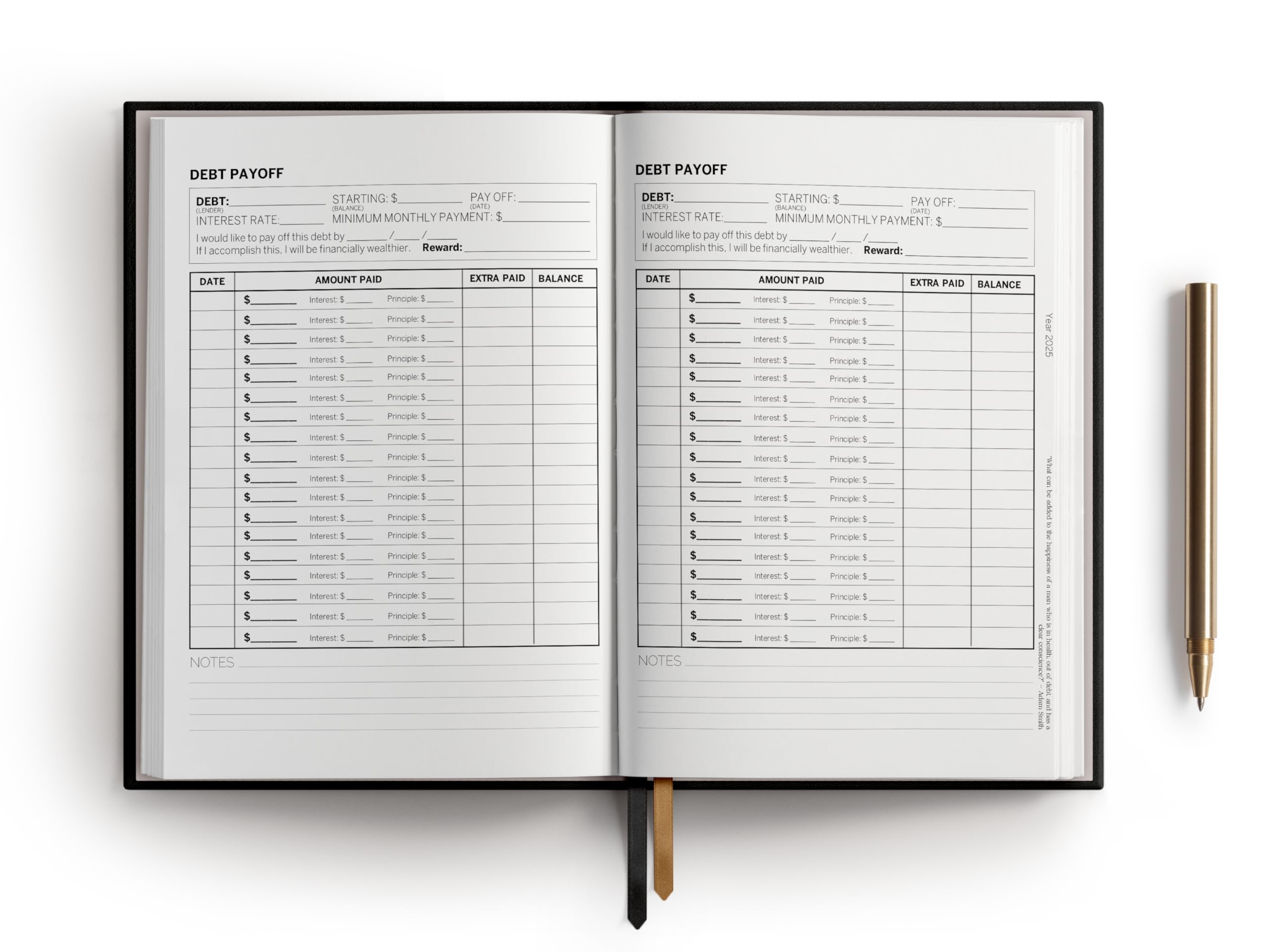
If you do use a HELOC: a safer plan
Step 1: Confirm the true cost of your credit card debt
List each card’s balance, APR, and minimum payment. If your cards have penalty APRs, note those too.
Step 2: Get a HELOC quote and model multiple rate scenarios
Ask for the margin, index, and whether there is an introductory rate. Then calculate payments at today’s rate and at higher rates to see if you can still afford the payoff plan.
Step 3: Borrow only what you need to pay off the cards
Do not pad the draw “just in case.” Over-borrowing is how consolidation turns into new lifestyle debt.
Step 4: Pay the cards off in full, then change the system
- Remove stored card numbers from online retailers.
- Freeze cards if overspending is a risk.
- Set alerts for any charge above a small threshold.
Step 5: Treat the HELOC payoff like a fixed loan
Even though it is a line of credit, pay it like it is a term loan. A fixed monthly autopay that actually reduces principal is the difference between “strategy” and “temporary relief.”
FAQ
Is interest on a HELOC used to pay off credit cards tax-deductible?
In general, interest on home equity borrowing is only deductible in certain situations when the funds are used to buy, build, or substantially improve the home securing the loan, and only if you itemize deductions. It is also subject to IRS limits. Using a HELOC to pay off credit cards typically does not qualify. Tax rules are fact-specific, so check with a tax professional about your situation.
Can a HELOC hurt my credit score?
Opening a HELOC can cause a small, temporary dip due to the credit inquiry and new account. Over time, it may help or hurt depending on utilization, payment history, and overall debt levels. The bigger risk is missing payments, which can significantly damage credit.
Should I close my credit cards after paying them off with a HELOC?
It depends. Closing cards can reduce available credit and potentially hurt utilization. But if access leads to repeat debt, keeping them open can be risky. A middle-ground approach is to keep one card open for regular, budgeted expenses and lock down the rest.
What’s the biggest reason HELOC consolidation fails?
Not changing spending and cash flow habits. The math works, but the behavior does not. The moment you pay off cards, you need a plan that prevents the balances from rebuilding.
The bottom line
A HELOC can be a powerful tool to reduce interest and simplify your debt payoff. But it comes with a high-stakes trade: you are converting unsecured credit card debt into debt secured by your home, often at a variable rate.
If you have stable income, a disciplined payoff plan, and enough equity cushion, it may be worth considering. If your budget is already tight, your spending is still outpacing income, or the thought of rate increases makes your stomach drop, start with alternatives like a balance transfer, a fixed personal loan, or a structured debt management plan.
The goal is not just to move debt around. The goal is to get your financial breathing room back and keep it.