If you have ever wondered why corn can drop even when you keep hearing about drought, or why coffee spikes on a headline that seems unrelated to farms, you are not alone. Agricultural commodities are not priced only on what grows in the field. They are priced on what moves through the system: fertilizer, fuel, containers, railcars, barges, export inspections, insurance, and port capacity.
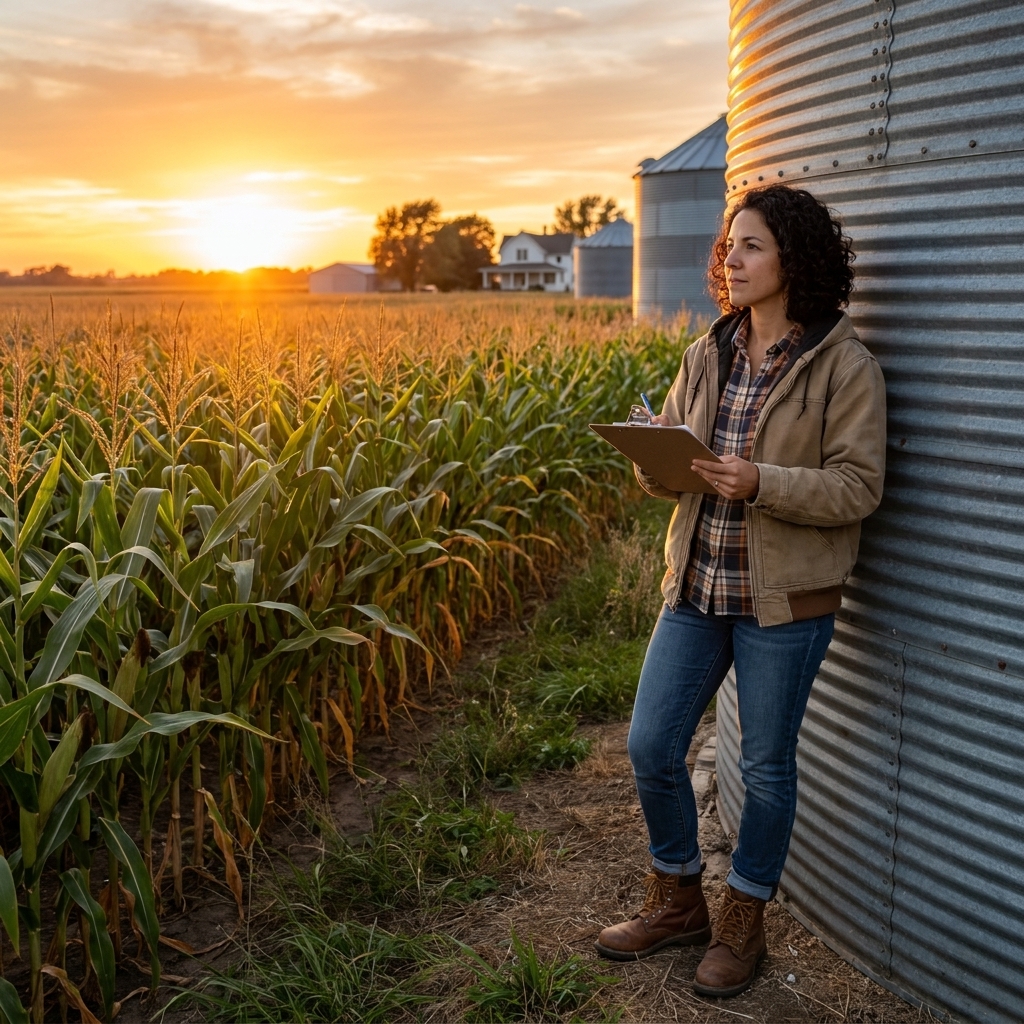
I grew up around a mid-sized agricultural supply business. The farm inputs were important, but the real stress often arrived by phone call: a shipment delayed, a loan covenant tightening, a price move that happened before the trucks were even loaded. That same chain reaction is what traders are dealing with today, just at global scale.
This article is a framework you can use all year: how supply chain disruptions show up in ag prices, the logistics signals that matter, and specific ways to adjust your trades and position sizing without turning your portfolio into a stress machine.
Why logistics headlines move ag prices fast
Agricultural markets are unique because the “inventory” is partly biological and partly industrial. Grain can be stored for long periods, but storage is never free: quality risks, shrink, pest management, financing, and space all add up. Perishables have even less flexibility. That makes transport and timing a pricing lever, not just a cost.
When logistics are smooth, price differences between regions tend to narrow and trade flows do the balancing. When logistics break, those regional differences can explode. Traders call this “basis” behavior, and it is where a lot of the real story hides. Basis is simply the local cash price minus the futures price.
The price pathways: where disruptions show up
- Flat price (futures level): Big shocks that change global availability, like export bans, severe drought, or major port closures.
- Spreads (calendar): Stress around timing, like harvest delays, tight nearby supply, or congestion that makes near-term delivery more valuable. Think nearby versus deferred contracts.
- Regional pricing and basis: When a local bottleneck prevents grain from reaching export channels, local cash prices can weaken even as global futures rally.
- Volatility: When markets cannot confidently model what happens next, options get more expensive. Sometimes the best “trade” is admitting you are paying too much for uncertainty.
The disruption playbook: 6 signals to watch
Most investors do not need to become shipping analysts. You just need a short watchlist that tells you whether the system is clearing or clogging. Here are the six signals I keep coming back to.
1) Chokepoints and shipping lanes
If you trade wheat, corn, soybeans, sugar, coffee, or cocoa, you are exposed to a handful of routes and ports. Disruptions can come from conflict risk, low water levels, strikes, or insurance costs rising suddenly.
- Clues: rerouting, reduced transits, higher war-risk premiums, port queues, or temporary closures.
- How it trades: nearby contracts can react first, then longer-dated ones follow if the issue persists.
2) River levels and barge traffic
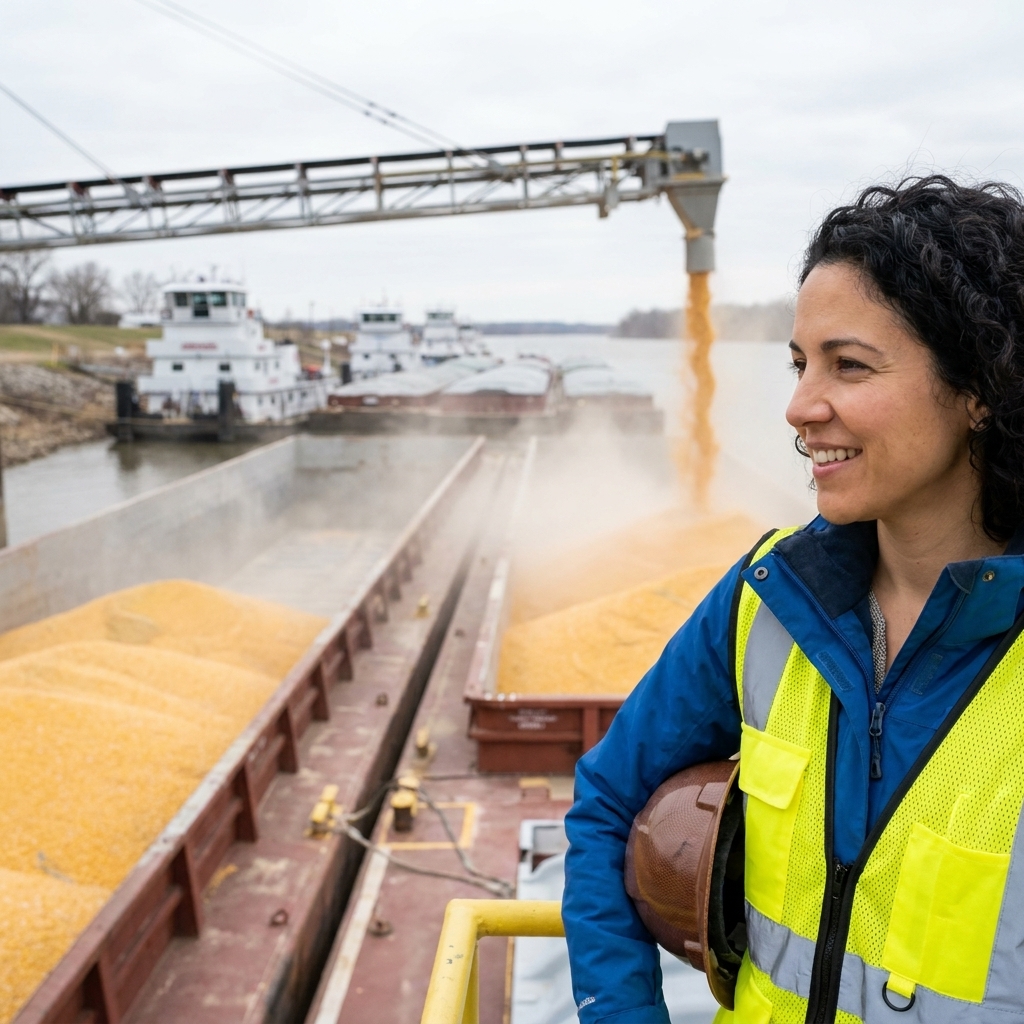
In the US, inland logistics are not a side story. When river levels drop, barge loads get lighter, freight costs rise, and the market has to “pay” to ration movement. That can change competitiveness of US exports week to week.
- Track: low water alerts on major rivers, barge freight rate spikes, and reports of draft restrictions.
- Trade implication: basis can weaken in interior regions while export hubs hold up better.
3) Rail and port throughput
Rail performance and port capacity determine whether a crop is merely “available” or actually deliverable into the global market.
- Track: export inspection trends, port lineups, labor negotiations, and rail service metrics.
- Trade implication: if inspections slump while futures rally, one possibility is that the market is pricing a movement problem, not a true supply shortfall. Keep in mind inspections can also be seasonal, lag price, or shift between ports, so treat it as a clue, not a verdict.
4) Fertilizer, diesel, and inputs
Inputs are a delayed fuse. Fertilizer disruptions do not always move prices today, but they can change planting decisions and yield prospects months out, especially in regions dependent on imports.
- Track: ammonia and urea pricing moves, diesel spikes, and sanctions or export restrictions on major producers.
- Trade implication: longer-dated grain contracts may respond more than the front month.
5) Currency and credit in exporters
When local currencies move sharply, farmers in exporting countries may hold grain, accelerate sales, or face credit constraints. That affects the pace of exports and the global balance sheet.
- Track: rapid devaluations, capital controls, and changes in export tax regimes.
- Trade implication: price can jump on “availability” even if the crop exists, because it is not being offered.
6) Policy shocks
A single policy memo can matter more than a month of weather, depending on timing and severity. Export bans on rice or wheat, new inspection rules, or changes to biofuel mandates can reshape trade flows quickly.
- Track: agriculture ministry announcements, customs changes, and biofuel policy updates.
- Trade implication: expect volatility and whipsaws. When policy is the driver, risk management matters more than being “right.”
Make it actionable: If you want a simple starting toolkit, three good public sources are (1) USDA weekly export sales and export inspections, (2) NOAA or USGS river gauge data for key waterways, and (3) exchange quotes for calendar spreads and implied volatility on the contracts you trade. You do not need perfect data, just consistent checkpoints.

Turn logistics news into trades
Headlines are loud. Your job is to turn them into a decision tree: is this a short-lived delay, a multi-week constraint, or a structural shift in trade flows?
Step 1: Classify the disruption
- Hours to days: temporary port closure, short strike threat, brief shipping incident. Often creates a volatility pop more than a lasting trend.
- Weeks: river restrictions, moderate port congestion, localized conflict flare-ups. Can affect nearby contracts and spreads.
- Months to seasons: sustained low water, sanctions, persistent rerouting, major infrastructure damage. More likely to change acreage, storage decisions, and longer-dated pricing.
Step 2: Ask who becomes marginal supply
Most ag price trends are about substitution. If one origin is constrained, who can step in?
- Wheat: Black Sea, EU, Australia, US, Canada often trade share as logistics and policy shift.
- Soybeans: Brazil versus US seasonality is huge, and logistics issues can amplify it.
- Coffee and cocoa: a few producing regions dominate, so transport hiccups can matter quickly.
Step 3: Confirm before sizing up
Before you add risk, look for at least two confirmations:
- Price action: is the market holding gains after the first spike?
- Spreads: is the nearby contract strengthening relative to later months?
- Physical indicators: export inspections, freight rates, or port lineups moving in the same direction as the story.
Step 4: Match the tool to the situation
Different disruption types call for different tools:
- Short, headline-driven shocks: options strategies can define risk when you expect volatility but are unsure on direction.
- Multi-week transport constraints: futures or sector ETFs may work if your stop-loss plan is tight and you can tolerate swings.
- Longer structural shifts: longer-dated exposure or diversified baskets may fit better than trying to nail the exact week of the turn.
Movement problem vs real shortage
One quick way to keep yourself honest is to separate “we cannot move it” from “we do not have it.” A movement problem often shows up as weak interior basis and messy shipment pace, while nearby spreads can firm because deliverability is temporarily scarce where it matters. A true supply shortfall tends to pull up futures more broadly and can keep spreads supported even after logistics start to normalize. These are patterns, not laws, but they are useful guardrails.
How to trade ag (with risk notes)
You have more choices than ever, which is both empowering and dangerous if you do not understand the plumbing. Here is a practical rundown.
Futures
Futures are the purest exposure, and they are also the most unforgiving. Leverage is embedded, margin calls are real, and volatility can be brutal.
- Best for: experienced traders with discipline and a clear risk plan.
- Supply chain angle: spreads and nearby contracts often react first to logistics constraints.
Options on futures
Options can be a gift when disruptions cause sharp moves. They also get expensive when everyone else has the same idea.
- Best for: defined-risk positioning around known risk windows.
- Supply chain angle: use options when the timing is uncertain but the potential range is wide.
Commodity ETFs and ETNs
These can be more accessible, but they often involve rolling futures contracts. In certain market conditions, the roll can help or hurt returns, sometimes meaningfully.
- Best for: investors who want exposure without futures accounts, and who are comfortable reading product structure notes.
- Supply chain angle: good for broad exposure when you believe logistics will keep volatility elevated across the complex.
Agribusiness equities
Fertilizer companies, farm equipment makers, grain processors, and logistics firms can benefit or suffer from disruptions, but equities add earnings risk and broader stock market dynamics.
- Best for: longer-term investors who want a business-model buffer and less direct commodity tracking.
- Supply chain angle: disruptions can widen crush margins, improve storage economics, or stress working capital depending on the business.
Personal rule of thumb: if you cannot explain where the return comes from (spot move, carry, roll yield, spread change, or equity earnings), you are not investing. You are hoping.
Risk rules for disruption markets
Supply chain disruption trades can be profitable, but they can also humble you fast. The market will often overshoot, reverse, and then trend again. You need a plan that survives the noise.
Use smaller size
If your normal position size feels comfortable, it is probably too large for ag during disruption periods. Volatility clusters. Your job is to stay solvent long enough to be right.
Pre-commit your exits
- Price-based: stop-loss levels that reflect normal volatility, not wishful thinking.
- Time-based: if the thesis is “port congestion resolves in two weeks,” set a review date.
- Thesis-based: if freight rates normalize or export inspections recover, your disruption premium may be fading.
Respect correlation shifts
In stress events, commodities can start moving together. That means buying “a little corn and a little wheat” may not diversify you the way it does in calmer markets.
Mind limits and liquidity
Some agricultural futures contracts have daily price limits, depending on the exchange and contract. That can trap you in a position longer than you expected. If you are using ETFs or ETNs, liquidity varies by product and can thin during sharp moves or when the underlying market is closed, so plan entries and exits accordingly.
A simple weekly routine
You do not need 40 tabs open. Try this cadence:
- Monday: Identify your top 2 to 3 commodities and write one sentence each on your thesis, including what would disprove it.
- Midweek: Check one logistics signal (river conditions, port lineups, freight rates) and one physical flow signal (export inspections, shipment pace).
- Friday: Review price action and spreads. If price is not confirming your story, reduce risk instead of arguing with the market.
If you are a business owner who uses these inputs, this same routine works for hedging decisions. It is the same muscle, just a different goal.
Note on data transparency: US grains offer relatively visible signals like published inspections and widely quoted basis. Coffee and cocoa can be harder. In those markets, you may lean more on exchange spreads, certified stocks, exporter commentary, freight, and port disruption updates as proxies.
Common scenarios and positioning
Let’s make this concrete. Here are disruption scenarios I see most often, plus the typical market behavior to watch.
Low water limits barge traffic
- What often happens: interior basis weakens, nearby spreads may firm, and export pace becomes choppy.
- Positioning idea: consider defined-risk exposure (options) or smaller futures size while you wait for confirmation in inspections and freight.
Port disruption or labor risk
- What often happens: volatility spikes immediately; resolution headlines can reverse the move fast.
- Positioning idea: if you must trade it, focus on risk-defined strategies and avoid “all-in” directional bets on the first headline.
Export restriction or policy change
- What often happens: gaps, limit moves, and fast repricing across related commodities.
- Positioning idea: size down, widen time horizon, and expect policy to create two-way risk.
Input shocks (fertilizer, diesel)
- What often happens: longer-dated contracts respond as the market prices acreage and yield impacts.
- Positioning idea: avoid over-trading front month noise; consider staggered entries or diversified exposure.
FAQ
Are agricultural commodities a good inflation hedge?
They can be, but not in a straight line. Ag prices respond to weather, policy, and logistics as much as consumer inflation. If you want an inflation hedge, treat ag as a tactical sleeve with clear sizing rules, not a set-it-and-forget-it solution.
What is the biggest mistake during disruptions?
Chasing the first move with too much size. The second mistake is ignoring spreads and physical flow data. If exports are not confirming the story, the market may be pricing fear more than reality.
Should I trade commodities or buy agribusiness stocks?
If you want more direct exposure to the price of the commodity, futures or commodity funds are closer. If you want a business that can adapt by changing sourcing, storage, or pricing, agribusiness stocks can be more forgiving, but they bring equity market risk.
How do I tell real disruption from noise?
I look for confirmation in two places: (1) spreads that show near-term tightness, and (2) physical flow metrics like export inspections or freight rates. When those do not move, the headline impact often fades.
Final thought: trade the chain
Supply chain disruptions are not going away. The opportunity is not in predicting every event. It is in consistently reading how disruption changes availability, timing, and deliverability, then expressing that view with the right tool and the right risk.
If you keep a tight watchlist, wait for confirmation, and size conservatively, you will be surprised how calm you can feel even when the market is anything but.