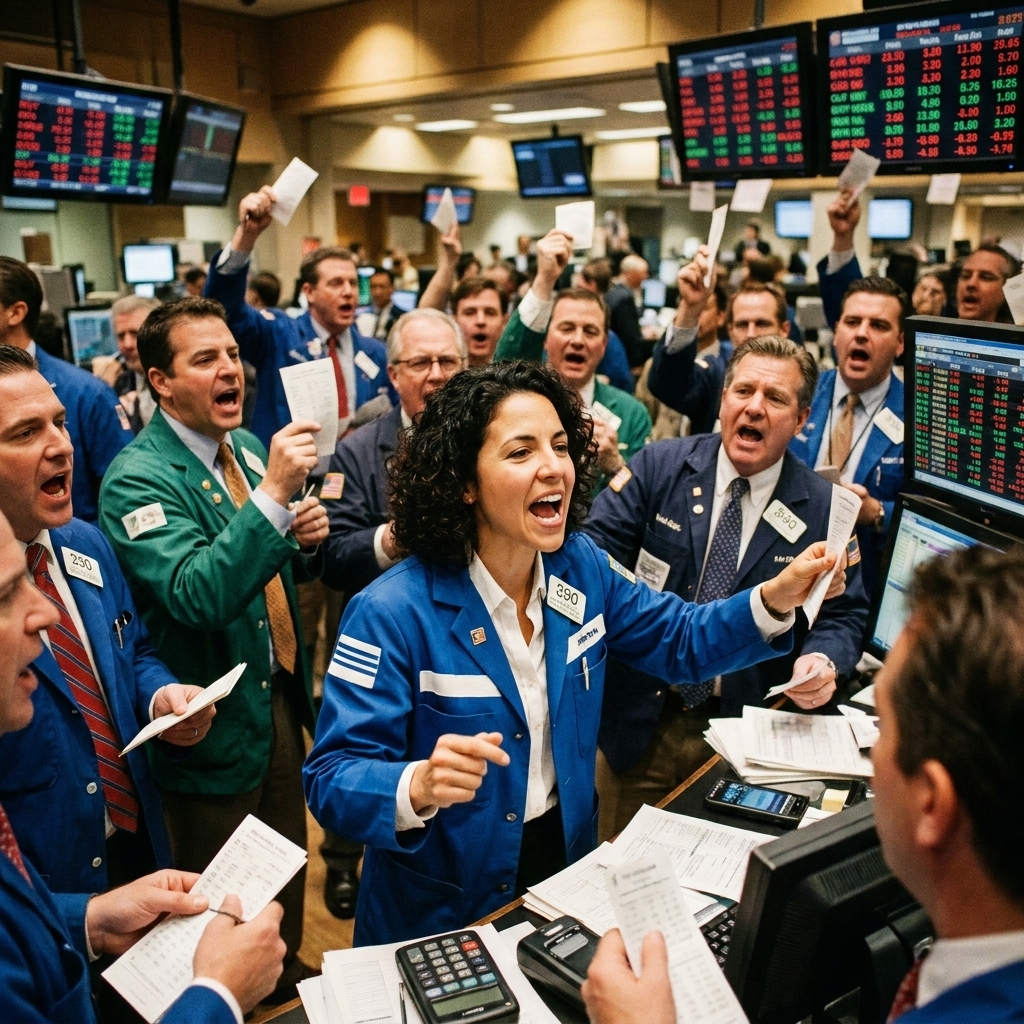
Corrections have a funny way of arriving right when life is already busy. A surprising jobs number. A central bank comment that lands the wrong way. A geopolitical headline that hits your phone during dinner. Suddenly the market is down 3% in a week and your portfolio feels personal.
Hedge funds are not magicians. But many of them do approach risk differently than most individual investors. The goal is often less about beating the S&P 500 in good months and more about staying in the game when conditions change fast.
Below are five hedge fund style strategies you can adapt, with plain-English explanations, real-world guardrails, and the key tradeoffs you should understand before you place a single trade.
What corrections do to portfolios
A market correction is often described as a drop of about 10% or more from a recent peak. That is an informal convention, not a regulatory definition. What matters for your portfolio is not the label. It is the path prices take getting there.
- Volatility often rises, and implied volatility frequently lifts during equity stress. That can make options more expensive and hedging both more costly and more valuable.
- Correlations often converge, meaning assets that usually diversify each other can start moving down together for a period of time.
- Liquidity gets selective. Bid-ask spreads can widen, and selling in a panic can lock in a worse price than you expected.
Institutional investors plan for those dynamics. The good news is you can, too, without turning your life into a full-time trading desk.
1) Buy puts for protection
If you only learn one options concept, make it this: a put option can act like insurance on a stock or index. It generally gains value when the underlying asset falls, helping offset losses.
How hedge funds use it
Funds often buy puts on broad indexes (like the S&P 500) rather than on individual names. That is because a correction is usually a market event, not a single-company event.
How an individual can adapt it
- Choose what you are hedging: a specific position, a sector ETF, or your overall equity exposure via an index ETF.
- Pick a time window: many hedges are sized around 1 to 3 months when headline risk feels elevated, but the right term depends on your plan.
- Decide how much downside you want to insure: closer-to-current-price puts cost more, cheaper “disaster” puts protect only after a larger drop.
A quick micro-example (illustrative)
Say you have about $50,000 of broad US equity exposure through an S&P 500 ETF. One options contract typically represents 100 shares. Depending on the ETF price, one contract may hedge roughly the dollar exposure of those 100 shares, not your whole portfolio. That is why many investors use partial hedges and treat the premium like an insurance budget. This is an example for intuition, not a recommendation.
Execution guardrails
- Respect the contract multiplier: most listed equity and ETF options control 100 shares. Small position sizing mistakes get big fast.
- Use liquid contracts: look for healthy volume and open interest, and avoid wide bid-ask spreads when you can.
- Use limit orders: market orders in fast markets can fill at ugly prices.
The tradeoffs
Puts cost money, and in calm markets they can expire worthless. That is not failure, it is the nature of insurance. A common mistake is buying protection after implied volatility spikes, when it is usually most expensive, then abandoning the plan when the market stabilizes.
Mentor note: If you feel tempted to “make your money back” on the hedge itself, pause. The hedge is there to reduce portfolio pain, not to become a new source of stress.
2) Use a collar
A collar is a classic institutional move: you buy a put to protect the downside and sell a call to help pay for that put. In exchange, you cap some upside for a period of time.
Why funds use collars
They are cost-conscious. A collar can turn open-ended insurance premiums into a more budgeted, range-bound position, which is helpful when protecting large, concentrated exposures.
Who collars fit best
- Investors sitting on a big gain in a stock or ETF and feeling nervous about giving it back.
- Founders and executives who hold a meaningful position and want a more sleep-at-night plan during turbulent quarters.
- Anyone who would genuinely be okay with selling at the call strike if the market rallies.
Key watch-outs
- Assignment risk: if you sell a call and the stock moves above the strike, you can be assigned. Early assignment is primarily an American-style equity option issue and is more likely around ex-dividend dates when the call is in the money.
- Margin and account rules: a short call is typically covered when paired with the underlying shares, but brokers can still impose requirements. Know your account type and restrictions.
- Upside cap regret: collars can feel great in selloffs and frustrating in sharp rebounds. Make sure you can live with the trade.
- Taxes: option activity can interact with capital gains rules in ways that surprise people. If the position is meaningful, talk to a tax professional first.
- Complexity creep: if you cannot explain your collar in one minute, it is too complicated.

3) Hedge the portfolio
One of the most common retail mistakes is trying to hedge everything. Many professionals do the opposite. They hedge the portfolio’s main risk driver.
For many diversified investors, that main driver is equity market exposure, often described as “beta.” If your portfolio tends to drop when the broad market drops, an index-based hedge can be cleaner than trying to buy puts on five separate stocks.
Practical ways to do this
- Index puts on a broad equity ETF to reduce drawdown risk.
- Sector hedges if your risk is concentrated (for example, tech-heavy holdings hedged with a tech sector instrument).
- Partial hedges that target a fraction of your exposure so you reduce pain without overpaying for protection.
How to sanity-check sizing
You do not need perfect math to be smarter than most. Start with three questions:
- If the market drops 10%, about how much would your portfolio drop?
- How much of that drop do you want to offset, 25%, 50%, or more?
- How much premium are you comfortable spending, like an annualized “insurance budget”?
When you can answer those, you are thinking more like an institution and less like a headline-reactor.
4) Add true diversifiers
“Hedge fund” is an industry category, and not every hedge fund is meaningfully hedged. Still, many institutional portfolios aim to combine return streams that do not always move in lockstep with stocks. For individuals, the goal is not to collect exotic assets. It is to add diversifiers that behave differently during equity stress.
Common diversifiers institutions use
- High-quality bonds or cash-like instruments for liquidity and stability. Note: in inflation-led drawdowns (think 2022-style), bonds may not diversify as well as investors expect.
- Managed futures or trend-following strategies that can behave differently in sharp selloffs. Performance is regime-dependent, and violent reversals can hurt trend strategies.
- Gold as a potential crisis hedge, with the honest caveat that it is not a guaranteed offset in every drawdown.
- Market neutral or long-short approaches that try to reduce overall market exposure. Be aware that some funds and ETFs can carry hidden factor exposures and may not be truly neutral in the moments you most want them to be.
What to check before you buy
- What is the actual driver of returns? If you cannot explain it, you are buying a story.
- How did it behave in past stress periods? Not as a promise, but as a reality check.
- Liquidity and fees: alternatives can carry higher expenses and may not be as easy to exit quickly.

5) Rebalance with rules
This one is not flashy, which is exactly why it works. Many institutional allocators treat rebalancing as a built-in risk control. When equities run up, they trim. When equities fall, they rebalance back toward target weights, effectively buying when prices are lower.
Why it helps in corrections
- It forces discipline when emotions are loud.
- It prevents a temporary rally from turning into a permanent overweight.
- It keeps liquidity available so you are not selling quality assets just to raise cash.
A simple framework
- Calendar-based: rebalance quarterly or semiannually.
- Threshold-based: rebalance when an asset class drifts more than a set percentage from target.
- Hybrid: check quarterly, act only if drift is meaningful. Bands can reduce churn.
Friction to plan for
- Taxes: trimming in taxable accounts can create capital gains. Sometimes the right move is to rebalance with new contributions or by adjusting what you buy next.
- Transaction costs: even low commissions do not eliminate spreads and slippage. Keep the process simple.
Mentor note: Rebalancing works best when it is decided in calm weather. Write your rules down. In the moment, you only need to follow them.
A correction playbook
Here is a realistic way to combine these ideas without turning your portfolio into a complicated options lab.
For a simple setup
- Keep a cash buffer for near-term needs.
- Hold a diversified mix of equities and high-quality fixed income.
- Use rules-based rebalancing to avoid panic decisions.
If you use options
- Use a small, budgeted put hedge on an index during higher-risk windows.
- Consider a collar on a concentrated position where you are willing to cap upside temporarily.
If volatility is already spiking
Be careful about buying expensive protection in the heat of the moment. Sometimes the better move is to reduce risk the old-fashioned way: trim position size, raise cash, and tighten your plan. Institutions do that, too. They just call it “de-risking.”
FAQ
Are these strategies only for wealthy investors?
No. Some institutional tools are inaccessible or not appropriate, but the core ideas are universal: define risk, diversify return drivers, and hedge thoughtfully. Many of the building blocks, like index options and diversified funds, are available to everyday investors.
Do options always make a portfolio safer?
Not automatically. Options can reduce drawdowns when used for defined hedging, but they can also increase risk if used for speculation, oversized positions, or strategies you do not fully understand.
How much should I spend on hedging?
Think of hedging like an insurance line item. Some investors budget a small, consistent percentage over time. Others hedge only when they have known exposure, like a concentrated stock position or a period when they cannot tolerate a drawdown. The right answer is the one you can stick with.
What is the biggest mistake people make during corrections?
Changing the plan mid-storm. Selling after a drop, chasing protection after implied volatility spikes, then buying back after prices rebound is a painful cycle. A written, rules-based approach is one of the most underrated hedges you can own.
Bottom line
Market corrections are not a sign you failed. They are a normal part of investing in a world where news travels faster than our nerves can process it. Many professionals protect capital by planning for volatility, not by pretending it will not happen.
If you want to borrow their playbook, start small: define what you are protecting, pick a method you understand, budget the cost, and build a rules-based process you can follow when headlines get loud.
Important: This is educational, not personal investment advice. Options involve risk and can lead to losses. If you are unsure about suitability, taxes, or execution, consider speaking with a qualified financial or tax professional.
Protection is not about predicting the next selloff. It is about making sure a selloff does not derail your life goals.