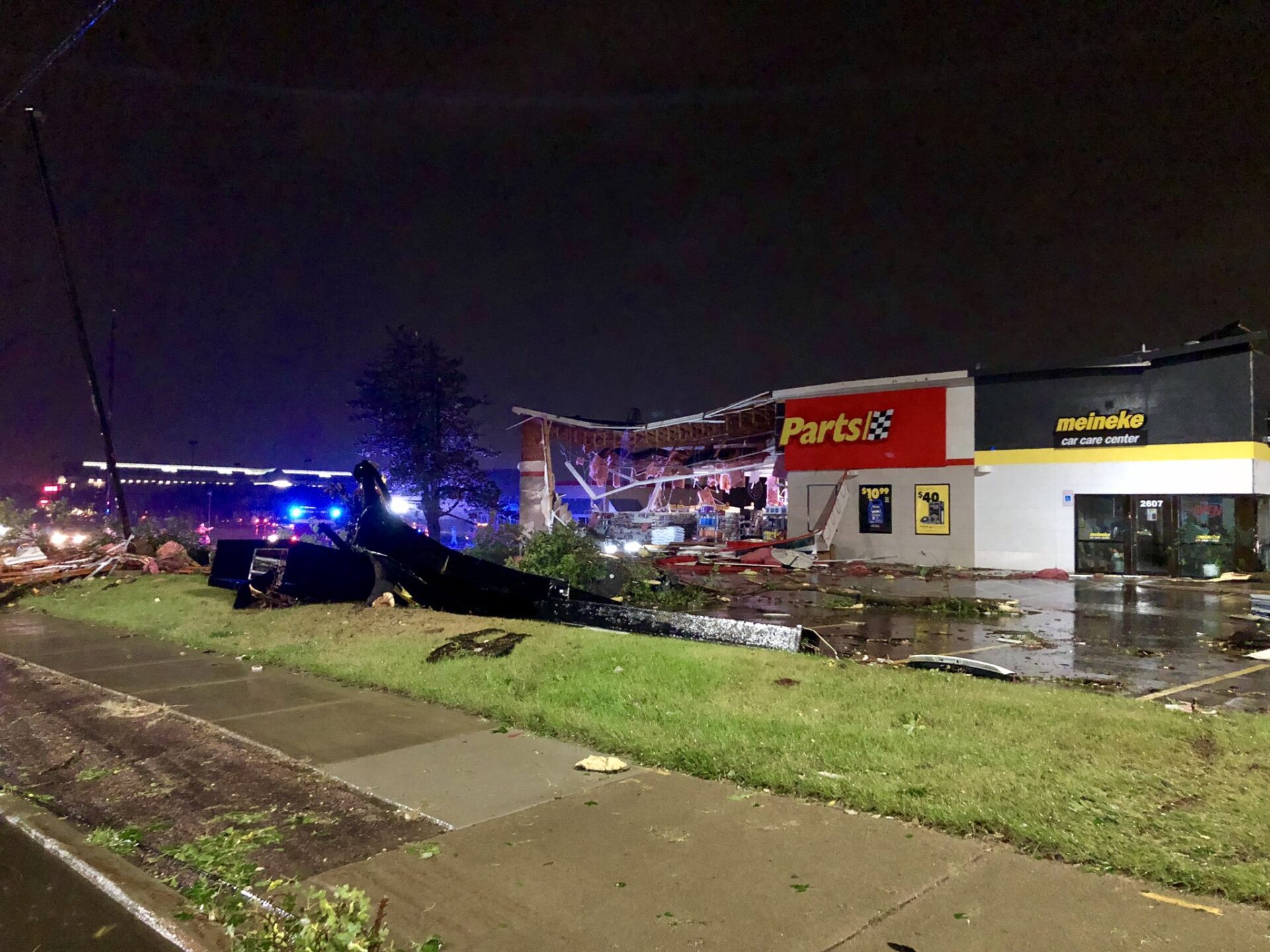
When a storm, fire, flood, or other declared disaster hits, the financial question is usually not, “How do I expand?” It is, “How do I keep the lights on and repair what was damaged without blowing up my cash flow?”
I grew up around a family business where a single bad season could ripple through everything: inventory timing, loan covenants, payroll, and tax bills. That is why I like to separate two very different SBA conversations:
- SBA Disaster Loans are for recovery after a declared disaster.
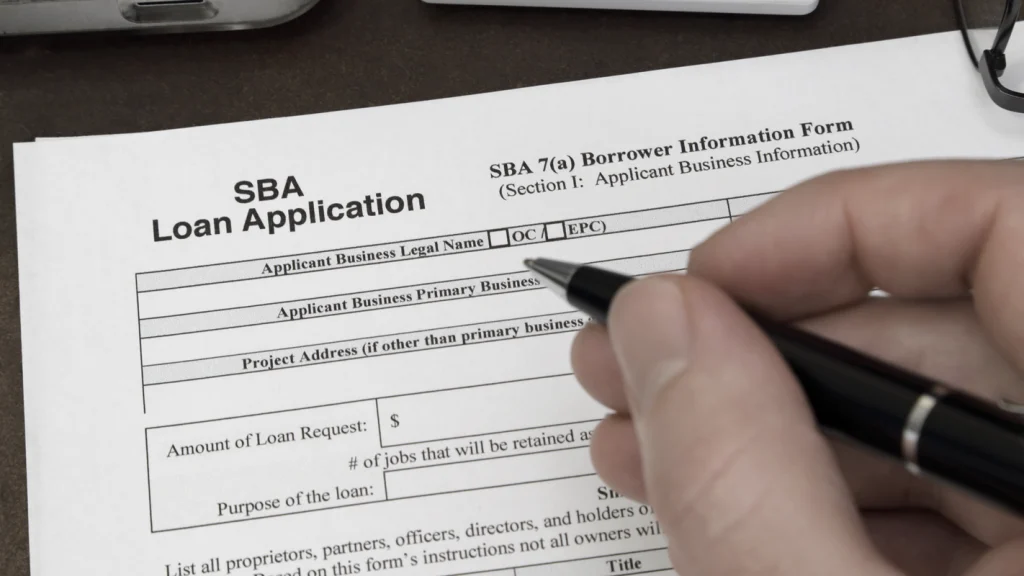
- SBA 7(a) loans are for general business financing, often used for growth, refinancing, or working capital under normal conditions.
They are both “SBA loans,” but they solve different problems, flow through different application channels, and come with different pricing and documentation expectations.
The core difference
An SBA Disaster Loan starts with an event. A disaster declaration opens a temporary set of programs designed to help businesses, homeowners, and renters recover.
An SBA 7(a) loan starts with a business plan. You are seeking capital to operate, invest, buy a business, refinance eligible debt, or expand. There is no disaster requirement.
That is why a disaster loss is a different application from a growth loan. The SBA is not just evaluating your business. It is also validating the disaster impact, the eligible losses, and the recovery need.
How you apply
Disaster Loan: usually direct with the SBA
For the main SBA disaster loan programs, the SBA typically acts as the lender. That means you generally:
- Apply through SBA disaster assistance channels during the declared disaster window
- Provide documentation of the damage and financial impact
- Work through SBA processing and loss verification steps that can feel more like an insurance-style review than a typical bank loan
The upside is that the program is purpose-built for recovery. The tradeoff is that timelines can vary widely depending on the volume of applications after a major event.
7(a): through a participating lender
With a 7(a), you generally apply through:
- A bank
- A credit union
- A nonbank SBA lender
The SBA provides a guarantee to the lender, but the lender sets many of the underwriting requirements within SBA rules, handles much of the packaging, and is your primary point of contact.
How you can use funds
Disaster Loan: tied to recovery
After a declared disaster, SBA disaster lending is designed to help you repair, replace, and recover. Exact eligible uses vary by disaster loan type and by the specific declaration, but funds may support needs such as:
- Repairing or replacing physical assets damaged in the disaster (for example, building repairs, equipment replacement, fixtures, and in some cases inventory or other supplies that were damaged or destroyed)
- Working capital to survive the disruption when revenue is down because of the disaster (for example, covering operating expenses you could have met if the disaster had not happened)
Think of this as “get back to where you were” financing. Even when working capital is allowed, the story you tell needs to connect directly to the disaster impact.
7(a): broad business purposes
A 7(a) loan is one of the SBA’s most flexible programs. Uses commonly include:
- Working capital for normal operations and cash flow management
- Buying equipment or other business assets
- Purchasing a business or buying out a partner
- Refinancing eligible business debt under SBA rules
- Tenant improvements and, in some cases, real estate needs
Think of this as “build the next version of your business” financing, even if that next version is simply stabilizing operations under ordinary conditions.
Rates and terms
Exact rates and terms depend on the declaration, the loan type, the lender, your credit profile, collateral, and current SBA rules. Still, there are a few practical anchors that help set expectations.
Disaster Loans: built for affordable recovery
Because the goal is recovery and affordability, disaster lending often emphasizes manageable payments over time, and terms can be long, especially when real property or major repairs are involved. Depending on the program and what you are financing, repayment terms can extend out for decades.
Rates are set under disaster loan rules (not negotiated with a bank the same way a 7(a) is), and they may look different from conventional credit markets during a widespread crisis.
7(a) Loans: lender pricing within SBA caps
7(a) loans are priced by lenders within SBA limits. Many are variable-rate loans tied to a base rate plus a spread, though fixed-rate structures exist in some cases.
Terms depend heavily on what you are financing. Working capital is often shorter-term than real estate. In many 7(a) scenarios, you will see maturities commonly discussed in ranges like up to 10 years for working capital and up to 25 years for real estate, but the final structure is lender-driven within SBA rules.
Eligibility triggers
Disaster eligibility starts with the declaration
To be considered for SBA disaster assistance, there must be an official disaster declaration that covers your location or makes your business eligible under that declaration’s contours. Some declarations focus on physical damage, while others may focus on economic injury (where the disruption is the main issue even if your building is intact).
That is why the documentation often focuses on:
- What was damaged (if applicable)
- What it will cost to repair or replace
- How the event affected revenues and expenses
- What insurance covers and what it does not
7(a) eligibility starts with the business
A 7(a) loan is about whether your business meets SBA eligibility rules and whether the lender believes the business can repay the debt based on cash flow, credit, and overall risk.
In practice, expect the lender to care most about:
- Historical and projected cash flow
- Owner credit and experience
- Debt service coverage
- Collateral position (even when cash flow is primary)
- How the loan purpose strengthens the business
Collateral and guarantees
This is where people get surprised, especially when they are already dealing with a mess.
7(a): expect personal guarantees
In many 7(a) loans, lenders require personal guarantees from owners who meet SBA ownership thresholds. Collateral may be required when it is available, even if repayment is primarily supported by cash flow.
Disaster: collateral can still matter
Disaster loans can also involve collateral requirements, particularly above certain loan size thresholds, and the SBA may file liens depending on the situation and program rules. In other words, “disaster” does not automatically mean “no collateral.”
Insurance and duplicate benefits
One practical warning I always give: be careful about double-dipping, even accidentally.
If you have insurance, insurance proceeds are generally expected to be used for their intended purpose (like repairs). Disaster loans are designed to cover eligible uninsured or underinsured portions of the loss and eligible recovery needs under the program rules. In plain terms, you typically cannot get paid twice for the same damage.
Keep clean records: separate repair invoices, insurance payments, and loan disbursements. It makes the process easier and protects you later if questions come up.
Why these are not interchangeable
From a planning standpoint, these loans answer different questions.
A Disaster Loan asks: what happened?
- Substantiate the loss or damage (or the disaster-driven economic injury)
- Show the recovery costs
- Demonstrate you can repay while rebuilding
A 7(a) asks: what are you building?
- Clarify the business objective (buy, expand, refinance, operate)
- Show cash flow that supports repayment
- Back it up with strong financials and documentation
If you walk into a 7(a) conversation with a disaster narrative, you can end up stuck. The lender may empathize, but they are underwriting a growth-style credit decision. If you walk into a disaster loan application talking like it is expansion capital, you can also create friction because the program is tied to disaster-related eligibility and use of proceeds.
Quick decision guide
If you are sorting through options under stress, start here:
- You have physical damage or a disaster-driven disruption tied to a declaration: start with SBA Disaster Loan pathways first. They are designed for that moment.
- You are stable enough to plan around growth, refinancing, acquisition, or general working capital: explore SBA 7(a) with an SBA lender.
In some real-world situations, businesses use both over time, but they are not interchangeable and the sequencing matters. Recovery financing first, then growth financing once operations normalize, is usually the cleaner story to underwrite and to manage.
Documents to prepare
If you are pursuing a disaster loan
- Photos and records of damage (if applicable)
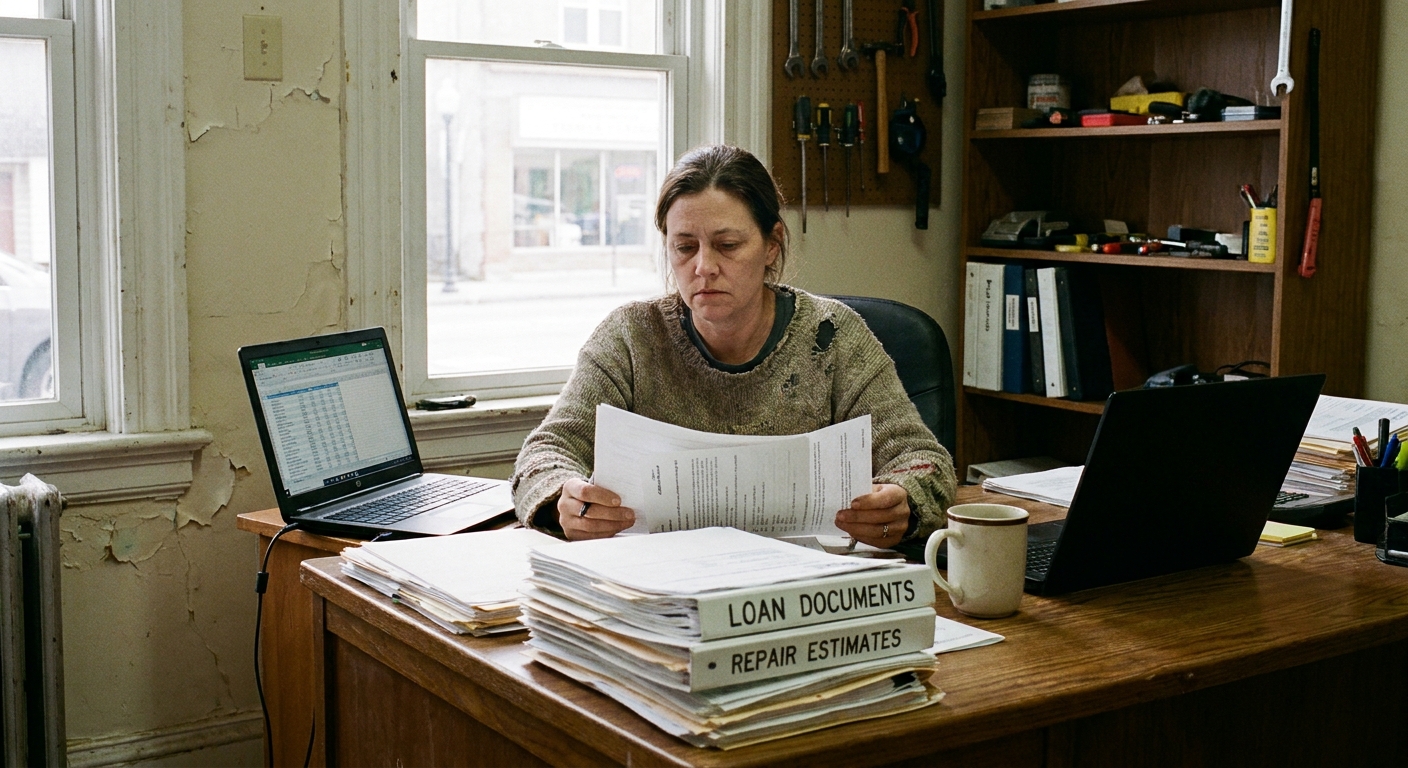
- Repair and replacement estimates from contractors or vendors
- Insurance documentation, including what is covered, paid, or pending
- Recent tax returns and financial statements
- A simple list of monthly operating expenses and current cash position
If you are pursuing a 7(a) loan
- Business tax returns and financial statements
- Interim profit and loss and balance sheet
- Debt schedule
- Projections that tie directly to the loan purpose
- Personal financial statement and personal tax returns for owners
My biggest tip: write a one-page narrative that matches the loan type. For a disaster loan, the narrative is “here is what happened and what it costs to recover.” For a 7(a), it is “here is the plan and how the loan improves cash flow and reduces risk.”
FAQ
Can I use an SBA 7(a) loan to rebuild after a disaster?
Sometimes a business could pursue a 7(a) for general working capital, acquisition financing, or refinancing even after a disaster, but it is usually not the most direct fit if your primary need is disaster-related repair or recovery. If your area has a declaration that applies to your business, it is smart to evaluate disaster programs first because they are designed around that specific event.
Is an SBA Disaster Loan easier to qualify for than a 7(a)?
“Easier” depends on what you mean. A disaster loan application may be more straightforward in purpose, but it can be documentation-heavy because you must substantiate damage and losses (or document disaster-driven economic injury). A 7(a) can be more flexible in use, but lenders can be rigorous about cash flow, credit, projections, and guarantees.
Which one is faster?
It varies. 7(a) speed depends on the lender and how complete your package is. Disaster loan timelines often depend on the scale of the event and application volume, plus any inspection or loss verification steps. In either case, complete documentation is the biggest controllable factor.
Can I apply for both?
You may be able to explore both at different stages, but you should be careful about overlapping uses of proceeds. Keep the story clean and the accounting clean. Use recovery-focused funding for recovery costs, and growth financing for growth or long-term restructuring once the business is stable.
The bottom line
An SBA Disaster Loan is a recovery tool triggered by a declared event and tied to eligible disaster impacts. An SBA 7(a) loan is a flexible, lender-originated financing tool tied to your business plan and ability to repay through ongoing cash flow.
If you choose the right program for the right problem, you avoid one of the most painful traps I see founders fall into under stress: trying to force a disaster story into a growth loan box, or trying to fund growth with money that is meant to get you back on your feet.