If you own an LLC, “paying yourself” is rarely as simple as picking a salary number. Most LLC owners use an owner’s draw, which is more like taking money out of the business bank account than running payroll.
The catch is that a draw is not automatically “safe” just because your Profit & Loss statement looks good. The smartest draw amount is the one that respects three things at the same time: profit, taxes, and cash flow timing.

What an owner’s draw is (and is not)
An owner’s draw is money an LLC owner takes out of the business for personal use. In most LLCs taxed as a sole proprietorship (single-member LLC) or a partnership (multi-member LLC), the owner is not a W-2 employee. That means:
- No payroll withholding automatically happens when you take a draw.
- The draw is not a business expense on the Profit & Loss statement. It reduces equity, not profit.
- You still owe income tax on the LLC’s profit, whether you draw the cash or leave it in the business.
So the goal is not “How much can I pull out?” The goal is “How much can I pull out and still cover taxes and business obligations?”
Note for multi-member LLCs
In a multi-member LLC taxed as a partnership, owners often say “draw,” but withdrawals are usually treated as distributions (and sometimes guaranteed payments for owners who work in the business). The operating agreement should control how, when, and how much gets paid out, and uneven draws can create real partner tension if they do not track the agreement and capital accounts.
Quick note on LLCs taxed as S corporations
If your LLC elected to be taxed as an S corporation, you generally pay yourself a reasonable salary through payroll first, then take additional distributions. The math in this article can still help with distributions, but the compliance rules are different. If you are unsure which tax setup you have, check your last filed return or ask your CPA.
Three numbers to set a draw
You can estimate a healthy owner’s draw with a few inputs. You do not need perfection, but you do need visibility.
1) Net profit (not revenue)
Start with an estimate of net profit: revenue minus all business expenses (including contractor costs, software, rent, insurance, and interest).
One important nuance: “Profit” depends on your accounting method. If your books are on cash basis, profit usually tracks cash collected and bills paid. If you use accrual, profit can include invoices not collected yet and bills not paid yet. Either way, treat profit as your starting point and then sanity-check it against your bank balance and upcoming payables before you draw.
2) Tax set-aside
Because draws do not withhold taxes, many LLC owners get burned by a big tax bill. A practical approach is to set aside a percentage of profit for taxes as you go.
- Federal income tax varies by bracket.
- Self-employment tax often applies to LLC profit for sole proprietors and many partners, but the rules can vary by situation and income type.
- State and local taxes vary widely.
If you want a simple starting point, many owners begin by reserving 25% to 35% of net profit for taxes, then refine after their first full year with real numbers. Treat this as a starting heuristic, not a guarantee. High earners, high-tax states, and certain business structures can push the right percentage higher. When in doubt, confirm with a tax pro.
3) Cash buffer (operating cash and upcoming obligations)
Profit on paper is not the same thing as cash in the bank. Before you decide on a draw, list what the business must pay in the next 30 to 90 days:
- Payroll (if you have employees)
- Rent and utilities
- Debt payments
- Estimated tax payments
- Inventory purchases or project costs
- Annual renewals (insurance, licenses, subscriptions)
Then set a minimum cash buffer. A common baseline is one to two months of operating expenses in the business account, more if your income is volatile.

A simple draw formula
Here is a clean way to estimate your “safe to draw” amount for a month or quarter:
Owner’s Draw Capacity = Net Profit (period) − Tax Set-Aside − Cash Buffer Change
Where “cash buffer change” means:
- If your cash buffer is already funded at your target level, the change can be $0.
- If you are rebuilding cash reserves, the change is the amount you need to keep in the business instead of drawing.
Reality check: net profit is a great starting point, but your draw has to be supported by actual cash in the bank. If profit looks strong but cash is low (common with inventory and net-30 invoices), use the bank balance and a short-term cash forecast as the final gate before you transfer money out.
Step-by-step
- Estimate monthly net profit using your bookkeeping or trailing averages.
- Move taxes to a separate account (a dedicated tax savings account makes this feel real).
- Confirm the next 30 to 90 days of bills and your target cash buffer.
- Set a draw that fits the remaining cash, then automate it if your business is steady.
If you are consistently guessing, you are not alone. But guessing is a sign you need a weekly money routine: 15 minutes to reconcile, check receivables, and confirm upcoming bills before you pay yourself.
Examples
Let’s make this real with three common situations. These are simplified, but the logic holds.
Example 1: Steady business
Scenario: You run a marketing studio. Income is fairly predictable.
- Average monthly revenue: $30,000
- Average monthly expenses (excluding owner draw): $20,000
- Monthly net profit: $10,000
- Tax set-aside (30% of profit): $3,000
- Cash buffer target: $40,000 (about 2 months of expenses)
- Cash buffer status: already funded
Owner’s draw capacity: $10,000 − $3,000 − $0 = $7,000 per month
How to implement: Many steady businesses do well with a fixed monthly draw (like $6,000) plus a quarterly “true-up” draw if profit runs higher than expected.
Example 2: Seasonal business
Scenario: You own a landscaping company with peak spring and summer demand.
- Peak month net profit: $25,000
- Slow month net profit: $2,000
- Tax set-aside: 30% of profit
- Monthly expenses year-round: $18,000
- Cash buffer target: $54,000 (about 3 months of expenses because seasonality is high)
In a peak month:
- Profit: $25,000
- Tax set-aside: $7,500
- Buffer rebuild (you are below target and want to add): $10,000
Draw capacity: $25,000 − $7,500 − $10,000 = $7,500
In a slow month:
- Profit: $2,000
- Tax set-aside: $600
- Buffer rebuild: $0 (you cannot rebuild this month)
Draw capacity: $2,000 − $600 = $1,400
How to implement: Seasonal owners often succeed with a smaller base draw year-round plus larger draws only during peak months, after they have funded the off-season cushion.

Example 3: Tight cash
Scenario: You run a product-based business. You are profitable on paper, but inventory and receivables create cash pressure.
- Monthly net profit: $8,000
- Tax set-aside (30%): $2,400
- Upcoming inventory purchase required next month: $12,000
- Current cash in business account: $15,000
- Next month’s fixed expenses: $10,000
Even though profit is $8,000, you do not actually have room to draw much without risking a cash crunch.
One way to look at it: after setting aside taxes, you have $5,600 of profit. But your near-term cash needs (inventory plus expenses) are $22,000, and you only have $15,000 on hand.
Practical draw decision: You might take a minimal draw (for example, $500 to $1,000) until receivables come in or the inventory cycle stabilizes, then increase draws once your buffer is rebuilt.
How to implement: In tight-cash businesses, a simple cash rule can help, like “Only draw when bank balance exceeds one month of expenses plus the next inventory order.”
How often to take a draw
There is no universal rule, but here are patterns that work in the real world:
- Monthly draws work well for steady businesses and help owners budget personally.
- Biweekly draws can mimic a paycheck if your cash flow supports it.
- Quarterly draws (or quarterly bonuses) can be smart for seasonal or project-based work.
Whatever cadence you choose, keep it boring and predictable. A consistent system usually beats “random transfers when I feel like it.”
Guardrails for healthy draws
Separate your accounts
At minimum, use:
- A business checking account
- A business savings account for taxes
- A personal checking account for your draw deposits
This is not just cleanliness. It is clarity.
Pay taxes on purpose
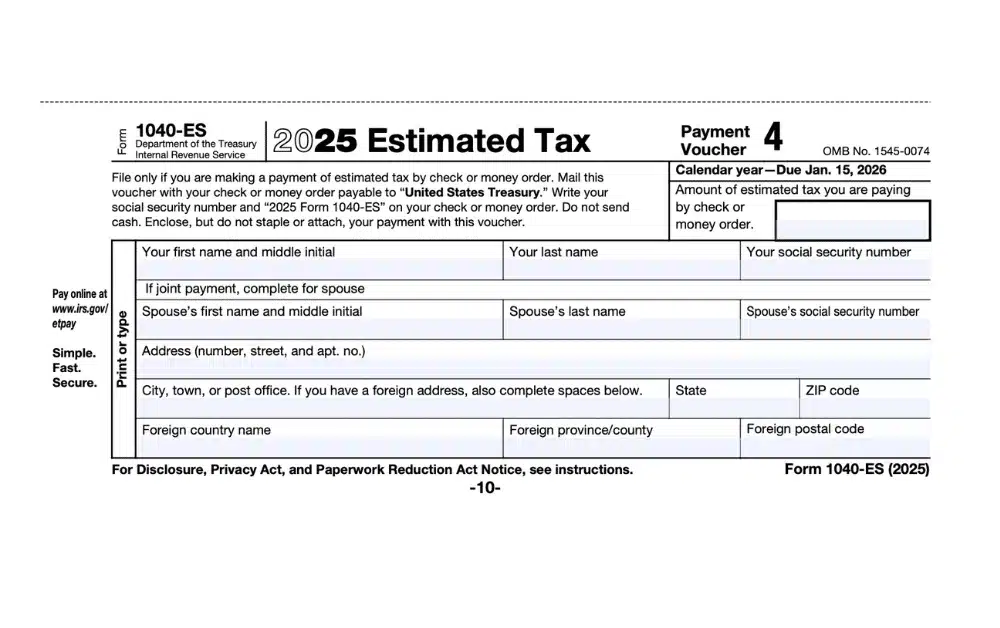
If you make estimated tax payments, your tax savings account should match that rhythm. Many business owners pay quarterly, and the IRS deadlines often fall in April, June, September, and January. Your exact requirements depend on your situation, but the bigger point is this: transfer your set-aside regularly, then pay estimates from that account.
Use a cap and a floor
- Floor: the minimum you can live on personally (so you do not constantly yank extra money later).
- Cap: the maximum you will draw in a period, even if the month was great (so you can build reserves and fund growth).
Remember: profit can be real while cash is missing
If you invoice clients on net-30 or net-60 terms, consider tying part of your draw to cash collected, not just profit earned. The same goes for inventory-heavy businesses.
Draw vs salary
Is an owner’s draw an expense?
No. Owner’s draw is generally not deducted as an expense on the business return for LLCs taxed as sole proprietorships or partnerships. You are taxed on profit, not on what you draw.
Can you take draws if the LLC has a loss?
You can technically take money out, but it may be pulling from prior retained earnings or owner contributions. If cash is tight and you are operating at a loss, frequent draws can quietly create debt problems.
Do draws affect your personal taxes?
The draw itself usually does not change the tax due for that year. The business profit drives most of your tax bill. The draw mainly affects whether you will have the cash available to pay that bill.
FAQ
What percentage should I pay myself from my LLC?
There is no perfect percentage, but a practical approach is: pay yourself from profit after you reserve taxes and maintain a cash buffer. Many owners start by drawing something like 50% to 70% of net profit once taxes and reserves are handled, then adjust based on seasonality, debt covenants, and reinvestment needs. Treat percentages as training wheels, then tailor the number to your real cash flow.
Should I take a draw or leave money in the business?
If your business needs working capital for inventory, hiring, equipment, or a slow season, leaving money in the business is often the safer move. A common hybrid is a consistent base draw plus periodic extra draws only when reserves are comfortably funded.
How do I handle draws in a multi-member LLC?
Multi-member LLCs typically follow the operating agreement. Some partners take equal periodic draws, others take draws based on ownership percentage, and some use guaranteed payments for owners who work in the business. The key is to align withdrawals with the agreement, keep capital accounts clean, and maintain enough cash for taxes and operations.
What if I already took too much draw?
First, do not panic. Update your cash forecast, pause draws temporarily, and rebuild the tax account and operating buffer. If taxes are underfunded, talk with your tax professional about estimated payments and options before the due date arrives.
A sustainable monthly routine
If you want the cleanest routine, try this monthly sequence:
- Close your books (or at least reconcile bank and credit card accounts).
- Transfer your tax set-aside to a separate savings account.
- Confirm you still meet your cash buffer target and can cover the next 30 to 90 days of obligations.
- Transfer your owner’s draw to your personal account.
That is it. When owners say “I just want to pay myself without stressing,” this is usually the system underneath that feeling.