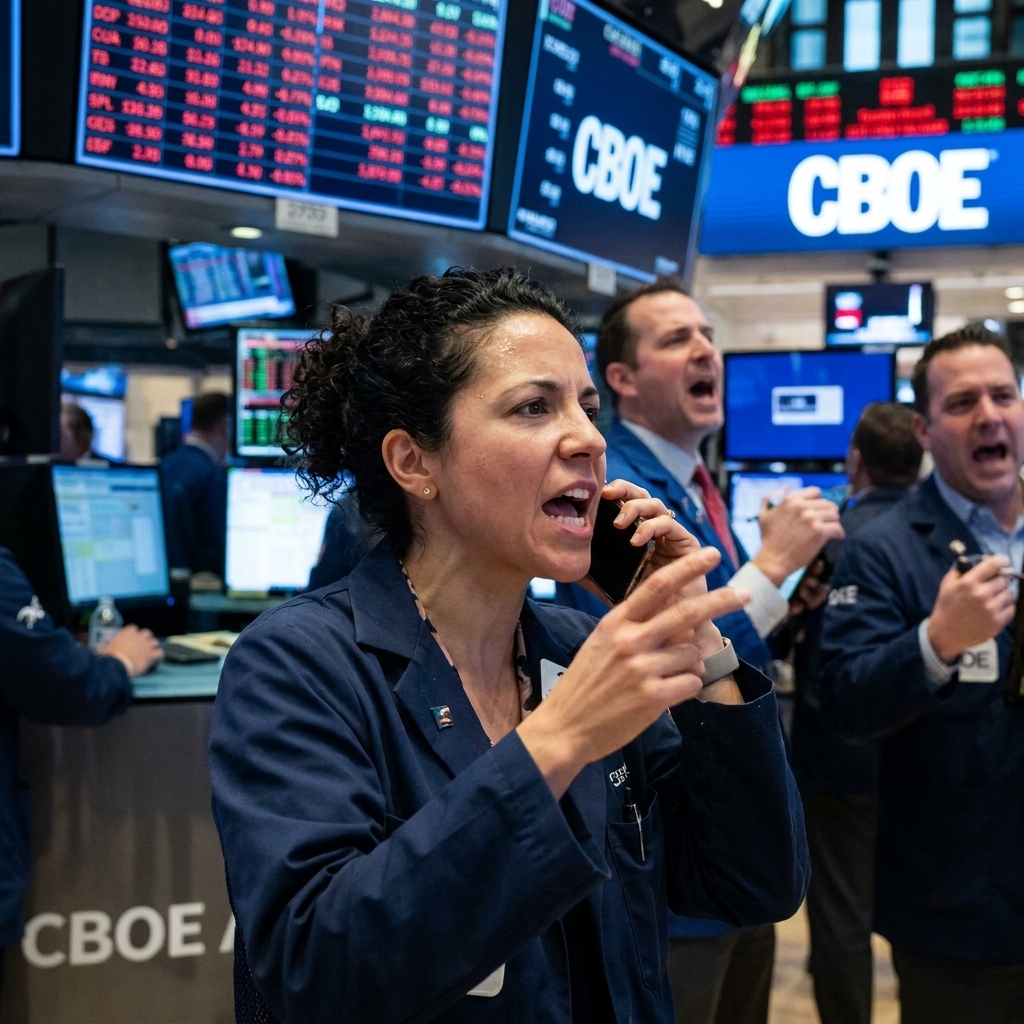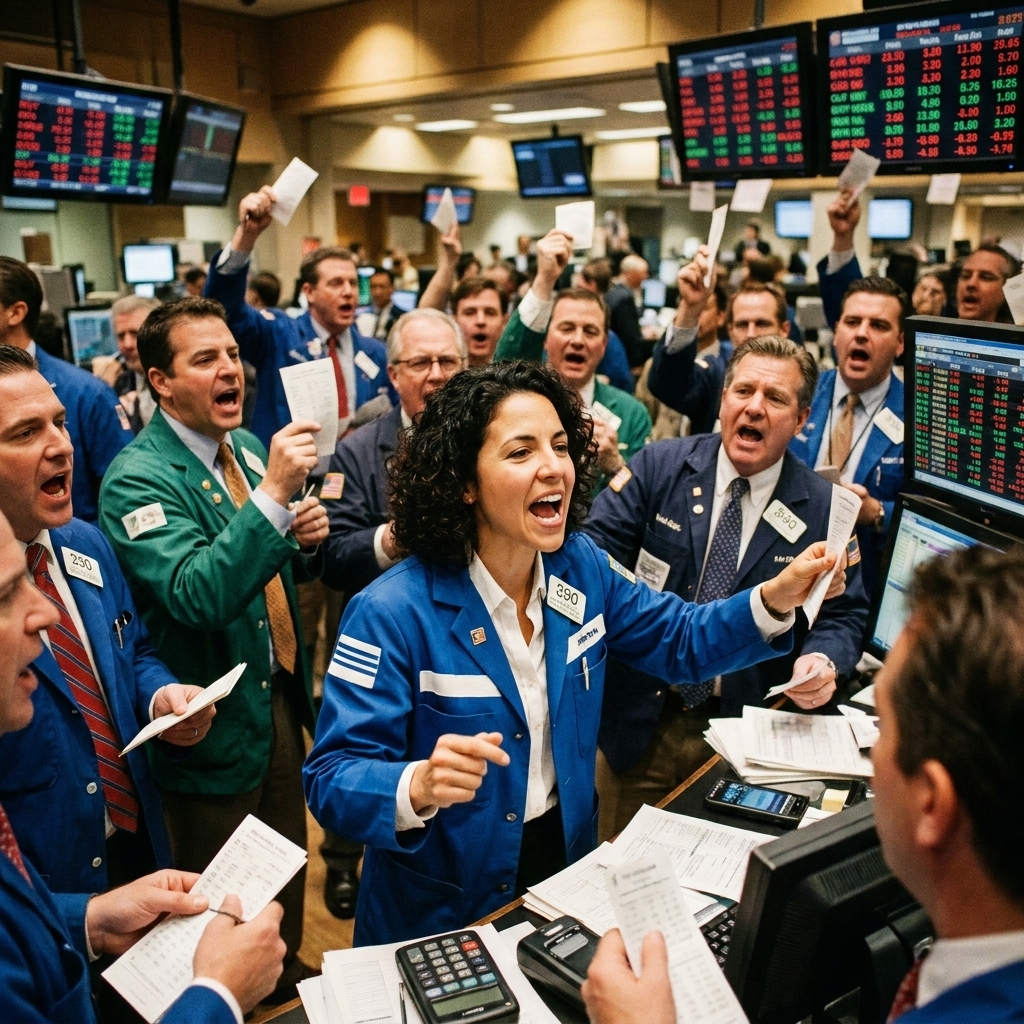
When people hear “hedge fund,” they usually imagine secret trades, exclusive access, and a Bloomberg terminal glow at 2 a.m. The reality is less mysterious and a lot more useful: many hedge funds are obsessed with portfolio construction. They think in exposures, probabilities, and what can go wrong, not just what might go up.
You do not need to be accredited, pay “2 and 20,” or chase complex strategies to borrow that mindset. You can apply several hedge fund principles with plain-vanilla accounts, low-cost funds, and a few simple rules that keep you from making a classic mistake I have seen in both corporate planning rooms and personal portfolios: taking a risk you did not realize you were taking.

What hedge funds do differently
Hedge funds are not one thing. Some trade rapidly, some hold for years, some focus on credit, others on futures. But in institutional practice, the edge often comes from three habits:
- They diversify by drivers, not by ticker symbols. Owning 25 tech stocks is not diversification if they all fall together.
- They treat risk management as a first-class job. Position sizing, drawdown limits, and stress tests are core, not optional.
- They hedge when the math makes sense. Not because they are bearish, but because they want to stay in the game during ugly markets.
For everyday investors, the goal is not to copy trades. It is to copy process.
Step one: diversify by drivers
Look past “stocks vs bonds”
A helpful hedge fund question is: “What are my return drivers?” Most retail portfolios have heavy exposure to the same two: equity growth and interest rates. That can be fine, but it is not always obvious until a year arrives where both struggle.
Here is a concrete example. A classic 60/40 portfolio is diversified by asset label, but it can still carry a shared driver. When inflation surprises to the upside, rates can rise, long-duration bonds can fall, and stock valuations can compress at the same time. Different holdings, overlapping sensitivity.
Try grouping your holdings by underlying exposure:
- Equity beta (broad stock market risk)
- Rate sensitivity (duration in bonds, plus “bond-like” equities such as utilities and some REITs)
- Credit risk (high yield bonds, leveraged loans)
- Inflation sensitivity (commodities, TIPS, certain real assets)
- Liquidity risk (private funds, thinly traded holdings)
- Currency risk (unhedged international assets)
Once you see drivers, you can diversify intentionally. The point is not to own everything. The point is to avoid unknowingly stacking the same risk in different wrappers.
A simple core
If you want a starting point that keeps complexity low, think in layers:
- Core growth: total US stock index plus total international stock index.
- Stability layer: high-quality bonds (Treasuries and investment-grade) matched to your time horizon.
- Resilience layer (alternatives-lite): one to two diversifiers you can hold through a full cycle.
Many investors stop at the first two layers and call it done. The third layer is where you start to “diversify like the pros” without buying anything exotic.
Alternatives without the headaches
Hedge funds often lean on assets that behave differently than stocks and traditional bonds. Retail investors can do a simplified version using liquid, transparent vehicles. The tradeoff is that alternatives can be confusing, can be fee-heavy compared to index funds, and can underperform for long stretches. Keep allocations modest and purposeful.
Real assets and inflation
TIPS (Treasury Inflation-Protected Securities) are a straightforward tool when you want inflation-linked payments backed by the US government. The principal is adjusted by CPI, and coupons are paid on the inflation-adjusted principal. Whether they help in a given period depends on inflation versus what the market already priced in (breakeven inflation).
Broad commodities exposure can diversify equity-heavy portfolios because commodity shocks often arrive from a different part of the economy than corporate earnings. Commodities can be volatile and can lag for long stretches, so position sizing matters.
REITs can provide real-asset exposure and income, but remember that publicly traded REITs still behave like equities in many risk-off moments. Useful, but not magical.

Managed futures and trend
One common institutional diversifier is managed futures or trend following, typically implemented via futures across stocks, rates, currencies, and commodities. In plain English: these strategies often try to ride sustained trends up or down and can sometimes behave differently than a stock-heavy portfolio during major drawdowns.
Retail access exists through liquid funds, but the experience can be emotionally challenging because returns may look “weird” compared to stocks. You have to be willing to hold it when it is boring or frustrating, which is most of the time.
Also note the practical frictions: many liquid alternative funds have higher expense ratios than index funds, and some commodity or futures-linked products can bring tax complexity (for example, K-1s or specialized tax reporting depending on structure). Check the fund’s documents and consider where you hold it (taxable vs retirement accounts).
Private credit and private real estate
These can be compelling on paper, but they come with liquidity limits, valuation lag, and manager risk. If you use them at all, treat them as long-term capital and keep the slice small enough that you will not resent it when you cannot access cash quickly.
Hedging tools you can use
Hedging is not about predicting crashes. It is about buying time and protecting decision-making. When portfolios fall fast, the real danger is not the loss on paper. It is the forced behavior change: selling at the bottom, abandoning a plan, or taking on leverage to “make it back.”
1) Rebalancing
Rebalancing is a disciplined way to “sell a little of what ran up and buy what fell,” which is the opposite of how emotions push us to act. Many hedge funds continuously manage exposures via risk limits and re-sizing. Retail investors can do it with a calendar and a threshold.
- Calendar method: rebalance quarterly or annually.
- Threshold method: rebalance when an allocation drifts more than, say, 5 percentage points from target.
It is not exciting. That is the point.
2) Cash as a buffer
Holding a cash buffer is not market timing if it is linked to a real need, like a 3 to 12 month emergency fund or a “sleep-at-night” reserve for entrepreneurs with lumpy income. Cash reduces the odds you will sell long-term assets during a downturn to cover short-term obligations.
3) Protective puts
Buying a put option on a broad index can cap downside over a defined period. The honest downside is the premium cost, which can feel like paying insurance that you hope never uses.
If you are considering protective puts, keep it tight:
- Use broad, liquid indexes rather than single stocks.
- Define the time window you are insuring.
- Size the hedge small enough that the “insurance bill” will not make you abandon the plan.
Options are powerful tools, but they are not beginner toys. If options are new to you, start by learning mechanics in a paper account and consider professional guidance.
4) Collars
A collar typically combines a protective put with selling a call option to help pay for it. This can be useful for concentrated positions with large unrealized gains, where the investor wants some downside protection without selling immediately. The tradeoff is that you may give up upside beyond the call strike. Also remember assignment risk on short calls, and that collars require ongoing roll decisions as time passes.
5) Long-short and market neutral funds
Retail long-short funds can lower equity sensitivity, but results vary widely based on manager skill and fees. Also, “market neutral” does not mean “risk free.” It means the fund is attempting to reduce market direction risk, while taking other risks like factor exposure, short squeeze risk, and model risk.

Risk rules to borrow
If you only adopt one hedge fund habit, make it this: pre-commit to rules when you are calm. Stress turns smart people into improvisers.
Pick a drawdown you can live with
You cannot control markets, but you can control how much portfolio volatility you accept. A simple way to translate that into action is to set a stock allocation that matches your tolerance for drawdowns. If a 30 to 40 percent decline would cause you to abandon the plan, you likely have too much equity risk.
Position sizing beats picking
Hedge funds obsess over sizing. Retail investors should too. A single stock that is 20 percent of your portfolio is not a “high conviction idea.” It is a single point of failure.
If you hold individual stocks, consider guardrails like:
- Limit any single stock to 3 to 5 percent of your portfolio.
- Limit any single sector to a maximum range you choose.
- Limit speculative holdings to a defined “sandbox” bucket.
Stress test three scenarios
You do not need a quant model. Ask:
- Recession shock: What happens if stocks fall 30 percent and credit spreads widen?
- Inflation shock: What happens if rates rise and long bonds fall?
- Liquidity shock: What happens if you lose income for 6 months and markets are down?
If your plan does not survive those scenarios, you are not “diversified.” You are just hoping.
A quick exposure-mapping checklist
- Equity: your total stock percentage, plus any heavy sector or single-stock concentration.
- Rates: the duration profile of your bond funds (short, intermediate, long).
- Credit: how much is investment grade versus high yield.
- Inflation: whether you have any TIPS, commodities, or real-asset exposure.
- Currency: whether international holdings are currency-hedged or not.
- Liquidity: how much is locked up or hard to sell quickly.
Most major brokerages also show sector and factor exposure. Use those tools if you have them, but even a simple list and a highlighter can get you 80 percent of the benefit.
A simple portfolio blueprint
There is no universal best mix, but here is a framework you can adapt. Think of this as a menu, not a prescription.
Example structure
- 50 to 70% diversified equities (US and international)
- 20 to 40% high-quality bonds (Treasuries, investment grade, TIPS as appropriate)
- 5 to 20% diversifiers (one or two of: managed futures style fund, broad commodities exposure, REITs, or other liquid alternatives)
- 0 to 10% hedge budget (optional, for disciplined hedgers using puts or collars)
Your age matters less than your cash flow stability, time horizon, and behavior under stress. Entrepreneurs with variable income often benefit from a slightly more conservative structure than their age-based risk quiz suggests.
Implementation notes
- Prefer low-cost, broad funds for core exposures.
- Expect tracking error from diversifiers. If you are going to abandon it after one bad quarter, it is not a diversifier, it is a distraction.
- Watch taxes in taxable accounts. Some alternatives distribute more ordinary income than stock index funds and may require more complex tax forms depending on structure.
Common mistakes
Complexity as a substitute
Adding products you do not understand often increases risk. Hedge funds earn their keep through rigorous process and monitoring. If you cannot monitor it, simplify it.
Overpaying for protection
Some strategies market themselves as “crash proof,” then disappoint when reality hits. Always ask: What risk does this reduce, and what risk does it add?
Hedging too late
Insurance often gets more expensive when markets get stressed and volatility rises. Buying protection after volatility spikes can lock in high costs and bad timing. If you hedge, do it as a rule-based part of your plan, not as a fear response.
FAQ
Do I need options?
No. Many investors can meaningfully reduce risk with diversification, a bond allocation that matches their horizon, a cash buffer, and disciplined rebalancing. Options are a tool, not a requirement.
Are alternative ETFs the same as hedge funds?
Not usually. Some liquid alternatives try to capture a piece of hedge fund behavior, but they are constrained by daily liquidity, transparency rules, and typically cannot use the same toolkit. That said, a well-chosen liquid diversifier can still improve a portfolio.
What is the most important principle?
Know your exposures. If you can explain what drives your returns, what can hurt you, and how you will respond, you are already thinking like a professional allocator.
My bottom line
Hedge funds are not a magic asset class. They are a way of thinking: diversify by drivers, control risk with rules, and hedge selectively so you can stay invested through rough markets.
If you want to act on this week, do two things: map your portfolio by risk drivers, then set a rebalancing rule you will actually follow. Those two moves are unglamorous, but they are the kind of “professional behavior” that compounds.
Important: This article is for education, not personal investment advice. Consider your goals, time horizon, and tax situation, and consult a qualified professional for individualized guidance.