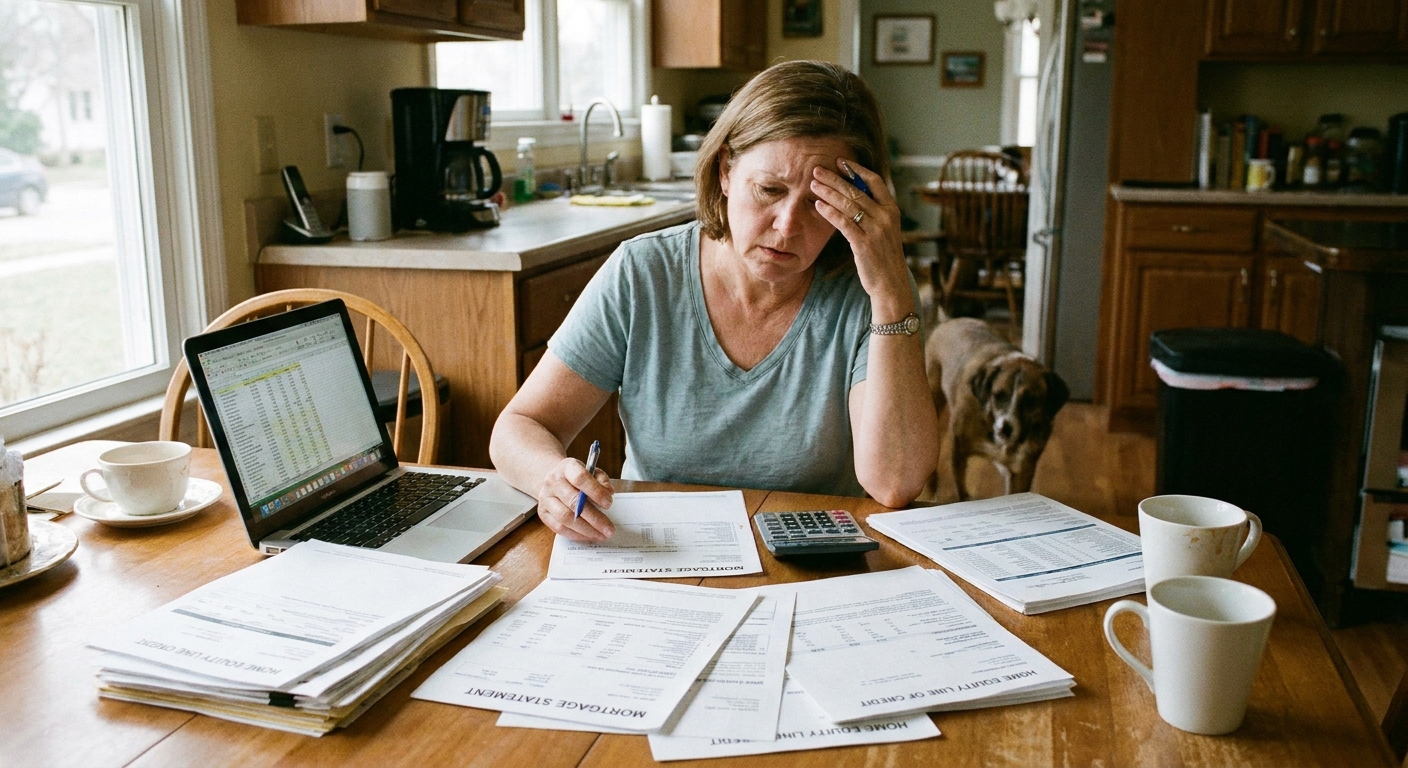
I grew up watching my parents run a mid-sized agricultural supply company, and I can still picture the way “the bank” was basically a silent business partner. A line of credit helped smooth out cash flow, until the day it suddenly had to be cleaned up for a major change, like buying a new property. A HELOC works the same way for many homeowners: it feels flexible day-to-day, but it is not very flexible when the collateral changes.
If you are moving and you have an open home equity line of credit, the big question is simple: can you take that HELOC with you and attach it to the next house?
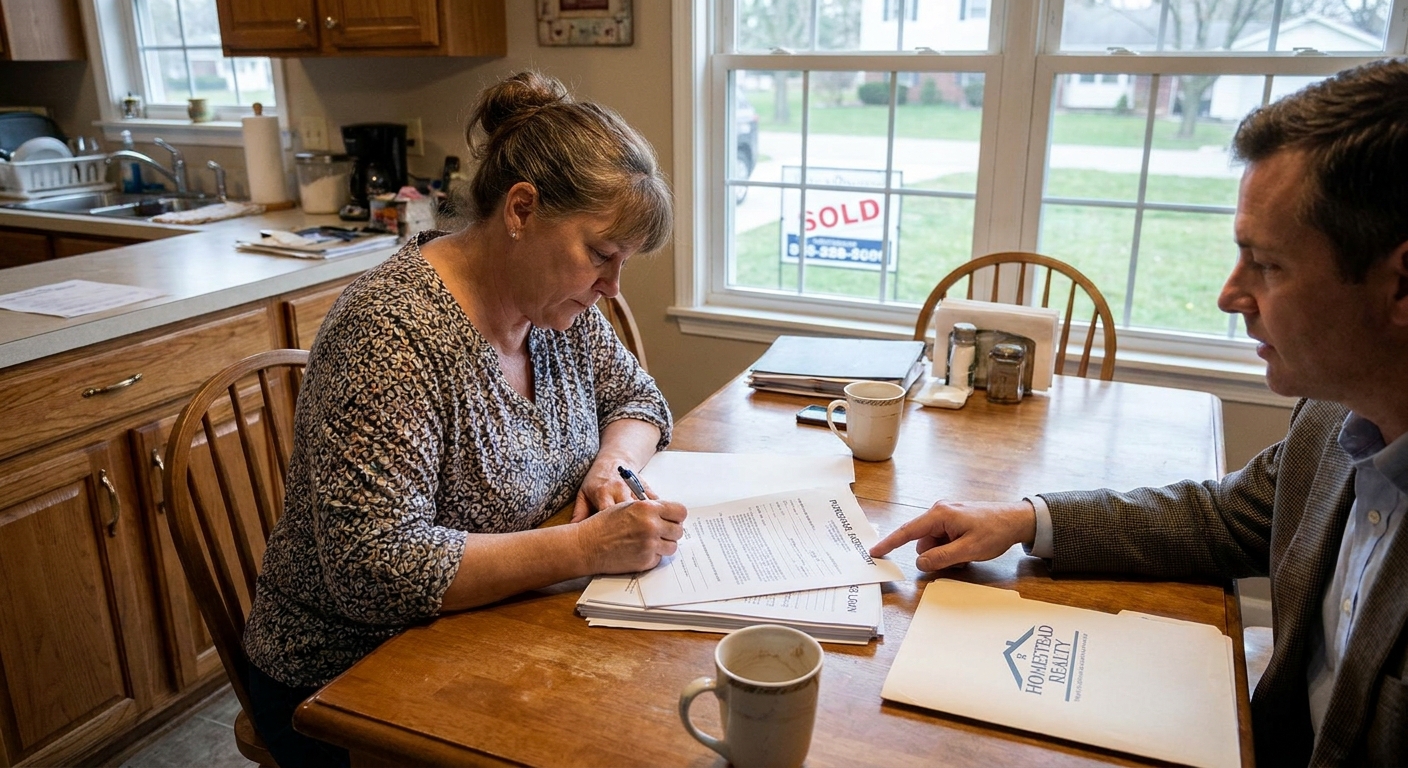
In most cases, the answer is no. A HELOC is usually tied to a specific property and typically has to be paid off and released when that property is sold. The better way to think about it is: you usually close out the old HELOC, then apply for a new HELOC on the next home after you own it.
Why a HELOC usually cannot be transferred
A HELOC is a revolving line of credit secured by your home. That security interest is recorded against a specific property address. When the property changes, the lender is not just “moving an account.” They would need to release their lien on the old home and establish a new lien on the new home, under a new underwriting decision.
In plain English: your HELOC is not like a credit card. It is more like a borrowing permission slip that is stapled to one particular house.
The lien is the whole point
Lenders price and approve HELOCs based on the collateral, meaning the home’s value, your existing mortgage balance, the property type, and sometimes even occupancy (primary home versus second home or rental).
When you buy a different home, all of those risk factors can change, including:
- Loan-to-value on the new property
- Property condition and appraisal results
- Condo versus single-family eligibility differences
- State and county recording rules and fees
- Your credit and income at the time of the new application
That is why “transferring” a HELOC is generally not offered. You are effectively asking for a new credit line, secured by a new asset.
What happens to your HELOC when you sell
In a typical sale, your HELOC is paid off at closing from the sale proceeds, right alongside your primary mortgage payoff and any other liens that have to be cleared.
This payoff is not just a preference. It is usually required to deliver clean title to the buyer. The buyer and their lender do not want your bank’s HELOC lien attached to the property after the sale.
Payoff is common even if the balance is zero
Even if you owe nothing on the HELOC, the account can still be open and the lien can still exist. Many closings still require documentation showing the HELOC is closed or at minimum that the lien is released. “I did not borrow anything” is not the same as “there is no lien.”
Lien release can take time
Another detail that surprises people: paying off the HELOC at closing does not always mean the lien disappears in the public records that same day. The lender still has to process and record the release, which can take days or even weeks depending on the lender and local recording timelines. Your title company will usually coordinate this, but it is worth asking about if your timeline is tight.
One important note: payoff calculations and payoff quotes can get surprisingly detailed, especially if your HELOC accrues interest daily. For this article, I am keeping the math out of it and focusing on the portability and planning piece.
Are any HELOCs portable?
A small number of lenders offer limited “portability” features for certain home equity products, but it is uncommon for a standard HELOC. Even when something is described as portable, it generally is not a simple transfer. It tends to function more like:
- Close or freeze borrowing on the old collateral
- Re-underwrite you for the new property
- Record a new lien
- Issue new terms (rate, limit, draw period) depending on current rules
If you think your lender offers this, ask very specific questions before you list your home: Will they keep the same account number and terms, or is it a new HELOC approval? Do they require a new appraisal and full income documentation? When is the old lien released?
Can you open a new HELOC on the home you are buying?
Yes, many lenders will approve a new HELOC on a home you are purchasing, but typically after the purchase closes, because you cannot pledge a home as collateral until you legally own it.
Some lenders can underwrite and conditionally approve you before closing, but the HELOC usually cannot close or fund until title is in your name and the lien can be recorded.
What lenders look for on the new home
- Sufficient equity: This is the big one. Right after you buy, your equity is often just your down payment. Some lenders allow a HELOC immediately if the numbers work, and others require a waiting period or additional equity.
- Appraisal support: The appraised value needs to justify the combined loan-to-value with your first mortgage.
- Clean title: They need to be able to record their lien, typically in second position behind your primary mortgage.
- Credit and income: Even if you had a HELOC before, you are applying again under today’s rules.
If you are counting on using a HELOC quickly after moving, talk to lenders early and ask about equity requirements, waiting periods, and whether they allow a HELOC soon after purchase.

The timing gap
Here is the practical issue most people run into: your old HELOC is tied to the home you are selling, and your new HELOC cannot be secured until you own the next home. That creates a potential gap where:
- you lose access to the old line at or before closing, and
- you cannot access a new line until after the purchase and approval process.
In my parents’ business, that was the moment you learned whether you had a real cash cushion or just a convenient credit line. Moving can create the same kind of squeeze.
The length of that gap depends on:
- How long it takes you to sell and close
- Whether you buy before you sell or sell before you buy
- Your lender’s HELOC processing timeline
- Whether an appraisal is required and how quickly it is scheduled
Draw freezes can happen earlier than you expect
One more wrinkle: some lenders freeze or limit HELOC draws once they learn the home is listed, once a payoff is requested, or during certain risk reviews. So do not assume you can keep pulling cash from the HELOC all the way up to closing day.
Typical timelines
Even with a smooth process, a new HELOC can take a few weeks to a month or more from application to funding, depending on the lender, appraisal, and local recording times. If you need funds for renovations right after move-in, that lag matters.
How to plan for cash during a move
I try to keep this part simple and decision-oriented. The right strategy depends on whether you need the HELOC for convenience, for a specific expense, or to make the move possible.
1) If you want a safety net
Assume your HELOC will not follow you. Build a temporary cash cushion before you list your home, so you are not relying on an equity line that disappears at closing or gets frozen early.
2) If you need funds for repairs or renovations
Consider whether you can:
- Delay some projects until the new HELOC is in place
- Use savings temporarily and reimburse yourself later
- Use a purchase loan product that includes renovation financing if the work is substantial
3) If you are buying before you sell
This is where many homeowners assume they can “move the HELOC over” to cover a down payment. Usually you cannot.
Common alternatives people explore include a bridge loan, a 401(k) loan (with serious caution), or structuring the purchase offer with a contingency if feasible. The right answer is very situation-specific, especially if you are balancing rate risk, down payment needs, and debt-to-income limits.
If you are in this camp, it is worth talking to a mortgage professional early, because your HELOC payment (even if interest-only) can affect your ability to qualify for the new primary mortgage.
Does a HELOC affect your next mortgage?
It can. Even if you plan to pay off the HELOC when you sell, lenders underwriting your next mortgage may count a HELOC payment in your debt-to-income ratio if the HELOC is currently open and has a balance.
Two important nuances:
- Outstanding balance matters: A HELOC with a balance generally impacts your ratios more than an unused line.
- Unused lines can still matter: Some lenders and loan programs may still factor in a payment based on the outstanding balance, recent activity, or underwriter rules and overlays, even if you are not actively drawing on the line.
This is one reason I encourage people not to treat a HELOC as invisible debt just because it is secured by the home. When you are in a buying season, all monthly obligations get scrutinized.
HELOC vs home equity loan
A HELOC is a revolving line of credit. A home equity loan is usually a closed-end loan with a fixed amount and fixed payment. From a moving standpoint, they have something big in common: both are typically secured by a lien on a specific property, and both generally need to be paid off and released when that property is sold.
Questions to ask your HELOC lender
- When will you freeze borrowing on my HELOC during the sale process?
- How do I request the payoff and lien release process, and how long does it take?
- If my HELOC balance is zero, do you still require closure for a lien release?
- Do you offer any portability option, and if yes, what exactly carries over?
- Can I apply for a new HELOC on my next home immediately after closing, and what are your equity requirements?
FAQ
Can I keep my HELOC open after I sell my house?
Usually no. Because the HELOC is secured by the house you are selling, it is typically paid off and the lien is released as part of the closing process. Even a zero-balance HELOC may need to be formally closed to clear title.
Can I transfer the balance of my HELOC to my new home?
Generally not as a true transfer. In practice, the old HELOC is paid off and you would need to apply for a new HELOC secured by the new property if you still want a home equity line.
Can I open a HELOC on the new home right away?
Sometimes, but not always. Some lenders allow it soon after purchase if you have sufficient equity, while others require more equity or a waiting period. Plan for a processing timeline rather than assuming instant access.
What if I need cash between buying and selling?
That is a classic timing gap. A HELOC on the old home often cannot be relied on through the transition, and a HELOC on the new home cannot be secured until after closing. Talk through bridge and short-term financing options early so you are not forced into an expensive last-minute decision.
Bottom line
A HELOC is usually not something you can “move” to a new house. Because it is secured by your current property, it is typically paid off when that home sells, and you may need to apply for a brand-new HELOC on the next home after you close.
The most important planning step is acknowledging the timing gap. If you will need liquidity during the move, build a cash plan early and coordinate with both your mortgage lender and your HELOC lender so you are not surprised by when access to the line disappears.