I grew up watching my parents juggle the very unglamorous side of “assets on paper” versus “cash in the bank.” We had inventory, equipment, and land tied up in the business, but when a lender asked, “What can we liquidate quickly if something goes wrong?” the conversation got tense fast.
A HELOC on vacant land runs into that same reality. In many cases, you cannot get a traditional HELOC on raw, vacant land because most lenders require a finished, habitable home as collateral. Not because they dislike landowners, but because the HELOC product is designed around residential property underwriting and resale dynamics. That said, a small number of banks and credit unions will consider land-secured lines as portfolio products, and terminology can get fuzzy depending on the institution and state.
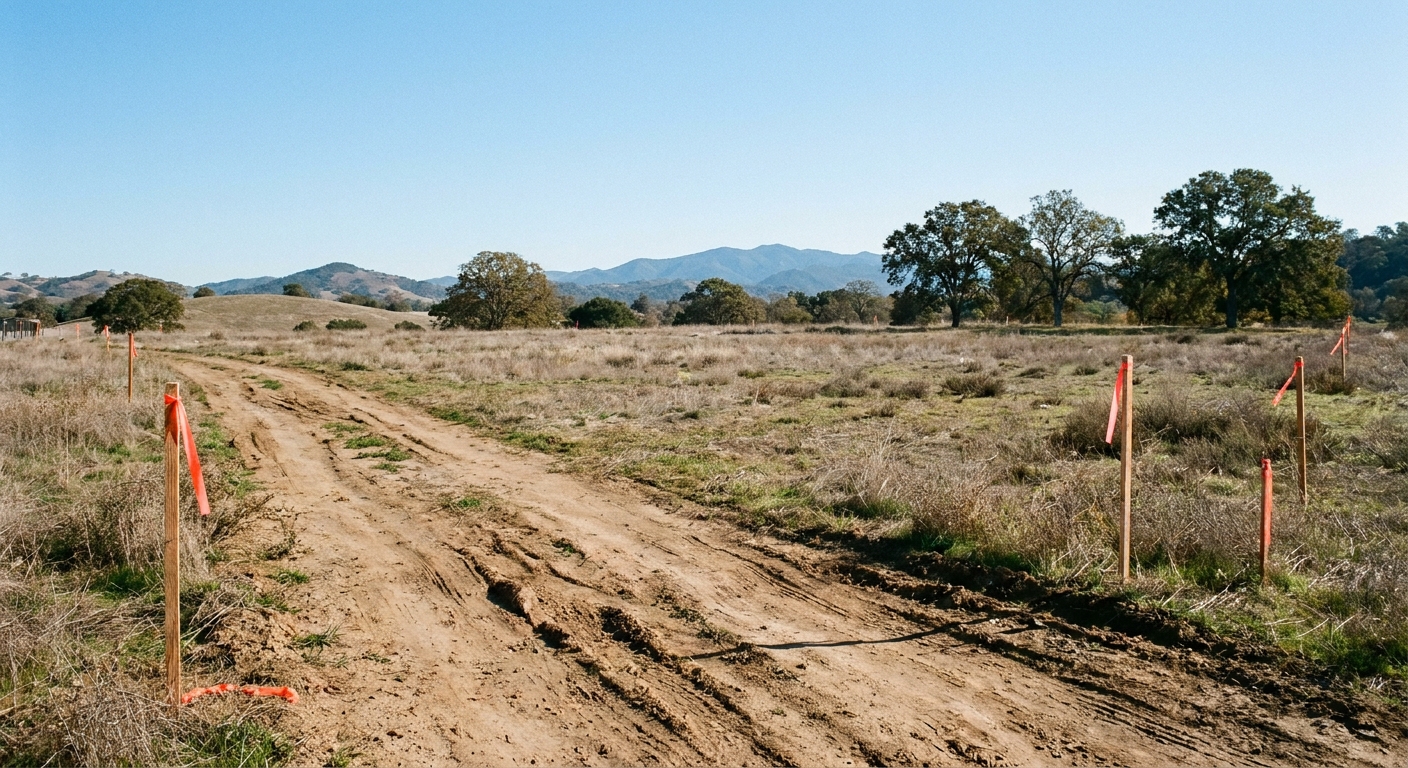
Why most lenders say no
A HELOC is a home equity line of credit. The key word is “home.” When there is no dwelling, many banks and credit unions cannot, or simply will not, underwrite it as a home-equity product, even if the land is valuable and you own it free and clear.
One quick primer, because terminology matters:
- Raw land: no utilities, no road improvements, minimal development.
- Unimproved land: may have basic access or partial utilities, but not build-ready.
- Improved or build-ready: utilities and legal access are in place, and the lot is generally ready for permitting and construction.
Land is harder to value
With a typical house, an appraiser can pull plenty of comparable sales that are genuinely similar, then adjust for square footage, condition, bedrooms, and neighborhood demand. Vacant land is trickier. Two lots on the same street can have totally different value if one has wetlands, poor soil, a steep grade, odd easements, or limited buildability.
Land is harder to sell fast
HELOC lenders think in terms of risk and recovery. If someone stops paying, a home in a normal market often has a broad buyer pool. Vacant land can sit longer and sell for less than expected, especially if financing is hard for the next buyer.
Guidelines are built around homes
Many HELOC programs are written for 1 to 4 unit residential properties, and the underwriting, appraisal standards, and insurance expectations reflect that. Some HELOCs are held in a bank’s own portfolio rather than sold, but the end result is often the same: internal policies and risk appetite usually favor conventional residential collateral over vacant parcels.
What lenders look at on land
If you call around, you may find a small number of lenders willing to consider something “land-like,” but they usually mean one of these scenarios:
- A property with a habitable home and extra acreage attached
- A lot with a completed primary residence, where the land is part of the same parcel and title
- A property with a permitted, permanently affixed structure that qualifies as real property in that county
When a lender does explore a borderline case, their questions usually cluster around three buckets: utilities, access, and structures.
Utilities: build-ready or still raw?
Expect detailed questions like:
- Is there electric at the lot line or already connected?
- Is there public water and sewer, or will it require a well and septic?
- If septic is needed, has the land passed a perc test?
- Is there natural gas available, or would it be propane?
These answers influence value and marketability. A parcel that is effectively “shovel-ready” is usually less risky than a parcel that needs expensive, uncertain development work before it can be used.
Also, “utilities nearby” is not the same as “utilities permitted and feasible.” Capacity constraints, easements, tap fees, and local rules can turn a simple connection into a major project.
Access: can a normal buyer reach it?
Lenders often ask:
- Is there paved road access or an all-season road?
- Is access via an easement and, if so, is it recorded?
- Is the road public or private, and who maintains it?
- Are there ingress and egress issues that could limit resale?
Structures: is there real collateral?
A shed, a hunting cabin without utilities, or an RV pad usually does not help for a HELOC. Lenders generally care about whether there is a permanent, insurable, code-compliant dwelling that an appraiser can treat like a residence.
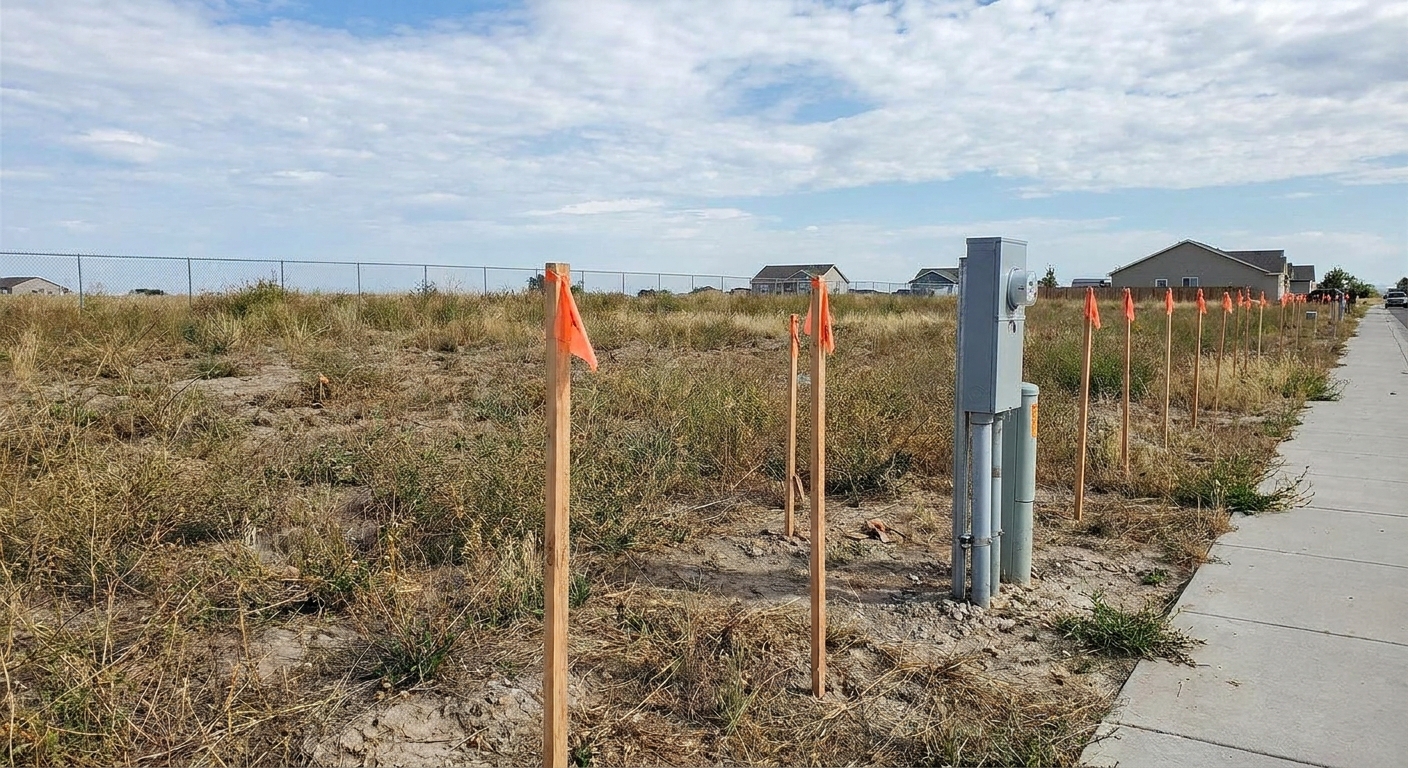
When a HELOC might work
While raw land is a no-go for many lenders, there are a few situations where you might hear “maybe.” The details vary by lender and state, but these are the patterns people run into most often.
A home is on the parcel
If your primary residence sits on 5, 10, or 20 acres, a lender may still do a HELOC because the collateral is clearly residential. Some lenders limit acreage or require that the property is not primarily agricultural or income-producing.
It is a second home
Some lenders offer HELOCs on second homes, but often at lower loan-to-value limits and with tighter underwriting. Again, the anchor is still a home, not an empty lot.
A local lender offers a land-secured line
Occasionally, a community bank or rural credit union will offer a line of credit secured by land, especially in areas where land ownership is common and underwriting teams are comfortable with local values. Even then, it may not be branded or structured like a traditional HELOC, and rates and terms can differ meaningfully.
Better options than a HELOC
If the goal is to borrow against vacant land, you will usually have better luck with products designed for that collateral.
Land loan
A land loan is typically the most direct substitute. Expect:
- Higher down payments than a home purchase
- Higher interest rates than mortgages and many HELOCs
- Shorter terms than a typical mortgage, sometimes with balloon structures
- More scrutiny on zoning, buildability, and access
Land loans often come in different flavors: raw land, unimproved, improved, and sometimes “ready-to-build.” The more improvements in place, the easier underwriting tends to be.
Construction loan
If you intend to build a home, you may be a better fit for a construction-to-permanent loan (often called a one-time close construction loan). In some cases, the lender will treat land you already own as part of your equity contribution, but they still underwrite based on the future completed home and the build plan.
Personal loan or securities-based line
If you have strong income and credit, a personal loan can fund smaller needs without tying up real estate. If you have significant taxable investments, some brokerages offer lending secured by those assets. These have their own risks, especially if markets drop, so this is not a casual swap for a HELOC.
Borrow against another home you own
If you own a primary residence with equity, that home may be the cleaner collateral for a HELOC or a home equity loan, even if the cash is ultimately used for land development. The lender typically cares far more about the collateral and your ability to repay than what you plan to do with the funds. Still, expect normal constraints like loan-to-value limits, debt-to-income ratios, and, in some cases, questions about how proceeds will be used.
Land deal-killers to watch
When someone tells me, “The lot is perfect, I just need the money,” I usually ask a few unsexy questions. These are common reasons land financing, especially anything resembling an equity line, falls apart:
- Zoning mismatch or unclear permitted use
- Setbacks or minimum lot size rules that make the parcel hard to build on
- Floodplain, wetlands, or protected areas that limit usable acreage
- Legal nonconforming lots where building is possible only with variances
- Septic uncertainty, including failed or missing perc tests
- Access problems, such as unrecorded easements or disputed driveways
- Title issues like boundary disputes, missing rights-of-way, or old restrictions nobody noticed until underwriting
None of these automatically makes a property worthless, but they can make it harder to appraise, insure, or resell. That is exactly what lenders are trying to avoid.
What to gather before calling
When people tell me, “Every lender is giving me a different answer,” it is usually because the lender is missing specifics. These items help you get a real response quickly:
- Parcel number and address or GPS location
- Proof of ownership and any existing liens
- Recent survey (if available)
- Zoning designation and any HOA or deed restrictions
- Utility availability (power, water, sewer, gas, internet)
- Access details (public road, easement, maintenance agreements)
- Planned use (hold as investment, build a home, agricultural, recreational)
If you are aiming for a construction loan later, also gather any early builder bids, building plans, and timelines. Lenders love clarity.
Underwriting basics to expect
Even when a lender is open to land, approval tends to hinge on a few practical variables:
- Loan-to-value (LTV): land is commonly capped lower than a primary residence.
- Reserves: some lenders want to see cash on hand after closing.
- Minimum loan amounts: many banks do not want small land loans on the books.
- Income and debt-to-income (DTI): land does not produce a monthly payment cushion the way a typical owner-occupied refinance might.
- Collateral marketability: buildability, access, utilities, and local demand matter a lot.
In plain terms, land financing is often less about you personally and more about whether the lender believes they could sell the property without taking a bath if life happens.
HELOC vs home equity loan
Even on a normal residence, a HELOC and a home equity loan are underwritten similarly but function differently. A HELOC is a revolving line, usually with a draw period and a repayment period. A home equity loan is a lump sum with fixed payments.
On vacant land, the bigger issue is that many lenders will not offer either as a home-equity product, because both are built around a residential home as collateral. So if you are shopping rates and terms, it helps to first confirm whether the lender even considers the property eligible collateral.
FAQ
Can I get a HELOC on land I own free and clear?
Often no, if it is truly vacant. Owning it outright helps your overall financial profile, but it does not change the core issue that many HELOC programs require a habitable home as collateral. A local bank may have a land-secured line of credit, but it is not widely available and terms vary.
What if the land has utilities but no house?
Utilities can make land easier to finance with a land loan and can improve appraised value, but many HELOC lenders still will not treat it as eligible “home equity” collateral without a home.
What if there is a mobile or manufactured home on the land?
It depends on whether the home is permanently affixed, titled as real property (not as a vehicle), and meets the lender’s property guidelines. If it is not considered real estate for lending purposes, you may still be declined for a HELOC.
Could I put a small structure on the land to qualify?
In practice, lenders look for a legitimate, permitted dwelling that is insurable and marketable. Trying to add the minimum structure purely to qualify can backfire if it creates permitting issues or does not appraise as a residence.
Is a land loan always more expensive than a HELOC?
Often, yes. Land tends to carry higher risk for lenders, so rates and down payment requirements can be higher. The tradeoff is that land loans are designed for this exact situation, so approval is usually more realistic.
Bottom line
If you are holding a vacant parcel and hoping to tap equity through a HELOC, you are likely to hit a wall. Most lenders want a finished home because it is easier to appraise, insure, and resell if something goes wrong.
Your most practical next step is usually to pursue a land loan or, if building is imminent, a construction loan that is designed to treat the future home as the anchor collateral. And if you do have a primary residence with equity, you may find that leveraging that home is far simpler than trying to force a HELOC onto raw land.