When my parents ran their agricultural supply business, they learned the hard way that lenders rarely approve financing on a single number. Credit score opens the door, but the final terms come down to the full picture: your equity, your cash flow, and whether your recent payment history suggests “steady” or “stressed.”
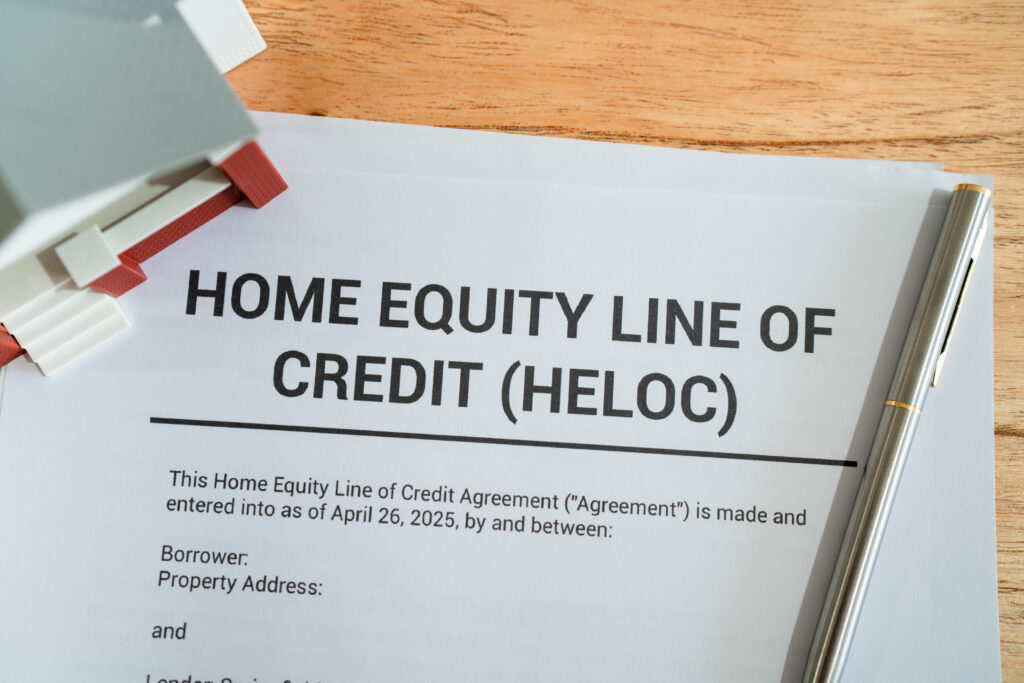
A HELOC is no different. It is usually a second-lien line of credit secured by your home, meaning the lender is behind your first mortgage in line if something goes wrong. That added risk is why HELOC underwriting can feel stricter than people expect.

Typical HELOC credit score ranges lenders use
Credit score requirements vary by lender, property type, and how much you want to borrow. But these ranges are common for second-lien HELOCs:
- 760+: Often qualifies for the best pricing and higher line amounts, assuming equity and debt-to-income are also strong.
- 700 to 759: Common “sweet spot” for approvals with competitive margins.
- 660 to 699: Approval is still possible, but expect tighter limits, a higher margin (interest rate add-on), or additional conditions.
- 620 to 659: Some lenders will consider it, usually with strong equity and conservative borrowing. Pricing tends to be meaningfully higher.
- Below 620: Approval is difficult. Many lenders will decline outright for a HELOC, even if you have substantial equity.
Important nuance: lenders may pull multiple scores (or use a mortgage-specific scoring model). If you and a co-borrower apply together, some lenders underwrite using the lower middle score.
Why score affects your HELOC rate (the margin)
Most HELOCs have a variable rate tied to an index (often the prime rate) plus a margin. Your credit profile heavily influences that margin.
In plain English: the lower your score, the more the lender “pads” the interest rate to compensate for risk. Even when two borrowers both get approved, their ongoing cost can be very different.
Also watch for introductory rates. A lower-score borrower might still see an attractive teaser, then revert to a much higher index-plus-margin later.
Equity matters, but it changes the offer more than the minimum score
For a second-lien HELOC, lenders care a lot about how much cushion they have if home values dip. That cushion is your equity.
In practice, strong equity can do a few things even if your score is only “okay”:
- Improve approval odds because the lender’s risk is lower.
- Reduce the margin increase that comes with a mid-range score.
- Increase the line size offered compared with someone with the same score but less equity.
But equity rarely “overrules” serious credit issues. If you have major derogatory marks or very recent late payments, a large equity position may not save the application.
Debt-to-income ratio (DTI): the quiet dealbreaker
DTI is one of the most common reasons people with decent credit still get a disappointing HELOC offer.
Lenders want to see that your monthly obligations plus housing costs leave enough room for you to handle the HELOC payment, especially if rates rise. A HELOC payment can be interest-only during the draw period, but underwriting often stress-tests affordability anyway.
How DTI affects a HELOC decision
- Lower DTI: better chance of approval, higher limits, and more favorable pricing.
- Higher DTI: smaller approved line, higher margin, or a decline even with a strong score.
If you are close to the line, paying down revolving balances or consolidating high payments can move the needle faster than chasing a few extra credit-score points.
Recent late payments change everything
HELOC underwriting is especially sensitive to recency. A single 30-day late payment from two years ago is very different from a 30-day late last month.
Here is what tends to happen:
- Late payments in the last 12 months: often trigger a decline or a “come back later” response, even if your score still looks acceptable.
- Multiple lates: can lead to tighter limits and higher margins, and may require more documentation.
- Mortgage lates: are typically treated more seriously than a late on a small credit card.
From the lender’s perspective, a HELOC is optional debt. If you have shown recent payment stress, they worry the HELOC will be the first bill to slip when life gets expensive.

Thin credit file: why you can have a decent score and still get a worse HELOC
A “thin file” means you do not have much active credit history: maybe one card, limited installment loans, or accounts that are too new. In my planning work, I see this a lot with younger homeowners and with high earners who prefer using debit or paying everything off before it reports.
With a thin file, a lender may still approve you, but you can see:
- Lower line amount than expected.
- Higher margin than someone with the same score but a deeper history.
- More verification, like extra income or asset documentation.
Why? The score is less predictive when it is built on limited data. Lenders price that uncertainty.
What helps a thin file before applying
- Maintain a couple of well-managed revolving accounts (paid on time, low utilization).
- Avoid opening several new accounts right before a HELOC application.
- Let accounts “season” so the history is long enough to be meaningful.
Other credit details HELOC underwriters look at
Your score summarizes your credit, but underwriters also scan the ingredients:
- Credit utilization: High card balances can pull down scores and raise DTI. It is a double hit.
- Recent inquiries: A cluster of new credit applications can look like financial strain.
- Collections and charge-offs: Even if older, these can restrict approvals or lead to pricing adjustments.
- Bankruptcy or foreclosure history: Waiting periods and lender overlays vary, but expect stricter requirements for second liens.
If you are trying to time things, paying down revolving debt and avoiding new credit right before applying usually improves both the score and the story your report tells.
What to do if your score is not where it needs to be
If you are below the lender’s comfort zone, you often have two levers that produce results without guesswork:
1) Improve your credit profile quickly
- Pay down credit cards to reduce utilization. This is one of the fastest ways to raise a score.
- Fix errors on your credit reports (late payments misreported, wrong balances, incorrect accounts).
- Get current and stay current. Time since the last late payment matters.
2) Strengthen the application beyond the score
- Lower your DTI by paying off an auto loan or reducing minimum payments.
- Document stable income, especially if you are self-employed. Consistent cash flow is calming to underwriters.
- Borrow less to reduce risk, which can help you qualify sooner.
One quick caution: do not assume you need to wait until you are “perfect.” If you are already in the 700s, the incremental benefit of squeezing out 10 more points may be smaller than shopping lenders and negotiating terms.
Quick FAQ
Can I get a HELOC with a 620 credit score?
Sometimes, yes. Many lenders treat 620 as a lower boundary for consideration, but approval often depends on strong equity, reasonable DTI, and clean recent payment history. Expect higher pricing and potentially a smaller line.
Is a HELOC harder to qualify for than a home equity loan?
It can be. A HELOC’s variable-rate structure and reusable line can make lenders more cautious. Requirements overlap, but HELOC pricing and limits are often more sensitive to credit and overall risk.
Will a recent late payment hurt my chances even if my score is high?
Yes. Recency matters. A high score can still come with a recent 30-day late, and that late may weigh heavily in a second-lien decision.
Does being self-employed change the credit score needed for a HELOC?
The score target is often similar, but self-employed borrowers may face stricter income documentation. If income is variable or hard to document, lenders may compensate by requiring stronger credit, lower DTI, or more equity.
The takeaway
For most second-lien HELOCs, 620+ is the common minimum entry point, 660 to 700+ is where approvals become more comfortable, and 740+ is where you are more likely to see the best margins.
But the score is only the cover page. Your equity cushion, debt-to-income ratio, and how recently you have missed payments typically determine whether you get a simple approval, a smaller line with a higher margin, or a hard no.
If you are on the edge, focus first on lowering revolving balances and keeping every account current. Those moves tend to help your score and your underwriting story at the same time.