If you are in mortgage forbearance, you are probably asking a very practical question: can I still tap my home equity for a repair, a debt payoff plan, or a cash cushion?
I have sat with plenty of homeowners who did everything “right” during a rough stretch, got on a formal forbearance plan, protected their home, and then felt blindsided when a bank treated that same forbearance like a stop sign for a new home equity line of credit (HELOC).
Let’s walk through what an active or recent forbearance typically does to a HELOC application, what your mortgage servicer may be reporting, and what lenders usually want to see before they will approve a second lien.

Big picture: forbearance and HELOCs
A HELOC is new credit secured by your home. When you are in forbearance, you have an active hardship arrangement on the first mortgage, which is already secured by the same property. Even if the forbearance is not reported as “late,” it can still signal elevated risk to many lenders.
So while there is no single universal rule that says “you can never get a HELOC during forbearance,” the practical reality is:
- During active forbearance, many HELOC lenders will decline or pause the application, or require you to exit forbearance and document a return to normal payments.
- After forbearance ends, lenders often want a track record of on-time payments again before approving a new line.
Know your status: forbearance vs trial vs modification
One reason people get confused is that “help with the mortgage” can mean a few different things, and underwriting tends to treat them differently:
- Active forbearance: you have a formal agreement to pause or reduce payments for a period of time.
- Trial payment plan: you are making temporary trial payments as part of a review process, often leading to a permanent solution if you complete the plan.
- Permanent outcome (after forbearance): the loan gets moved into a longer-term setup, such as a deferral/partial claim (moving missed payments to the end or into a separate balance) or a loan modification (changing the payment terms).
That last point matters because it can change your required monthly payment, your total debt-to-income ratio, and what a HELOC lender uses for qualification.
What your servicer may report during forbearance
Homeowners often assume forbearance is “invisible” because payments were allowed to pause. But your mortgage still has a status, and that status can surface in underwriting in a few different ways.
1) Credit reporting can show an accommodation
Depending on the time period, servicer, and reporting practices, a mortgage in forbearance may be reported as current while also carrying an “accommodation” remark or similar note that indicates payments are subject to a hardship plan. Even when the account looks current, that remark can trigger tighter underwriting rules for new credit.
2) Verification of Mortgage (VOM) can reveal the plan
HELOC underwriting typically includes verifying your existing mortgage payment history. That may be done through:
- a credit report review,
- a mortgage statement review,
- a written Verification of Mortgage from the servicer, or
- full mortgage payment history documentation you provide.
If you are in an active forbearance plan, it can show up clearly in the payment history or servicer response, even when the credit report looks “clean.”
3) Qualifying the payment can get tricky
Lenders qualify you based on your ability to handle payments going forward. With forbearance, your current required payment may be reduced or temporarily paused, but the lender still has to underwrite the reality of the obligation returning, plus the new HELOC payment. If your post-forbearance outcome is a modification, the lender may underwrite the modified payment, not the old one.
Scenario 1: Still in forbearance
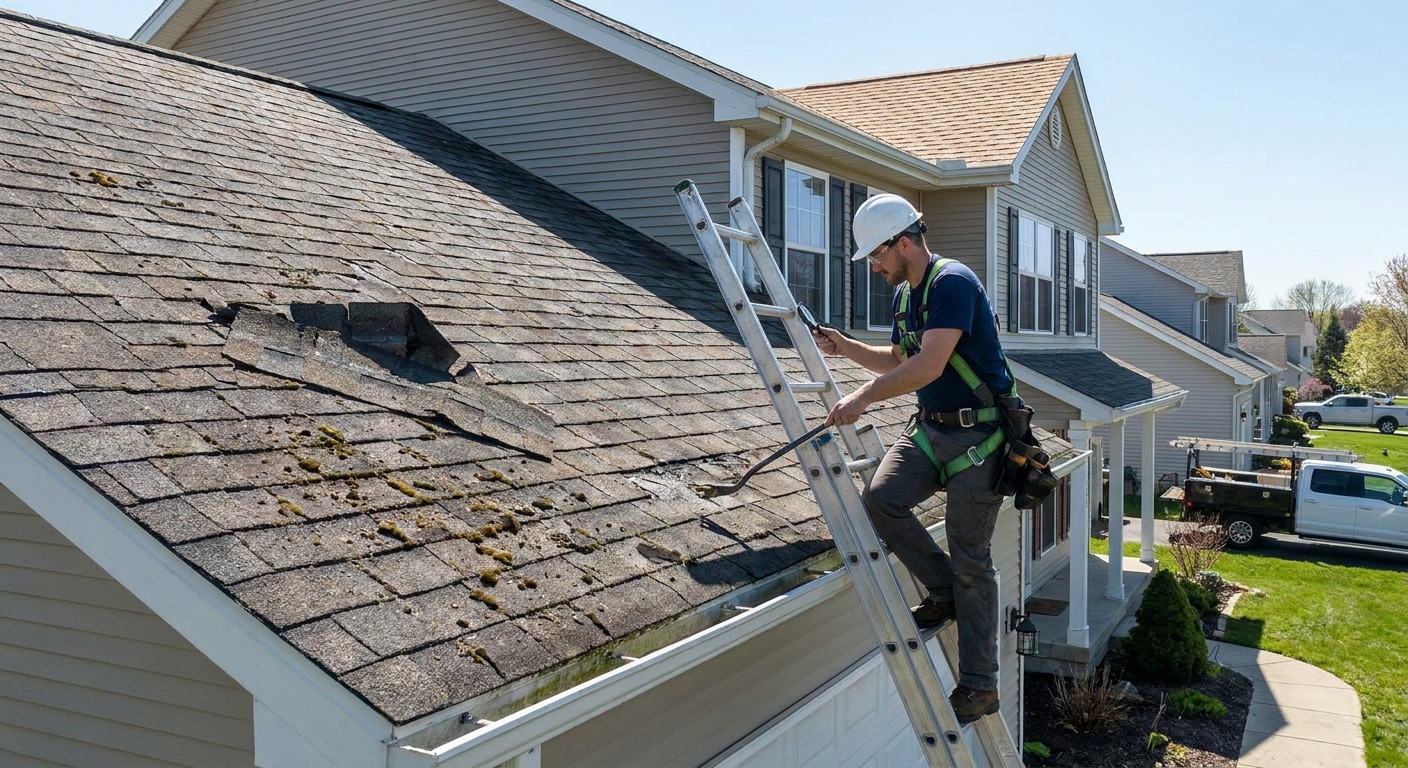
Meet “Tanya.” She entered a formal mortgage forbearance plan after a layoff. She has equity and wants a HELOC to replace a failing roof and stop further damage.
Here is how this often plays out:
- Initial application: Tanya applies online. The automated system flags that the first mortgage is in an accommodation status, or the underwriter later sees it through mortgage documentation.
- Underwriting response: The lender commonly responds with a decline or a condition like “must be out of forbearance and making regular payments.”
- Reasoning: From the lender’s perspective, extending additional secured debt while the primary mortgage is in a hardship plan increases default risk. It also adds uncertainty about what the first mortgage payment will look like once the forbearance is resolved (deferral, partial claim, modification), which affects affordability and combined loan-to-value.
What Tanya can do instead (practical options):
- Talk to her servicer about the right loss mitigation path and ask what is required to keep the home insurable and in good standing. Servicers typically do not fund repairs, but they can explain what documentation, insurance, or occupancy requirements apply and whether a faster resolution option exists.
- Explore repair help that is not a second lien, such as contractor financing, an unsecured personal loan, or (when available) local nonprofit or municipal repair programs.
- If she has a path to resuming payments soon, focus on exiting forbearance cleanly and building a short on-time payment history before trying again.
None of those options are as satisfying as “use your equity,” I know. But during active forbearance, most HELOC options are limited.
Scenario 2: Payments resumed six months ago
Meet “Miguel.” He was in forbearance last year, exited the plan, and has been making his normal mortgage payment again for six months. He wants a HELOC for a planned kitchen update and to consolidate higher-interest debt.
In Miguel’s case, approval is more realistic, but not guaranteed. The question becomes: how much “seasoning” does a lender want after forbearance?
How long do lenders want on-time payments?
There is no single number every bank uses. In practice, many lenders want to see:
- Written proof that the forbearance is closed and the loan is back in a regular repayment status, and
- A run of on-time payments after the plan ends, often several months.
Six months back on schedule can be enough for some HELOC programs, while other lenders may want longer, especially if the overall file is borderline for other reasons like high total monthly obligations or limited cash reserves.
What helps Miguel most in underwriting
- Paperwork that shows the forbearance is over and the loan is performing normally again.
- Recent mortgage statements and bank statements that line up with on-time payments.
- A conservative HELOC request that keeps the combined loan-to-value reasonable.
In other words: Miguel’s goal is to make it easy for an underwriter to tell a clean story. “Temporary hardship, resolved, back to steady payments, and not stretching for extra debt.”
What “exiting forbearance” can look like
When people say “I’m out of forbearance,” they can mean different things. A HELOC lender will usually care about which one applies to you:
- Repayment plan: you pay the paused amounts back over time in addition to your normal payment, which can raise your monthly obligation and affect debt-to-income.
- Deferral or partial claim: the missed payments are moved to the end of the loan or into a separate balance due later, often bringing your monthly payment closer to normal.
- Loan modification: the terms change (rate, term, payment), which can reset your required payment up or down.
If you are shopping for a HELOC after forbearance, expect to show not only that the plan ended, but also what the new normal payment is.
Does it help to apply with your current lender?
Sometimes, yes.
Applying for a HELOC at the same institution that services your first mortgage can help in two ways:
- They may have internal visibility into the status and closure of the forbearance plan, which can reduce documentation friction.
- They may have policies for existing customers that are more flexible than what a new lender offers.
But it can also work against you if that lender has a firm rule: no new home equity lending if you have had a recent hardship plan. So it is worth asking directly before you take the hard inquiry and submit a full application.
What to ask before you apply
If you are trying to avoid unnecessary denials, ask these questions up front. A loan officer can often share general policy without pulling credit, but some lenders may still require an application before giving a definitive answer.
- Do you approve HELOCs if the first mortgage is currently in forbearance?
- If not, how long after forbearance ends do you require on-time payments?
- What documents do you need to prove forbearance ended and the new payment amount?
- Will you verify the mortgage directly with my servicer?
- Are there restrictions when the first mortgage has a recent accommodation?
If approved, expect tighter terms
Even when a lender is willing to approve after forbearance, the terms may be more conservative than you expected. Common examples include:
- Lower approved line amount than your equity would otherwise suggest.
- More documentation conditions, including payment history and proof of reserves.
- Pricing adjustments based on overall risk factors, which can show up as a higher margin over the index on a variable-rate HELOC.
That is not a moral judgment. It is risk pricing. The bank is lending against a property that already has a first lien, and recent hardship can change their comfort level.
Other reasons HELOCs get harder
One more thing I have seen trip people up: sometimes the denial is not only about your forbearance. Banks and credit unions periodically tighten HELOC guidelines, reduce maximum combined loan-to-value, or pause certain products during market shifts. If a lender says “no,” ask whether the issue is your file specifically or a broader program change.
If you need equity soon
This is where I zoom out and sound a little like my old consulting self: the “right” financing is not only about the product, it is about sequencing.
- If you are in active forbearance: focus on stabilizing the first mortgage. A HELOC application is often a long shot during this stage.
- If you have exited forbearance: consider waiting until you have a clear, documentable string of on-time payments that matches lender expectations.
- If your goal is a one-time project: you might ultimately prefer a closed-end second mortgage instead of a HELOC, but only once you are in a qualifiable place again.
The cleanest path is usually: return to normal payments, document stability, then shop lenders and compare line size, margin, fees, and draw requirements.
FAQ
Will a HELOC lender find out I am in forbearance if my credit report shows “current”?
Often, yes. Underwriters commonly verify the first mortgage through statements, payment history, or a direct servicer verification. Even if the trade line is reported as current, accommodation remarks or documentation can reveal the forbearance.
If my forbearance ended, do I have to wait a full year to apply?
Not necessarily. Some lenders may be comfortable after several months of on-time payments, while others want longer. The best move is to ask lenders their specific post-forbearance requirements before applying.
Can I use a HELOC to catch up missed mortgage payments from forbearance?
If you are still in forbearance, getting approved is the hard part. If you are out of forbearance and the lender allows it, they may still scrutinize the purpose and your ability to handle both payments. In many cases, lenders prefer to see the first mortgage clearly resolved into its long-term terms and performing on schedule.
What documentation should I gather before shopping for a HELOC after forbearance?
Plan to have written confirmation that the forbearance is complete (if available), several recent mortgage statements showing the payment is back on schedule (or modified), and proof of payments clearing your bank account.
Bottom line
During active mortgage forbearance, getting a HELOC is usually difficult. For many lenders, the combination of an accommodation on the first mortgage and a new second lien is simply more risk than they want to take on.
After forbearance ends, a HELOC can become possible again, but you should expect the lender to want a documented return to normal payments, often with a period of on-time history like the homeowner who resumed payments six months ago.
Use the questions above to screen lenders before you apply, and focus on presenting a simple, documentable story: the hardship was temporary, the mortgage is back to a stable payment, and you are not stretching your budget to reach for extra debt.