When two owners build a company together, the exit rarely happens in a clean, movie-style handshake. More often it is a slow, emotional mix of burnout, life changes, or simply different visions for the next phase. I grew up watching my parents run a mid-sized agricultural supply company, and I can tell you this from the inside: the hardest business problems are usually not operational. They are ownership problems.
If you are asking whether an SBA loan can fund a partner buyout, the practical answer is: often yes, most commonly through the SBA 7(a) program, as long as the transaction is structured so the continuing owner ends up with control, the price is backed by a supportable valuation, and the continuing owner is willing to sign the required guarantees.
But there is an equally important second answer: some partner buyouts do not qualify, especially when the seller keeps control, the structure is unclear, or the deal looks like a way to pull cash out without reducing lender risk.
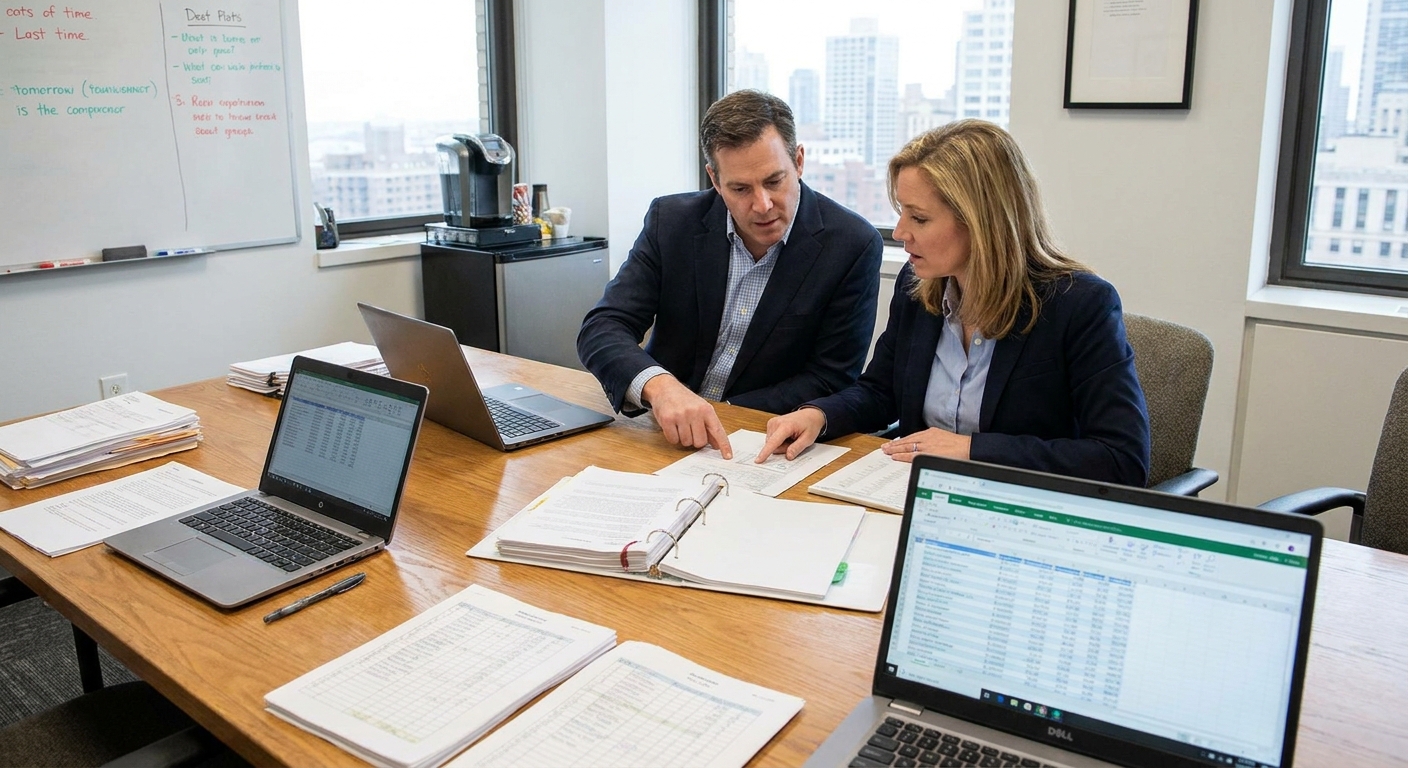
The scenario: a two-owner company
Let us use one simple, realistic example throughout.
Lakeview Custom Cabinets LLC is owned 50-50 by two founders:
- Maya runs sales and client relationships.
- Jordan runs operations and production.
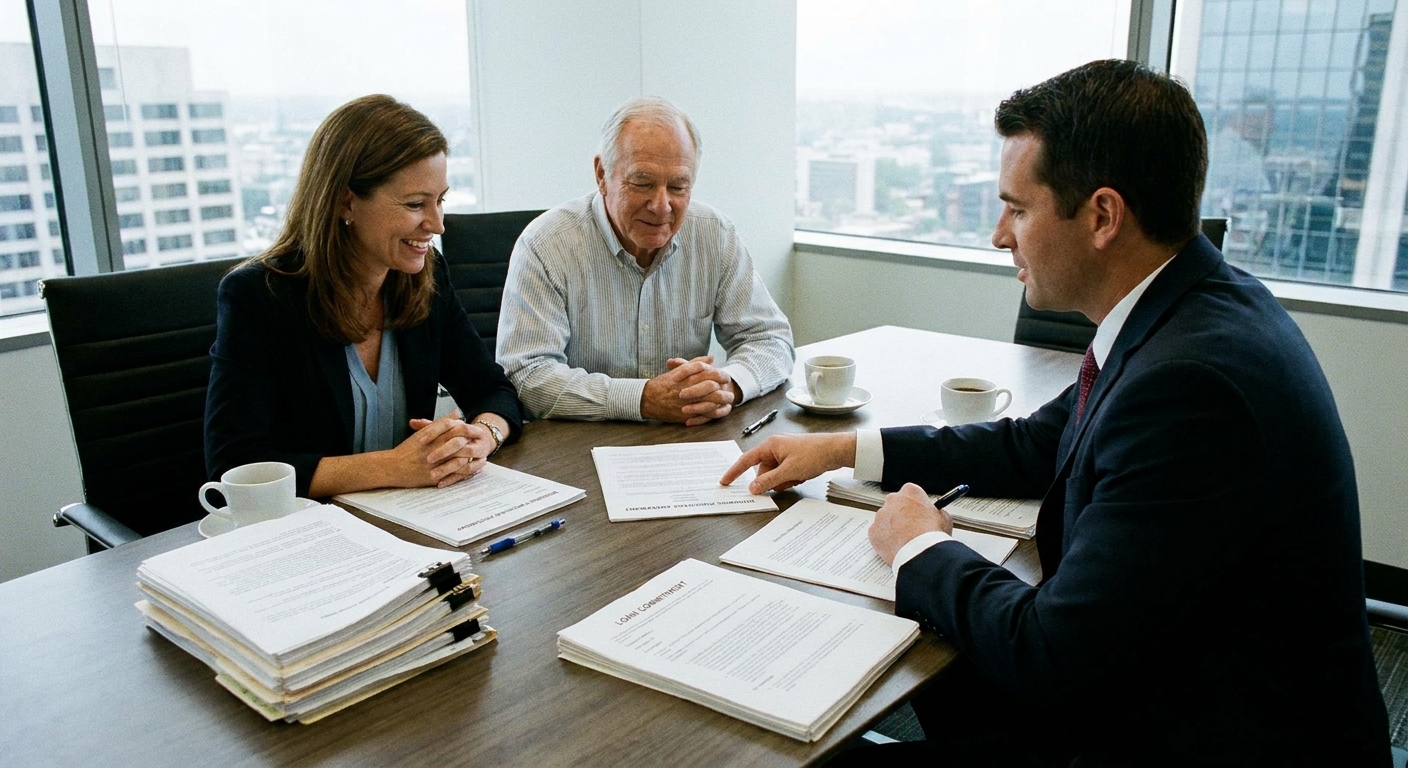
Jordan wants to exit and move out of state. Maya wants to keep the business, keep the team employed, and buy Jordan out. The company is profitable, but it does not have enough cash on hand to pay Jordan for his 50% interest.
Maya asks: “Can I use an SBA loan to buy out Jordan?”
Which SBA loan fits best?
SBA 7(a) is the usual fit
Most partner buyouts that qualify are done with an SBA 7(a) loan because 7(a) is flexible and can finance:
- Purchase of an ownership interest (stock or membership units)
- Goodwill and intangible value (when supported by the valuation and financials)
- Working capital (often included in the same financing package)
- Certain eligible closing-related costs and fees, depending on SBA rules and lender policy
For Lakeview, a 7(a) loan is the most common path because Maya is buying an ownership interest in an operating business.
What about SBA 504?
The SBA 504 program is designed for major fixed assets like owner-occupied commercial real estate or long-life equipment. It is generally not used to buy out a partner’s equity.
If a buyout happens alongside a real estate or equipment project, a lender may use a combination of tools, such as 504 for the eligible fixed asset piece and 7(a) or other financing for the ownership transfer, but the buyout itself is usually 7(a) territory.
The core concept: the buyer must control
In SBA underwriting, a partner buyout is evaluated as a form of change of ownership. The SBA and the lender want the transaction to result in a stable, clearly accountable operating structure.
That usually means the buyer ends up with majority ownership and control. In some structures, control can also be achieved through majority voting rights or clearly documented management authority, even if the equity split is not strictly over 50%. The key is that control is clear on day one and documented in the governing documents.
Back to Lakeview:
- If Maya buys Jordan’s 50%, she becomes 100% owner. This is a clean control outcome.
- If Maya buys only part of Jordan’s interest, the lender will look closely at whether Maya has real control after closing, not just a partial economic stake.
Control is not just a governance preference. Lenders care because the SBA guarantee is tied to underwriting a business that has a clear operator and clear recourse if things go sideways.
What proceeds can pay for
Once the structure makes sense, the next question is what the financing can actually cover.
If structured correctly, SBA 7(a) proceeds may be used to finance the purchase of the departing owner’s interest. Practically, that typically includes:
- The buyout price for the ownership interest (what Jordan receives for his 50%)
- Eligible transaction costs depending on lender policy and SBA rules (legal fees and certain closing costs)
- Working capital if the lender underwrites it as part of the overall package (common when the buyout will strain cash flow)
One nuance that surprises people: lenders usually want to see that the business still has enough liquidity to operate after the buyout. Even if the company can technically service the debt, draining cash to pay an owner out can create operational risk.
Valuation: how the price is checked
In an internal buyout, the biggest friction point is often not the SBA. It is the question, “What is Jordan’s 50% actually worth?”
For SBA financing, the lender typically needs a supportable valuation. Depending on loan size and lender policy, that can come from:
- A third-party business valuation (common as loan amounts rise or goodwill is significant)
- A qualified valuation estimate or appraisal-style support when allowed by the lender
- Market-based support, such as comparable transactions and clear financial performance, where acceptable
For example, suppose the parties agree the company is worth $2,000,000 total, so Jordan’s 50% is $1,000,000. The lender will want to see tax returns and financial statements that support that number.
Important: If the buyout price is inflated because the partners are emotionally negotiating rather than financially negotiating, SBA financing gets harder. A lender can decline a loan even if both partners agree to the price.
Guarantees: what you may sign
This is the part that deserves a clear, calm explanation before you get deep into deal terms. I have watched more than one founder sleepwalk into a guarantee because they were focused on getting the other partner out, not on what the paper meant after closing.
In most SBA 7(a) loans, personal guarantees are generally required from individuals who own 20% or more of the borrowing business. The exact requirement can depend on the current SBA SOP, the ownership structure, and lender interpretation, but the 20% threshold is the common starting point.
In our example:
- After the transaction, Maya will own 100% of Lakeview Custom Cabinets, so she will almost certainly be required to personally guarantee the loan.
- Jordan, if fully bought out and under 20% ownership post-close, typically would not remain a guarantor. Some lenders may still require limited transitional protections depending on the risk profile and structure.
A personal guarantee means if the business cannot repay the loan, the lender can pursue the guarantor personally, subject to the loan documents and applicable law. This is why I tell founders to treat an SBA buyout like a wealth planning decision, not just a financing decision.
Equity injection: do you need cash in?
Many buyers assume SBA financing means they can put in zero dollars. Sometimes that is true in practice, but it is not something you should count on.
Lenders may require an equity injection for a change-of-ownership transaction, especially when the deal is highly leveraged, the business has uneven cash flow, or the valuation is aggressive. In many SBA buyouts, seller financing can help bridge the gap. A seller note on standby is often treated more favorably than a seller note that requires immediate repayment.
The clean way to think about it is this: the stronger the cash flow, balance sheet, and transition plan, the easier it is to reduce the cash injection requirement. The weaker those elements are, the more likely the lender is to want additional equity, seller standby, or both.
Seller note standby: common, but terms vary
Sometimes Jordan agrees to take a seller note for part of the price. This can reduce how much Maya needs to borrow and can make the overall deal safer for the lender.
In SBA change-of-ownership deals, lenders and SBA rules frequently require the seller note to be in some form of standby for a period of time. Standby often means no principal payments during the standby period. Whether interest is paid currently, accrued, or also on standby can vary by the lender and the applicable SBA SOP at the time of approval.
If your buyout depends on seller financing, get the standby terms clear early, because they can affect both SBA eligibility and what the seller is willing to accept.
Collateral: what to expect
Collateral is a common anxiety point in SBA lending, especially for service businesses where the value is mostly goodwill.
In many SBA 7(a) loans, lenders will take a lien on available business assets. They may also require personal collateral when it is available, depending on the lender’s policy and the strength of the deal. Lack of collateral is not always an automatic denial, but it can lead to tighter terms, more scrutiny, or a smaller loan amount.
If Lakeview has equipment, vehicles, inventory, or real estate, expect the lender to look at it. If the business is light on hard assets, expect the lender to focus even more on cash flow coverage and the quality of the transition plan.
The deal that often fails: seller keeps control
Here is the common version that tends not to work.
Suppose Jordan says: “I will sell you 10% now, keep 40%, and I will still be the managing member until I decide to fully exit.” Maya would borrow SBA money to pay Jordan, but Jordan would still control operations.
Transactions like that are often problematic because they can look like:
- Seller liquidity without a real change in control
- Higher risk governance, since the lender is financing a payout while the seller keeps decision-making power
- Unclear accountability, which SBA lenders dislike
Put plainly: lenders generally want borrowed funds to support a structure where the buyer is truly stepping into control, not paying an owner to partially cash out while still calling the shots.
If you want a partial buyout, it may still be possible, but the structure typically needs to ensure the buyer has controlling authority and that authority is documented and effective at closing.
How the seller gets paid
In SBA partner buyouts, there are a few common ways the departing owner gets paid:
1) SBA loan funds most of the price
Maya borrows the money and pays Jordan at closing. This is the cleanest from Jordan’s perspective, but the lender must be comfortable with cash flow coverage after debt service.
2) A mix of SBA funds and a seller note
Jordan takes a seller note for part of the price. If standby is required, the lender will specify the terms, and the final structure should comply with the SBA SOP in effect at the time of underwriting.
3) Earnout style terms
Earnouts can be tricky in SBA deals because of how lenders evaluate fixed obligations, contingent payments, and control. If your buyout relies on an earnout, expect deeper lender scrutiny and more back-and-forth on documentation.
Bottom line: the SBA does not just care that Jordan gets paid. The lender cares that after Jordan is paid, the business can still operate and repay.
Deal structure details
Partner buyouts are usually structured as an equity transfer inside the existing entity. For an LLC, that means Maya buys Jordan’s membership interest. For a corporation, it means stock changes hands.
Regardless of entity type, lenders and closing attorneys will typically expect:
- Updated operating agreement or shareholder agreements that reflect the new control and ownership
- Updated membership ledger or stock records
- Any required third-party consents, such as landlord consent, franchise approvals, or key contract assignments, when applicable
- A clear plan for who has signing authority on bank accounts, payroll, and key vendor relationships on day one
This is not busywork. In a buyout, paperwork is how you prove control is real, not just promised.
Common eligibility pitfalls
Even when the buyout concept is eligible, a few issues commonly derail SBA financing:
- Ineligible business activity or use of proceeds: SBA loans have program restrictions, and lenders will confirm eligibility early.
- Tax issues: Unresolved tax liens, unfiled returns, or messy payment plans can slow or stop an approval.
- Credit or background problems: Serious credit issues, recent defaults, or unresolved legal matters can raise underwriting concerns.
- Declining performance: Recent revenue declines, shrinking margins, or customer concentration can lead to a smaller loan or a no.
- Key person risk: If Jordan is the operational backbone, the lender will want a credible plan to replace that capability.
If any of these apply, it does not automatically mean you are done. It does mean you should expect deeper documentation requests and, in some cases, a need to restructure the deal.
What lenders will ask
Even when SBA rules allow the use of proceeds, your lender will underwrite the risk like any other loan. Expect questions like:
- Cash flow: Can Lakeview cover the new debt payments with room to spare?
- Dependency: Was Jordan essential to operations, and if so, how will Maya replace that capability?
- Transition plan: Will Jordan stay for a consulting period to hand off vendor relationships, production processes, or key accounts?
- Financial reporting: Are the books clean, consistent, and reconcilable to tax returns?
- Use of proceeds: Is the money going to an eligible buyout and eligible costs, not to repay disallowed insider obligations?
Steps that improve approval odds
If you are serious about using an SBA 7(a) loan for a partner buyout, these moves tend to make the process smoother:
- Get a clean ownership story on paper: Operating agreement, buy-sell agreement, and proposed post-close structure should align.
- Invest in credible valuation support: Not just a multiple you found online. Lenders like evidence.
- Document the transition: If the seller is operationally important, outline consulting, training, or a handoff period.
- Be realistic about working capital: A buyout that starves the company can fail even if the price is fair.
- Plan for guarantees and collateral: Understand what you are signing and what assets may be pledged.
FAQ
Can an SBA loan buy out a 50% partner?
Often yes. A buyout where the remaining owner goes from 50% to 100% is one of the clearer control outcomes, and SBA 7(a) is commonly used for it, subject to underwriting and valuation support.
Do I need a business valuation for an SBA partner buyout?
Many lenders require third-party valuation support, especially as loan size increases or when goodwill is a large portion of the price. Even when not strictly required, credible valuation evidence reduces friction.
Will the remaining owner have to personally guarantee the SBA loan?
In many SBA 7(a) deals, yes. Personal guarantees are generally required from owners at or above the SBA’s threshold, often 20% or more, subject to the SBA SOP and lender requirements.
Can I use SBA proceeds to buy out a partner but keep them in control?
That structure is usually a problem. SBA buyouts generally need to result in the buyer having clear control, whether through majority ownership or clearly documented controlling authority.
Is SBA 504 an option for a partner buyout?
504 is typically aimed at real estate and heavy equipment, not ownership interest buyouts. If a buyout is paired with a fixed-asset project, 504 may finance the fixed asset piece while another facility covers the ownership transfer.
The takeaway
An SBA 7(a) loan can fund a partner buyout when the transaction is a true change of ownership that gives the remaining owner control, the price is backed by credible valuation support, and the continuing owner is willing to provide the required guarantees.
If your draft deal looks like a partial cash-out where the seller still controls the company, assume you will need to restructure it or consider other financing paths.
For founders, this is not just about getting to closing. It is about setting the business up to survive the next 12 to 24 months after the buyout, when cash flow, leadership, and stress are all under pressure at the same time.