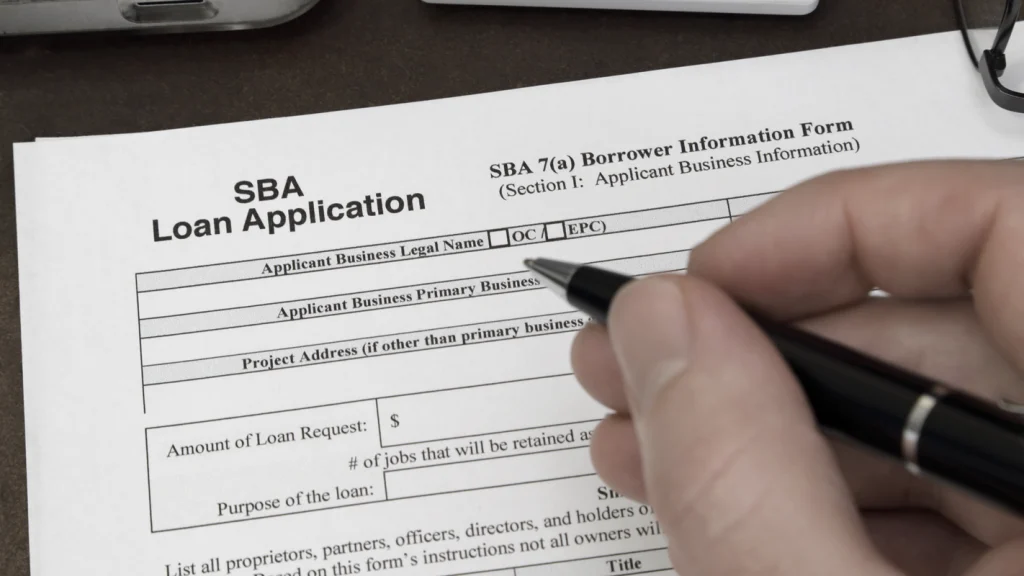
I grew up watching my parents run a mid-sized agricultural supply company. When you live inside a business like that, you learn quickly that ownership changes are not just paperwork. They are a chain reaction: bank covenants, inventory timing, vendor terms, and licensing deadlines all move at once. That is why I like the SBA 7(a) program for acquisitions when it fits. It can be flexible, but it is not casual. The rules are specific, and lenders underwrite the story behind the numbers.
This guide focuses on what really changes when you use an SBA 7(a) loan to buy an operating company: equity injection, seller notes, asset versus stock deals, goodwill, and licensing. I will also cover what you should have ready before a lender starts underwriting your purchase. I am intentionally keeping real estate heavy 504-style project examples out of this, because acquisition underwriting has its own playbook.

How SBA 7(a) acquisitions are structured
When you buy a business with an SBA 7(a) loan, you are typically financing a change of ownership where the loan proceeds are used to pay the seller (and sometimes to refinance certain eligible business debt). The lender is not just underwriting the business. They are underwriting you, the transition plan, and the deal structure.
Common uses of funds in an SBA acquisition
- Purchase of business assets (equipment, furniture, inventory, and intangible assets like goodwill)
- Purchase of ownership interests (stock purchase or membership interest purchase)
- Working capital to support the transition (often critical in the first 3 to 6 months)
- Eligible closing costs, subject to SBA rules and lender policy
One reason 7(a) shows up so often in acquisitions is that it can finance intangible value like goodwill when the cash flow supports the price and the deal is defensible. A formal third-party valuation is sometimes required depending on the size and structure of the transaction.
Typical acquisition closing costs
Every lender has their own approach, but common SBA-allowable items in acquisition closings can include lender fees and packaging, appraisal or business valuation when required, environmental reports when applicable, SBA guaranty fees when applicable, and certain legal costs tied to the loan closing. Broker fees and legal fees tied to negotiating the purchase agreement can be handled differently depending on the lender and the specifics of the deal, so clarify early instead of assuming everything is financeable.
Equity injection basics
In SBA acquisitions, equity injection is the buyer’s cash and/or allowable equivalents that go into the deal. Think of it as proving you have real skin in the game, and that the purchase price is not entirely lender-funded.
A common expectation: 10% injection
Many SBA 7(a) business acquisition deals are built around a 10% equity injection expectation. In plain English, a $1,000,000 purchase often points toward $100,000 coming from the buyer, with the remaining $900,000 financed through the SBA lender and, sometimes, seller financing in an approved format.
That is not a universal rule. Injection requirements can move based on risk and lender policy. A lender may push for more equity if the business is volatile, margins are thin, customer concentration is high, the buyer is light on industry experience, or the deal has other risk factors that make the transition harder to underwrite.
What can count toward injection
Lenders generally prefer cash, seasoned funds, or verifiable liquid assets converted to cash. In some situations, part of the required injection can be satisfied through an acceptable seller note structure (more on that next). Retirement funds used through a compliant ROBS structure are sometimes used in acquisitions, but that is a highly technical path with compliance risk and should be reviewed carefully with qualified professionals.
What does not help as much as buyers think
- I will work really hard is not equity injection
- Unverified gifts, undocumented loans from friends, or last-minute cash movements can raise sourcing concerns
- Promissory notes to yourself, or side agreements with the seller, can violate lender and SBA requirements
Plan for your lender to ask, Where did the injection come from, and is it truly at risk in the deal? Have a clean answer with documentation.
Seller notes and standby
Seller financing can make an SBA 7(a) acquisition work. It can also break the deal if it is structured in a way that undermines the lender’s collateral position or the buyer’s real equity contribution.
The core concept: standby and subordination
In many SBA acquisition structures, a seller note can exist, but whether it can count toward equity injection depends heavily on whether the note is on standby and subordinated during the standby period.
- Full standby typically means no payments of principal or interest for a defined period, along with subordination to the SBA lender. Some lenders may allow limited payments in certain situations, but SBA requirements and lender policy control.
- Not on standby means the business has to make payments to both the bank and the seller right away, which increases cash flow stress and lender risk.
If a seller note is intended to reduce the cash injection you bring, expect the lender to require a meaningful standby period. The direction is consistent: the seller’s note should not drain cash during the most fragile part of ownership transition.
A quick sources and uses example
Here is a simple structure I see a lot in the real world:
- Purchase price: $1,000,000
- Buyer cash injection: $75,000
- Seller note on full standby: $25,000
- SBA 7(a) loan: $900,000
The point is not the exact percentages. The point is that the seller note only helps the injection story when it is structured to behave like risk capital for a period of time, not like a second monthly payment that hits on day one.
Documentation needs to be tight
Seller notes in SBA deals are not handshake instruments. The lender will want:
- A clearly written promissory note
- A subordination agreement if applicable
- Alignment with the purchase agreement and closing statement
- No side letters that change payment priority
One practical tip: do not let your attorney draft the seller note in isolation. Your lender should review it before finalization so you do not spend time and legal fees rewriting.
Asset vs stock deals
Both asset purchases and stock purchases can be financed with SBA 7(a), but the underwriting and closing complexity can feel very different. The right structure is a legal and tax decision as much as a financing one, so this is where your CPA and attorney earn their keep.
Asset purchase
In an asset deal, you are buying specific assets and assuming only specific liabilities you agree to assume. The legal entity you buy from stays with the seller.
Why lenders and buyers often like asset deals:
- Cleaner separation from unknown or undisclosed liabilities
- Clearer collateral and UCC filing path on purchased assets
- Potential tax advantages through asset basis step-up, depending on the situation
Where asset deals can get tricky:
- Assigning contracts and leases may require third-party consents
- Licenses and permits may need to be reissued or re-approved
- Customer and vendor agreements may have change-of-control language even in an asset deal
Stock or membership interest purchase
In a stock deal, you are buying the entity itself. Contracts, bank accounts, tax IDs, and some permits may remain in place, but that continuity is industry-specific. In regulated industries (healthcare, alcohol, childcare, transportation, and others), ownership changes can still trigger approvals, background checks, or reissuance requirements even if the entity stays the same.
Why stock deals sometimes win:
- Less friction on assignability of contracts if they remain with the entity
- Operational continuity when customers or payors are sensitive to entity changes
- Sometimes smoother licensing continuity, when the regulator allows it
Where stock deals demand more diligence:
- Liability exposure, including taxes, employment claims, and unknown obligations
- More intensive legal diligence and reps and warranties
- Potential need for escrow or holdback negotiations, depending on deal risk

Goodwill and pricing support
In many small business sales, the largest asset is not equipment. It is the earning power of the relationships, processes, and brand that already exist. That is goodwill, and SBA 7(a) is one of the few mainstream loan options that can often finance it when the cash flow supports the total price.
Goodwill is underwritten, not assumed
Lenders will typically ask questions like:
- Why is this business worth more than its hard assets?
- Is revenue recurring or dependent on the current owner’s personal relationships?
- How sticky are customers, and what does churn look like?
- Is the margin profile stable over multiple years?
- Is there customer concentration risk?
Goodwill becomes easier to underwrite when the business has documented systems, diverse customers, stable gross margins, and clean financial statements that reconcile to tax returns.
Valuation requirements vary
Depending on the size, structure, and risk profile of the deal, the lender may require a formal valuation or business appraisal. Even when it is not required, a credible valuation can reduce friction by tying purchase price to cash flow reality. Overpaying is one of the fastest ways to turn a good business into a stressful ownership experience.
Licenses and permits
Underwriting is not just financial. For certain industries, the lender will want confidence that you can legally operate on day one.
Common licensing scenarios
- Transferable licenses: some local permits can be transferred with filings and fees
- Non-transferable licenses: you may need to apply as a new owner and wait for approval
- Conditional approvals: operation may require inspections, background checks, or board review
If a license is required to generate revenue, the lender will usually want a plan that does not rely on hope. That can mean evidence the license is transferable, a timeline from the issuing authority, or deal terms that protect you if approval is delayed.
A licensing delay example
I have seen buyers get surprised by a 30 to 90 day approval window on a permit that the seller renewed routinely for years. In that situation, the financing and the purchase agreement often need a practical fix, like a later closing date, a conditional closing tied to approval, or a post-close operating arrangement that is legal in that jurisdiction. The lender is not trying to be difficult. They just do not want to fund a business that cannot legally invoice on day one.
Practical way to reduce risk
Before you spend heavily on diligence, ask the seller for a list of every license and permit required to operate, plus renewal dates and issuing agencies. Then verify with the agency what changes with new ownership. This is unglamorous work, but it prevents expensive surprises.
Rules that surprise buyers
Some of the biggest deal headaches come from assumptions buyers did not know they were making. A few concepts to clarify early with your lender:
- Active ownership matters: SBA acquisition lending is generally designed for operating owners, not passive investors. Lenders want to see who will run the business and how.
- Partial buyouts can be tricky: buying out one partner while others remain may be eligible, but the structure and documentation have to match SBA change-of-ownership rules and lender policy.
- Use of proceeds has limits: refinancing existing debt is only allowed when it meets SBA eligibility tests and documentation requirements. The loan is not a blank check for owner cash-outs, delinquent obligations, or backdoor distributions.
Collateral and guarantees
Even though SBA acquisitions are primarily underwritten to cash flow, most deals still come with collateral and guarantee realities that you should plan for upfront.
- Personal guarantees are standard for owners, and lenders will look at your global cash flow and contingent obligations.
- Liens on business assets are typical, and lenders often file UCC liens as part of closing.
- Additional collateral may be requested if it is available, depending on the lender’s policies and the specifics of the deal.
I do not say this to scare buyers. I say it because surprises late in underwriting can slow a file down, or force renegotiations when everyone is tired.
What to have ready for underwriting
If you want an SBA 7(a) acquisition to move smoothly, your job is to make the lender’s file easy to understand. Underwriting slows down when documents are missing, inconsistent, or do not reconcile across sources.
Personal package
- Personal financial statement (assets, liabilities, monthly obligations)
- Personal tax returns, commonly the last 2 to 3 years
- Resume showing management and/or industry experience
- Explanation of any credit issues, if relevant, with context and resolution
- Proof of equity injection and source of funds (statements and transfer trail)
Business package
- Business tax returns for the last 3 years, if available
- Year-to-date P&L and balance sheet, dated within the last 60 to 90 days
- Trailing 12-month financials if YTD is seasonal or volatile
- Accounts receivable and accounts payable aging reports
- Debt schedule listing all current loans, rates, payments, and maturities
- Detail on add-backs, including owner compensation, one-time expenses, and non-recurring items
Deal documents
- Letter of intent (LOI) or term sheet
- Draft purchase agreement with clear allocation and terms
- Seller note terms, if any, including standby details
- List of assets included and excluded (especially inventory and vehicles)
- Proposed closing statement or sources and uses table
- Lease agreement and landlord consent if the location is leased
Operating plan
- A simple transition plan for the first 90 days
- Staffing plan and who is essential to retain
- Customer retention approach, especially for top accounts
- Owner involvement post-close, if any, including training timeline
One more thing I encourage buyers to prepare: a frank explanation of why the seller is exiting. Underwriters ask because it can reveal hidden risk. A retirement story reads differently than a shrinking market story.
Process and timing
Acquisition financing usually feels slow when you are living it. Having a basic timeline in your head helps you negotiate the purchase agreement more realistically.
- LOI accepted: you lock in the main business terms.
- Lender screening and term sheet: you learn quickly whether the deal is financeable with your profile and the target’s cash flow.
- Underwriting: document collection, analysis, and conditions.
- SBA authorization, if applicable: some loans go through SBA review depending on lender status and structure.
- Closing: final documents, insurance, liens, and disbursement.
Timelines vary by lender, borrower readiness, and deal complexity. A clean, well-documented acquisition can sometimes move in a couple of months. A messy file with licensing, landlord, or financial statement issues can take longer. This is why I push buyers to treat the documentation list as a starting line, not a finish line.
Red flags lenders scrutinize
Most SBA acquisition deals do not fail because SBA does not like acquisitions. They fail because the risk signals stack up faster than the cash flow can compensate.
- Financials that do not match tax returns: lenders trust tax returns more than internal statements
- Customer concentration: one contract or one client driving revenue can lead to tougher terms
- Owner-dependent revenue: if the seller is the product, goodwill becomes fragile
- Messy payroll or sales tax compliance: unresolved compliance issues can delay or derail closing
- Unclear inventory reality: inventory valuation and obsolescence can be a major swing factor
- Overly aggressive add-backs: underwriters will normalize earnings quickly
- Deal terms that hide side payments: consulting agreements or reimbursements must be legitimate and documented
None of these automatically kill a deal, but they require explanations, documentation, and often tighter structuring.
Affordability is cash flow
As a planner, I always separate can you get approved from will this feel sustainable. A lender might approve based on coverage ratios and collateral, but you have to live inside the monthly payment while you learn the business.
Before you sign, pressure test:
- What happens if revenue dips 10% for two quarters?
- What if a top employee leaves?
- What if the owner’s add-backs do not fully translate to you?
- How much working capital do you truly need to sleep at night?
A purchase that only works in a perfect year is not a good deal. SBA financing can support smart ownership transitions, but it cannot fix thin margins or unclear value.
FAQ
Can SBA 7(a) finance 100% of the purchase price?
It is uncommon. Most acquisition structures expect an equity injection, often around 10% as a starting point. Some deals use seller financing on acceptable terms to reduce the buyer’s cash requirement, but the structure has to meet SBA and lender requirements, and the buyer still needs meaningful risk in the transaction.
Do I have to buy assets, or can I buy the stock?
Either can be eligible, and the right answer depends on tax, liability, licensing, and lender comfort. Asset deals are common because they can reduce liability exposure. Stock or membership interest purchases can be workable, but they usually require deeper diligence and extra care around historical liabilities and regulatory approvals.
Will the lender finance goodwill?
Often, yes, if cash flow supports the total purchase price and the earnings are documentable. A valuation may be required depending on deal size and structure. Expect scrutiny of customer concentration, owner dependency, and the quality of financial statements.
What is the fastest way to slow down underwriting?
Mismatched documents. If the P&L, tax returns, and add-backs tell different stories, the lender has to pause to reconcile. Clean, consistent reporting is one of the best ways to keep an SBA acquisition moving.