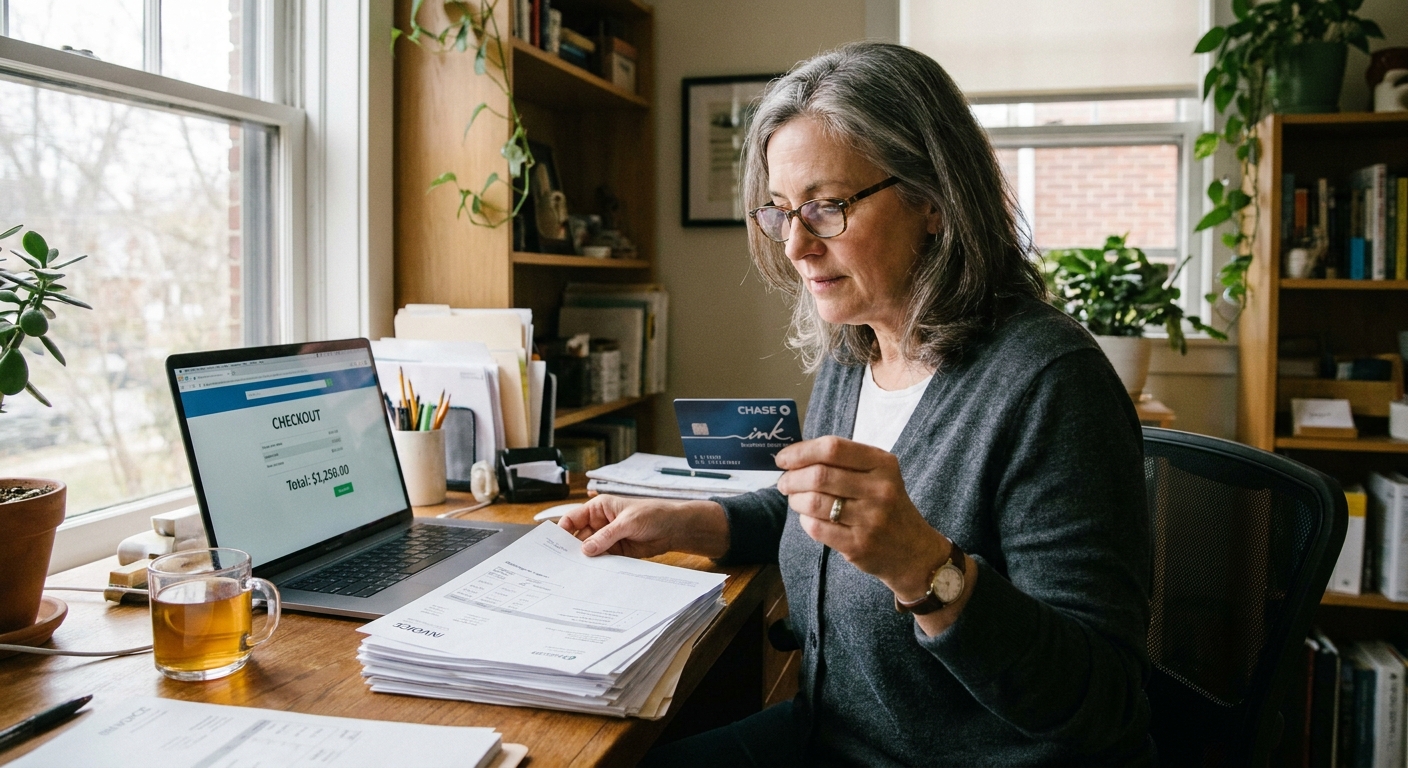
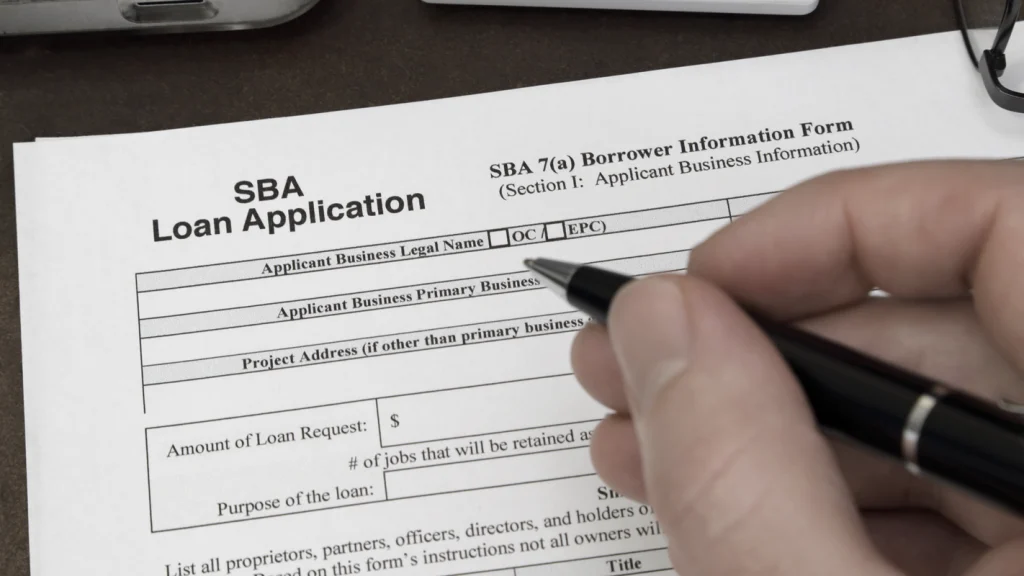
When I was growing up, my parents ran a mid-sized agricultural supply company, and the line between “the business” and “the people behind it” was never clean. The bank wanted the business financials, sure, but it also wanted my parents’ personal guarantees, their tax returns, and a clear sense of who was actually responsible for the debt.
If you are a sole proprietor today, you are living a modern version of that same reality. You might not have an LLC. You might not even have a separate business name. But you still want one thing that larger companies seem to have access to: a business credit score.
The good news is that a sole proprietor can have a business credit profile and business credit scores. The trick is understanding what those bureaus are actually tracking, and what needs to happen before your business becomes “real” to them.
Yes, a sole proprietor can have business credit
Business credit bureaus do not require you to be an LLC or corporation. They require a business identity they can match to trade payments and public records.
For a sole proprietor, that identity is usually built from some combination of:
- Your legal name (because the business is not legally separate from you)
- Your business address and phone number (consistency matters more than perfection)
- Your EIN (often, but not always, a key identifier)
- Your business accounts that report (this is what actually creates the file)
One important nuance: you may have a “business credit file” and still not have a widely used “business credit score” right away. A file is just the record. A score usually appears once there is enough reporting history.
Business credit vs. personal credit
Sole proprietors often assume business credit works like personal credit, where you can pull a report and see a score no matter what. Business credit is different:
- Business credit is not automatically created. It is typically created when a vendor or lender reports activity to a business bureau.
- Business credit is more fragmented. Different vendors report to different bureaus, and many do not report at all.
- Personal credit is still central for approvals. Many “business” credit cards and loans for sole proprietors rely heavily on your personal credit, especially early on.
Translation: you can build business credit as a sole prop, but for a while you are likely living in a hybrid world where your personal credit still does most of the heavy lifting.
Where business scores come from
A business credit score is produced by a business credit bureau using the data it has on your business. The main bureaus most people run into are:
- Dun & Bradstreet (D&B)
- Experian Business
- Equifax Business
These bureaus may use:
- Trade lines (vendor accounts that extend terms like net-30)
- Business credit accounts (some business cards, leases, and loans)
- Collections and certain public records where available (reporting can vary by bureau and source)
- Company demographic info (industry, time in business, size, etc.)
As a sole proprietor, the most common early hurdle is simple: not enough reporting to generate a meaningful score, especially with D&B and trade-credit-focused models. In plain terms, it can take a few reporting cycles before anything “shows up” in a useful way.
Do you need an EIN?
You do not always need an EIN to “start,” but in practice, an EIN makes it much easier to build a clean business identity and get certain accounts approved.
What an EIN does
- Separates identifiers: You can stop handing out your Social Security number as often.
- Improves matchability: Vendors and bureaus can more consistently attach payment history to a business record.
- Helps with onboarding: Many vendors, lenders, and payment platforms ask for an EIN even if you are not incorporated.
What an EIN does not do
- It does not create business credit by itself. An EIN is an identifier, not a credit history.
- It does not legally separate you from the business. That separation comes from an entity like an LLC or corporation, plus proper operations.
If you are operating under your own legal name, you can still get an EIN. In many cases, it is a smart move for privacy and process reasons, even before you consider forming an LLC.
D&B and the D-U-N-S number
If you are specifically trying to build a D&B file, you will run into one practical detail quickly: the D-U-N-S Number. That is D&B’s identifier for a business.
Not every sole proprietor needs to focus on D&B on day one, but if a vendor tells you they report to D&B, they may ask for a D-U-N-S Number so the tradeline has somewhere to land. Think of it as the address label D&B uses to match activity to your business profile.
Does your name matter?
Yes, and this is where people get confused.
With an LLC, the business name is the legal “borrower,” even if you personally guarantee the debt. With a sole proprietorship, you and the business are the same legal person. That means:
- Applications may list the business as your name, or “Your Name DBA Business Name” if you use a DBA.
- Many lenders will still pull your personal credit, because you are the obligor.
- Bureaus match files bureau by bureau using the identifiers they have, often anchored by an EIN plus address and phone. If the data is inconsistent, you can end up with a thin file or duplicate files.
From a practical standpoint, you want your business identity to be consistent across documents. Pick one format for your business name and stick to it on invoices, vendor accounts, utilities, and registrations.

Accounts that can report
You can start generating business-bureau data before forming an LLC, but you have to be picky. Some accounts marketed as “business” never report anywhere, and some report in ways people do not expect.
Accounts that often help
- Net-30 or trade accounts with vendors that report to business bureaus (this is the classic early building block for D&B-style files)
- Certain business utility or telecom accounts (some providers report; many do not, and reporting may vary by region and account type)
- Equipment or vehicle leases opened in the business name (often require stronger credentials, but they can report as business obligations)
- Business loans that are underwritten as business credit (less common for brand-new sole props, but not impossible)
Accounts to understand before you rely on them
- Business credit cards: Many major issuers report your business card account to one or more business credit bureaus, which can help build your business file. At the same time, most issuers do not report your on-time business card history to your personal credit reports, but they may report delinquencies, charge-offs, or other negative events to personal bureaus. So a business card can support business credit, but it does not automatically “shield” your personal credit.
- Checking and savings accounts: Banking activity is important for underwriting, but it does not typically show up as tradelines on business credit reports.
- Payment processors: Great for documenting revenue, not usually for building bureau tradelines.
The most important takeaway is that reporting varies. If your goal is a business credit profile, choose relationships where you can confirm whether they report and where they report.
A real-world example
Let’s use a straightforward scenario I see constantly.
Maya is a freelance UX writer in Chicago. She works under her legal name, “Maya Thompson,” with no LLC. Her clients pay her via ACH, and she uses a personal rewards card for most expenses. She wants business credit so she can finance a new laptop and eventually qualify for better lending terms.
Here is what tends to happen in real life:
- At first, Maya has no business credit file because nothing is reporting trade payments to a business bureau under her business identity.
- She applies for a business card as a sole proprietor. The issuer approves her based largely on her personal credit. The account may report to business bureaus, and her on-time history may still stay off her personal reports unless something goes wrong.
- She gets an EIN and starts using a consistent “Maya Thompson” business identity across invoices and vendor setups, which reduces mismatches.
- She opens one or two vendor accounts that report and pays them on time. After a few reporting cycles, those tradelines can help generate a business credit profile and potentially business scores, depending on the bureau and the depth of history.
Notice what is not required in this sequence: an LLC. An LLC can be helpful for liability and long-term structuring, but it is not the gatekeeper for creating a business credit file.
What lenders look at
Even if you build a business credit profile, many lenders still evaluate a sole proprietor using a blended lens.
Common inputs
- Personal credit score and history (often the primary driver early on)
- Business bank statements and cash flow
- Time in business (even if you are not incorporated, your operating history matters)
- Tax returns (Schedule C is a big one for sole proprietors)
- Business credit reports (more influential as your business file becomes thicker)
This is why I encourage sole proprietors to think in two tracks: build business reporting where you can, and keep your personal credit clean because it remains part of the picture.
Why you stay invisible
- Inconsistent business naming: “Jane Smith,” “Jane A. Smith,” and “Jane Smith Consulting” can be treated like different businesses if the data is messy.
- Using only accounts that do not report: You can spend plenty and still generate zero tradelines.
- Mixing addresses and phone numbers: Frequent changes make matching harder and can create duplicate or thin files.
- Assuming an EIN equals business credit: It helps, but it is not a record by itself.
Quick start checklist
- Lock in a consistent business identity: Name format, address, phone, and email used across invoices and applications.
- Get an EIN if you want a cleaner identifier and less SSN sharing.
- If you care about D&B, get a D-U-N-S Number so reporting has a clear match point.
- Open 1 to 2 accounts that report to business bureaus and confirm where they report.
- Pay on time or early, especially on trade terms where early payments can matter.
- Monitor your files with D&B, Experian Business, and Equifax Business. Access is often paid and varies by product, so do not assume business reports are free the way some consumer tools are.
FAQ
Can I check my business credit as a sole proprietor?
Yes. If a bureau has a file on your business identity, you can typically access it through that bureau’s products. Whether you will see a score depends on how much data is in the file, and business report access may cost money depending on the bureau and product.
If I get a DBA, does that create business credit?
A DBA can make your business identity clearer and more consistent, but it does not create credit history. History is created when accounts report payment behavior to business bureaus.
Will a business credit score protect my personal credit?
Not by itself. Many credit products for sole proprietors still rely on personal credit checks and personal guarantees. Over time, stronger business credit can expand options, but it does not automatically remove personal responsibility.
Do I need to form an LLC to get business funding?
No. Many lenders and card issuers work with sole proprietors. An LLC can help with legal liability and may simplify certain banking or contracting arrangements, but it is not a universal requirement for credit products.
The bottom line
A sole proprietor can absolutely have a business credit file and business credit scores, even without an LLC. The keys are (1) building a consistent business identity, (2) using an EIN when it helps reduce friction and mismatches, and (3) opening accounts that actually report to business credit bureaus.
If you are starting from zero, that is normal. Business credit is something you deliberately assemble, not something you automatically inherit just because you started selling services.