Refinancing a mortgage is one of those money moves that sounds simple on paper: swap your current home loan for a new one with better terms. In real life, it is a cost-benefit decision wrapped in timing, fees, and your future plans.
I grew up around a family business where every loan decision had consequences for cash flow and stress levels. A refinance is similar. If it improves your monthly breathing room or long-term interest costs, it can be a gift. If you do it because a lender promised “low rates” without doing the math, it can quietly drain your wealth.

Below is a practical, numbers-first guide to knowing when to refinance, why it helps, and how to decide with confidence.
What refinancing changes
When you refinance, you replace your existing mortgage with a new mortgage. That new loan can change several levers at once:
- Interest rate (lower or sometimes higher, depending on your goal)
- Loan term (for example, reset to 30 years, or shorten to 15)
- Monthly payment (often the main reason people refinance)
- Type of rate (switch from adjustable-rate to fixed, or vice versa)
- Borrowed amount (cash-out refinance increases the balance)
- Mortgage insurance costs (may go away or may be added, depending on equity and loan type)
The key: refinancing is not “free money.” It is a new loan with new closing costs, and usually a new reset point for how interest is amortized.
Good times to refinance
1) When you can lower the rate and stay put
The classic refinance is a rate-and-term refinance: you keep roughly the same loan balance, but you lower the interest rate, change the term, or both.
What matters is not a magic rate-drop rule. What matters is your break-even timeline:
- Upfront cost: total closing costs and prepaid items you will not recover
- Monthly savings: the change in your principal + interest (P&I) payment, plus or minus changes to monthly mortgage insurance (like PMI)
- Break-even months: upfront cost ÷ monthly savings
Example: If refinancing costs you $6,000 and saves you $200 per month, break-even is about 30 months. If you expect to sell or move in 18 months, the refinance likely fails the timing test.
2) When you can drop mortgage insurance
If you have a conventional loan and your home value has risen or your balance has fallen, a refinance can sometimes remove private mortgage insurance (PMI) by pushing your loan-to-value (LTV) lower.
Two clarifying notes that matter in real life:
- With conventional loans, PMI cancellation is governed by the Homeowners Protection Act. In general, you can request cancellation at 80% LTV (if conditions are met), and it must automatically terminate at 78% LTV based on the original amortization schedule. If you are relying on appreciation instead of the schedule, servicers often require seasoning (commonly around 2 years) and a new appraisal or BPO, and policies vary.
- With FHA loans, mortgage insurance (MIP) can be long-lasting. Many newer FHA loans require MIP for 11 years if the original LTV was 90% or less, or for the life of the loan if the original LTV was above 90% (details vary by origination date, term, and setup). Many homeowners refinance from FHA to conventional to eliminate MIP, if credit and equity allow.
If your monthly PMI or MIP is meaningful, include that savings in your break-even calculation.
3) When you want a shorter term
A refinance can be a clean way to move from a 30-year to a 15-year (or 20-year) loan, trading a higher monthly payment for dramatically lower lifetime interest.
Two ways this works well:
- You received a raise or your household income increased, and you want to build equity faster.
- Your current rate is high enough that a lower-rate shorter-term loan keeps the payment increase manageable.
If cash flow is tight or variable, be careful. A shorter term is a commitment, and life rarely asks permission before it gets expensive.
4) When you want a predictable payment
If you have an adjustable-rate mortgage (ARM) and the adjustment period is approaching, refinancing into a fixed-rate loan can reduce uncertainty. Even if your new fixed rate is not dramatically lower, the value may be sleep-at-night stability.
5) When cash-out has a real payoff
A cash-out refinance replaces your mortgage with a bigger one and gives you the difference in cash. It can be useful, but it deserves extra scrutiny because it converts home equity into long-term debt.
Cash-out can make sense when:
- You are consolidating higher-interest debt and you have a disciplined plan to avoid re-running balances back up.
- You are funding a home improvement that realistically increases home value or reduces costs, like a necessary roof replacement, energy efficiency upgrades, or accessibility modifications.
- You are stabilizing a business cash crunch with a clear repayment plan and strong margins. This is high risk and should be treated like any other business financing decision.
If the cash is for lifestyle spending, vague “investing,” or plugging a recurring budget hole, pause. That pattern can turn a home into a revolving credit line with serious consequences.
Break-even math
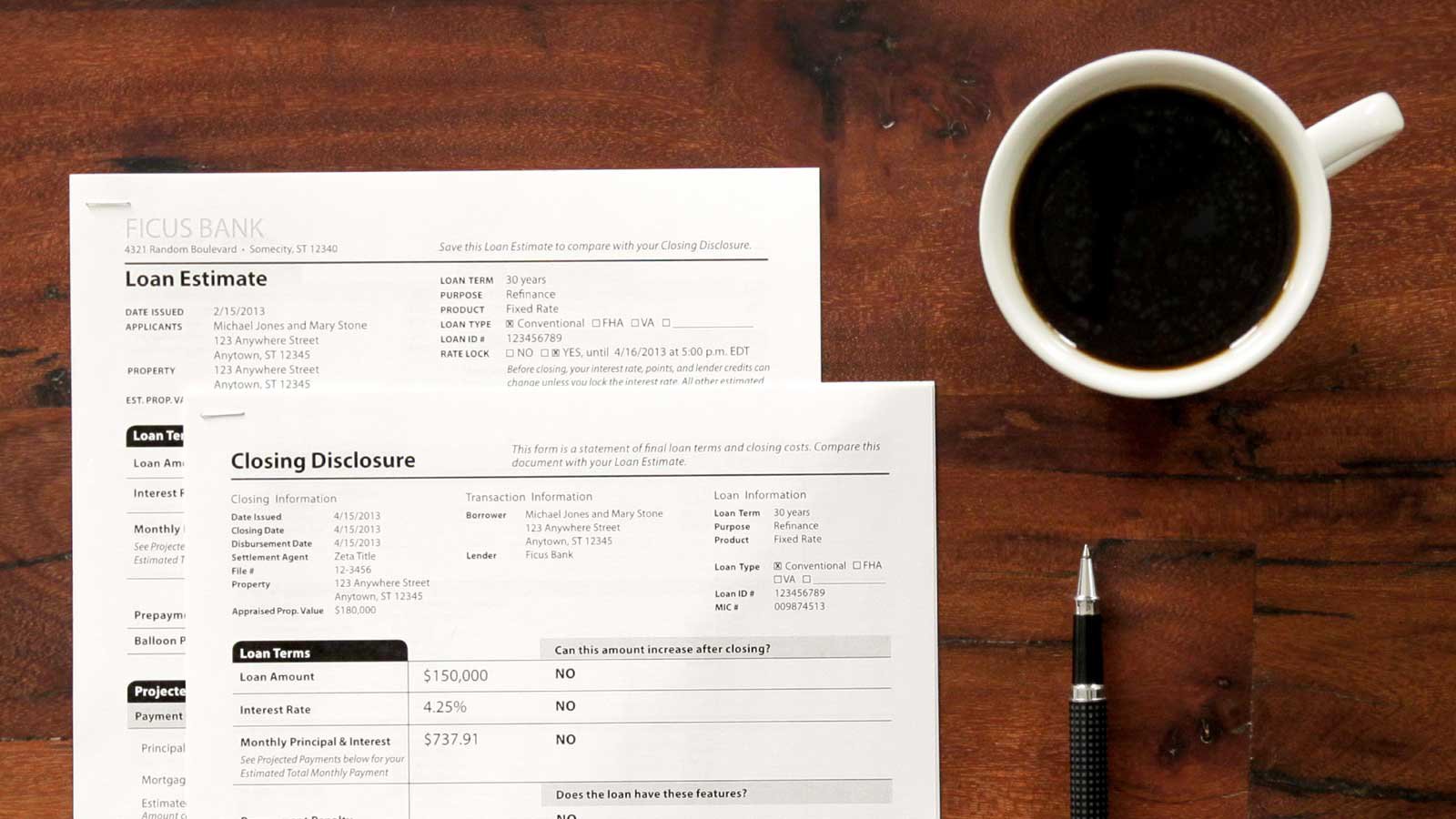
Ask a lender for a Loan Estimate so you can see the actual fees. Then run three quick checks.
Step 1: Costs vs prepaids
Not everything on the closing cost page is a true cost of refinancing.
- True costs often include lender fees, appraisal, title, recording, and points.
- Prepaids include homeowners insurance, property taxes, and per-diem interest. These are mostly timing-related, but the cash-flow hit is real and can change based on escrow rules and due dates.
For break-even, focus on costs that do not come back to you. Also remember you may receive an escrow refund from your current lender after closing, which can offset some cash needed upfront.
Step 2: Calculate break-even
Break-even months = (true refinance costs) ÷ (monthly savings)
For “monthly savings,” start with the change in P&I payment, then add any mortgage insurance change (PMI/MIP). Taxes and homeowners insurance usually do not change just because you refinanced, but your monthly escrow payment can change due to timing and required cushions.
If you are not lowering the payment because you are shortening the term, monthly “savings” can be the wrong yardstick. In that case, compare total interest paid over the time you realistically expect to keep the loan.
Step 3: Reality-check your timeline
Break-even only matters if you keep the loan long enough. Think about:
- Likelihood of moving
- Family changes that could shift housing needs
- Job changes or relocation risk
- Plans to sell the property or convert it to a rental
If you are unsure, being conservative helps. A refinance that only wins if you stay 7 years is fragile.
Costs to watch
Lenders can present the same refinance in very different ways. These line items are worth slowing down for.
Points
Discount points are upfront fees paid to get a lower rate. Paying points can be smart if you will keep the mortgage long enough to earn back the cost. It can be a waste if you might sell or refinance again.
APR vs interest rate
Your interest rate drives your payment. Your APR bundles the rate plus many fees to show the effective cost. When comparing offers, APR is helpful only if you are comparing similar loan types and terms. Always compare the full Loan Estimate, not just the headline rate.
Appraisal and title fees
Some refinances offer appraisal waivers, but not all. Title costs vary by state and transaction type. Ask for a fee worksheet early so you can compare lenders cleanly.
Escrow setup
Refinancing often means starting a new escrow account for taxes and insurance. This is typically not a “fee” so much as a timing shift. Just plan for the cash requirement.
Cash to close vs rolling costs
You can pay closing costs out of pocket, roll some of them into the loan balance, or take a slightly higher rate in exchange for lender credits.
- Rolling costs in can reduce cash to close, but you may pay interest on those costs for years.
- Lender credits can improve short-term break-even, but the “cost” is usually a higher rate.
The math can still work either way. The point is to measure the trade clearly instead of assuming “no closing costs” means no cost.
When refinancing is a bad idea
You plan to move soon
If you are likely to sell before you break even, you are effectively prepaying interest savings you will never receive.
You are lowering the payment by restarting the clock
This is the sneaky one. A lower payment can be great, but if you have already paid 8 years on a 30-year loan and you refinance back into a new 30-year term, you may pay more interest over your lifetime, even at a lower rate. Sometimes that is worth it for cash flow. Just make sure you are choosing it, not drifting into it.
Why it happens: mortgage interest is front-loaded. Early payments are heavier on interest and lighter on principal. When you restart a long term, you often go back to that interest-heavy phase, even if the rate is better.
Your credit or DTI is not ready
If your credit score has dropped or your monthly debts are high, you may not qualify for favorable pricing. In some cases, waiting 3 to 12 months while you improve credit utilization or pay down balances can turn an “okay” refinance into an excellent one.
You trade relief for long-term risk
Cash-out to pay off credit cards can work, but only if you stop the behavior that created the balance. Otherwise, you risk ending up with credit card debt and a bigger mortgage.
Refi options
Rate-and-term refinance
You replace the loan to get a different rate and/or term, without taking meaningful cash out. This is the most common refinance.
Cash-out refinance
You borrow more than you currently owe and receive cash. Great power, great responsibility.
Cash-in refinance
You bring money to closing to lower your loan balance. This can improve pricing or help you get below key LTV thresholds, especially if your home value dipped or you want to drop PMI.
Streamline refinance
VA and FHA loans may offer streamlined refinancing paths with reduced paperwork. These can be efficient, but fees still exist, and the “easy paperwork” does not automatically mean the deal is good. FHA Streamline refinances also generally require a net tangible benefit (a measurable improvement, like a lower payment or a more stable loan).
Before you apply
- Clarify your goal: lower payment, lower lifetime interest, remove PMI, tap equity, stabilize an ARM.
- Check your credit: review reports for errors and know your score range.
- Estimate your home value: recent comparable sales can help you approximate equity.
- Know your current loan details: rate, term remaining, balance, PMI/MIP, and whether there is a prepayment penalty (rare, but worth confirming).
- Get at least 2 to 4 Loan Estimates: compare rate, points, lender fees, and total cash needed at closing.
- Compute break-even: costs ÷ monthly savings.
- Pressure test your timeline: will you keep the loan long enough?
If you want an extra layer of protection, ask lenders to quote the same scenario: same loan type, same term, and the same estimate of property taxes and insurance. It makes comparisons cleaner.
Two practical nuances
- Shopping window: multiple mortgage inquiries within a rate-shopping window are typically treated as a single inquiry by many scoring models. Still, keep your shopping tight and focused.
- Occupancy matters: rates and fees are often higher for investment properties and second homes than for a primary residence. Set expectations accordingly.
Rate locks
Rates change daily. Ask about lock options (and the lock period) so you know how long your quote is protected. If you are comparing lenders, compare the lock terms too, not just the rate.
FAQ
How much does the rate need to drop?
There is no universal threshold. A smaller rate drop can still be worth it if closing costs are low, your loan balance is large, or you plan to stay in the home for a long time. The break-even math is more reliable than any rule of thumb.
Is a no-closing-cost refinance real?
Usually it means you are not paying costs out of pocket. The costs typically get covered by a slightly higher interest rate, rolled into the loan balance, or offset by lender credits. It can be smart if you want a faster break-even and do not plan to keep the loan for long, but it is not “free.”
Will refinancing hurt my credit?
Expect a small, usually temporary impact from a hard inquiry and the new account. If you shop multiple lenders in a short window, those inquiries are commonly treated as one for scoring purposes. The bigger credit drivers are still payment history and credit utilization. If the refinance helps you manage cash flow and pay on time, it may be beneficial long-term.
Can I refinance if my home value dropped?
It depends on your equity, loan type, and lender guidelines. If your loan-to-value is too high, you may face higher pricing, mortgage insurance, or difficulty qualifying. Some government programs may be more flexible than conventional options.
Should I refinance to pay off credit cards?
Sometimes, but only with guardrails: the new loan should materially reduce your interest cost, you need enough equity, and you must have a plan to avoid rebuilding credit card debt. Otherwise, it is a short-term fix that can create long-term risk.
Bottom line
The best time to refinance is when it clearly moves you toward a goal that matters, and the numbers support it. Get real Loan Estimates, calculate break-even, and match the decision to your life plans, not just today’s headlines.
If you want a simple personal rule: refinance when you understand exactly what you are paying, exactly what you are getting, and how long it takes to win.