
Buying your first home can feel like you are trying to pass a test you have never studied for. The good news is that mortgages are not mysterious. Lenders are looking for a clear story: you pay your bills on time, you have stable income, your existing debts are manageable, and you have cash reserves for the bumps that come with homeownership.
This checklist is the “study guide” I wish every first-time buyer had before they ever click “schedule a tour.” If you work through these steps in order, you will walk into the mortgage process calmer, faster, and far less likely to be surprised.

1) Know what you are approved for
Most first-time buyers focus on the home price. Lenders focus on your monthly payment and your overall debt load.
Your payment is more than the mortgage
When you see a number online, make sure you are thinking in “PITI” plus the extras:
- Principal and interest (the loan itself)
- Property taxes (often paid monthly into escrow)
- Homeowners insurance (also usually escrowed)
- HOA dues (if applicable)
- Mortgage insurance (PMI or MIP, depending on loan type)
If you want a simple gut-check before you get too fancy: a payment that fits your life should still leave room for savings, repairs, and the rest of your goals. A house that “works” on paper but squeezes your cash flow can turn into a stress machine.
DTI is the gatekeeper
Lenders calculate your DTI by dividing your monthly debt payments by your gross monthly income. Debts typically include student loans, car payments, credit card minimums, personal loans, and the proposed housing payment.
Different loan programs have different caps, and some lenders look at both a housing ratio (front-end) and a total debt ratio (back-end). Also note that student loan payment calculations can vary by program and lender, especially if your loans are deferred or on an income-driven plan.
As a planning target, aim to keep your overall DTI comfortably below the maximum, not just barely under it. Think “breathing room,” not “squeak by.” That buffer matters when rates shift, taxes increase, or your insurance premium jumps.
2) Pull credit and fix the big issues
Your credit score influences whether you get approved and what interest rate you are offered. Even a small rate difference can translate into a big monthly payment swing.
Do this 3 to 6 months early if possible
- Pull your credit reports from all three bureaus and look for errors: wrong balances, duplicate accounts, incorrect late payments, old collections that should have fallen off.
- Pay down revolving utilization. This is one of the fastest levers. As a rule of thumb, try to keep credit card balances under 30% of the limit, and ideally under 10% if you are optimizing.
- Set every account to autopay at least the minimum. Payment history is huge, and one accidental late can sting.
- Avoid new debt and avoid opening new credit lines right before a mortgage. A new inquiry plus a new account can lower your score temporarily.
What not to do during prep
- Do not close old credit cards just to “clean things up.” It can raise utilization and shorten your average credit history.
- Do not co-sign for someone else. Even if they pay, the debt counts against you.
- Do not finance furniture or appliances before closing. That “no-interest” promotion can derail your DTI at the worst time.

3) Save for down payment and real costs
The down payment gets the spotlight, but it is not the only cash you need to close and move in without panic.
Down payment basics
- Conventional loans: Some buyers can put down as little as 3% (often for primary residences and qualification-dependent), but you may pay PMI until you reach sufficient equity.
- FHA loans: Often as low as 3.5% down, with the minimum tied to credit score and lender overlays. Mortgage insurance rules work differently than conventional.
- VA and USDA: Eligible buyers may have low or even zero down options, but these programs have specific eligibility rules and can include upfront fees (for example, VA funding fees or USDA guarantee fees).
Low down payment options can be great tools. Just make sure you understand the monthly tradeoff. Sometimes saving longer for a larger down payment lowers your payment enough to improve your quality of life. Sometimes buying sooner is worth it. The right answer is personal.
Closing costs and prepaid items
Plan for a range of 2% to 5% of the purchase price for closing costs in many markets, plus prepaid items. The exact figure depends on location, lender fees, and whether you buy points. In some areas, transfer taxes or points can push the total higher.
- Lender and third-party fees (origination, appraisal, title, escrow)
- Prepaid property taxes and insurance (funding your escrow account)
- Home inspection (often paid upfront, not at closing)
- Moving costs (trucks, deposits, time off work)
Cash reserves: your stress buffer
I love a tidy spreadsheet, but I love a sleep-at-night fund more. Many lenders like to see reserves, and you will like having them.
A healthy target is 3 to 6 months of essential expenses after closing, especially if you are a business owner or your income fluctuates. If that sounds high, start with one month and build from there, but do not drain yourself to zero to get the keys.
Reserves can sometimes be held in checking, savings, and certain investment accounts, depending on the loan program and documentation rules. Ask your lender what counts before you move money around.
First-time buyer assistance programs
Many states, counties, and cities offer down payment assistance (grants, forgivable loans, or second liens). These can be game-changers, but read the fine print: there may be income limits, purchase price limits, required education classes, repayment terms, or a slightly higher rate. If you are using assistance, build extra time into your timeline because approvals can add steps.
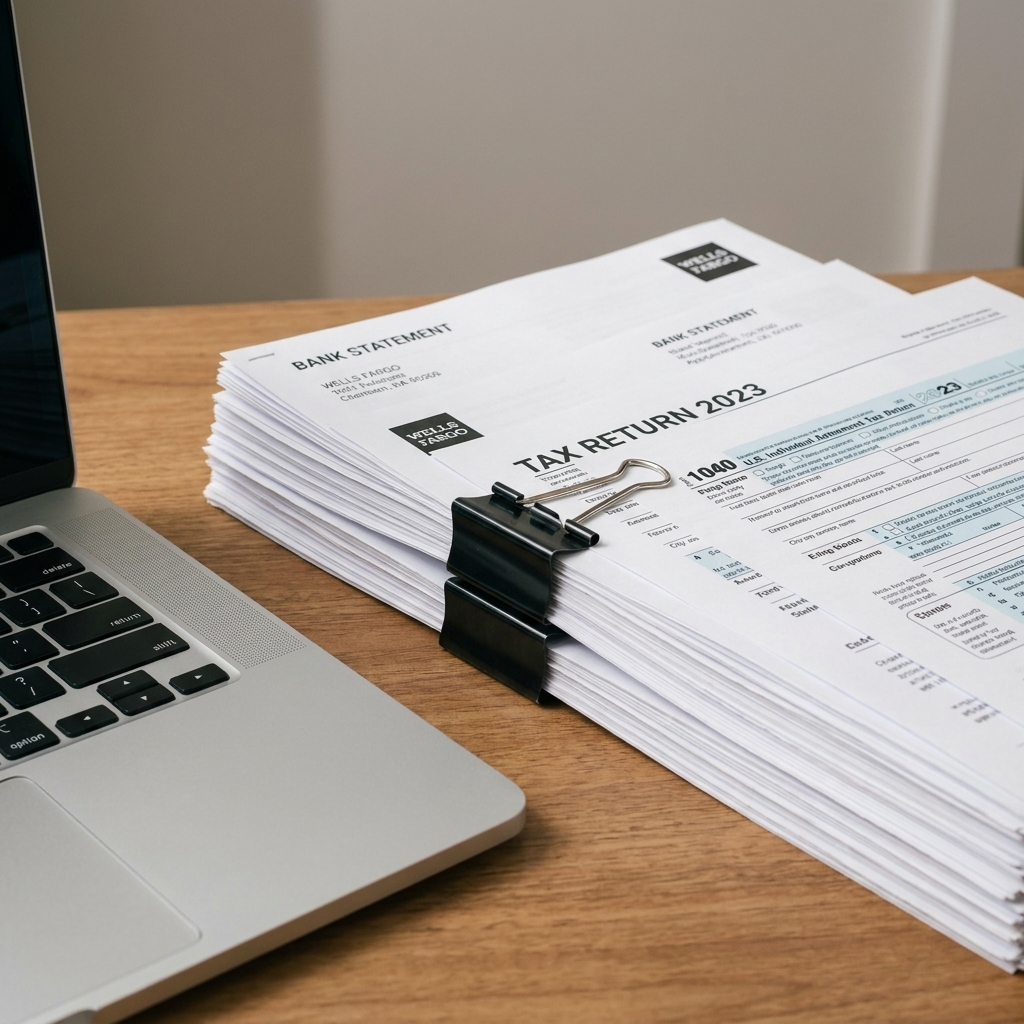
4) Get documents ready
Once your savings plan is in motion, set yourself up for a smooth underwriting process. Underwriting can feel invasive, but it is largely a document-matching exercise. The cleaner your paper trail, the smoother your approval.
Create a mortgage folder and gather:
- Pay stubs (most recent 30 days)
- W-2s (typically last 2 years)
- Tax returns (often last 2 years, especially if you are self-employed or have variable income)
- Bank statements (typically last 2 months for checking and savings)
- Investment and retirement statements (if using for reserves or down payment, follow program rules)
- ID and proof of legal residency if applicable
- Landlord contact info or rent payment history if requested
If you are self-employed, plan ahead
Entrepreneurs often get tripped up not because they are “risky,” but because income is documented differently. Expect requests like:
- Profit and loss statement
- Business bank statements
- Year-to-date revenue documentation
- Explanations for deductions that reduce taxable income
If you write off aggressively (which can be smart for taxes), your mortgage qualifying income may look smaller. Consider talking to your CPA and lender early so you can plan, not scramble.
5) Keep finances clean
Think of this as “making your financial story easy to verify.” A few months of tidy habits can prevent a dozen underwriting questions.
- Keep your cash deposits traceable. Large unexplained deposits can cause delays. If you receive gifts, document them properly with a gift letter and the correct transfer method.
- Avoid overdrafts. They raise concerns about cash flow even if your income is strong.
- Do not move money around too much. Consolidate accounts before you apply, not during underwriting.
- Pause big life changes if you can: switching jobs, starting a new business line, taking on a car payment.
One more rule that saves deals: once you are preapproved and actively shopping, keep your credit and cash habits boring. Underwriters love boring.
6) Shop for a mortgage
Now you are ready to compare lenders with real numbers, not vague estimates. Rates matter, but the best mortgage is the one that fits your timeline, your risk tolerance, and your long-term plan.
Compare these items, not just the rate
- APR (captures more of the cost than rate alone)
- Points and lender credits (what you pay now versus later)
- Estimated cash to close
- Loan type (conventional, FHA, VA, USDA)
- Loan term (30-year versus 15-year, and why)
- Rate lock policy (length, extension fees, float-down options)
Ask each lender for a Loan Estimate so you can compare apples to apples. To keep comparisons fair, ask for quotes based on the same day, the same assumptions (purchase price, down payment, credit score range), the same points or credits, and the same lock period. A friendly loan officer is nice. A clear Loan Estimate is nicer.
Escrow versus non-escrow
Many loans require an escrow account for taxes and insurance, which means your lender collects a monthly amount and pays those bills for you. Some borrowers can waive escrow (program and lender rules apply), but then you are responsible for saving and paying those large bills yourself. Escrow is not “good” or “bad,” it is a cash flow management choice that changes how your payment feels.
7) Get preapproved
These terms sound similar, but they are not the same.
- Prequalification is usually a quick review based on what you report. It can be useful for early planning.
- Preapproval typically involves document review and a credit pull, and it carries more weight with sellers.
In competitive markets, a solid preapproval can make your offer feel safer. Just remember: the top of your approval range is not a spending target. It is a ceiling.
Preapprovals are not forever. Many have an expiration window, and lenders may update your documents or re-check credit if your search takes time. Until you close, avoid major changes like opening new accounts, running up balances, or switching jobs without talking to your lender first.
8) Pressure-test your budget
Before you commit, run your future payment through a few real-life scenarios:
- Property taxes go up after a reassessment.
- Insurance increases at renewal.
- One income pauses for parental leave, a career switch, or a slow season.
- A repair hits early, like a water heater or a roof patch.
If the payment only works when everything goes perfectly, it is too tight. I am not trying to scare you. I am trying to make sure your first home feels like stability, not a second job.
Inspection versus appraisal
Beginners often mix these up. The appraisal is for the lender and helps confirm the home’s value. The inspection is for you and focuses on the home’s condition. You want both to do their jobs.

Quick checklist
- Calculate a comfortable monthly payment (PITI plus HOA and insurance).
- Estimate your DTI and pay down high-interest, high-payment debts.
- Pull credit reports and dispute errors.
- Lower credit card utilization and keep payments on autopay.
- Save for down payment, closing costs, inspections, moving, and reserves.
- Organize income, tax, and bank documents before applying.
- Keep deposits clean and avoid new debt.
- Compare Loan Estimates across lenders using the same assumptions.
- Get preapproved and set your personal price ceiling.
- Pressure-test the budget for taxes, insurance, and repairs.
FAQ
How much house can I afford?
A practical approach is to start from the monthly payment you can handle without sacrificing retirement contributions and emergency savings, then work backward to a home price using realistic taxes, insurance, and current rates. Online calculators are fine for a draft, but include all-in housing costs and leave room for maintenance.
What credit score do I need?
Minimums vary by loan type and lender, and lender overlays can apply. More important than chasing a single number is improving the factors lenders price aggressively: on-time history, low revolving utilization, and a stable credit profile without new accounts right before you apply.
Should I pay off debt or save for a down payment?
Often you need a mix. High-interest credit card debt is usually worth attacking because it hurts both your budget and your credit utilization. For installment loans, look at the monthly payment impact on DTI and your cash reserves. The best strategy is the one that strengthens your approval while keeping your post-closing emergency fund intact.
Are mortgage points worth it?
Points can make sense if you plan to stay in the home long enough to reach the break-even point where the lower payment has paid back the upfront cost. If you might move or refinance within a few years, points are less likely to be a win.
Final mentor note
Buying a home is not just a transaction. It is a new monthly commitment layered on top of your life, your career, and your future plans. The goal of this checklist is not perfection. It is clarity. If you take the time to get mortgage-ready before you fall in love with a house, you will negotiate from strength and choose a payment you can live with comfortably.