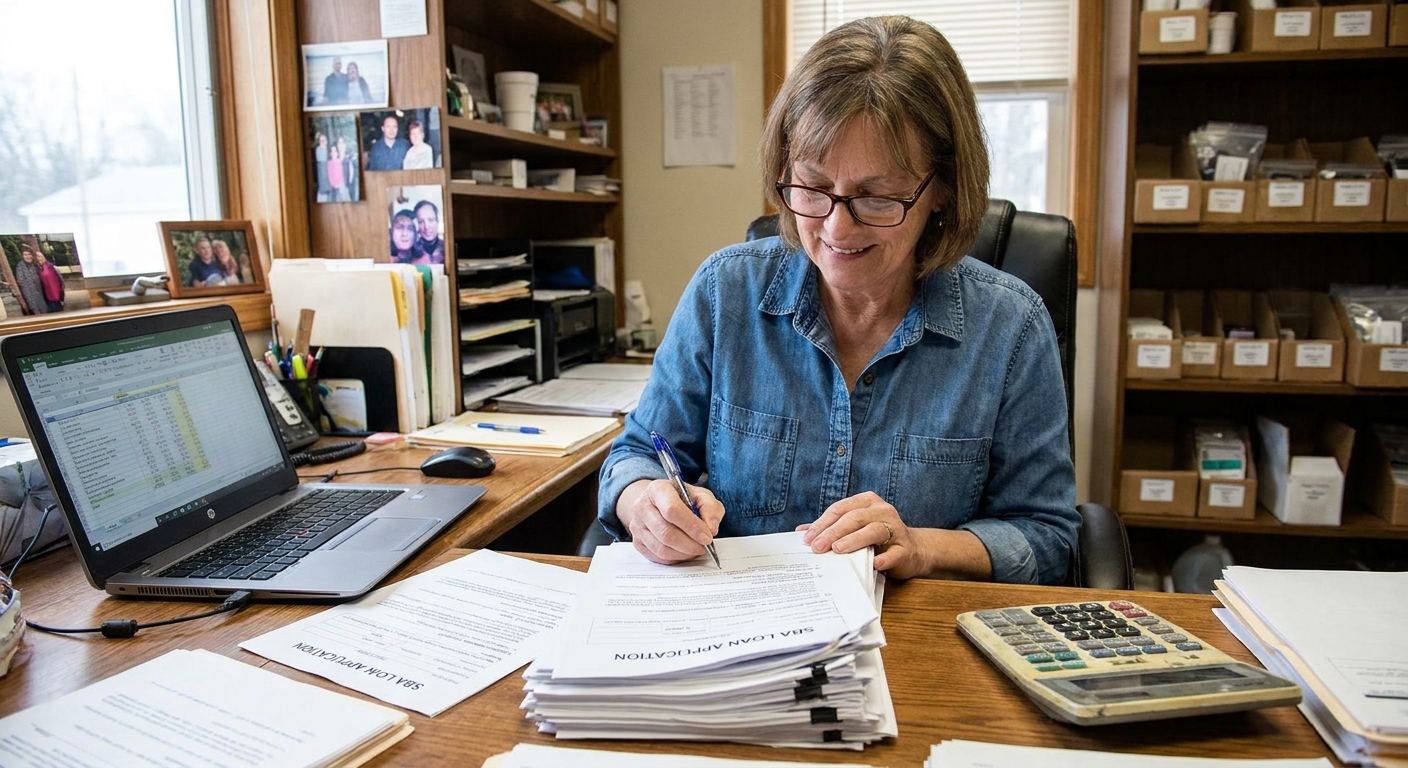
I grew up watching my parents run a mid-sized agricultural supply company, and I still remember the way debt could feel like weather. One bad season and the pressure would roll in. That experience is why I take bankruptcy questions seriously, especially from business owners who did what they had to do to survive, and are now trying to rebuild.
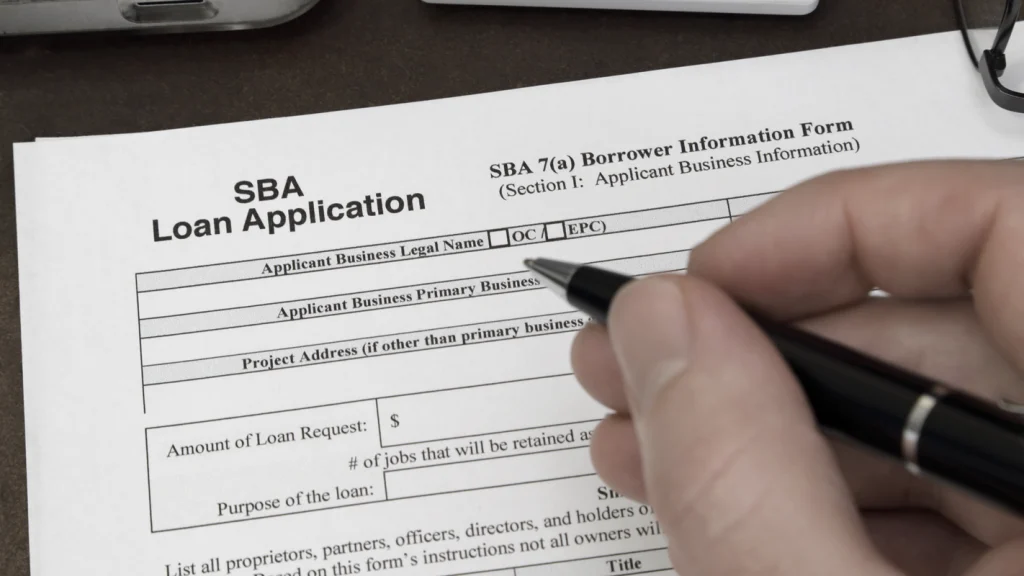
If you are asking, “Can I get an SBA loan after bankruptcy?” the practical answer is: sometimes, yes. A prior bankruptcy does not automatically block an SBA 7(a) or 504 loan, but it does change the scrutiny you will face, the documentation you will need, and the timeline a lender will be comfortable with. Also, some issues can be bigger barriers than the bankruptcy itself, like unresolved defaults on federal debt or a prior loss to the government.
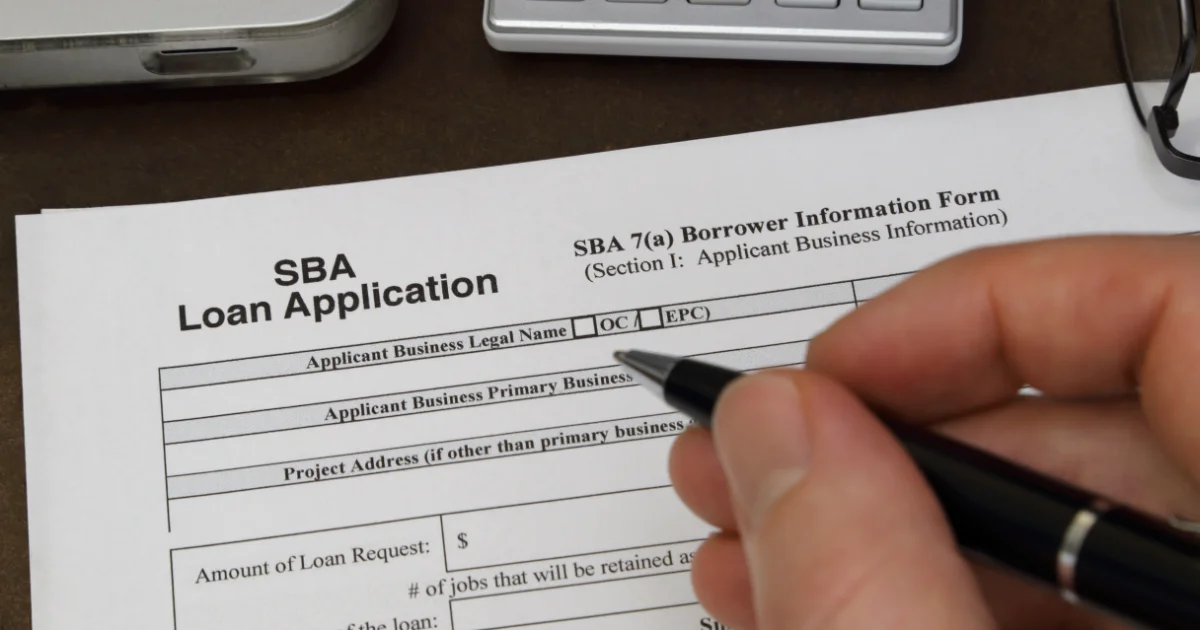
Bankruptcy is not automatic disqualification
SBA loans are made by banks and other lenders, then partially guaranteed by the Small Business Administration. That structure matters because you are meeting both SBA program rules and a lender’s underwriting standards.
- SBA program requirements, including eligibility and background screens
- The lender’s underwriting, which can be stricter than SBA minimums
- The lender’s credit policy, including internal waiting periods after major credit events
Even if your credit score has rebounded, the bankruptcy still shows up as a major historical event. You may be asked about it on the lender’s application, in lender-specific bankruptcy disclosure questions, and in required eligibility attestations. And even when a form does not ask in plain language, it often surfaces through the credit report and public records searches.
This is one of the most common surprises I see. People do the hard work to rebuild their score, then assume the bankruptcy is “behind them” in the application process. Underwriting does not work that way.
Personal guarantees matter
In most SBA loans, the SBA requires a personal guarantee from every owner with 20 percent or more ownership. Many lenders also ask for additional guarantors in certain situations, such as when collateral is jointly owned, in community property states, or when an affiliated business meaningfully supports repayment. That is a big reason your personal bankruptcy history stays relevant even when the loan is for a business purpose. You are not just presenting business financials. You are presenting you.
How 7(a) and 504 lenders view it
Both SBA 7(a) and SBA 504 financing involve a personal credit review and a broader look at the owners behind the business. The way bankruptcy lands is similar across both programs, but the structure of the loan can affect how a lender frames risk.
SBA 7(a): flexible use, more judgment
The 7(a) program is commonly used for working capital, buying a business, refinancing certain debt, or purchasing equipment. Because 7(a) funds can be used broadly, lenders often lean heavily on borrower strength, cash flow, and track record.
With a past bankruptcy, many 7(a) lenders will focus on:
- How long it has been since discharge
- Whether new credit has been handled cleanly since then
- Whether the bankruptcy was tied to business failure, medical issues, divorce, or another trigger
- Whether there were any government debts, defaults on federally backed obligations, or unresolved judgments
SBA 504: asset-based, still cash flow driven
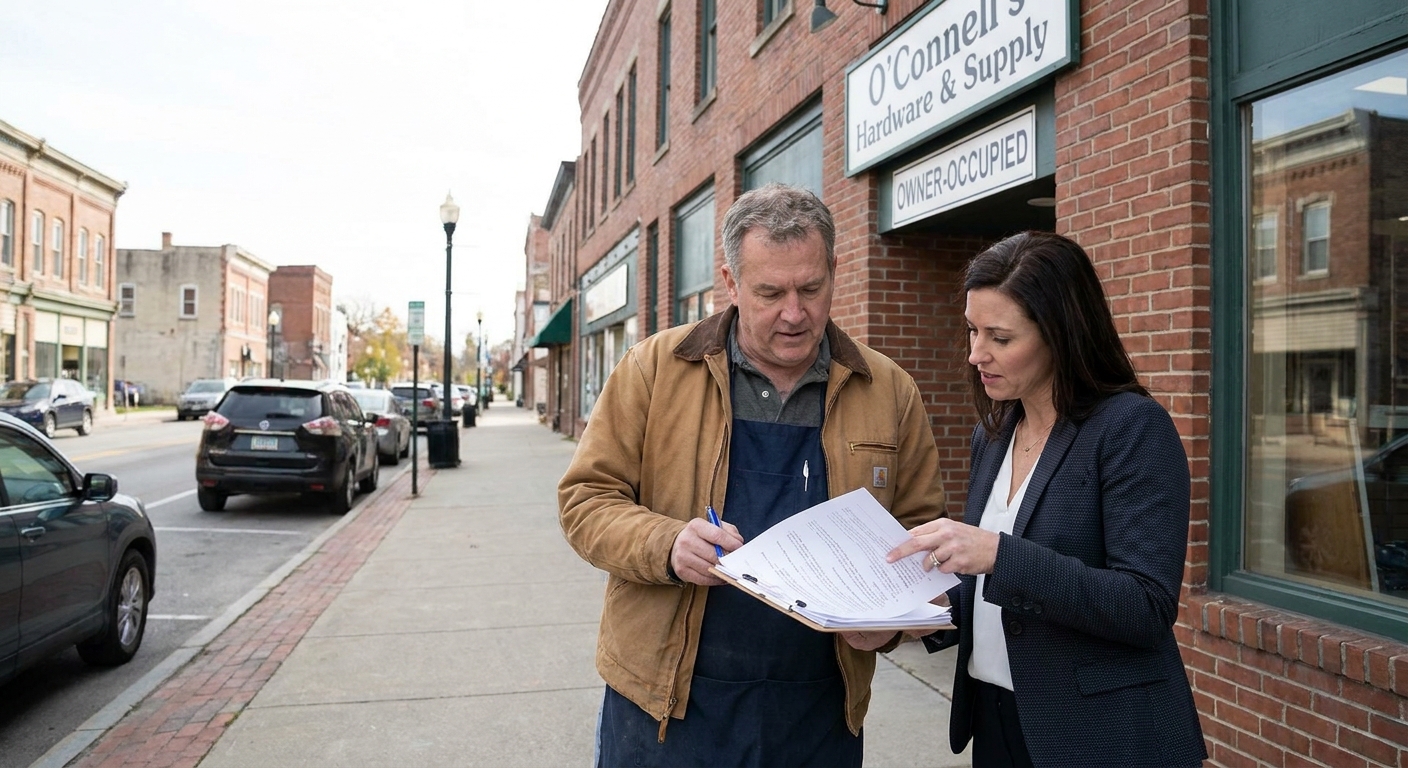
The 504 program is typically used for owner-occupied commercial real estate or large fixed assets like major equipment. Because 504 loans are tied to specific assets and have a different structure, some lenders feel more comfortable when the project is clearly collateralized and the business financials are strong.
Important clarification: collateral can reduce perceived loss risk, but it does not replace repayment ability. A 504 deal still has to pencil out (work on cash flow), and a prior bankruptcy still triggers the same core concerns about trust and post-event repayment habits.
Open cases and chapter type
If you want a quick rule of thumb, it is this: a discharged case is usually easier to underwrite than an open case.
- Open bankruptcy case: many lenders will not move forward until it is resolved, because the repayment picture and legal constraints are still changing.
- Chapter 7: underwriting often centers on time since discharge, clean credit afterward, and a clear explanation of what changed.
- Chapter 13: an active repayment plan can add complexity, because you have a court-approved monthly obligation and less flexibility. Some lenders will consider it in certain situations, but you should expect more conditions and a more cautious approach. In many cases, taking on new debt during an active plan may require court or trustee permission, so talk with your bankruptcy attorney before you assume it is possible.
None of this is meant to discourage you. It is meant to help you walk into the conversation with realistic expectations.
Seasoning after discharge
Expect lenders to look for two things after a bankruptcy: time and clean behavior.
The SBA operates under its SOP and program guidance, but you will still see lender “overlays” in the real world. In plain English, that means two different lenders can look at the same file and apply different comfort levels around time since discharge and what a “re-established” credit profile looks like.
That is why I recommend asking early: “What is your post-bankruptcy seasoning requirement for this program?” It can save you weeks of back-and-forth.
While it varies by lender and deal strength, many lenders want to see at least 1 to 2 years of clean history after discharge, and some prefer longer for larger or riskier requests. This is not a hard rule. It is an expectation-setting tool.
In practice, lenders often ask questions like:
- How long has it been since discharge? More time makes it easier to view the bankruptcy as a closed chapter rather than a current risk.
- Has your credit been clean since discharge? One or two late payments after bankruptcy can be more damaging than you think, because they suggest the pattern is continuing.
- Do you have new trade lines? Responsible use of a secured card, small installment loan, or vendor accounts can help show stability.
- Is your debt load reasonable now? High utilization, lots of new inquiries, or aggressive new borrowing can raise red flags.
Think of seasoning like trust rebuilding. A bankruptcy can be understandable. A bankruptcy followed by fresh late payments can look like the problem is not solved.
Eligibility issues that can stop a deal
Bankruptcy gets all the attention, but I have seen more deals die over unresolved government-related problems than over the bankruptcy itself.
Examples include delinquent federal debt, unresolved federal tax issues, or a prior loss to the government on a federally backed obligation. If you suspect any of that applies to you, bring it up early. It is much better to surface it up front than to have it discovered late in underwriting.
What character review looks for
When people hear “character review,” they sometimes assume it is subjective or moralizing. In lending, it is more practical than that. SBA-related background and character review screens generally aim to confirm that borrowers are eligible, truthful, and not presenting an elevated integrity risk.
While lender processes vary, the character lens typically centers on issues like:
- Transparency and consistency across your forms, your credit report, and your explanation
- Any history of fraud or financial misrepresentation
- Serious unresolved legal or financial obligations that could interfere with repayment or reflect ongoing risk
- Patterns that suggest repeat financial distress rather than an isolated event
Here is the key: many people with a past Chapter 7 are eligible to apply, but the lender may require more documentation and a clearer narrative.
A real-world profile
Let’s use a composite example based on situations I have seen frequently (details adjusted for privacy).
Owner profile: A Chicago-area service contractor, 100 percent owner, Chapter 7 bankruptcy discharged and case closed. The bankruptcy happened after a combination of a slow season and a personal health event. The owner has re-established two revolving trade lines, keeps utilization low, and has had no late payments since discharge. The business has two full years of steady revenue and improving margins.
In an SBA 7(a) or 504 conversation, that owner is often evaluated on:
- Time since discharge and clean payment history afterward
- Business cash flow, including debt service coverage and trends, not just one good month
- Liquidity and equity injection (what cash is available, and what is being put into the project)
- Documentation showing the bankruptcy is complete and obligations are resolved
- A written explanation that is calm, factual, and consistent with the credit report
When this profile gets approved, it is usually because the story is simple and provable: a defined cause, a completed legal process, and a measurable pattern of responsible behavior since then.
Why score alone is not enough
I love credit rebuild stories. I have walked plenty of founders through them step by step. But in SBA lending, your score is just one layer of the decision.
Here is why the bankruptcy still matters even if your score is strong today:
- You may still have to disclose it. Many lender applications and related attestations ask about prior bankruptcies, and it can also surface through third-party reports.
- Underwriting is event-based, not score-only. A score summarizes risk. A bankruptcy explains a specific historical failure to repay under the original terms.
- Lenders want cause and resolution. A score cannot tell them whether the root issue was a one-time event or a repeating pattern.
- It can affect conditions. Even with approval, you may see stricter conditions, more questions, or additional reserves required.
The best mindset is: credit score opens the door. Your full file gets you through it.
Documents that help
If your bankruptcy is behind you and you are preparing for an SBA conversation, your goal is to make the lender’s job easy. Clear documentation reduces back-and-forth and shows professionalism.
Items lenders often request
- Bankruptcy discharge paperwork and confirmation the case is closed
- A letter of explanation describing what happened, what changed, and why it will not repeat
- Current personal financial statement, including assets, liabilities, and contingent obligations
- Business financials (tax returns, year-to-date P&L, balance sheet)
- Debt schedule for the business
- Proof of liquidity for down payment or reserves
What a strong explanation sounds like
A strong letter is short, factual, and forward-looking. It does not blame everyone else. It does not overshare. It acknowledges responsibility and focuses on what is now different.
For example, it might include:
- The year of filing and discharge
- The primary driver (loss of major client, medical event, failed lease)
- The steps taken since then (bookkeeping controls, insurance coverage, cash reserve targets, pricing changes)
- A simple statement of clean payment history since discharge
Red flags to watch
Not every post-bankruptcy file is lendable, and it is better to know the likely friction points early.
- New delinquencies after bankruptcy, even small ones
- High revolving utilization that suggests tight cash flow
- Unresolved judgments, liens, or collections
- Inconsistent disclosures between forms and credit reports
- Thin business cash flow where the loan only works if everything goes perfectly
- Overly aggressive projections with no evidence behind them
- Delinquent federal debt or unresolved tax issues that are not on an acceptable plan
In my experience, the biggest preventable issue is inconsistency. If your timeline, amounts, or story changes depending on who is asking, underwriting gets uncomfortable fast.
What to ask early
If you want to save time, ask these questions before you spend a week assembling a perfect package:
- What is your seasoning requirement after bankruptcy?
- What credit profile do you want to see today? Ask about minimums, but also what they typically approve.
- How much equity injection or down payment is expected for my type of project?
- How many years in business do you require?
- What documents do you want up front? Ask for their checklist so you can match their workflow.
How to improve your odds
If you are not applying this week, you can do a lot to make your future SBA file stronger.
- Keep payment history spotless. Set every account to autopay at least the minimum, then pay extra manually if needed.
- Lower utilization. Even if you pay in full monthly, high reported utilization can hurt.
- Build a clean paper trail. Separate business and personal finances, keep bookkeeping current, and avoid cash flow surprises.
- Reduce noise on your credit. Limit new inquiries and new accounts right before applying.
- Prepare your explanation early. If you cannot summarize the bankruptcy in three to five calm sentences, work on that before underwriting asks.

FAQ
Will a past bankruptcy automatically decline me for an SBA 7(a) loan?
No. Many lenders will consider applicants with a discharged bankruptcy, but they often require seasoning, strong post-bankruptcy credit behavior, and solid business cash flow. Separate from bankruptcy, unresolved federal debt or prior government-related defaults can create major eligibility hurdles.
Is the process different for an SBA 504 loan?
The bankruptcy scrutiny is still real. A 504 project can feel less risky when it is tied to a specific asset, but collateral does not substitute for repayment ability. Cash flow and overall file strength still drive the decision.
If my credit score is back in the high 600s or 700s, can I skip mentioning the bankruptcy?
No. Assume it can be asked about and can be visible through the credit report and public records. Failing to disclose it may be treated by the lender, and on SBA-related forms, as a serious issue and can be grounds for denial.
What matters most after a Chapter 7 is closed?
Time since discharge, a clean payment record afterward, reasonable current debt, and clear documentation that the bankruptcy is fully resolved. Then the lender will weigh your business fundamentals like cash flow, equity injection, and management experience.
The bottom line
You can get an SBA loan after bankruptcy, but you should walk in expecting two things: more questions and less tolerance for ambiguity. If your case is discharged and closed, your best advantage is a clean, stable track record since then, paired with a business that can clearly afford the debt.
Before you apply, it helps to have a tight, consistent bankruptcy timeline, a short written explanation you can stand behind, and a document set that makes it easy for a lender to confirm the case is resolved. If you have any unresolved federal debt or government-related defaults in your history, address those early, because they can matter as much as, or more than, the bankruptcy itself.