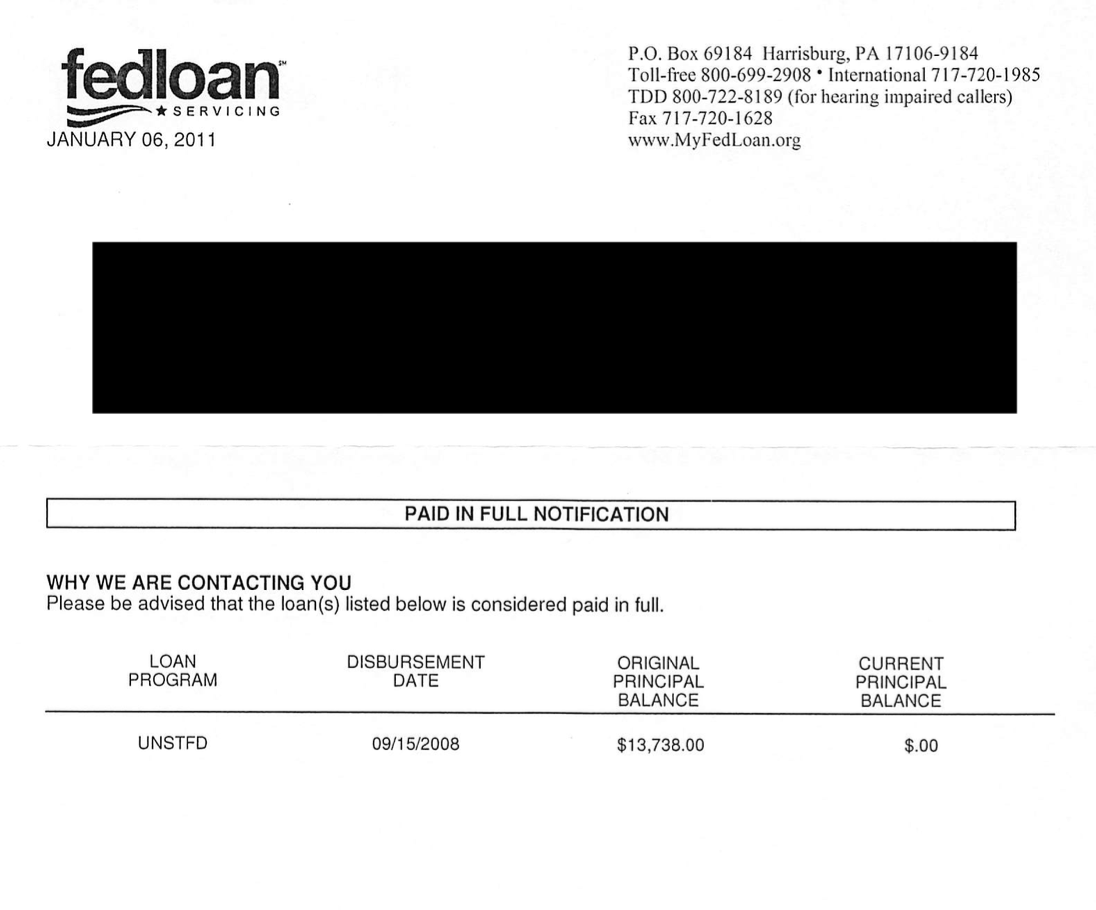
I grew up watching my parents run a mid-sized agricultural supply business, and one of the most stressful recurring themes was this: the “best” debt move depended less on the interest rate headline and more on what protections you gave up to get it. Student loans are the same. When borrowers tell me they want to “combine everything,” they usually mean one of two very different things: federal Direct Consolidation or private refinancing.
Both can simplify your life. Only one keeps your federal safety nets. Here is how to decide, without getting lost in the fine print.
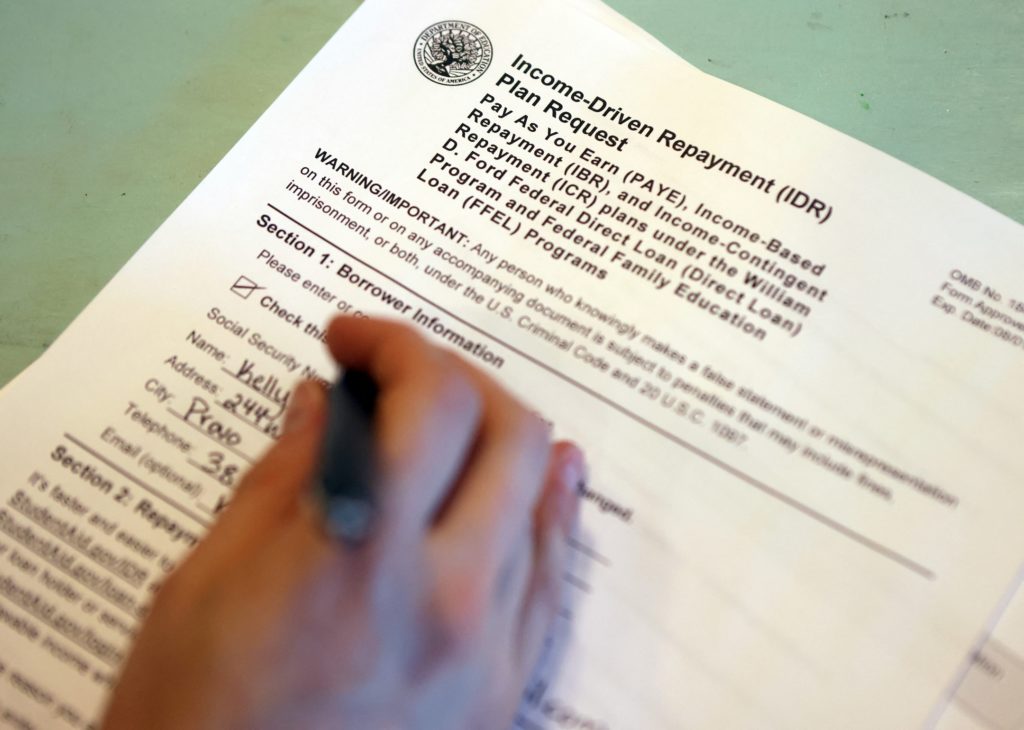
The quick definition
Federal Direct Consolidation Loan
A Direct Consolidation Loan is a new federal loan that combines eligible federal student loans into a single federal loan. You still have federal debt, just packaged into one loan and one monthly payment.
Private student loan refinancing
Private refinancing replaces one or more existing loans with a new private loan from a bank, credit union, or online lender. If you refinance federal loans into a private loan, you are moving them out of the federal system.
Eligibility and what can be combined
This is where people get tripped up, because “combining” sounds universal. It is not.
- Direct Consolidation: Only eligible federal student loans can be consolidated into a Direct Consolidation Loan. Private student loans cannot be rolled into a federal consolidation.
- Private refinancing: You can typically refinance private loans, and you can also refinance federal loans. But if federal loans are included, they become private loans and federal protections do not follow.
Interest rate basics
How interest works with federal consolidation
With Direct Consolidation, your new interest rate is not negotiated. It is the weighted average of the interest rates on the loans you consolidate, rounded up to the nearest one eighth of one percent.
- What this means in plain English: consolidation usually does not lower your rate. You consolidate for simplicity, eligibility, or payment strategy, not for a bargain rate.
How interest works with private refinancing
Private refinancing rates are based on your credit profile and the lender’s pricing, similar to a mortgage or auto loan.
- You might get a lower rate if you have strong credit, stable income, low debt-to-income ratio, and sometimes a qualified co-signer.
- You might get a higher rate if your credit is thin, your income is variable, or rates are high when you apply.
- You can often choose fixed or variable rates depending on the lender.
One caution on variable rates: if rates rise, your payment can rise with them. That “low starting rate” can turn into payment shock later.
Bottom line: consolidation is math. Refinancing is underwriting.
IDR and forgiveness
Direct Consolidation: you stay federal, but check your credit
Because you stay in the federal system, a Direct Consolidation Loan can keep you eligible for key federal features, including:
- Income-driven repayment (IDR) plans for eligible borrowers
- Public Service Loan Forgiveness (PSLF) for eligible employment and qualifying payments
- Federal deferment and forbearance options
- Federal discharge protections in certain circumstances (for example, total and permanent disability rules within the federal program)
Important nuance: consolidation can change how your progress is counted toward IDR forgiveness or PSLF. Outcomes vary by loan type and timing, and federal policy has been fluid. If you are actively tracking PSLF or IDR forgiveness, review the current guidance on StudentAid.gov and, if needed, confirm with your servicer before you submit a consolidation application so you understand how your specific loans and payment history would be treated.
One more point that matters: consolidation can be useful to convert certain older federal loans into a Direct loan. That can help with eligibility for certain federal programs, but the details are technical, and the “should I do this now” answer depends on your exact situation.
Private refinancing: federal benefits do not carry over
If you refinance federal loans into a private loan, you generally give up federal program access, including:
- IDR plans
- PSLF and other federal forgiveness paths
- Federal deferment and forbearance options as defined by federal rules
- Federal protections tied to federal loan status
Private lenders may offer their own hardship options, such as unemployment forbearance, short-term payment relief, or temporary interest-only payments. But those policies are lender-specific, and the terms can be narrower or more discretionary than federal programs.
Who you pay after
After Direct Consolidation
Your new Direct Consolidation Loan will be serviced by a federal loan servicer assigned within the federal system. Your payment stays “federal,” even though the specific company collecting it can change over time.
After private refinancing
Your new loan is serviced by the private lender or its servicing partner. You will follow that lender’s payment systems, customer service processes, and hardship policies.
Practically, this matters because “who holds the keys” determines what tools are available when life gets messy, such as job changes, income dips, or family leave.

Beyond interest rate
People fixate on monthly payment, but the bigger lever is often term length and the rules attached to the loan.
Direct Consolidation
- You may be able to extend repayment, which can lower the monthly payment.
- A longer term can also increase total interest paid over time, even if the rate stays similar.
- Also worth saying out loud: many borrowers already receive one monthly statement from one servicer even without consolidating. In some cases, setting up autopay and using your servicer’s payment tools can deliver the convenience you want without changing your underlying loan structure.
- Consolidation changes the underlying loan structure. It is more than “paperwork bundling.”
Private refinancing
- You typically choose a term (for example, 5, 7, 10, 15, or 20 years).
- A lower rate and/or a shorter term can reduce total interest, but a shorter term can raise the monthly payment.
If your goal is flexibility, federal tools often win. If your goal is lowest possible interest cost and you have stable finances, private refinancing can be compelling.
Fees and friction
- Direct Consolidation: There is no application fee for a federal Direct Consolidation Loan.
- Private refinancing: Many lenders advertise no origination fee, but fees vary by lender. Always check the final loan disclosure, not just the marketing page.
Two borrower examples
Borrower A: wants one federal structure and federal protections
Scenario: Maya has several federal loans from undergrad and grad school, each with a different due date and servicer history. She is not trying to “beat the rate.” She wants a cleaner federal setup, fewer moving pieces, and to preserve access to income-driven repayment because her income fluctuates with commissions.
Why federal consolidation fits: A Direct Consolidation Loan can turn multiple eligible federal loans into a single federal loan while keeping her in the federal system. She trades a bit of paperwork up front for ongoing clarity, without stepping outside the federal safety net.
Borrower B: leaving federal loans for a lower private rate
Scenario: Jordan has federal loans at relatively high rates, a strong credit score, a stable salary, a healthy emergency fund, and no plan to pursue PSLF or any forgiveness program. He is comfortable committing to a structured payoff plan and wants to reduce interest expense.
Why private refinancing can fit: If Jordan qualifies for a meaningfully lower private rate, refinancing could reduce his total cost and potentially help him pay off faster. The tradeoff is real: he gives up federal options, so this only makes sense because he is intentionally choosing a lower-cost path over federal flexibility.
When consolidation helps most
In my experience, consolidation is most valuable when it is solving a specific federal system problem, not just a “one payment” craving.
- Program eligibility: Consolidation can turn certain non-Direct federal loans into a Direct loan, which can matter for access to certain repayment plans or forgiveness programs. Confirm the impact on your counts before you do it.
- Getting out of default: Federal consolidation can be one way to get federal loans out of default, but it typically comes with eligibility steps, such as agreeing to an IDR plan or meeting a payment requirement first.
- Simplifying repayment strategy: If you are coordinating federal repayment plans across multiple loans, consolidating can make the rules easier to manage in one place.
Decision checkpoints I use
If you are torn, walk through these in order:
- Are you pursuing PSLF or relying on IDR? If yes, be cautious about moving federal loans into private refinancing. And before consolidating, check current StudentAid.gov guidance and verify how it would affect your PSLF or IDR credit under today’s rules.
- Is your income volatile or your job situation uncertain? Federal flexibility can be valuable insurance.
- Are you consolidating for simplicity or strategy? Consolidation is mainly a simplification and program-eligibility tool, not a rate play.
- Would a lower private rate change your timeline meaningfully? A small rate drop is not always worth giving up federal protections.
- Do you have a cash buffer? Private loans can be less forgiving when life happens. A solid emergency fund matters.
Common misconceptions
“Consolidation and refinancing are basically the same.”
They solve different problems. Consolidation keeps you federal. Private refinancing can replace your loans with a private loan if you go private.
“Federal consolidation lowers my interest rate.”
Usually not. Federal consolidation uses a weighted average formula. Your rate is not discounted for good credit.
“I can refinance federal loans and still use federal forgiveness later.”
Generally, no. Once federal loans are refinanced into a private loan, they are no longer federal loans.
FAQ
Will I still have access to income-driven repayment after I consolidate?
If you use a Direct Consolidation Loan, you remain in the federal system, so IDR can still be available for eligible borrowers and loans. Exact eligibility depends on your loan types and program rules.
Will I still have access to income-driven repayment after I refinance privately?
No. Private lenders do not offer federal IDR plans. They may have their own hardship programs, but those are not the federal programs.
Does consolidating change who I pay each month?
Yes. You will make payments to the servicer handling your new Direct Consolidation Loan.
Does refinancing change who I pay each month?
Yes. You will pay the new private lender or its assigned servicer.
Which option is better if I just want one payment?
If your loans are federal and you want to keep federal protections, Direct Consolidation is the cleaner “one payment” option inside the federal system. But if your loans are already with one federal servicer, you may already feel like you have one bill, and consolidation may not add much unless you need it for eligibility or strategy. If your priority is a lower rate and you are comfortable giving up federal benefits, private refinancing may be the better fit.
The takeaway
Think of federal Direct Consolidation as reorganizing your federal loans without leaving the federal ecosystem. Think of private refinancing as switching ecosystems entirely in exchange for a chance at a better rate and a different repayment structure.
If your career and income are predictable and you are not using federal forgiveness or IDR, a lower private rate can be a rational move. If you value flexibility, safety nets, or any path tied to federal status, consolidation is often the smarter simplification.