Yes, you can often pay dental and vision bills from a Health Savings Account (HSA) and do it tax-free, as long as the expense is considered a qualified medical expense under IRS rules and you are not getting reimbursed elsewhere. In plain English: your HSA is not only for doctor visits and prescriptions. It can also be a really practical way to cover the steady drip of costs like cleanings, fillings, eyeglasses, and contact lenses.
I grew up watching my parents run a mid-sized agricultural supply business, and I saw firsthand how “small” expenses were never actually small when they arrived in clusters. Dental work and new glasses tended to hit at the same time as equipment repairs or quarterly taxes. HSAs were not as common then, but the same lesson applies now. The best accounts are the ones that let you handle real life without derailing your budget.

What makes a dental or vision bill HSA-eligible?
To use HSA dollars tax-free, the expense generally must be a qualified medical expense for you, your spouse, or your dependents. Qualified expenses are those primarily to diagnose, cure, mitigate, treat, or prevent disease, or to affect a structure or function of the body.
Two rules matter a lot in day-to-day decision-making:
- No double dipping: You cannot use your HSA tax-free for an expense that is reimbursed by insurance or another plan.
- No double tax benefit: You cannot claim the same expense twice, meaning you generally cannot take a tax-free HSA distribution for an expense you also deducted as an itemized medical expense.
Most of the time, the practical test is simple: if you paid out of pocket for a legitimate dental or vision service and you are not being reimbursed, it is often eligible. When you get into gray areas, it is smart to cross-check IRS Publication 502 (qualified medical expenses) and Publication 969 (HSAs) or ask your tax professional.
Common dental expenses you can usually pay with an HSA
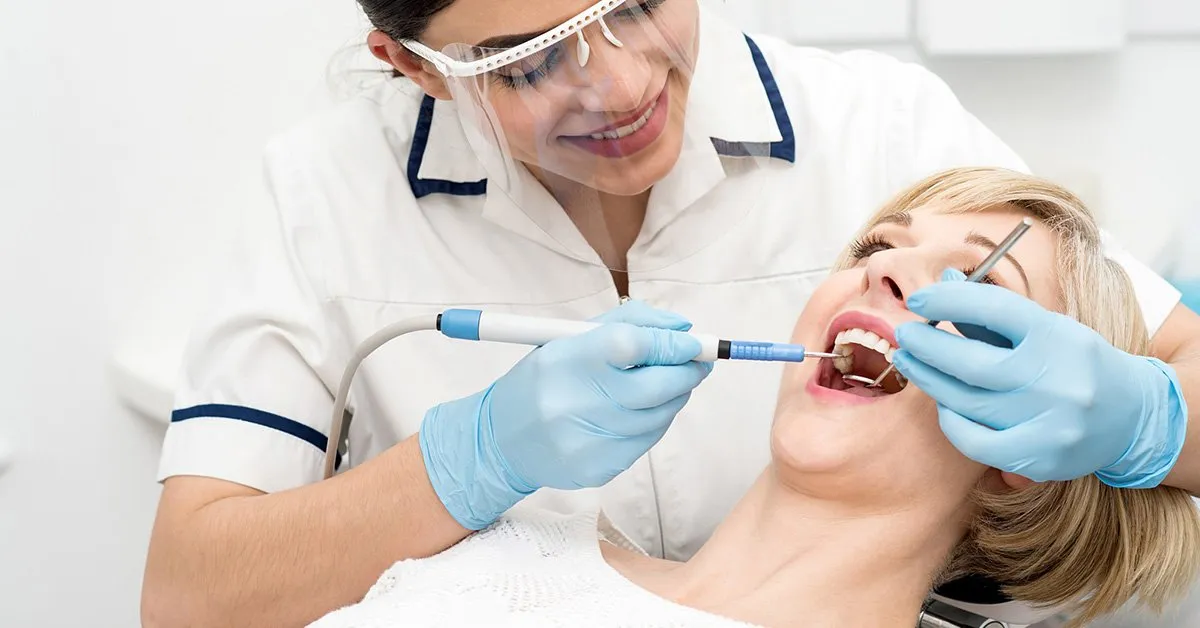
Many routine and restorative dental services typically qualify. Examples include:
- Dental exams and cleanings
- X-rays
- Fillings
- Crowns
- Root canals
- Tooth extractions
- Dentures
- Braces and other orthodontia (including clear aligners)
- Periodontal treatment (gum disease treatment)
If you are a business owner, this is where HSAs feel especially useful: dental bills can be unpredictable, and paying them with pre-tax dollars can soften the hit.
Common vision expenses you can usually pay with an HSA
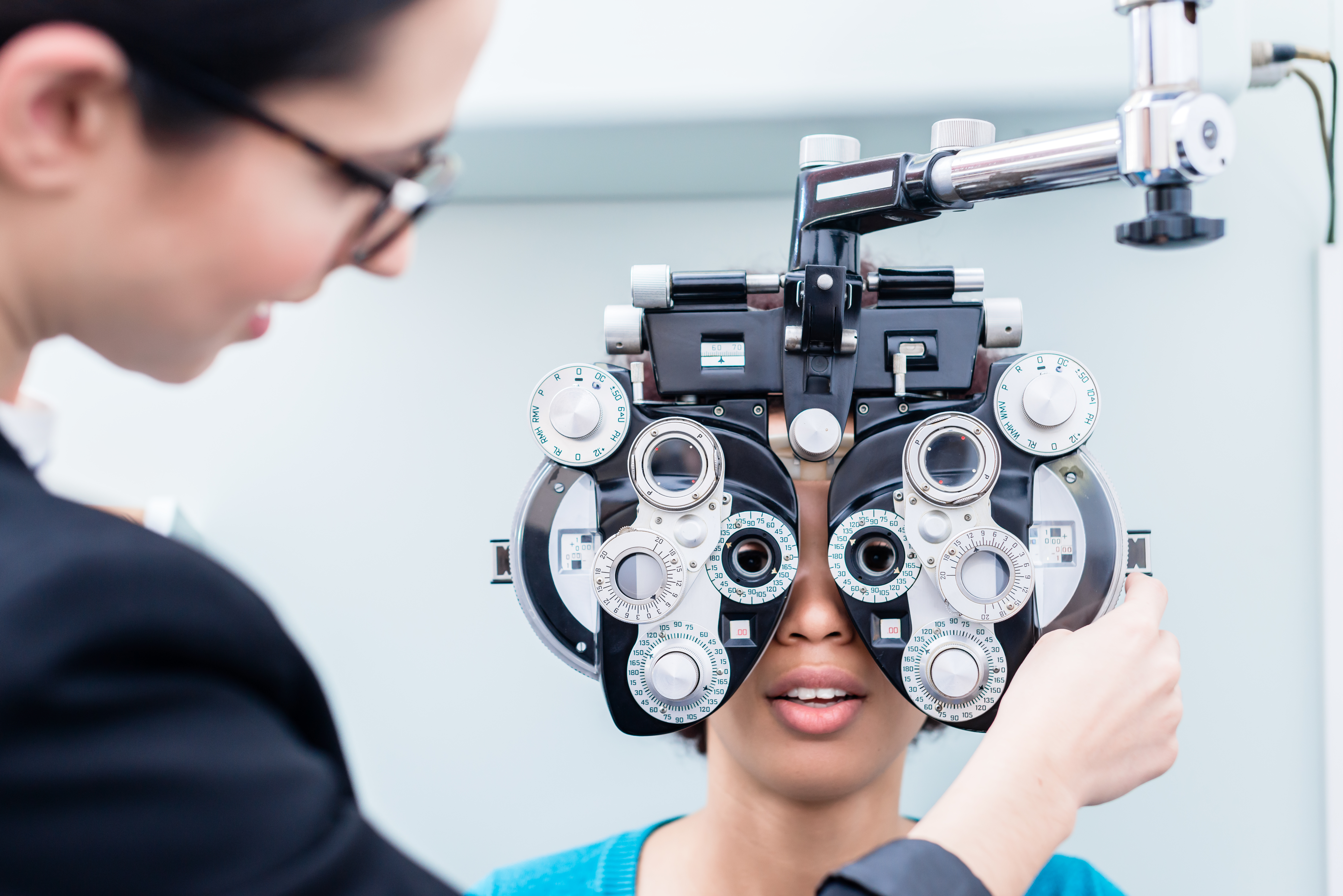
Vision care is another area where HSAs often shine. Common qualified vision expenses include:
- Eye exams
- Prescription eyeglasses
- Prescription sunglasses
- Contact lenses
- Contact lens solution (when used for contacts)
- Repair or replacement parts for prescription glasses
- Laser eye surgery (such as LASIK)
One nuance I explain often: the IRS cares about whether the item is for medical care. So a vision expense tied to correcting or treating vision issues is typically treated differently than general consumer eyewear. For example, over-the-counter reading glasses are usually not a clean fit unless they are prescription, while prescription lenses and medically necessary treatment are much more straightforward.
What usually does not qualify: premiums and general insurance costs
This is the line that trips people up: paying for care is different from paying for coverage.
In general, health, dental, and vision insurance premiums are not qualified HSA expenses. That means you typically cannot use HSA funds tax-free to pay your monthly dental plan premium or your vision plan premium.
There are a few common premium-related exceptions people hear about, including:
- COBRA premiums
- Health coverage while receiving unemployment compensation
- Certain Medicare premiums (but typically not Medigap)
- Qualified long-term care insurance premiums (subject to limits)
For everyday planning, I still tell people to treat it like this:
- Dental cleaning bill: often HSA-eligible
- New glasses: often HSA-eligible
- Dental insurance premium: usually not HSA-eligible
- Vision insurance premium: usually not HSA-eligible
A practical example: one owner pays, then reimburses
Let’s say Maya owns a small marketing studio. She has an HSA-eligible high-deductible health plan and an HSA in her name. She also carries separate dental and vision insurance, but the policies do not cover everything.
Scenario
- Maya pays $160 out of pocket for a dental filling after insurance.
- Two weeks later she buys $420 prescription glasses.
How she can use the HSA
Maya has two clean options:
- Pay directly from the HSA using her HSA debit card at the dentist and optical shop.
- Pay from her checking account, keep her receipts, and then reimburse herself from the HSA later.
That second method is especially popular with owners and higher-income earners because it gives you flexibility with timing and cash flow. It also lets you leave more money invested inside the HSA, if that is part of your long-term strategy, while still preserving the ability to take tax-free reimbursements later.
Key habit: If you reimburse later, keep itemized receipts that show what you bought, the date, and the amount you owed after insurance.
Timing: when you can reimburse yourself
One detail that matters more than most people realize: to reimburse an expense from your HSA tax-free, the expense generally needs to be incurred after your HSA is established. In other words, you cannot go back and reimburse old dental or vision bills from before you had the HSA set up.
If you are the type who wants to pay out of pocket now and reimburse yourself years later, that can be a valid strategy, but only if you have strong documentation and the expense happened after the HSA was opened.
How to handle partial insurance reimbursement
Dental and vision claims often come back with a split:
- Insurance covers part of the charge.
- You owe the remainder (copay, coinsurance, or amounts above plan limits).
In general, you can use your HSA for the portion you actually owe, assuming it is otherwise a qualified expense.
Example: The optometrist bills $180 for an eye exam. Your vision plan covers $120. You pay $60 out of pocket. The $60 is typically the amount you can pay from the HSA.
Documentation: what to keep and how long
Your HSA provider usually does not review each purchase the way a traditional insurer does, but there can be guardrails. Some HSA debit cards use merchant coding or an eligible-items system that declines certain purchases. Either way, the IRS can ask you to substantiate distributions, and the burden is on you to show that an HSA withdrawal was for qualified expenses.
For dental and vision spending, I recommend keeping:
- Itemized invoices from the provider
- Explanation of Benefits (EOB) from insurance when applicable
- Receipts showing payment method and amount
- For glasses or contacts, documentation showing the purchase is prescription-based (often the receipt is enough)
How long to keep records: If you reimburse yourself in the same year, keep documents at least until the tax return for that year is safely past the IRS audit window. If you plan to reimburse yourself years later, keep those receipts until after you take the distribution and the related tax return is past that same window. In practice, many people who delay reimbursement keep HSA receipts indefinitely because it is simpler than trying to guess which ones you will need later.
Quick FAQs
Can I use my HSA for teeth whitening?
Typically no. Teeth whitening is generally considered cosmetic, which usually makes it ineligible.
Can I use my HSA for braces or Invisalign?
Often yes. Orthodontic treatment is commonly treated as a qualified medical expense when it is treatment of a dental condition and you are not reimbursed by insurance. Keep the treatment plan and receipts.
Can I use my HSA for non-prescription sunglasses?
Generally, no. Prescription eyewear is the cleaner path for eligibility.
Can I pay for my child’s contacts with my HSA?
Often yes, if your child is your tax dependent and the contacts are a qualified expense that is not otherwise reimbursed.
The bottom line
If you have an HSA, many dental and vision bills are fair game, including cleanings, fillings, eye exams, glasses, and contact lenses, as long as you are not reimbursed elsewhere and you are not claiming the same expense twice (for example, a tax-free HSA reimbursement plus an itemized medical deduction). The biggest “gotcha” is premiums: paying for insurance coverage is usually separate from paying for care.
When in doubt, treat your HSA like a system: verify the expense is qualified, pay or reimburse, and save the receipts. That small discipline is what turns an HSA from “just another account” into a tool that actually lowers your financial stress.