Yes, it is possible to get a HELOC on a manufactured home, but eligibility often depends as much (or more) on how your home is legally classified and physically attached to land as it does on your credit profile.
In plain English: lenders are comfortable offering a home equity line of credit when the home looks like real estate on paper and functions like real estate in the real world. When a manufactured home is still treated like personal property, closer to a vehicle than a house, many traditional HELOC options disappear even if your credit is strong.
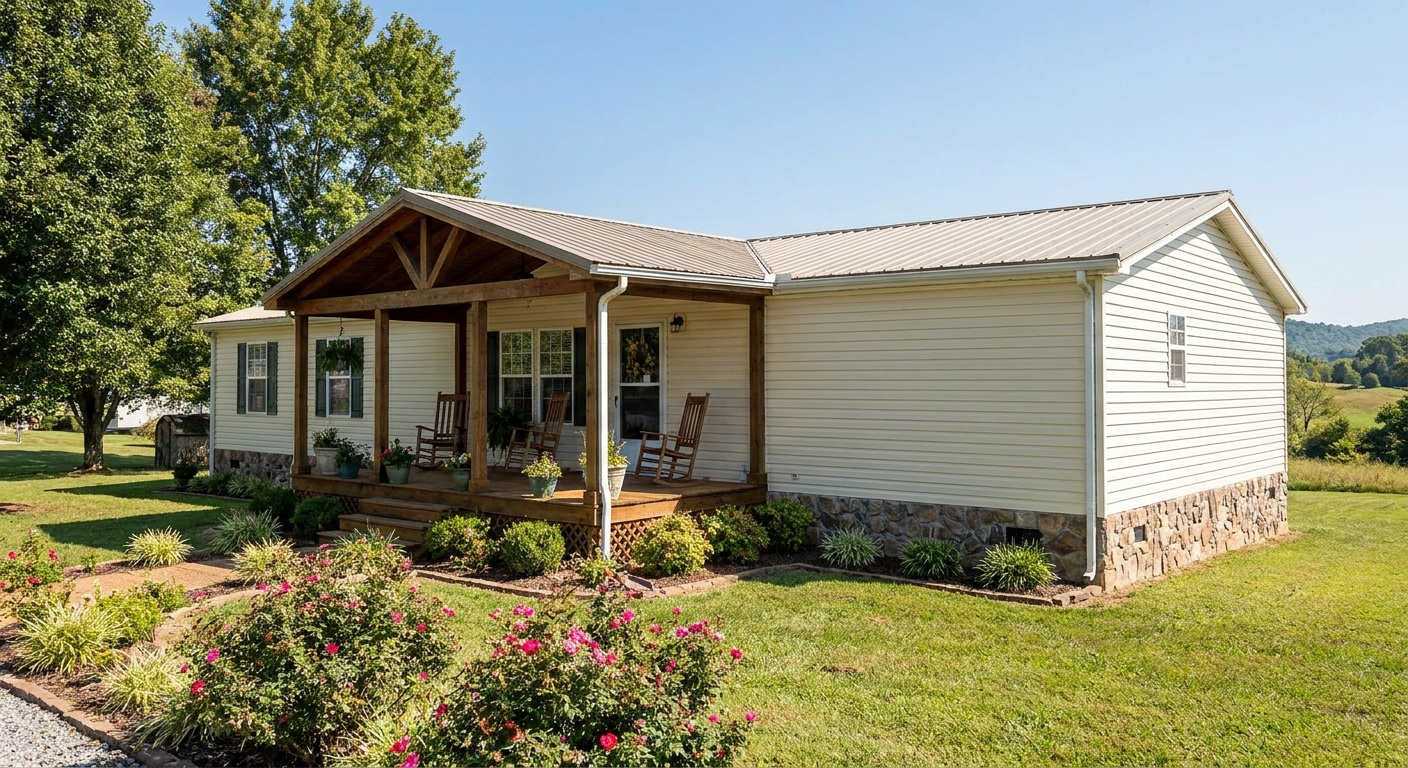
The big divider: real property vs personal property
If you take nothing else from this article, take this: HELOC eligibility is largely a title and collateral issue. That said, you still need to qualify like any other borrower once the property clears the collateral hurdle.
When a manufactured home is treated as real property
Your manufactured home is more likely to qualify for a HELOC when it is:
- Titled as real estate (not personal property)
- Affixed to a permanent foundation
- On land you own (and the home and land are typically financed and recorded together)
In this setup, many lenders underwrite it similarly to a site-built home, although some will still apply stricter guidelines.
When a manufactured home is treated as personal property
Your manufactured home is much less likely to qualify for a HELOC when it is:
- Titled as personal property (sometimes called a chattel title)
- Located in a leased-land community (you own the home but rent the lot)
- Not permanently attached in a way the lender recognizes
In that case, a traditional HELOC is often off the table. Some borrowers may still find financing, but it tends to look more like a personal loan, a chattel loan refinance, or a specialty equity-type product rather than a standard home equity credit line.
What lenders usually require
Because manufactured homes vary so much, lenders tend to use a checklist approach. The exact rules vary by bank and by state, but these are the most common make-or-break factors.
1) A permanent foundation
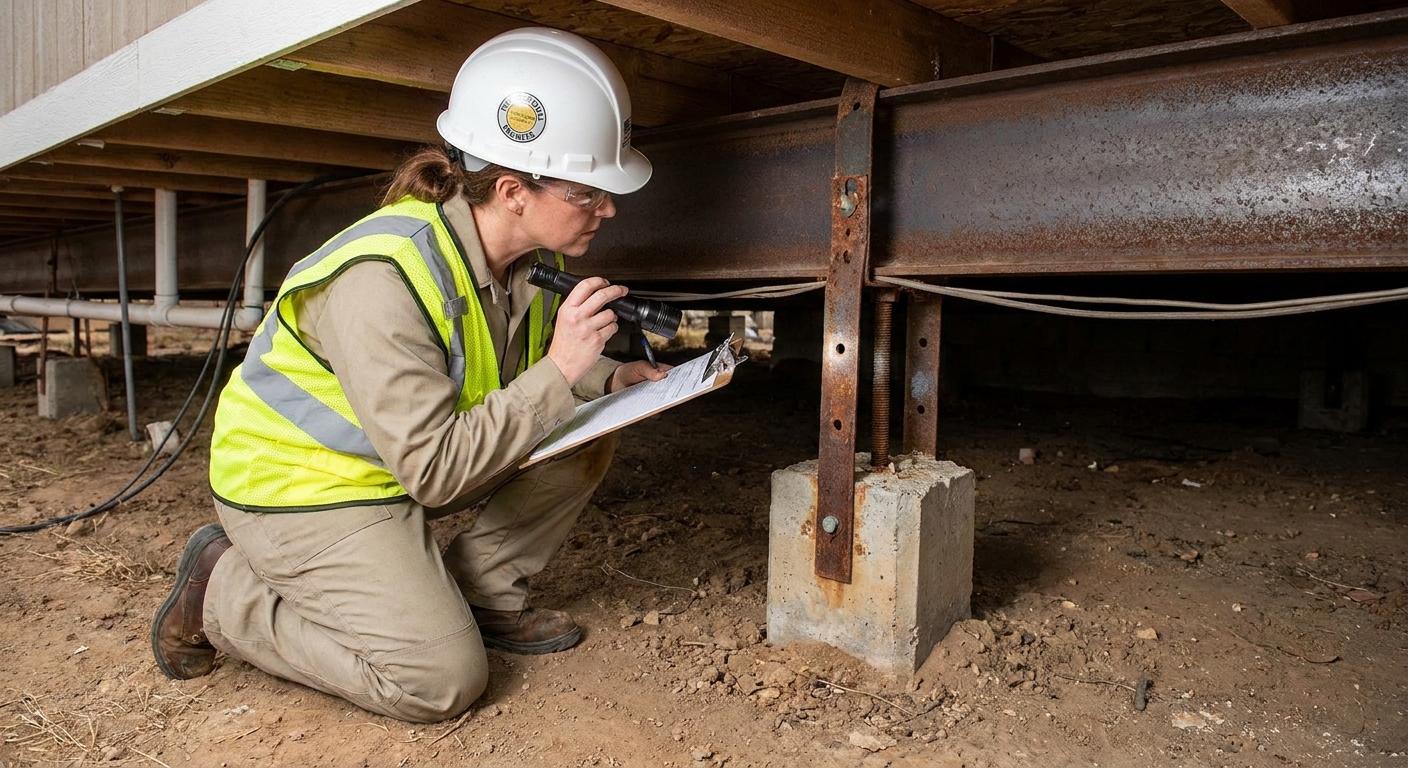
A lender wants confidence that the home is not easily movable. In practice, that usually means the home is installed on a permanent foundation system that meets local code and lender standards.
You may be asked for documentation such as:
- A foundation certification from a licensed engineer
- Proof the home is properly anchored
- Evidence utilities are permanently connected
If your home sits on piers or block systems, a HELOC can be difficult, but the key is not the presence of piers by itself. Some engineered pier systems can qualify as permanent if they meet the applicable standards and can be certified.
2) Real estate title conversion
This is the paperwork hurdle most people do not see coming.
If the home is still titled like a vehicle, the lender may not be able to record a mortgage-style lien the way they need to for a HELOC. Many HELOC providers require the home to be legally converted to real property, which often involves:
- Retiring or surrendering the personal property title
- Recording an affidavit of affixture or similar document (names vary by state)
- Ensuring the home is assessed as real estate for property taxes
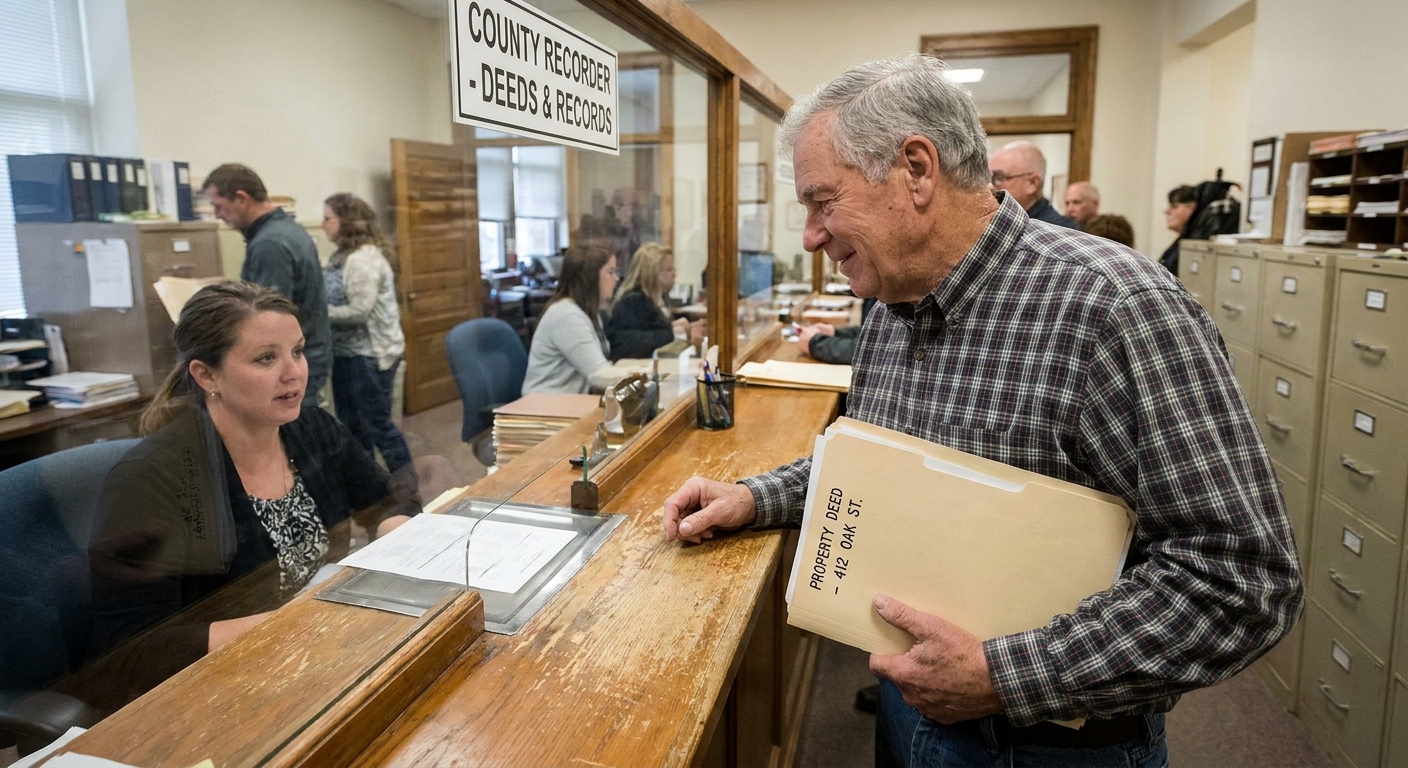
If you are not sure how your home is titled, start with your county recorder and county assessor, plus your closing documents from when you bought the home. In some states, the personal-property title is handled through a motor vehicle or title agency, so you may need to check there too.
3) Land ownership and lease terms
Most traditional HELOCs work best when you own the land under the manufactured home.
From a lender’s point of view, the land is a major part of the collateral value and a major part of what makes the loan enforceable. If you rent the lot in a park, the lender may view the home as harder to resell and harder to secure.
That does not mean you have zero options on leased land. Some portfolio lenders will consider certain setups, like resident-owned communities, co-ops, or long-term ground leases, but you are usually shopping in a much smaller universe of lenders and products, often with higher rates and lower borrowing limits.
4) Age, size, and construction rules
Even when the title and land situation are solid, some lenders add additional filters, including:
- Age limits: Some lenders will not lend on older manufactured homes, or they may require the home to have been built after a certain year.
- HUD certification: Most manufactured homes built after June 15, 1976 were constructed under the HUD Code and originally had HUD certification labels and a HUD data plate. If those are missing, some lenders accept alternate verification, such as documentation through the Institute for Building Technology and Safety (IBTS).
- Minimum size: Some lenders prefer double-wide or larger homes, or they require a minimum square footage.
- Property condition: Deferred maintenance can trigger appraisal issues or lending restrictions.
If your home is older or smaller, the best approach is to ask lenders their manufactured-home guidelines upfront before paying for an appraisal.
5) Your credit and income still matter
Once the property clears the collateral tests, the rest looks like a normal HELOC review. Expect lenders to look at:
- Credit score and history: Stronger credit can expand options and improve pricing, while recent late payments can shrink them fast.
- Debt-to-income ratio: Your monthly debts relative to income still matters, even with plenty of equity.
- Income verification: Pay stubs, W-2s, tax returns, or other documentation depending on how you are paid.
- Occupancy: Primary residences are generally easier than second homes or investment properties.
- Cash reserves: Some lenders want funds in the bank after closing.
So yes, the home has to qualify as acceptable collateral, but you still have to qualify as the borrower.
Why these HELOCs are harder to find
As a former strategy consultant, I always try to translate lender behavior into incentives. HELOCs are revolving credit lines, which means the lender takes on uncertainty about how much you will borrow and when. When the collateral is a manufactured home, lenders may worry about:
- Valuation volatility: Some manufactured homes depreciate, especially when not tied to owned land.
- Resale complexity: Fewer buyers and fewer financing options can reduce liquidity.
- Title and lien complications: Personal-property titling can make the lender’s security interest messier.
So even if you are an excellent borrower, the property itself may not fit the lender’s HELOC model.
HELOC vs home equity loan
When manufactured homes do qualify as real property, borrowers sometimes assume a HELOC is the obvious choice. Not always.
HELOC for flexibility
A HELOC can make sense when you want to borrow in phases, like paying for renovations over time, covering seasonal income swings, or building a cash cushion you may not use.
Home equity loan for a lump sum
A home equity loan is typically a fixed amount with a fixed payment schedule. Some lenders that are cautious about HELOC risk may still offer a closed-end second mortgage more readily than a revolving line, depending on the property and your profile.
The key is that both products usually require the home to be treated as real estate. If your home is personal property, neither option is widely available through mainstream mortgage lenders, although a few chattel and portfolio lenders may offer second-lien or equity-type loans in limited cases.
Lien position and your current loan
One more practical snag: the type of financing you already have can affect whether a lender will place a HELOC behind it.
- If your existing loan is a chattel loan (home-only financing), many HELOC lenders will not treat the property like mortgage collateral until the home is converted and financed as real property.
- Even with a real estate mortgage, some lenders have rules about lien position, seasoning, or who the first-lien lender is.
This is why it is worth asking early, before you pay for an appraisal, whether the lender will do a HELOC behind your specific first loan setup.
Typical equity limits
HELOC limits are usually based on combined loan-to-value (CLTV), meaning your first mortgage balance plus your HELOC limit compared with the appraised value.
For manufactured homes that qualify as real property, you will often see CLTV caps in the general range of about 75 to 85 percent, sometimes lower depending on the lender, the home, and the market. Overlays vary widely, so treat this as a starting point for questions, not a promise.
How to check if you are positioned for a HELOC
Here is a practical sequence I recommend, especially if you want to avoid paying for reports and appraisals too early.
- Confirm land ownership: Do you own the land, or are you leasing a lot?
- Confirm how the home is titled: Real property vs personal property.
- Check foundation documentation: Do you have anything showing it is a permanent, code-compliant installation?
- Review property tax treatment: Are you taxed like real estate or like personal property?
- Review your current loan type: Is your first loan recorded like a mortgage, or is it a chattel loan?
- Estimate equity: Lenders cap CLTV, so the first mortgage balance plus the HELOC limit must stay under a certain percentage of the appraised value.
If items 1 through 4 are not aligned, your first step is usually not “apply for a HELOC.” It is “make the property HELOC-eligible,” if that is feasible and worth the cost.
If your home is personal property
If your manufactured home is titled as personal property or you do not own the land, here are the more common paths people explore:
- Chattel loan refinance: If you have a chattel loan now, refinancing could reduce the rate or payment, though terms vary widely.
- Personal loan: Unsecured borrowing can be faster, but rates may be higher and loan sizes lower.
- Cash-out refinance (when conversion is possible): If you can convert the home to real property and meet lender guidelines, a refinance might unlock equity.
- Credit union or community bank programs: Local institutions sometimes have more flexible portfolio lending for manufactured homes than big national banks.
- Specialty lenders: In limited situations, some lenders offer second-lien or equity-type loans on manufactured housing, but they are not common and terms can differ significantly from a standard HELOC.
If you are considering conversion to real property, run the math carefully. Between foundation work, title retirement, recording fees, and potential tax implications, it can be a smart long-term move, but it is not free.
Common questions
Can I get a HELOC in a mobile home park?
Usually not through a traditional HELOC, because you typically do not own the land and the home may be titled as personal property. Some specialty or portfolio lenders may offer alternatives in certain communities or ground-lease structures, but they are not the standard HELOC most homeowners think of.
Does the home have to be on a concrete slab?
Not necessarily. What matters is whether the foundation is considered permanent and compliant with applicable standards, and whether the lender accepts it. Many lenders look for an engineer’s foundation certification rather than a single specific foundation type.
What if my manufactured home is paid off?
Paid off does not automatically mean HELOC-eligible. You still need the right collateral setup: real-property titling, owned land in most cases, and an acceptable foundation. Being paid off can help your equity position, but it does not replace the property requirements.
Will my home appraise differently than a site-built home?
It can. Appraisers typically look for comparable sales. In areas with fewer manufactured-home sales, comps can be harder to find, which can affect value and the size of any potential HELOC.
The bottom line
You can get a HELOC on a manufactured home when the home is effectively functioning as real estate: permanently affixed, properly titled, and often sitting on land you own. If your home is still treated as personal property, most HELOC lenders will say no, even if you have plenty of equity and excellent credit.
If you tell me two things, whether you own the land and how the home is titled, you will usually know within minutes which side of the HELOC line you are on and what your next best option is.